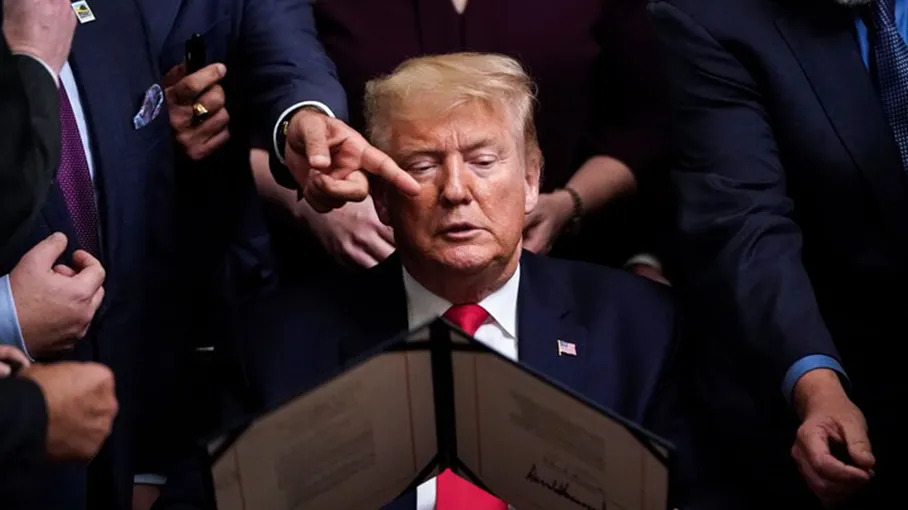
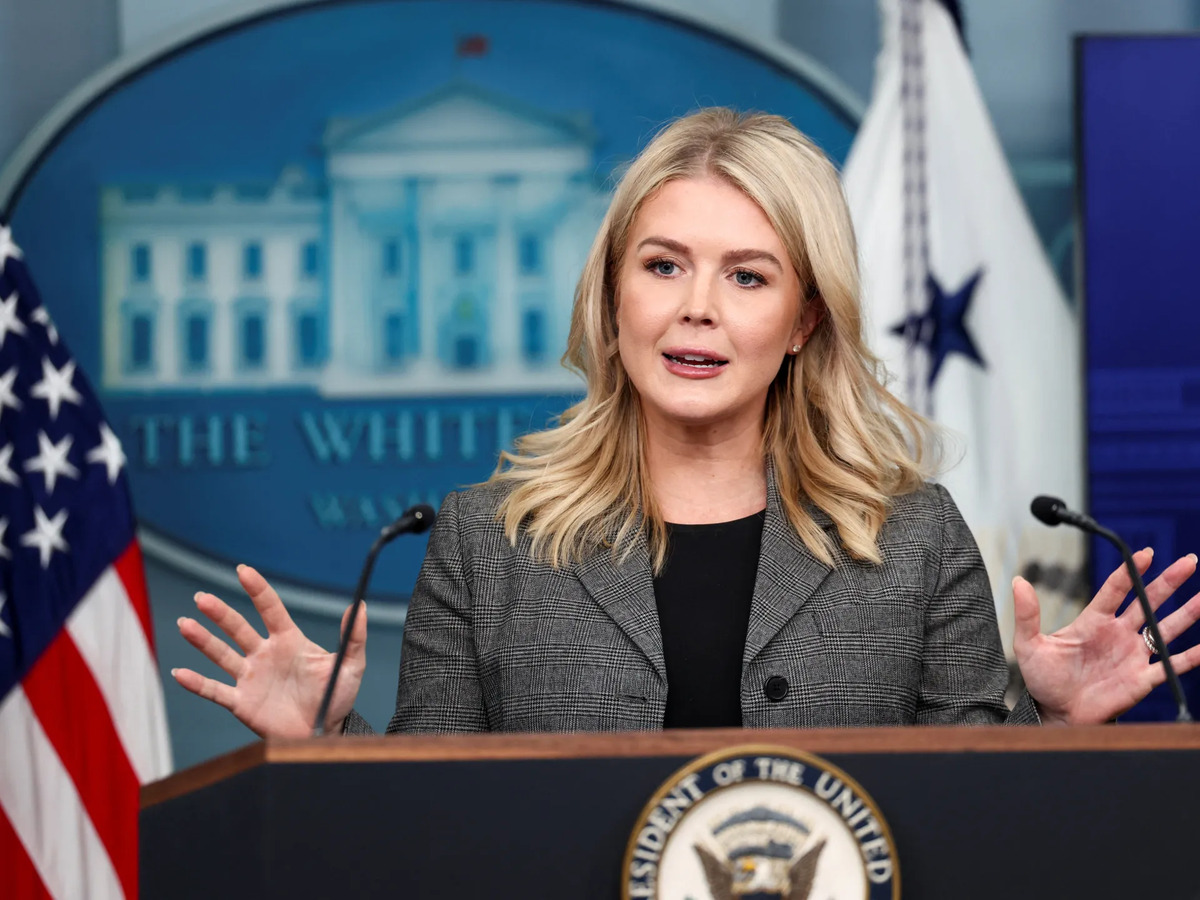
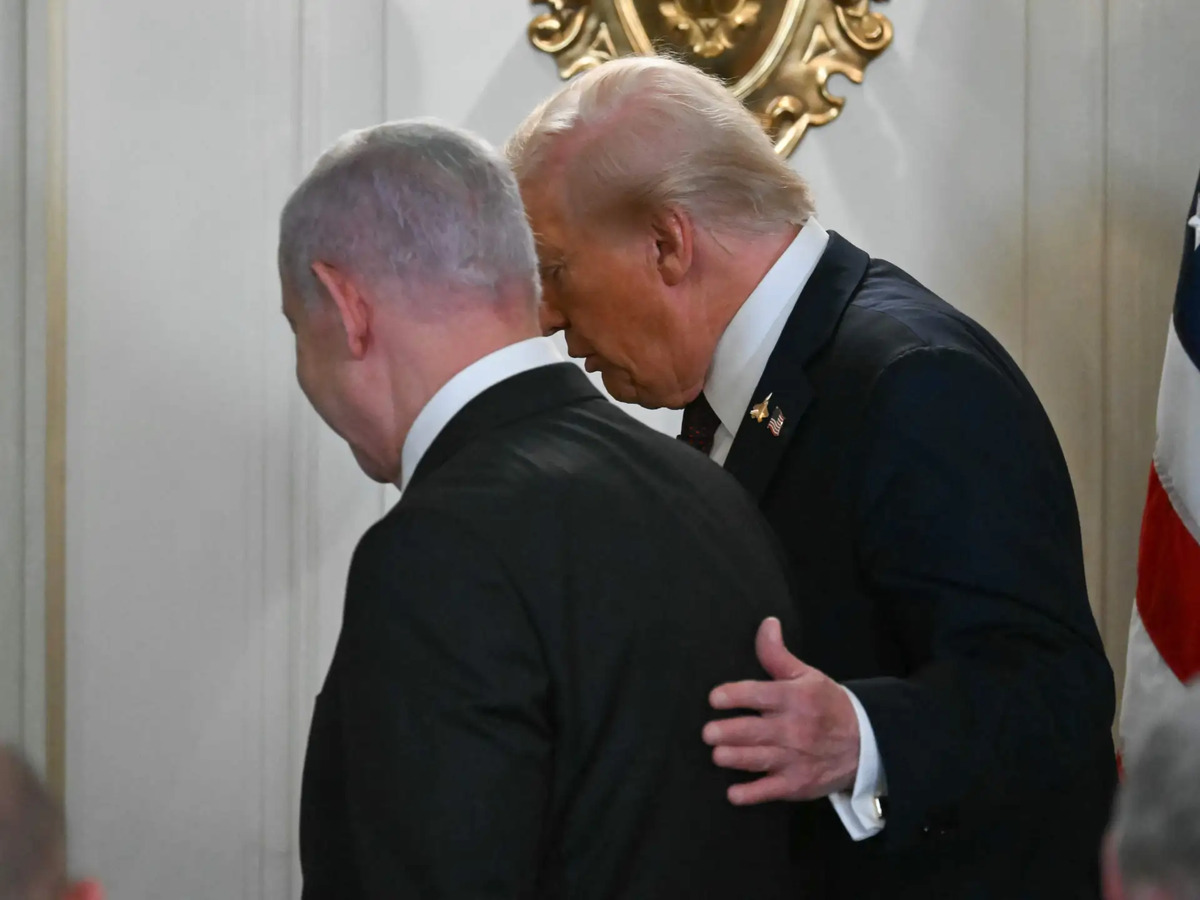
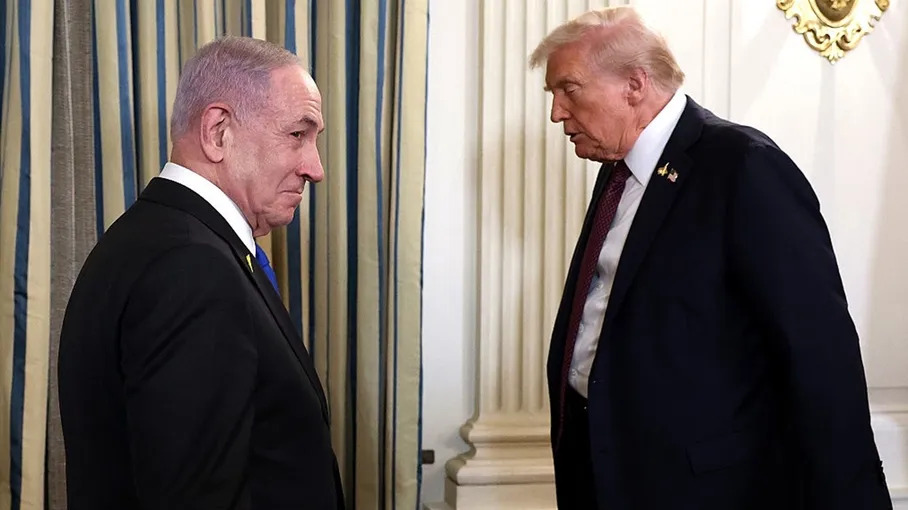
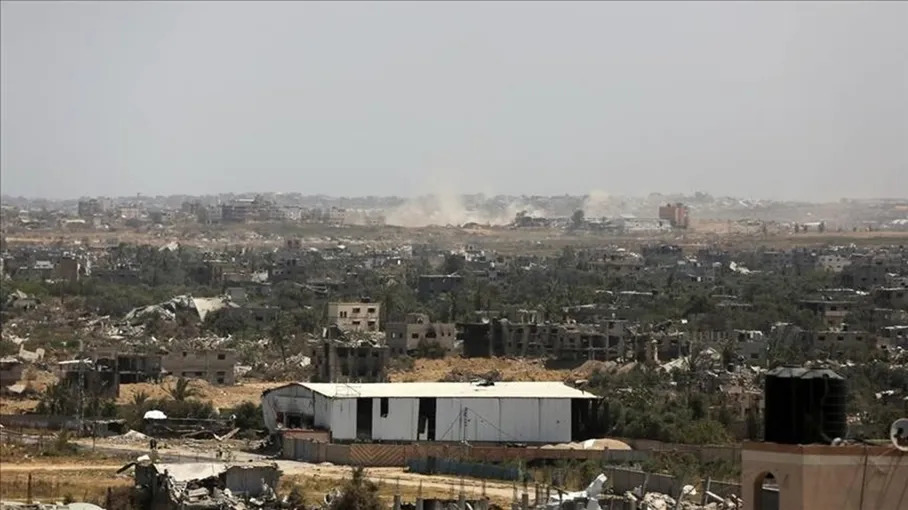
Three opinion articles in the leftist Israeli newspaper Haaretz addressed U.S. President Donald Trump's new plan for a ceasefire and the reconstruction of the Gaza Strip, analyzing its dimensions and implications from various angles.
The three writers - Jack Khouri, Michael Ratney, and Jonathan Lis - discussed in their articles how the plan forces the Islamic Resistance Movement (Hamas) to make a painful choice, why it lacks credibility and feasibility, and how Israeli Prime Minister Benjamin Netanyahu - accused by the International Criminal Court of crimes in Gaza - could exploit its ambiguity to delay its implementation or completely undermine it.
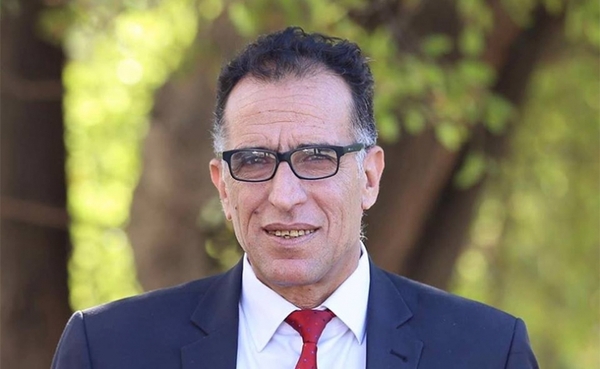
In his article, the newspaper's Arab affairs editor Jack Khouri argues that Trump's proposed ceasefire plan puts Hamas in front of the toughest decision since the war began: either accept terms that practically amount to surrender, or reject them and face a harsher Israeli destruction with American support.
Acceptance means handing over Israeli prisoners - Hamas's last card of power - in exchange for a vague promise of an Israeli military withdrawal, a temporary multinational administration, and a subsequent shift towards Palestinian security control, according to the writer.
The plan also lacks clear timelines or strategies for reconstruction or a real political horizon; rejection, on the other hand, gives Israel a pretext to destroy what remains of the Gaza Strip until complete occupation is achieved, "even at the expense of the lives of Israeli prisoners."
For Hamas and the broader Palestinian leadership, acceptance may bring a ceasefire, humanitarian aid, and prisoner exchange deals, but it will not offer more than that, Khouri believes.
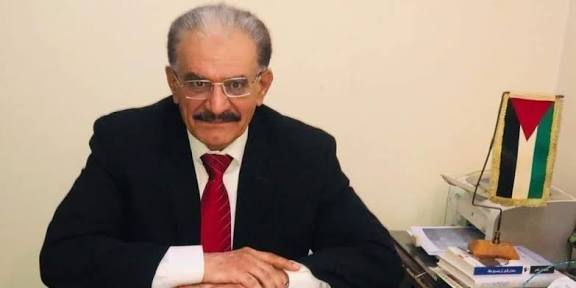
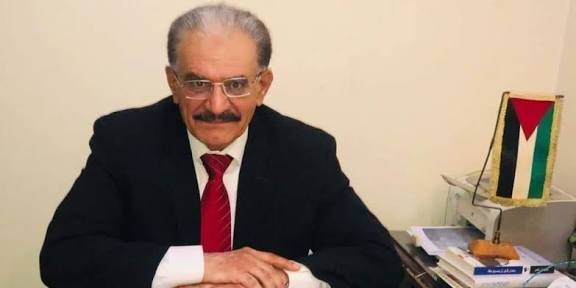
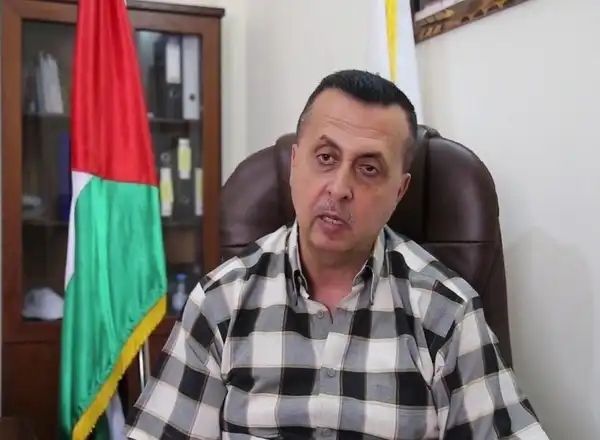
The writer quoted Hamas leader Mohammed Mardawi as saying that the plan - which has not yet been presented to any Palestinian faction - reflects the Israeli perspective almost entirely and aims to halt the international momentum towards establishing a Palestinian state.
He also noted that the proposed governance model relies - from his perspective - on technocrats and foreign funds while maintaining indefinite Israeli control.
Khouri places this dilemma in a familiar historical context, from the Oslo Accords to the Israeli withdrawal plan of 2005, pointing out that there is a "clear gap" between what Israel promises and what it actually implements.
However, the essence of the plan - as the writer sees it - is the choice between a "soft" foreign occupation managed by foreign parties or a "harsh" Israeli occupation that knows no compromise, without any path towards Palestinian sovereignty.
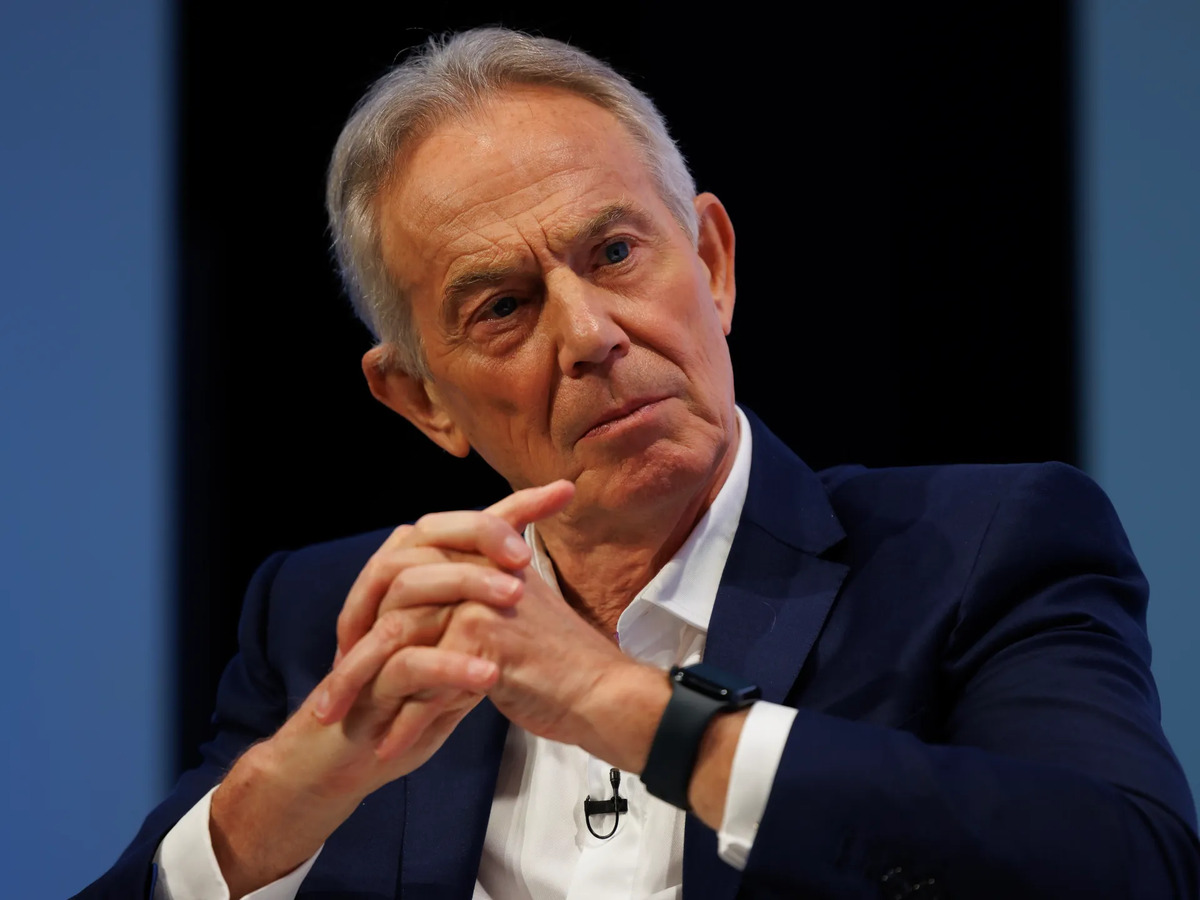
As for the former U.S. ambassador to Riyadh, Michael Ratney, he acknowledges in his article that Trump's 20-point plan includes some positive elements.
He points here to Netanyahu's public commitment not to annex Gaza or forcibly displace its residents, Palestinian autonomy, and even the possibility of eventually establishing a Palestinian state.
Although he claims that fully implementing the White House plan would be much better than the current bleak and exhausting situation, he warns against taking Trump or Netanyahu's statements as meaning that the plan will actually be implemented.
He also believes that these statements should not be viewed as a fundamental shift in the course of the Israeli-Palestinian conflict, despite Trump's confidence in them.
Furthermore, Ratney believes that some major ideas - such as establishing a peace council chaired by Trump himself - seem unrealistic.
He adds that the final version of the plan has been drained of its substance through loopholes crafted to satisfy Israeli political considerations, undermining its credibility with active regional parties.
However, one of the fundamental flaws - according to the article - is that the Israeli military withdrawal from Gaza is conditional on achieving "phases" related to disarmament, which are negotiated between the Israeli army and an international stabilization force, considering that this leaves the pace and extent of withdrawal almost under Israeli control.
Ratney estimates that any plan to revive life in Gaza will ultimately require more than U.S. leadership of the process, or disarming Hamas, or the compliance of the Palestinian Authority, or regional support.
However, he cautions that Israel's approach to anything concerning the Palestinians is characterized by caution, hesitation, numerous conditions, and ties to political calculations.
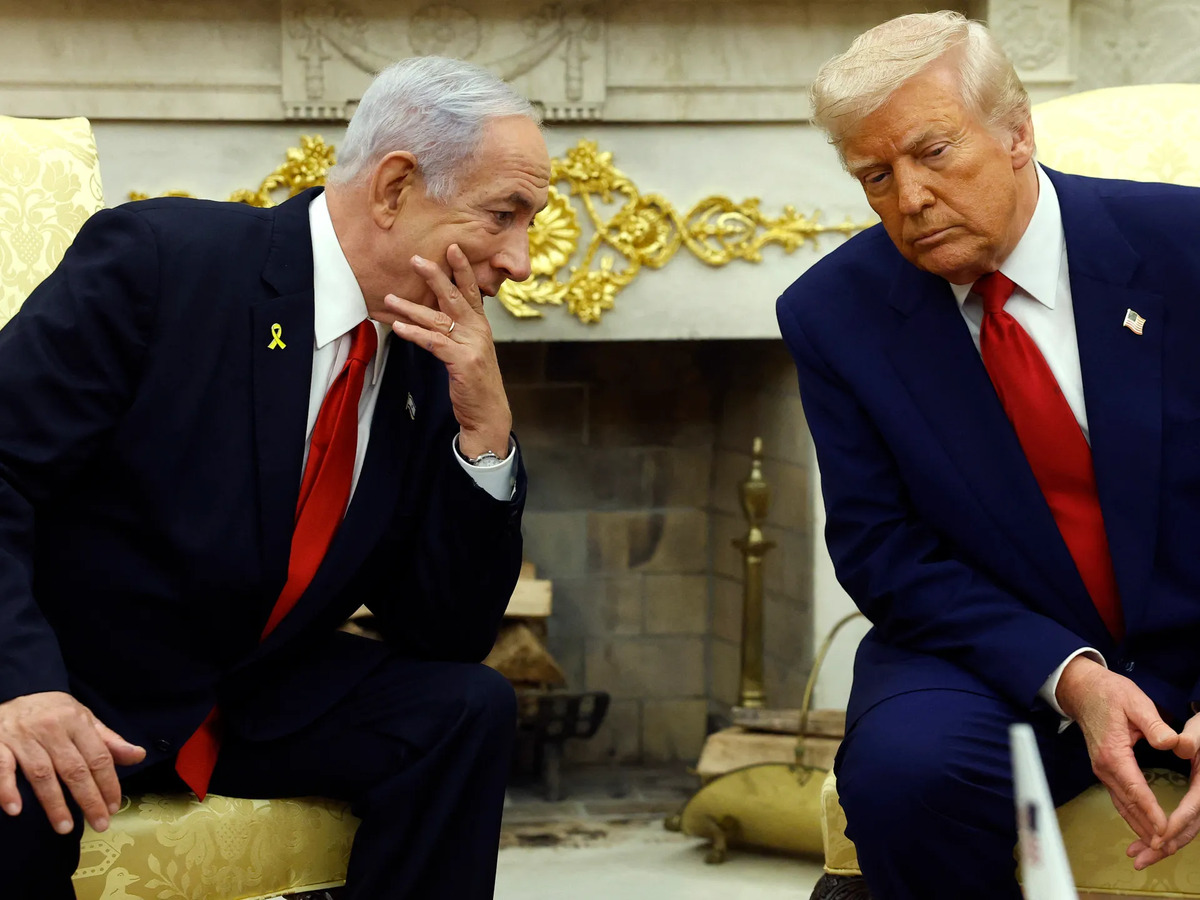
In his article, writer Jonathan Lis addresses the ambiguity surrounding Trump's plan, noting that it gives Netanyahu ample space to delay or undermine it.
Despite Netanyahu's public support for the plan, Israeli and international observers doubt his commitment to implementing it, citing his past in slowing negotiations and sabotaging prisoner exchange deals out of fear for his government, as Lis confirms.
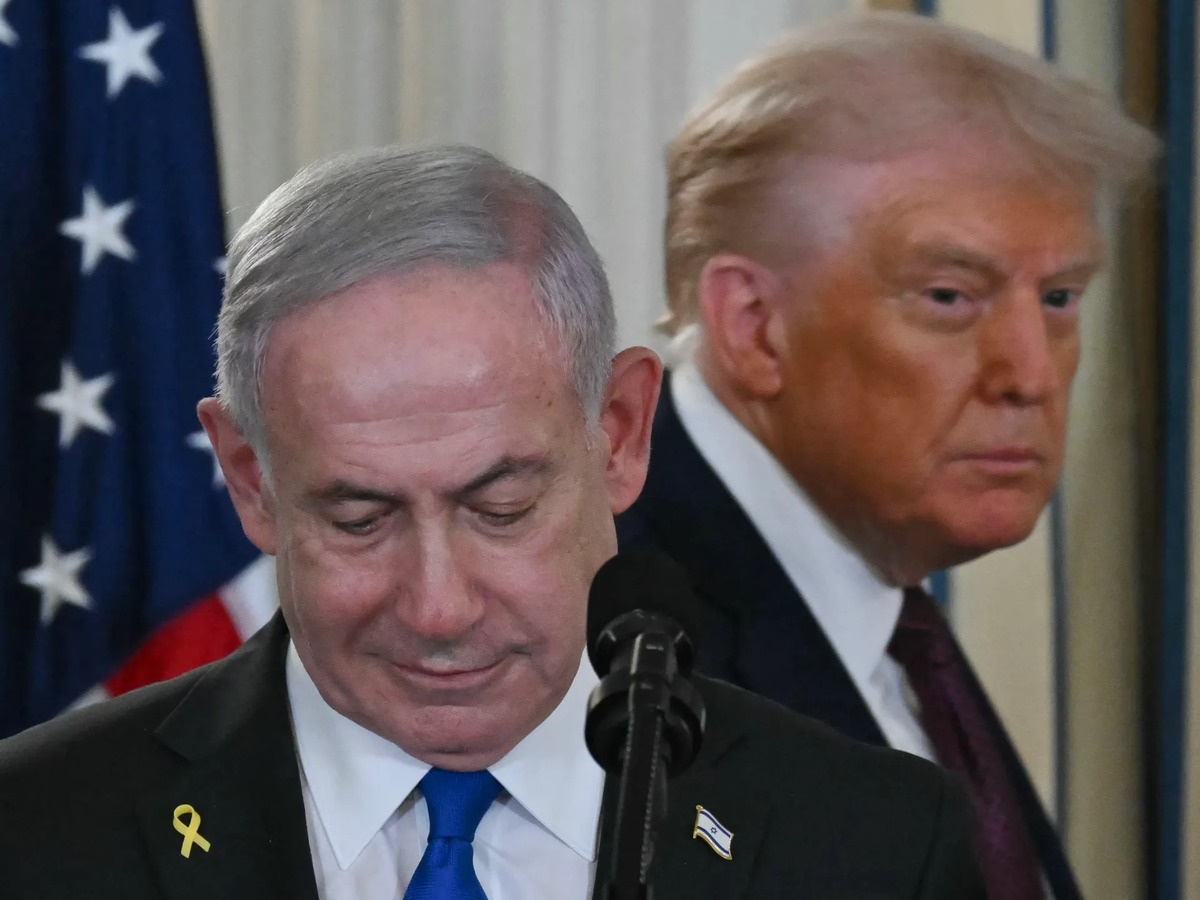
The article's writer points out that Netanyahu threatened in statements alongside Trump to continue the war until "the elimination of Hamas" if they do not cooperate.
Lis believes that the plan itself lacks clear timelines and implementation mechanisms, which allows