OPINIONS

Wed 30 Oct 2024 8:58 am - Jerusalem Time

November Options Consequences

James Zogby

James Zogby

Opinion Writer

The current presidential race has sparked intense debate within the Arab American community. If this were a normal election year, I would be out in the field urging my community to vote Democrat.


I warned Arab Americans that we needed to do everything we could to prevent Donald Trump from returning to the White House. I pointed out the threat he posed to women’s rights, civil rights, civil liberties, and the environment. It would have been, as we say, a “slam dunk.” But this is no ordinary election. My community has been deeply traumatized by what has been happening in Gaza for a year, and the devastating war in Lebanon. They are angry that the Biden administration has refused to enforce U.S. laws that would put a stop to Israel’s unacceptable and illegal actions, and they accuse it of providing cover for Israel to act with impunity. In light of this, there has been a significant drop in Arab American support for Democrats, and a surge in support for the Republican Party, with many saying they want to punish Democrats by voting for a third-party candidate. I too feel this pain and am torn about how to move forward. I wish it were different, but it is not. However, I have some questions for those who hold this “Democratic” administration responsible for Israeli abuses and want to punish the Democratic candidate for president.


When they say they are voting their conscience by supporting a third party, I ask them to explain how sanctioning Vice President Kamala Harris and enabling Donald Trump to become president would end these abuses, especially since we have allies on the progressive side of the Democratic Party who support us and work with us to advance our concerns on foreign and domestic policy and would be with us to pressure a Harris White House? Meanwhile, Trump’s party is dominated by hardline “hawks” who care little about Palestinians or our civil rights. Or how could voting for parties that have been in place for decades and are struggling to get to 1 percent of the vote do anything other than help elect Donald Trump? Or how could ignoring all the groups that have been our allies in the struggle for our civil and political rights and for a just foreign policy lead to “voting our conscience”? This reminds me of a lesson I learned from the late Julian Bond after the 1968 election.


A decade ago, I wrote a reflection on this lesson. Let me ask you to think about it again: It was 1968, and the United States was reeling from the effects of the Vietnam War, urban unrest, and the assassinations of Martin Luther King and Senator Robert Kennedy. In the wake of voter opposition to the war, President Lyndon Johnson had been forced to end his reelection bid in favor of his vice president, Hubert Humphrey. All of this was in the air when the Democrats gathered at their convention to formally nominate Humphrey. On the first night of the convention, a battle erupted over whether to recognize the all-white Georgia delegation or the mixed black-white delegation led by a young Georgia civil rights activist, Julian Bond.


The mixed delegation won a partial victory. On the second night, the convention struggled with an attempt to amend the platform to oppose continuing the war. Bond was a leader in this fight, too, and the amendment was defeated. On the third night, when the convention met to nominate Humphrey’s vice president, the antiwar delegates proposed that Bond run against the party leaders’ chosen candidate, Senator Ed Muskie. Unable to silence the antiwar opposition, the party leaders called in the police, who were shown on television beating delegates who chanted Bond’s name. On the last day of the convention, after Humphrey and Muskie had delivered their acceptance speeches, Julian Bond came on stage and raised the hands of Humphrey and Muskie in a show of unity.


Many of the young activists were shocked. A few years later, I met Julian Bond, asked him why he had done this, and told him how disappointed I was. He told me that there were two types of people. Those who looked at the evils of the world and said, “I’m going to stick to my principles because things have to get worse before they get better.” And those who said, “I have to get down to business and see if I can make things at least a little bit better.” “I’m with the latter,” he said. “Because if I take the former view, I’m going to let a lot of people continue to suffer while I maintain my purity and refuse to do anything to help. At the conference, it wasn’t Julian Bond versus Ed Muskie. It was Hubert Humphrey versus Richard Nixon, and I had to choose who was going to help make life at least a little bit better.”


I have never forgotten this lesson and am challenged daily to apply it. It is the reason I have little patience with ideologues of the right or left. They often overlook the harsh reality in which most of us live and the difficult, often less than perfect, choices we face in the never-ending challenge of making life a little better, whether it is the fight for human rights, improving the quality of life, or providing security for the most vulnerable.


When they say they vote their conscience by supporting a third party, I ask them to explain how punishing Vice President Kamala Harris and enabling Donald Trump to become president would end these abuses.

OPINIONS

Wed 30 Oct 2024 8:56 am - Jerusalem Time

The Second Nakba and the Coming Settlement

Sami Mshasha

Sami Mshasha

Opinion Writer

The celebration is over. The members of the entity's Knesset congratulated each other, and were elated by the majority vote for the two bills. A resounding success for them, and a profound pain, because the two laws, on the surface, remove UNRWA from the equation, but in reality, they are the kiss of death for the right of return of Palestinian refugees and a great practical and moral confirmation for them in establishing the concept that Jerusalem is one and united, and there is no place in it for a refugee camp, nor for UNRWA headquarters, nor for refugees registered with it in our capital.

"It is our capital, and we will not share it with anyone."

They have the right to celebrate! It is a great victory (!) and puts the train of settling Palestinian refugees in Jordan, Lebanon and Syria on its actual track towards the desired goal.

It is a bitter victory like wormwood in the course of the war of extermination on Gaza, as the policy of starvation, thirst, and open and systematic killing (and no randomness here) has come a long way (in one of its pivotal manifestations) in preventing UNRWA from working effectively in Gaza and establishing their control over what aid is brought in, when, where, and by whom, and ensuring that UNRWA, and the United Nations as a whole, will not have any real role in the stage of what is called the reconstruction (or more accurately, re-engineering) of Gaza. They have the right to celebrate and be elated.

Their celebration is over and they continue to translate such achievements and create facts on the ground. This is where their strength lies: action and creating facts on the ground at any cost.

A new party of slapping, wailing and lamenting sessions has begun, and a new stream of statements of condemnation and denunciation has begun, some of which are honest but have no effect, and many of which are hypocritical and lying statements, especially the American and British ones. Perhaps there is no need for a paragraph referring to the statements of the Arab League, the Islamic countries and the worn-out and lazy human rights associations.

We made a big fuss describing the repercussions of the vote by the members of the entity’s Knesset. We said that it was a fascist decision, a lifeline, a violation of the UN Charter, and the new record that entered our dictionary of descriptions is that the decision “contradicts the interim measures adopted by the International Court of Justice in the case of genocide” and other outdated linguistic descriptions. The Secretary-General surprised us with his tweet that the decision was “catastrophic,” since I thought that the decision was not catastrophic, so we must thank him for his important clarification! His official spokesman stuttered with a statement that exposes the impotence of the international organization, stating that the institution is evaluating its response to the two laws and that “our reactions will be negative!” Isn’t this statement painful in its paralysis?!

Yesterday, the entity's Knesset approved "the delayed start of implementing the provisions of the law," and gave the executive branch a period of 90 days to implement the provisions and clauses of the law in preventing UNRWA's activities and closing its headquarters (this will include its presence and services in all the occupied territories). 90 days to find alternatives to UNRWA in Gaza, roll back the fragmentation and dismantling of the agency in Jerusalem and the West Bank, and find alternatives for it of local, regional and international origin. And then the actual start of the process of settling Palestinian refugees outside the homeland. And this is what will happen!

We do not have any effective, practical, effective movement at the Palestinian, Arab, Islamic, regional, or international levels to confront the entity’s decision and its successive translation on the ground.

Perhaps the demand to adopt the equation of expulsion for expulsion (expulsion of the entity from the United Nations in exchange for its expulsion of UNRWA) will remain within the framework of wishes.

So, the series is over, and there is no second part. They have celebrations and achievements on the ground, and we have hung a "Do Not Disturb" sign on our bedroom and sleeping area.

——


90 days to implement the decision to expel UNRWA from Jerusalem and prevent its activities in the occupied territories. What are we going to do? They have celebrations and achievements on the ground, while we have hung a "Do Not Disturb" sign on our bedroom and sleeping area.

PALESTINE

Wed 30 Oct 2024 8:48 am - Jerusalem Time

80 Israelis, including 64 soldiers and police, killed in October

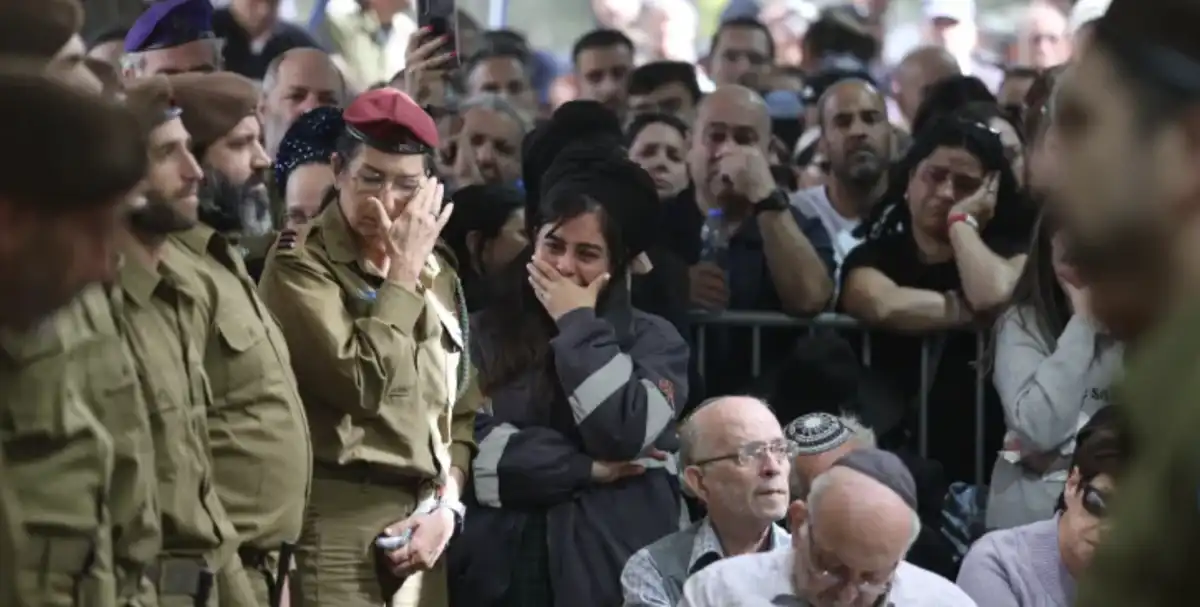
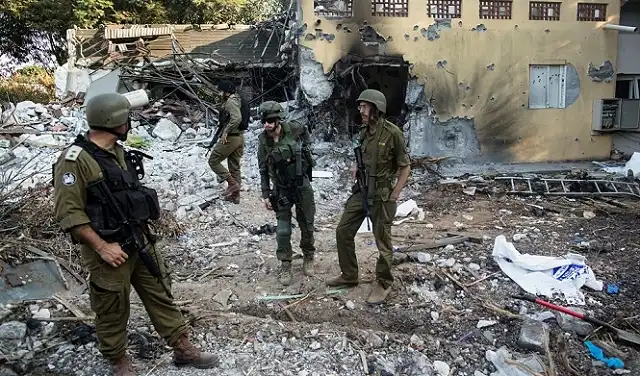
The Israeli Army Radio reported that 80 Israelis were killed, including 64 from the army and police; 33 officers and soldiers in southern Lebanon, 19 in the Gaza Strip, and 16 civilians, during the current month, which it described as “Black October.”


The radio said in a report on Tuesday evening: "Since the beginning of this black October, 80 Israeli soldiers and civilians have been killed in battles and war events." It added: "64 members of the Israeli security forces and 16 civilians have been killed."


In detail, the radio said that "33 Israeli officers and soldiers were killed in the ground maneuver in southern Lebanon, and 19 in the ground maneuver in the Gaza Strip during October." Also, "four soldiers were killed on October 13, in a drone strike that targeted the Golani Brigade training base in the Binyamina area near Haifa (north), and about 60 others were injured."


According to the radio, "Three Israeli soldiers were also killed in October by Hezbollah missiles on the Lebanese border, where the party routinely bombs Israeli troop concentrations in the area." Also, "Two Israeli soldiers were killed on October 4 in a drone attack launched from Iraq on a military base in northern Israel, and about twenty others were injured."


Two days later, the radio reported: “An Israeli Border Policewoman was killed in a shooting attack in Beersheba (south), and 10 others were wounded in the attack.” In mid-October, “An Israeli policeman was killed and 4 others were wounded in a shooting attack on Route 4 near Ashdod (south).”


On the 22nd of the same month, "the Israeli army announced the death of a soldier in the Nahal Brigade, in an operational car accident in the Gaza envelope area near the Strip," according to the same source.


According to the radio, "Seven Israeli civilians were killed by Hezbollah missiles in separate incidents in the northern Galilee region during October, including two in Kiryat Shmona, two in Majd al-Krum, one in Yaron, one in Acre, and one in Maalot-Tarshiha." Earlier this month, "seven Israeli civilians were killed and 16 others were injured in a shooting in Jaffa, near Tel Aviv (central)."


On October 10, “an Israeli was killed as a result of wounds he sustained a day earlier in a stabbing attack in the city of Hadera, north of Tel Aviv, which also injured six others.” On October 27, “an Israeli was killed in a car-ramming attack near the Glilot military base in Ramat Hasharon, central Israel, and 36 others were injured,” according to Army Radio.


OPINIONS

Wed 30 Oct 2024 8:47 am - Jerusalem Time

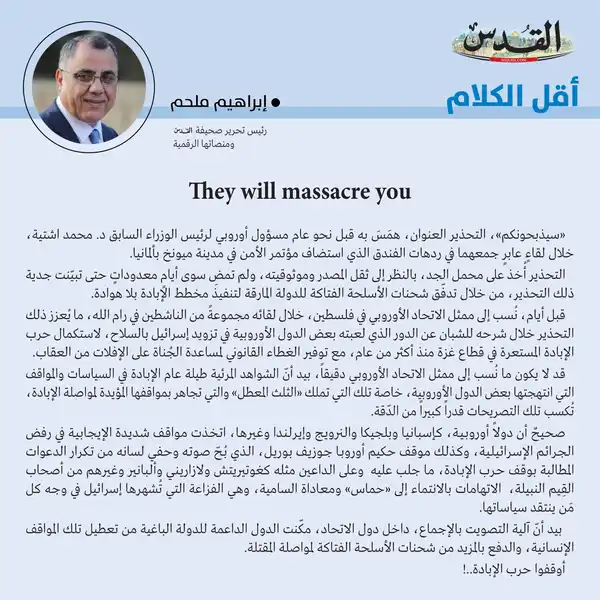
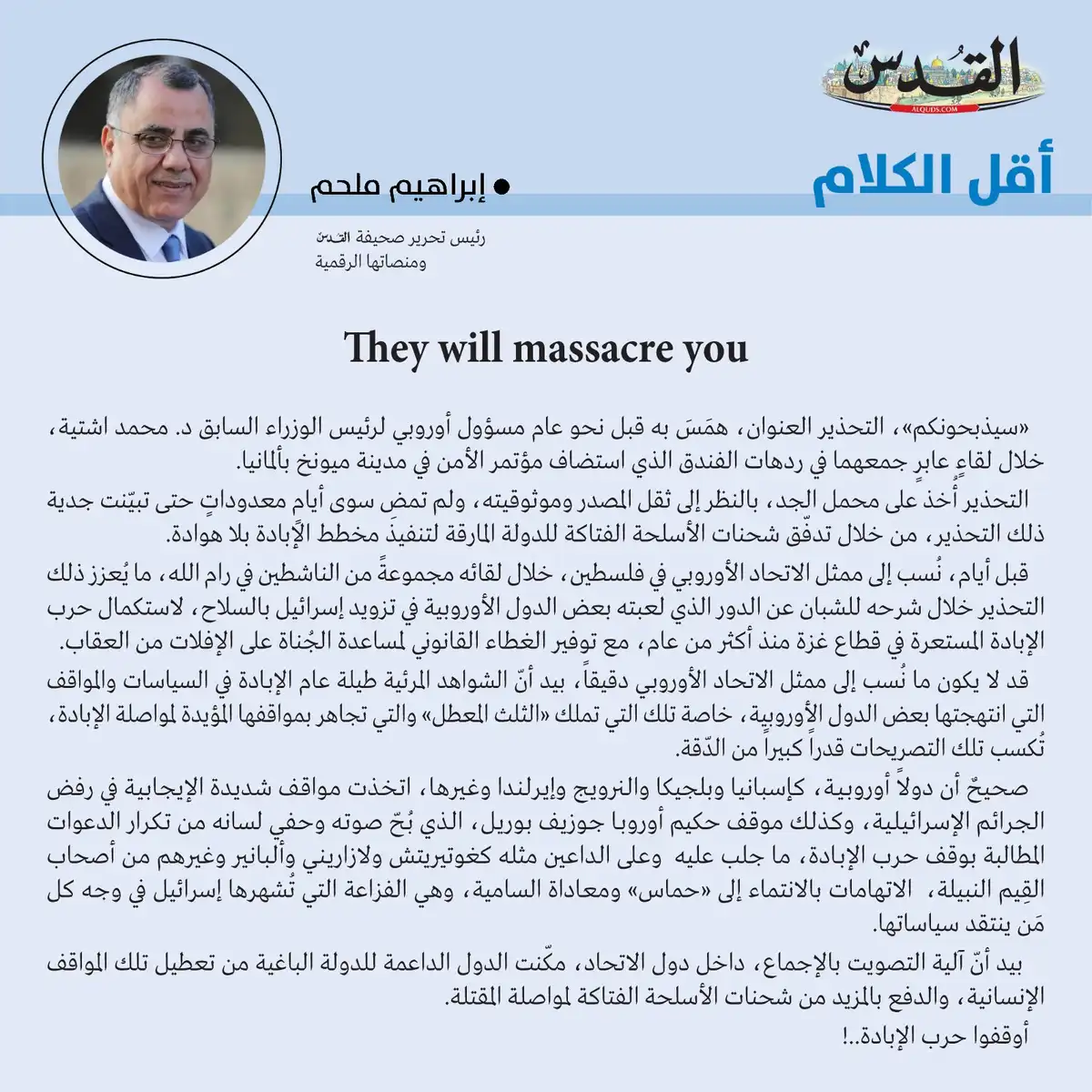
They will slaughter you.

Ibrahim Melhem

Ibrahim Melhem

Opinion Writer

“They will slaughter you,” is the warning title, whispered about a year ago by a European official to former Prime Minister Dr. Mohammad Shtayyeh, during a passing meeting between them in the halls of the hotel hosting the security conference in Munich, Germany.


The warning was taken seriously, given the weight and reliability of the source, and it was only a few days before the seriousness of that warning became clear, through the flow of shipments of lethal weapons to the rogue state to implement the plan of annihilation without mercy.


A few days ago, the European Union representative in Palestine was accused, during his meeting with a group of activists in Ramallah, of reinforcing this warning while explaining to the youth the role played by some European countries in supplying Israel with weapons to complete the war of extermination that has been raging in the Gaza Strip for more than a year, while providing legal cover to help the perpetrators escape punishment.


What was attributed to the European Union representative may not be accurate, but the visible evidence throughout the year of the genocide in the policies and positions adopted by some European countries, especially those that have the “blocking third” and which openly support the continuation of the genocide, gives those statements a great deal of accuracy.


It is true that European countries, such as Spain, Belgium, Norway, Ireland and others, have taken very positive positions in rejecting Israeli crimes, as well as the position of the wise man of Europe, Josep Borrell, whose voice has become hoarse and his tongue has become dry from repeating calls to stop the war of extermination, which has brought upon him and those calling for him like Guterres, Lazzarini, Albaner and others with noble values, accusations of belonging to Hamas and anti-Semitism, which is the scarecrow that Israel brandishes in the face of anyone who criticizes its policies.


However, the unanimous voting mechanism within the EU countries enabled the countries supporting the aggressor state to disrupt those humanitarian positions and send more shipments of deadly weapons to continue the massacre.


Stop the war of extermination..!

PALESTINE

Wed 30 Oct 2024 8:45 am - Jerusalem Time

Reuters: Norway to submit draft resolution to UN on UNRWA ban

Reuters reported that Norway will submit a draft resolution to the United Nations to request an opinion from the International Court of Justice on Israel's compliance with international law after it banned the United Nations Relief and Works Agency for Palestine Refugees (UNRWA).


"We hope to put the draft resolution to a vote in the coming weeks, and it is likely to be adopted," Reuters quoted the Norwegian foreign minister as saying.


Reuters said the question that will be asked before the court is: "Is Israel violating international law by preventing humanitarian aid to the Palestinians?"


She pointed out that the court's opinion would be advisory and non-binding, but would carry legal and political significance regarding the Israeli move.

ARAB AND WORLD

Wed 30 Oct 2024 8:44 am - Jerusalem Time

Lebanese drone hits Israeli aircraft components factory in Nahariya

The Israeli Broadcasting Authority said that the drone that exploded in the industrial zone in Nahariya this morning hit a factory that produces aircraft components.


The Israeli Home Front Command said earlier that sirens were sounding in Nahariya, Shlomi, Maalot-Tarshiha and other towns in the Western Galilee in Israel, warning of a drone infiltrating the area.


PALESTINE

Wed 30 Oct 2024 8:42 am - Jerusalem Time

Axios: Signs of an agreement to stop the Israeli war on Lebanon

The American news website Axios quoted American and Israeli officials as saying that they believe that Hezbollah "has finally become willing to distance itself from the Islamic Resistance Movement (Hamas) in the Gaza Strip."


According to Axios, an agreement to end the fighting between Israel and Hezbollah could be reached within weeks.


He pointed out that Israeli Prime Minister Benjamin Netanyahu discussed the potential deal with ministers, army leaders and intelligence agencies.


Hezbollah had begun supporting the resistance in Gaza since the first day of the war on the Strip on October 7, 2023, and the party refused to stop engaging the Israeli army, which led to the occupation army launching an aggression on Lebanon in order to separate the two paths from each other, which is something that Hezbollah still rejects.


Axios reported that the visit of Amos Hochstein, US President Joe Biden's envoy, to Israel indicates that Netanyahu supports moving forward with concluding the deal, and that Hochstein was waiting for the Israelis to decide their position on the deal before heading to Israel.


The Israeli news website Walla reported that Hochstein and Brett McGurk, Biden's envoys, will visit Israel tomorrow, Thursday, in an effort to conclude an agreement to end the war in Lebanon.


What the website mentioned contradicts what Mahmoud Qamati, the deputy head of Hezbollah’s political council, told Al Jazeera that the party had not received “any project or political initiative officially.”


According to Qamati, Hezbollah's priority now is the field, stressing that "Hezbollah does not accept any negotiations under fire... Let the aggression stop and we are ready to discuss all political issues."


The US Department of Defense (Pentagon) said that it still believes there is a chance to reach a diplomatic settlement in Lebanon, and that it will continue to work to achieve this.

Draft agreement

The agreement in question, according to Axios, calls for a ceasefire followed by a 60-day transitional period. It is based on the re-implementation of UN Security Council Resolution 1701, and Hezbollah will move its heavy weapons north of the Litani River away from the Israeli border during the transitional period.


During the transitional period, the Lebanese army will deploy about 8,000 soldiers along the border with Israel, while the occupation army will gradually withdraw its forces to the Israeli side of the border during the transitional period. It is noteworthy that the Israeli occupation army suffered heavy losses in southern Lebanon and was unable to advance on the ground for a long distance due to the fierce resistance it faces from Hezbollah fighters. The party said that 90 Israeli soldiers were killed since the start of the ground incursion early this month.


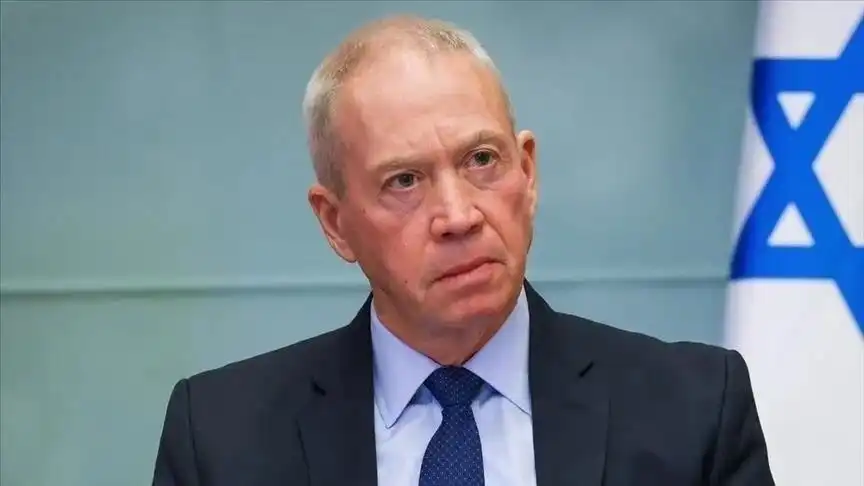
After 10 occupation soldiers were killed and about 20 others were injured a few days ago, Galant described the death of the Israeli soldiers as a difficult day, and stressed that Israel must remain united in order to stand firm. What the site mentioned is accompanied by what several Israeli media outlets announced that the Israeli army is close to ending its ground operation in the Lebanese villages bordering Israel, and that the army informed Netanyahu and his Defense Minister Yoav Galant that the time is right to end the fighting with Hezbollah.

Source: Al Jazeera + Agencies


OPINIONS

Wed 30 Oct 2024 8:40 am - Jerusalem Time

Eliminate UNRWA to Eliminate the Refugee Issue

Hamada Faraana

Hamada Faraana

Opinion Writer

The decision of the colony parliament to draft an arbitrary and tyrannical law that prohibits the work of the United Nations Relief and Works Agency for Palestine Refugees in the occupied territories, and not to deal with it, and to remove it from the law, and to consider it an illegal and unlawful organization, and to brand it as terrorism, has abhorrent fundamental motives that target half of the Palestinian people, and half of their rights, and is a practical attempt to erase the refugee issue, and their right to return to the cities and villages from which they were previously expelled in 1948, and to recover their property from them, in them and on them.

Three essential titles, with three resolutions issued by the United Nations to address the Palestinian issue and the Palestinian-Israeli conflict.

The first is the partition resolution and the two-state solution issued on 11/29/1947.

The second is Resolution 194 of 12/11/1948 on the right of refugees to return.

These are two political decisions that embody the rights of the Palestinians in their country and homeland, even if they are unjust decisions. However, their issuance reflects the balance of power at that time, and reflects the understanding between the United States and the Soviet Union, as they were allies and fought together against the one common enemy: Nazi Germany.

But the Zionist movement was able to implement its expansionist colonial program by declaring the Hebrew Jewish “Israeli State” on 5/15/1948, and the Palestinian people were deprived of implementing the two resolutions, and they were replaced by the third resolution: the resolution to establish the United Nations Relief and Works Agency for Palestine Refugees. When we examine the title and content of Resolution 302 issued on 12/8/1949, we find that the title of the Palestinian issue, instead of being the right to establish its independent state according to Resolution 181, and instead of the return of the refugees who were forcibly expelled and displaced from their country, the issue was transformed from a political issue according to Resolutions 181 and 194, to a humanitarian issue that requires relief and employment for refugees outside their country and outside their homeland, according to Resolution 302.

However, the Palestinian people rose from their poverty and displacement and from their camps in Lebanon, Syria and Jordan, and practiced struggle, made sacrifices and achieved what they were able to achieve as a result of the three stages of struggle that their national movement went through:

1- The birth of the PLO and the outbreak of the Palestinian revolution before 1967.

2- The First Intifada and the important political achievements it achieved through the Oslo Accords, from 1987 to 1993.

3- The second intifada, which forced the colony’s forces to leave the Gaza Strip after removing its bases and dismantling the settlements, from 2000 to 2005.

4- The October 7 operation and its repercussions.

The Knesset decision, which was made based on a recommendation by the Foreign Affairs and Security Committee on 10/13/2024, and was approved on 10/28/2024, aims to erase the refugee issue, erase the title of the United Nations and its agency, and take it out of the context of work to erase half of the Palestinian people, half of their cause, and exploit the unstable situation, with the war, crimes and massacres committed by the occupation forces at all levels and in all directions: killing and destroying the people of the Gaza Strip, killing and destroying the camps of the Palestinian West Bank, killing and destroying the camps of Lebanon, and the people of Jerusalem, the West Bank, and even the Palestinians of the 1948 territories, especially now the people of the Negev, and destroying their villages and homes, with the aim of erasing the Palestinian people, displacing them and killing them gradually and deliberately.

Thus, the battle will be at all levels, against the Palestinian people with all its components.

ARAB AND WORLD

Wed 30 Oct 2024 8:38 am - Jerusalem Time

US State Department: Israeli raid on residential building in northern Gaza 'horrific'

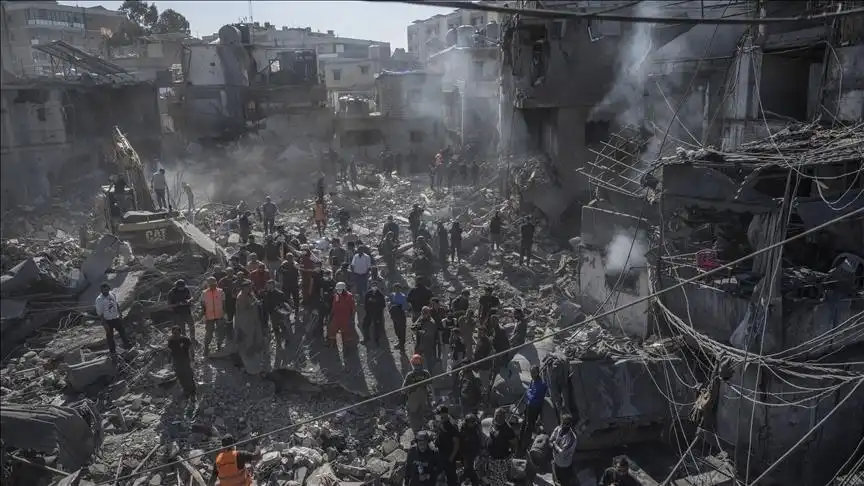
The United States is concerned about the number of people killed in an Israeli attack on a residential building in northern Gaza, State Department spokesman Matthew Miller said Tuesday, describing the attack as a "horrific incident with a horrific outcome."

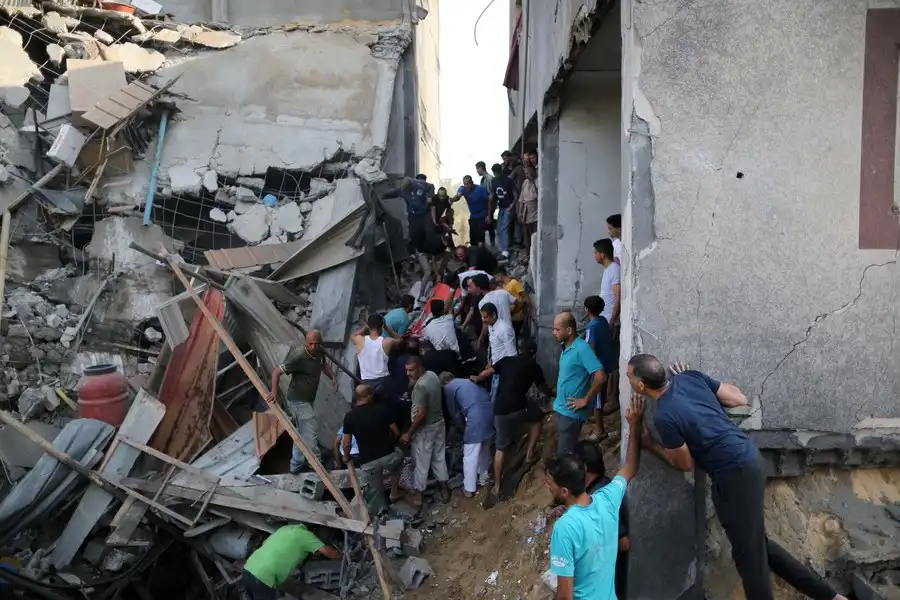
The Hamas-run health ministry in the Gaza Strip said at least 93 Palestinians were killed or missing and dozens were injured in an Israeli airstrike on a residential building in the town of Beit Lahia, north of the Gaza Strip.

Miller, responding to questions from reporters at his daily briefing, said that US officials had contacted the Israeli government to find out what had happened, adding that he could not speak about the total number of dead, but he was aware of reports that many of them were children.

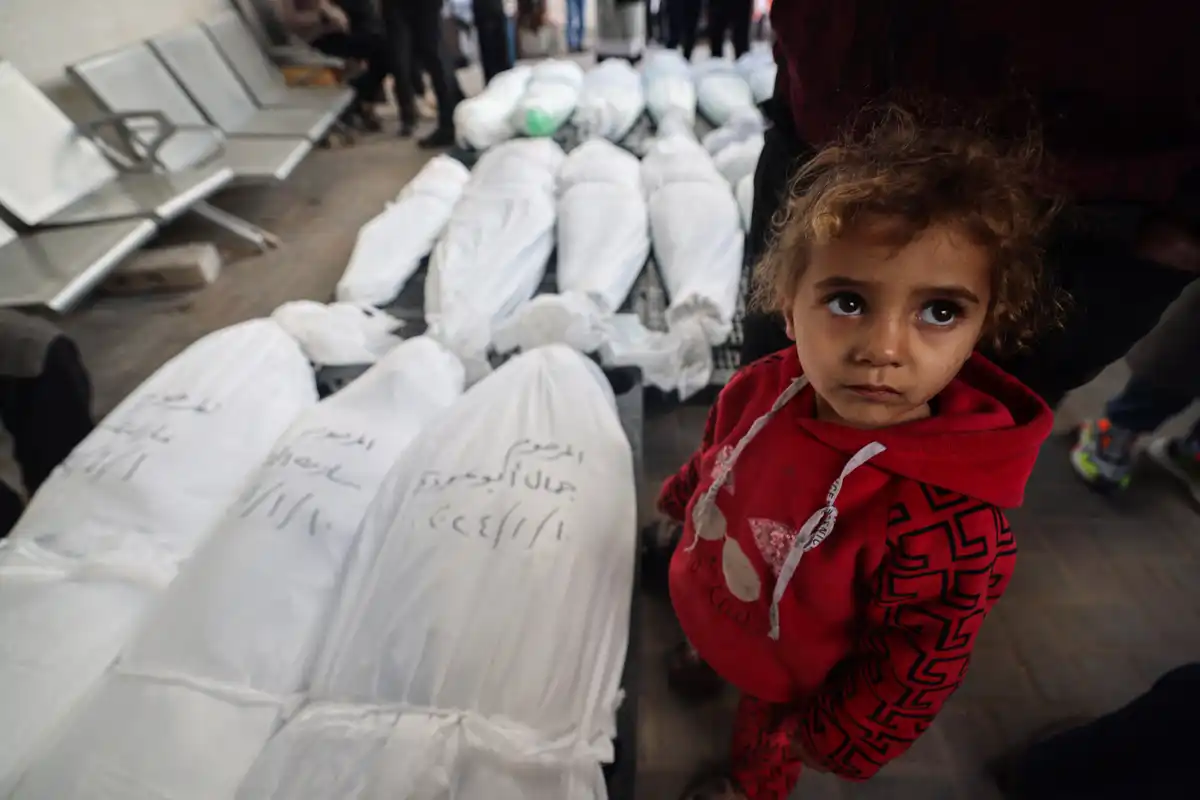
On Tuesday morning, an Israeli bombardment of a residential building in the Beit Lahia project in the northern Gaza Strip resulted in the killing of 93 people and the disappearance of 40 others whose fate is unknown.

Local sources had previously reported that more than 17 children were among the dead. Residents in the area reported that the targeted building contained "more than 100 displaced people", appealing for help for those trapped under the rubble.

In response to a question from the Jerusalem correspondent about how the US State Department classifies what is happening in Gaza, “because it is not really a war, but a slaughter and a massacre” by the simplest standards, Miller said, “The horrific consequences of this war are exactly why we are trying to end it. What I just went through – and I would add to that the suffering that Israel is experiencing, the suffering of the hostages and their families.”

"So we are trying to end the war, for all these reasons, in a way that ensures peace and security for the Israelis and the Palestinians in the future," he added.

According to eyewitnesses, the explosion occurred at night, before sunrise, and bodies, limbs and injured people were scattered from under the rubble.

Miller did not reveal any immediate measures against Israel, but he reiterated the US call for a negotiated end to the war in Gaza.

He considered that the "tragic cost to civilians" in the latest strike "is another reminder of why we need to end this war."

Miller continued, "It has been a year since the Israeli government launched a military campaign in Gaza, and it has succeeded in undermining Hamas's military capabilities and undermining its leadership, and Israel has succeeded in ensuring that Hamas will not be able to repeat the attacks of October 7, 2023, which sparked the war."

Regarding the Israeli Knesset’s decision to ban the United Nations Relief and Works Agency for Palestine Refugees (UNRWA) despite calls from Western countries to refrain from doing so, Miller said: “Let me begin by emphasizing that we are deeply concerned about this legislation. It could lead to the closure of UNRWA operations in the West Bank, in Gaza, and in East Jerusalem,” stressing that “this poses risks to millions of Palestinians who rely on UNRWA for essential services, including health care and primary and secondary education. UNRWA, of course, plays a critical role in providing services to Palestinians in Gaza, the West Bank, and throughout the wider region. Especially in Gaza, UNRWA is playing a role that no one else can do, at least today. It is a key partner in delivering food, water, and other humanitarian assistance to civilians in Gaza who would have no one to get it from if UNRWA disappeared.”

So we have made clear our concerns about this law. We have made clear our opposition to this law. And as the Secretary said in his letter and as I emphasized yesterday, there may be consequences under U.S. law and U.S. policy for implementing this legislation. And we will be working with the Government of Israel in the coming days on how they plan to implement it. We will be watching and seeing if there are legal challenges to the law and if there is any impact from those legal challenges, and then we will make our decisions after considering all of those factors.

But Miller did not answer reporters' questions about the steps the US administration would take if Israel persisted in its intransigence and targeted the agency.

OPINIONS

Wed 30 Oct 2024 8:28 am - Jerusalem Time

The Case for a New Arab Peace Initiative

Foreign Affairs

Foreign Affairs

Opinion Writer


A Focus on Palestinian Rights Must Come Before Negotiations Over a State

By Marwan Muasher


Since the beginning of the war in Gaza, American officials have insisted that the eventual creation of a Palestinian state that would exist side by side with Israel is the only way to end the conflict in the Middle East. “The only real solution to the situation is a two-state solution,” declared President Joe Biden during his March 2024 State of the Union address. In May, National Security Adviser Jake Sullivan said that “a two-state solution is the only way to ensure a strong, secure, Jewish, democratic state of Israel, as well as a future of dignity, security, and prosperity for the Palestinian people.” And throughout her presidential campaign this year, including after a meeting with Israeli Prime Minister Benjamin Netanyahu in July, Vice President Kamala Harris has promoted a two-state solution, describing it as the “only path” forward.

But to many people—especially Palestinians—these calls feel divorced from reality. After suffering years of death and destruction and decades of repression, most Palestinians do not believe that a two-state solution is viable or forthcoming. In fact, polls have suggested that a majority of Palestinians now support armed resistance as the way to end the conflict. It is easy to see why, even without a year of war, they might be disillusioned. The United States has spent decades peddling a two-state solution while supplying Israel with arms, allowing it to expand settlements in the occupied territories, and permitting it to seize more Palestinian land and natural resources. Washington has backed Israel internationally almost no matter what the country does. It has, in other words, consistently ignored the rights of the Palestinian people.

The time has come for a fundamental shift in how the world approaches the Israeli-Palestinian conflict. Rather than focusing on a two-state solution as the be-all and end-all of the dispute, international leaders should focus first on ensuring that Palestinians and Israelis have equal rights. Outside governments should, specifically, pressure both peoples to agree to common rules and principles—leaving the shape of the solution for later. And they should let Arab states lead the way in promoting a rights-based resolution to the conflict. Otherwise, any new push for peace is doomed to fail, as have all negotiations over the last 30 years.

SORDID HISTORY

There was a brief period, in the 1990s and the early years of the 2000s, when the Israelis and the Palestinians might have agreed to the vision of a two-state solution peddled by U.S. officials today. An enormous international effort, led by the United States, got leaders from both Israel and the Palestine Liberation Organization—the coalition internationally recognized as the representative of the Palestinian people—to come together and determine how to divide up their shared land. At meetings across the world, from Camp David to Oslo to Jerusalem, they undertook the hard work of deciding which party would govern which territory and what opportunities their people would have. At one point, the Israelis and the Palestinians even came close to signing a permanent agreement.

But the two sides could not reach a deal. The exact reasons for this failure are contested, but the overarching ones are clear. The United States, under President George H. W. Bush and then President Bill Clinton, continually either encouraged or cajoled the parties toward an agreement without specifying what that endgame entailed. Most notably, neither president stated explicitly that the parties should reach an agreement to end the Israeli occupation. As a result, negotiations frequently turned into open-ended discussions rather than concrete ones about terminating the occupation, which frustrated Palestinians and their supporters.

Arab states tried to make up for Washington’s failure by offering Israel an enticing endgame of their own. In exchange for a sovereign Palestinian state, they would grant Israel a collective peace treaty, collective security guarantees, and a tacit agreement that Arab states would not evict the millions of Palestinian refugees living within their borders. They also promised an end to all territorial claims once Israel withdrew. But these proposals were not enough to sell an agreement.

In the decades since these talks collapsed, a two-state solution has become increasingly improbable. Over the last 20 years, the Israeli government has allowed hundreds of thousands of its citizens to settle in the West Bank and East Jerusalem (the section of the city that is part of the Palestinian territories). Around 750,000 settlers reside in both places, accounting for about 25 percent of their joint population. Israeli leaders have become increasingly vocal about their desire to preserve this occupation indefinitely. Present-day Israeli politicians oscillate between arguing that Gaza and the West Bank are “disputed,” rather than illegally occupied, territories and claiming that they were given to the Jews by God.

A two-state solution seems beyond reach.

The West, led by the United States, could have fought back as Israeli politicians abandoned the peace process that Washington had championed. But other than occasional, toothless critiques, American officials did nothing to stop Israel as settlers continued to encroach on Palestinian lands. Arab states also largely gave up on promoting a solution. For decades, most of them declared they would normalize ties with Israel only if the Israelis gave Palestinians a state of their own—the land-for-peace formula. But in 2020 and 2021, several Arab states established relations with Israel even though Israel had made no meaningful concessions to the Palestinians.

As the prospect of a two-state solution withered, many activists and academics began to promote an alternative: a one-state solution. In it, Israelis and Palestinians would share equal citizenship in a democratic country that extended from the Jordanian border to the Mediterranean Sea. But many Palestinians and Israelis alike have expressed concern about such proposals, worried that it would mark the end of their respective national aspirations. Palestinians fear that agreeing to a one-state solution would mean agreeing to continued rule by the current Israeli state and the subsequent erasure of their identity. Israelis worry that sharing a democratic state with Palestinians would necessarily mark the end of a Jewish one. There are, after all, more Palestinians than Jews in Israel and the occupied territories.

The result is a deadlock. A two-state solution seems beyond reach. But a one-state solution also looks implausible right now. And the two communities are only becoming more rigid and unyielding. Hamas’s October 7, 2023, attack, especially, has radicalized both Israelis and Palestinians, who today trust each other even less than before. In a July vote, for example, the Israeli parliament overwhelmingly voted for a resolution that rejected the establishment of a two-state solution.

LOCAL LEADERSHIP

At first glance, it may seem that the Arab world is not ready to lead a new peace process between the Israelis and the Palestinians. There is no regional leader with the stature of former Saudi Crown Prince Abdullah, who got Arab states to unanimously approve the Arab Peace Initiative of 2002. The Arab Spring, in 2010 to 2011, and the different priorities of the region’s principal powers have led many governments to ignore the conflict altogether.

But although Arab states are weak, they may still be the ones best positioned to offer a new way forward. For over a year, the West has been unwilling or unable to push Israel to make peace. No one government or people has the moral high ground on rights in the Middle East, whether it is Israel, the Palestinians, Arab states, or Western ones. And Arab states have, in some ways, a better track record of coming up with solutions: their 2002 collective peace initiative answered all of Israel’s stated concerns. As divided as the Arab world is today, there is no reason to suggest it cannot come together again.

To begin, however, Arab states must jettison many old ideas. They must, in particular, abandon fealty to a two-state solution. Instead, the Arab world should launch a peace process that focuses first and foremost on securing the rights that Israelis and Palestinians both deserve.

A rights-first plan has multiple advantages over one that is focused on the shape of the solution. But perhaps the biggest is that, unlike two-state or one-state proposals, it is virtually impossible for anyone to justify rejecting it, as long as it is based on universal values. The leaders of Israel’s biggest partners may not be willing to push to make a Palestinian state, but they do agree that Israelis and Palestinians are both entitled to the rights enshrined in the UN Charter. Biden, for example, stated early in his administration that Israelis and Palestinians “deserve equal measures of security, freedom, opportunity and dignity.” Harris declared at the National Democratic Convention in August that she believes Palestinians deserve to realize “their right to dignity, security, freedom and self-determination.” Such leaders would be hard-pressed to turn down a plan premised on promoting exactly that, provided it is shorn of thorny institutional issues.

To advance a rights-based approach, Arab states should draw up a document, which they should then present to the United Nations. It would begin by explicitly recognizing that over seven million Palestinians and seven million Israelis live in areas under Israeli control and that as long as the former have fewer freedoms than the latter, violence between the groups will only grow. It would then note that there is no military solution to their conflict and that the only way to establish a durable peace is to afford both peoples full political, cultural, and human rights.

The initiative would commit both the Israelis and the Palestinians to negotiations sponsored by the United Nations. Those negotiations would be governed by the rules and principles embodied in human rights law, humanitarian law, International Court of Justice opinions, the UN Charter, and UN Security Council resolutions. The two parties would also agree that any final resolution would abide by those same laws and institutions. The document would make it clear that the two peoples are entitled to live in peace with each other and to enjoy the whole spectrum of human rights, including freedom, equality, and self-determination.

This process cannot be open-ended: as part of signing on to the initiative, the parties must agree to conclude negotiations in five years, the first three of which will be dedicated to addressing human rights and equality. During this phase, the Israeli state and the Palestine Liberation Organization will agree to find and void all laws, policies, and practices that are discriminatory or in violation of international law. This process will mean, among other things, putting an end to the construction of settlements in occupied Palestinian territories, as well as preventing Israel from annexing more land.

The initiative will also establish an accountability mechanism, led by the United Nations and other international bodies. Such a mechanism might be a committee of countries—the so-called Middle East road map, a 2003 peace initiative, for example, featured a committee of Russia, the United States, the European Union, and the United Nations. That committee, however, had no enforcement powers. To ensure that negotiations proceed in good faith and that the agreed rules are respected by both parties, this one would have real authority. The mechanism will help ensure that the Israeli and Palestinian negotiators meet agreed-on timelines and act as arbiters in cases in which the parties have conflicting interpretations of international law. It will also offer technical and legal assistance.

Netanyahu is clearly incapable of embracing a rights-based approach.

If the parties fail to reach an agreement within the established time frame, they will refer the conflict to the UN Security Council. If the Security Council fails to secure a deal, the process of determining an agreement will fall to the International Court of Justice. In compliance with the rules of the UN Charter, the parties will agree to follow the court’s decision.

The final two years will be dedicated to determining the shape of the resolution, including whether there will be one state, two states, or something else. It will, ultimately, be up to the Israelis and the Palestinians to determine the answer. But from the outset, the groups must agree that the solution will not mean absorbing Palestinians into the present Israeli state structure or expelling them into Egypt, Jordan, and other Arab countries. Both parties must be able to exercise their right to self-determination, as well as preserve their own cultural and political identity. Similarly, the refugee problem must be solved according to international law. If Jews have the right of return (as they do now), then so must Palestinians. Jerusalem must be an open city, where both sides have equal access to all its parts. Arab states, in turn, will commit to forging collective peace and security agreements with Israel.

Elements of this proposal come from earlier ones, including the Arab Peace Initiative and the Middle East road map. Yet unlike these efforts, this new proposal will not be based on advancing a two-state solution. Instead, it will be centered on advancing the rights and dignity of both communities.

HANDLING THE TRUTH

Accepting and implementing this vision requires new leadership for the Israelis and the Palestinians. For both sides, establishing such leadership will prove tricky. But it is not impossible. Among the Palestinians, there is a person with the stature and community support needed to drive a transformation: Marwan Barghouti. One of the Palestine Liberation Organization’s most prominent officials, Barghouti is now serving multiple life sentences in Israeli prisons for his involvement in the second intifada from 2000 to 2002. As a result of his commitment to Palestinian independence, he is immensely popular among all Palestinian factions. But he backs a peaceful solution with Israel, making him one of the only leaders with both the standing and drive necessary to broker a deal. It is therefore essential that Israel let him out of prison.

The Israelis, however, have a harder path forward. Netanyahu is clearly incapable of embracing a rights-based approach—or any productive approach. The heads of the country’s other major parties are no better. There is simply no large Jewish constituency in Israel that supports equal rights for Palestinians.

So how can Israel be made to accept a rights-based approach? The answer, in short, is international pressure. So far, the United States and its European partners have been happy to stick to the two-state mantra even though they acknowledge that the chances for its realization are slim. They have done so because it is a slogan that requires no tangible action and because Israel made a nominal commitment to it in the past. But these countries cannot continue to tacitly accept the status quo while claiming they support a Palestinian state. As Israel continues to settle the West Bank and violently repress Palestinians, the country’s supporters will have to grant that they are dealing with apartheid rather than a temporary occupation. That is far more difficult to defend. To avoid the moral shame of supporting such a system, the West will eventually have to take a harder line with the Israeli government.

The Zionist project can no longer define the future of Israel.

If the Israelis are forced to accede to a rights-based approach, many Palestinians might still be uncomfortable negotiating with them, worrying that a framework that does not foreground a two-state solution will eventually lead to a single state that dissolves the Palestinian national identity into that of Israel. But they shouldn’t fear. When apartheid collapsed in South Africa in 1994, the country’s Black population did not lose their identities to white South Africans. Neither did white South Africans lose their identity to their Black peers. Instead, the very structure of the state was rebuilt to ensure equal rights within a framework that preserved the cultural identity of both peoples. The same would be true here. There are many ways Israelis and Palestinians can split or share the same territory without one dominating the other, including a binational federation that would preserve each side’s right to self-determination and cultural identity.

What is clear is that attempting to stick to old paradigms will not work. There is, for all intents and purposes, already one state across the land between Jordan and the Mediterranean Sea—a fact that the world must contend with. The Zionist project of establishing a peaceful, democratic, and Jewish state in historic Palestinian lands is collapsing, if it isn’t already dead. In other words, the Zionist project can no longer define the future of Israel. A different project, based on equal rights, has to take its place.

Focusing on the rights of Israelis and Palestinians, not their governments’ dueling claims to sovereignty, will push the communities toward a solution in which both can live in peace and dignity. It is the only viable alternative for both communities. It fits within the framework of two states, one state, or even a federation. And it is the best way to end the carnage and promote security and stability in a tragically tumultuous region.


PALESTINE

Wed 30 Oct 2024 7:43 am - Jerusalem Time

Interview between Al-Qudwa and Olmert on "CNN": A call to stop the war and end the Israeli madness

The British journalist of Iranian origin, Christine Amanpour, gathered on her program on the American "CNN" screen, the former Israeli Prime Minister, Ehud Olmert, and the former Palestinian Foreign Minister, Nasser Al-Qudwa, and asked them about the way out of the war currently raging in Gaza.


For his part, Olmert said that he was happy to come out in a joint intervention with Al-Qudwa, for the benefit of both the Palestinians and the Israelis, and that both parties are suffering horribly because of the war in Gaza, and someone must provide a way out to end the war immediately.


For his part, Al-Qudwa welcomed his appearance with a former Israeli Prime Minister, because what is happening now in Gaza is horrific, and that the war will not lead to any solution, but will take everyone back to square one, with more blood and destruction.


Olmert said during the program that he believes that the war should have stopped 8 months ago, and that Israel achieved what it wanted from the war on Gaza a long time ago, and achieved the goals of the war, and destroyed enough Hamas tunnels, rocket launching bases, and command rooms.


He continued: "But now we are losing more soldiers, and the Palestinians are losing more innocent civilians, and the prisoners will not return if we do not stop the war immediately."


He pointed out that ending the war must be done through a prisoner exchange agreement, withdrawal from Gaza, and establishing a way to manage the sector to ensure that what happened on October 7, 2023 is not repeated.


Olmert asked: "What will we do with six million Palestinians? We have to find a solution, and there is nothing better than the two-state solution, and there is no better plan than what I presented to the President of the Palestinian Authority, Mahmoud Abbas, in 2008."


Commenting on this, Al-Qudwa said that in this terrible stage, everyone is looking for revenge and blood, and the situation is bad, as the occupation destroyed Gaza and is also working in the West Bank, and the Knesset banned UNRWA, and everyone wants to stop the war.


Olmert agreed with what Al-Qudwa said, stressing that aid should not be a tool used in war, and that we must differentiate between aid and UNRWA as an organization whose members were involved in what happened on October 7, 2023.


He stressed that aid, regardless of who provides it, must enter Gaza, and that the Palestinians should not be bargained with for aid, and that what is happening now in Gaza contradicts what the State of Israel believes in.


He said clearly: "Gaza is not part of Israel, and will not be, it must be part of a Palestinian state, and its residents must not be displaced."


Olmert attacked the right-wing government coalition, and accused Prime Minister Benjamin Netanyahu of wanting to occupy Gaza and expel its residents, and is also doing so in the West Bank, considering that the real enemy of Israel is not Iran, nor Hezbollah, nor Hamas, but the "messianic" madness in the government and the coalition led by Netanyahu, who he said is turning a blind eye to what the messianists in his government are doing.


Al-Qudwa concluded by saying that both the Palestinian Authority and Israel need new leadership, in addition to change in Gaza, and that he fully agrees with what Olmert says.


He continued that Abbas did not reject what Olmert proposed in 2008, but he did not agree to it, and this is a different matter, but we must move forward to stop the war, and move towards a political solution that ends with two states, with some land swaps in order to solve the settlement problem, and to discuss how Jerusalem can become the capital of the two states, among other things.


Source: Sama

OPINIONS

Wed 30 Oct 2024 7:37 am - Jerusalem Time

Genocide as Colonial Erasure (w/ Francesca Albanese) | The Chris Hedges Report

CHRIS HEDGES

CHRIS HEDGES

Opinion Writer

Chris Hedges and the United Nations Special Rapporteur on the Occupied Palestinian Territories, Francesca Albanese, discuss her new report for the UN which details the context behind October 7, the increasing hostility in the West Bank and the urgent need for the international community to halt Israel's genocide. 


PALESTINE

Tue 29 Oct 2024 10:27 pm - Jerusalem Time

Car-ramming and shooting operation in occupied Jerusalem

Two people were injured on Tuesday evening in a double ramming and shooting attack in the Armon Netziv area near Jabal Mukaber in occupied Jerusalem.


According to local sources, the operation resulted in the injury of two people, one of whom was in critical condition.

The sources added that the occupation police began investigating the circumstances of the accident, to verify whether it was a traffic accident or a planned operation, and that the driver was neutralized by mistake.


ARAB AND WORLD

Tue 29 Oct 2024 10:17 pm - Jerusalem Time

Israel warns Iran against attacking it again

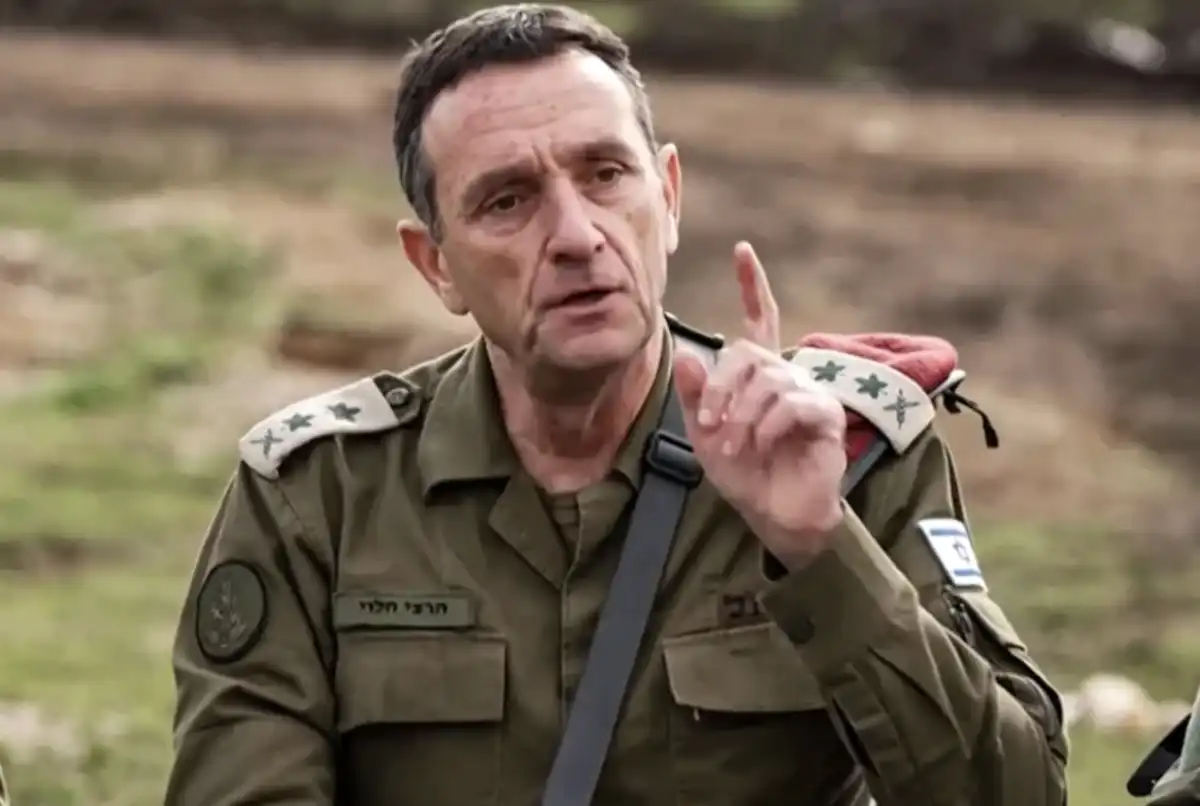
Israeli Chief of Staff Herzi Halevi warned Iran against responding to the airstrikes launched by Israel on Saturday morning.


"If Iran makes the mistake of launching another missile barrage at Israel, we will again know how to reach Iran, with capabilities we have not used until this time," Halevi said in a speech Tuesday to air and ground force personnel who took part in the strike.


Last Saturday morning, Israel launched air strikes on military sites in Tehran and other Iranian cities.


Tehran admitted that 4 soldiers and one civilian were killed in the Israeli raids, which it said its air defenses successfully confronted.


Saturday's strikes came in response to a major missile attack launched by Iran in early October on military bases in Israel in retaliation for the assassination of Hamas leader Ismail Haniyeh in Tehran in late July.


Earlier, Washington warned Iran against launching a new attack on Israel.


But Iran informed the United Nations of its intention to respond to the Israeli strikes based on its legitimate right to preserve its sovereignty in accordance with international laws.


Iranian President Masoud Pezeshkian vowed to respond to the Israeli attack.

ARAB AND WORLD

Tue 29 Oct 2024 9:27 pm - Jerusalem Time

The death toll of the Israeli aggression on Lebanon rises to 2,792

The Lebanese Ministry of Health announced, on Tuesday evening, that the death toll from the ongoing Israeli aggression on Lebanon since October 8, 2023, has risen to "two thousand and 792 dead and 12 thousand and 772 wounded."


The ministry said in a statement, "The Israeli enemy's raids on Lebanon yesterday, Monday, resulted in 82 martyrs and 180 wounded."


With these dead and wounded, according to the ministry, the number of victims has risen to "2,792 dead and 12,772 wounded since the beginning of the Israeli aggression."

PALESTINE

Tue 29 Oct 2024 9:11 pm - Jerusalem Time

Guterres sends letter of protest to Netanyahu after UNRWA ban

UN Secretary-General Antonio Guterres wrote to Israeli Prime Minister Benjamin Netanyahu on Tuesday to protest Israel's ban on the UN Relief and Works Agency for Palestine Refugees (UNRWA), which is essential for providing aid in Gaza, his spokesman said, according to Agence France-Presse.


"The law as we understand it gives 90 days before it comes into effect. We are in contact with the Israeli authorities," said Stephane Dujarric.


The spokesman continued: "The Secretary-General (...) sent a letter hours ago to the Israeli Prime Minister to emphasize his concerns and the issues that the law raises with regard to international law." Guterres also expressed his hope that the law, which was passed by the Israeli parliament on Monday, "will not be implemented."


For his part, an official at the United Nations Relief and Works Agency for Palestine Refugees (UNRWA) confirmed today that the UN organization is “indispensable” because its activities help keep the residents of the war-ravaged Gaza Strip “alive.”


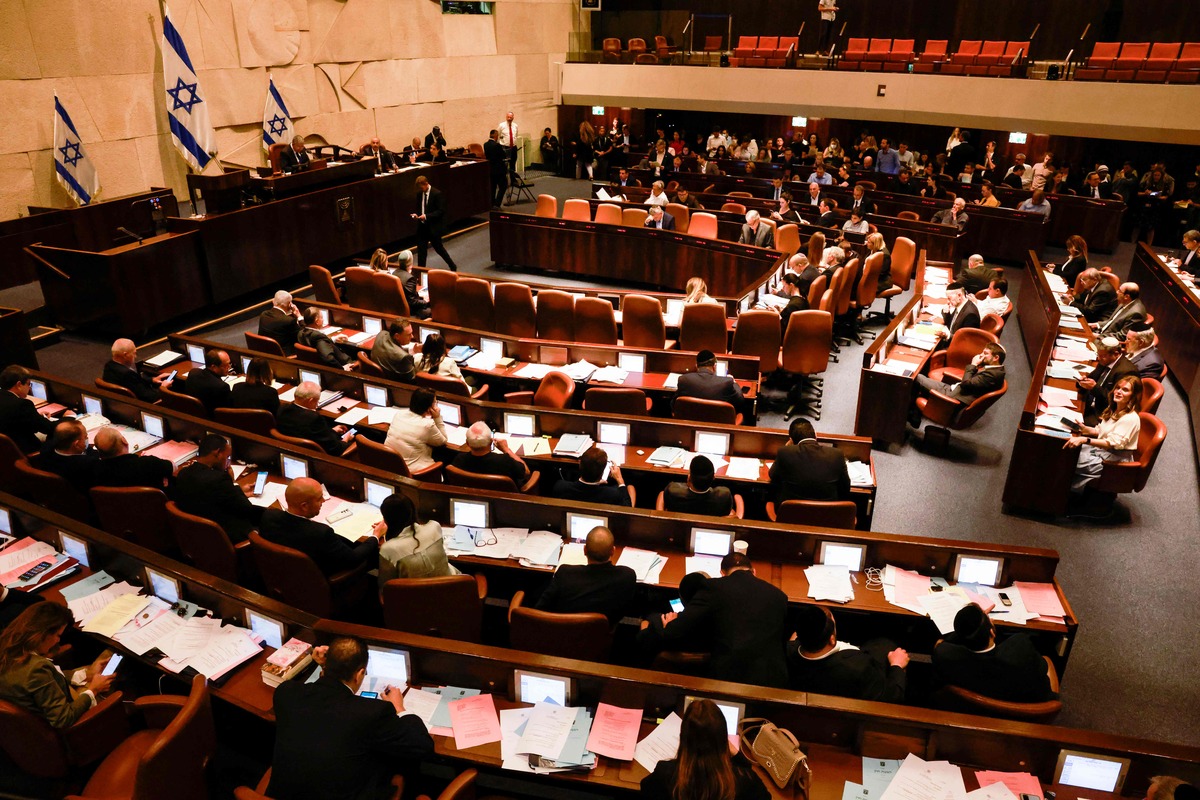
On Monday, the Israeli parliament passed a law banning UNRWA from operating in Israel and occupied East Jerusalem, despite US objections. The bill was approved by a vote of 92 to 10.


UNRWA has been providing vital aid to the Palestinians for more than seven decades, and has denounced this “scandalous” measure against it.

PALESTINE

Tue 29 Oct 2024 8:32 pm - Jerusalem Time

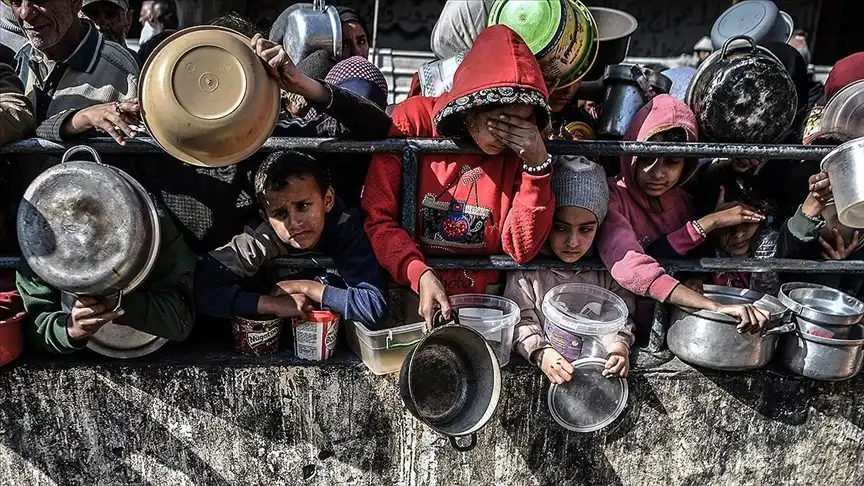
WFP warns of worsening humanitarian crisis in Gaza into famine

The World Food Programme called on Tuesday for immediate action to avert famine in the Gaza Strip, warning that the humanitarian crisis there could soon worsen as a result of what it described as severe restrictions on the flow of aid.


"As the situation in northern Gaza continues to deteriorate, the likelihood of a larger group being affected by famine will certainly increase unless conditions on the ground improve," the World Food Programme added in a statement.


He said he had about 94,000 tons of food ready in Egypt and Jordan, enough to feed a million people for four months, but he could not get it into Gaza because too few entry points were open and some were not safe enough.


Since Israel occupied the Rafah crossing last May, more than a year after the start of its aggression on Gaza, all roads leading to the Strip have been under its control.


The World Food Programme said that "the restrictions imposed on humanitarian aid coming into Gaza are severe, and that only five thousand tons have entered the Strip this month."


He added that approval of trucks and truck drivers and delays at checkpoints are among other constraints that need to be addressed to improve the flow of aid to the sector.

ARAB AND WORLD

Tue 29 Oct 2024 8:10 pm - Jerusalem Time

Macron: Nothing Justifies Civilian Death Toll in Gaza, War Must Stop

French President Emmanuel Macron said on Tuesday that nothing justifies the civilian death toll in the Gaza Strip, stressing the need to stop the war.


This came in a speech by Macron before members of the Moroccan parliament in both chambers (representatives and advisors), commenting on the genocide that Israel has been committing for more than a year against the Palestinians in the Gaza Strip.


Macron began a three-day official visit to Morocco on Monday, during which he attended the signing of bilateral agreements with King Mohammed VI.


Macron said: "The Middle East is living in a maze... and nothing justifies this high death toll in Gaza among civilians."


He continued: "Therefore, the ceasefire in Gaza must be stopped, and we have been calling for this since last November, in order to free the (Israeli) hostages, protect the population, and allow humanitarian aid to reach the Gaza Strip."


He added: "In Lebanon, there must be a ceasefire and a ceasefire for military operations as well, and we are working on that in cooperation with our American partners and others."


Macron added: "According to our vision of the development of events, I requested a halt to military exports in order to stop the war in Lebanon and Gaza."


He considered that "France supports the Palestinians, Lebanese and Israelis obtaining their security to live in peace, and for all the displaced to return to live in their homes."

PALESTINE

Tue 29 Oct 2024 7:55 pm - Jerusalem Time

Director of Kamal Adwan Hospital in Gaza: The health system is collapsing and the wounded are dying

Director of Kamal Adwan Hospital in the northern Gaza Strip, Hussam Abu Safiya, announced on Tuesday that the health system in the region has completely collapsed, and that those who arrive at the hospital from the wounded from the Israeli raids die due to the lack of capabilities.


Abu Safiya said, "There are international delegations present in the southern Gaza Strip or abroad. We want the entire world to pressure Israel urgently to get these delegations and medical teams, especially surgical ones, to northern Gaza with medical supplies before it is too late."


He added that the health system has completely collapsed in northern Gaza, and that the wounded who arrive at the hospital die in light of the difficult reality that the health sector is going through.


He called for the necessity of bringing in ambulances and fuel, after the Israeli army destroyed several vehicles and put them out of service, noting that there are no ambulances in the northern Gaza Strip.


He added that there is no means of transporting the injured, and the injured who reach us either come themselves or are transported by citizens, and during this journey their blood runs out and they die.


The director of Kamal Adwan Hospital stressed that Israel is committing crimes of cleansing and genocide in northern Gaza against the residents and the health system.


He pointed out that there is only one doctor left in Kamal Adwan Hospital, and he cannot provide any surgical services to the injured.


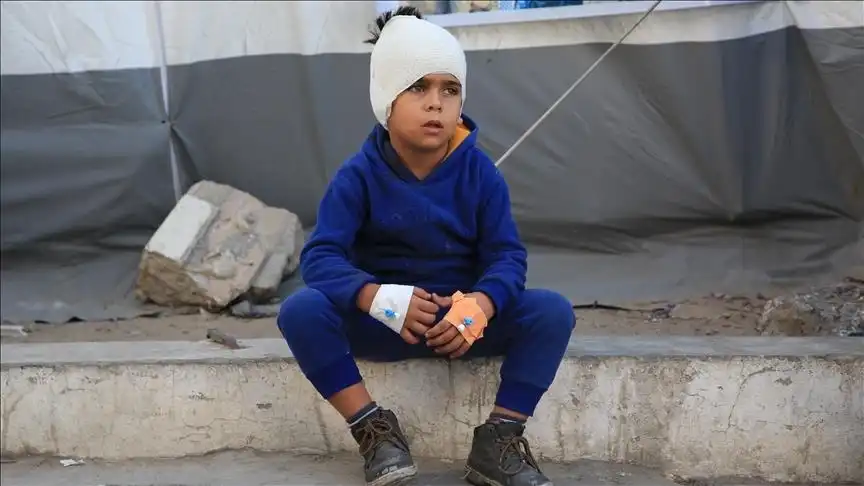
He said we have a case of a child who needs an abdominal exploration to stop the bleeding, and this requires a surgeon who is not available. There are also children whose bones have come out of their bodies and they need orthopedic surgery, and there are brain injuries that require neurologists.


Abu Safiya described the situation as catastrophic in every sense of the word, with the wounded dying in the streets because they were not transported to hospitals and because of the lack of supplies and medical personnel.


He added that there are more than 150 wounded in Kamal Adwan Hospital, and we cannot provide them with anything except first aid, warning that one wounded person will be lost every hour due to the lack of doctors and medical staff.


Earlier on Tuesday, Israeli aircraft targeted a house belonging to the Abu Nasr family in the Beit Lahia project area, which consisted of several floors and was inhabited by 200 people.


The government media office in Gaza said in a statement that the occupation army is committing a terrible massacre by bombing a residential building in Beit Lahia, in which there are more than 200 civilians, 93 of whom were martyred, more than 40 are missing and dozens of injuries.


The office added that the occupation army knew that the residential building contained dozens of displaced civilians, and that the majority of them were children and women who had been displaced from their civilian residential neighborhoods.

ARAB AND WORLD

Tue 29 Oct 2024 6:58 pm - Jerusalem Time

Galant: Hezbollah has only 20% of its missile capabilities left

Israeli Defense Minister Yoav Galant revealed today (Tuesday) that Hezbollah now only retains about 20 percent of the missile and shell capabilities it had before the war.


"I estimate that the remaining capacity of rockets and missiles is about 20 percent, and it is not organized in the way it was before, which allowed Hezbollah to fire large bursts of fire," Galant said during a visit to the IDF's Northern Command base in Safed.


Galant added: "There is a deep connection between our strike on Iran and what is happening to Hezbollah. Iran realizes that Hezbollah does not have the ability to respond, and Hezbollah realizes that it cannot rely on Iran."


The minister stressed that the Israeli ground operations in southern Lebanon aim to dismantle Hezbollah's infrastructure and return the residents of northern Israel to their homes.


He continued: "The Israeli army is achieving great accomplishments in Lebanon. We have succeeded in eliminating the chain of command and control of the party."


PALESTINE

Tue 29 Oct 2024 6:13 pm - Jerusalem Time

12,000 Israeli soldiers injured during the aggression on Gaza and Lebanon

Figures from the Israeli Occupation Army's Rehabilitation Department revealed that 12,000 soldiers have received treatment in its units since the beginning of the aggression on the Gaza Strip, and then on Lebanon, two-thirds of whom are reserve forces, which is much higher than the official figures published by the Israeli army.

The Rehabilitation Administration expects the number of disabled Israeli soldiers to rise to 100,000 by 2030.


Figures published by the Israeli newspaper Haaretz show that 500 soldiers register with the department every month for treatment. They also show that 43% of the wounded received treatment for psychological trauma they suffered due to the war, and that about 1,500 of the wounded were wounded twice in battle.


These numbers are almost two and a half times higher than the number of injuries published by the Israeli occupation army on its website.


The Israeli army indicated in its latest statistics on its website today that 772 people were killed and 5,184 wounded since the beginning of the aggression, but it only spoke about about 300 soldiers currently being treated in hospitals.


It is noted from the official Israeli army figures that they do not address the number of psychological injuries, although they often practically neutralize the injured person and prevent him from rejoining his unit, or at least reduce his combat effectiveness.


Since October 8, 2023, the Israeli army, with American support, has been waging a large-scale aggression on the Gaza Strip, which has so far resulted in the martyrdom of about 43,000 Palestinians, in addition to more than 100,000 wounded and about 10,000 missing. The aggression expanded last month to Lebanon, where it resulted in the martyrdom of about 2,800 and the injury of 13,000.

ARAB AND WORLD

Tue 29 Oct 2024 5:59 pm - Jerusalem Time

Austin discusses with Galant prospects for de-escalation in Israel's war on Gaza and Lebanon

The US Department of Defense, the Pentagon, said in a statement on Monday that US Defense Secretary Lloyd Austin discussed Israeli operations and opportunities for regional de-escalation with his Israeli counterpart, Yoav Galant, in a phone call on Monday.


Austin, according to the statement, stressed the United States' commitment to diplomatic arrangements in Lebanon that allow Lebanese and Israeli civilians to safely return to their homes on both sides of the border, as well as the release of hostages and a ceasefire in Gaza.


He stressed the United States' continued strong commitment to defending Israel, and noted that U.S. forces are well positioned to defend U.S. citizens, allies, and partners against attacks from Iran and its proxies.


The call comes at a time when Israel is intensifying its raids on southern Lebanon and the Gaza Strip, where at least 43,000 people have been killed, most of them women and children, according to statistics from the Ministry of Health in the Strip, while the death toll in Lebanon has exceeded 2,750, and more than 12,600 others have been injured, according to official Lebanese data.


It is noteworthy that out of 251 people who were detained and taken to Gaza in the attack of October 7, 2023, 97 are still being held in Gaza, including 34 who the army says have died.


Austin's call with his Israeli counterpart came at a time when relations between him (Galant) and Israeli Prime Minister Benjamin Netanyahu are witnessing new tensions over disagreements over the management of the war, according to Hebrew and international media. The Israeli Defense Minister considered in a letter to a number of political and security officials, including the prime ministers, the chiefs of staff, the Mossad, and the Shin Bet, that "the war is being managed without a compass," and that it is necessary to update its objectives.


The letter, excerpts of which were published by Haaretz, stated that “the current situation in which we are acting without a clear compass and without updating the war’s objectives, harms the management of the battle and the cabinet’s decisions. The major developments in the war, especially the exchange of direct strikes between Israel and Iran, increase the need to hold a discussion and update the war’s objectives with a comprehensive view of the various arenas and the interconnectedness between them.”

ARAB AND WORLD

Tue 29 Oct 2024 5:42 pm - Jerusalem Time

Security Council session on the situation in the Middle East, including the Palestinian issue

The UN Security Council held a session on Tuesday on the situation in the Middle East, including the Palestinian issue.


The session witnessed open discussions on the recent developments in the Palestinian territories and the ongoing challenges resulting from the military escalation, the humanitarian situation in Gaza, and the impact of increasing colonial policies on the lives of Palestinians in the West Bank, including Jerusalem.


Wennesland: We are witnessing a horrific humanitarian nightmare in Gaza


At the session, the Special Coordinator for the Middle East Peace Process, Tor Wenneslund, said that we have entered the second year of a horrific conflict, and the region is on the brink of another dangerous escalation. Violence in the Palestinian territories and the region as a whole continues. Yesterday, Israeli forces in Gaza struck a building in Beit Lahia, killing at least 90 Palestinians, including at least 25 children. This strike is another episode in the series of bloody violence in Gaza.


He added that we are witnessing a horrific humanitarian nightmare, which is developing at a speed that prevents us from reaching a sustainable settlement, noting that during his presence in Gaza, he saw beyond imagination the extent of the great destruction caused by the war on the population, from the destruction of residential buildings, roads, hospitals and schools, and the thousands who live in camps with no place to go to as winter approaches.


He pointed out that he spoke to colleagues in the United Nations and humanitarian partners about the growing challenges, and they described the dire humanitarian situation in northern Gaza, which has not received any humanitarian assistance since the beginning of the war. He continued: I listened to Palestinian NGOs, and their demands were clear: the war must end immediately, civilians must be protected and assisted, and a political solution must be found to end this conflict.


“We are in the most dangerous phase in the Middle East in decades, and each of us must make efforts to de-escalate the region and create a path towards peace, stability and an immediate ceasefire,” he said, calling on all parties to engage constructively in urgent diplomatic efforts to de-escalate and avoid a vicious cycle of death and destruction. “UNRWA’s work must not be allowed to stop and be undermined.”


Swiss Representative: Israeli Knesset Decision Against UNRWA Violates International Law


In turn, the Swiss representative called for respect for international law, allowing humanitarian aid to reach and stopping the violation of international law, which is unacceptable, calling on all parties to respect the decisions of this Council, implement our decisions and rise to the occasion.


He considered the decision against UNRWA by the Israeli Knesset to be in violation of international law and to threaten humanitarian aid in the face of indescribable suffering, stressing that his country will continue to help civilians, calling for reaching a real solution and a ceasefire, putting an end to the spread of violence and destruction, and working together to find a political solution.


US Representative: We Reject Starving Citizens in Gaza, Israel Must Allow Aid to Enter


In turn, the Permanent Representative of the United States of America to the Security Council said that her country rejects the starvation of the population in Gaza, and that Israel must allow the entry of aid and protect workers in this framework.


She also expressed concern over the Knesset's decision to stop UNRWA's work, calling on the Israeli government to release the Palestinian Authority's revenues and work towards a political settlement to find a future for both parties.

PALESTINE

Tue 29 Oct 2024 5:25 pm - Jerusalem Time

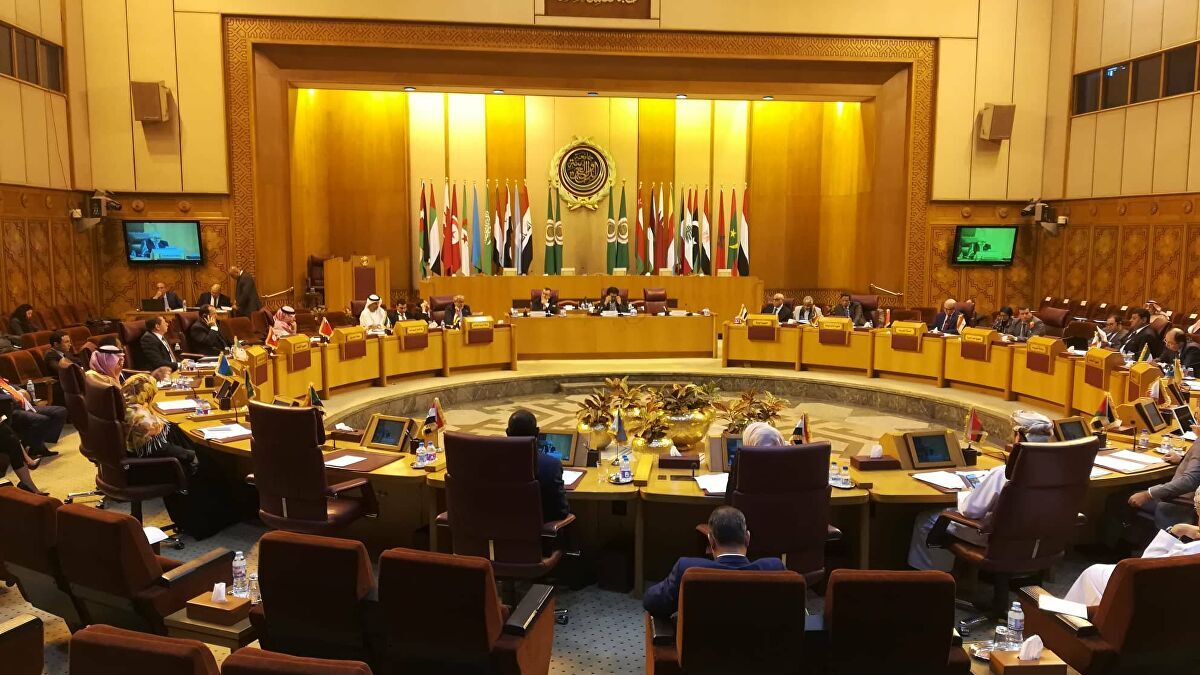
Jordan calls for emergency meeting of Arab League

The Hashemite Kingdom of Jordan called today for an emergency meeting of the League of Arab States at the level of permanent delegates to discuss a joint Arab response to the dangerous illegal laws passed by the Israeli Knesset that ban the activities of the United Nations Relief and Works Agency for Palestine Refugees (UNRWA) in the occupied Palestinian territory, including East Jerusalem, and to discuss the steps necessary to take a unified Arab position rejecting these invalid Israeli laws and measures, and to mobilize international support to confront and invalidate them.


The official spokesman for the ministry, Ambassador Dr. Sufian Al-Qudah, said that the Jordanian ambassador in Cairo and the permanent representative to the Arab League were directed to address the General Secretariat of the League to hold an emergency meeting of the Council of the Arab League at the level of permanent representatives as soon as possible to discuss the mechanism of joint Arab action to confront these illegal laws.


Ambassador Al-Qudah stressed that this step comes within a series of measures and communications undertaken by the Kingdom and coordination with Arab brothers to confront the aggressive Israeli practices against the brotherly Palestinian people, warning of the disastrous consequences of the continuation of the campaign of false Israeli allegations and measures aimed at politically assassinating UNRWA and obstructing its efforts to provide its basic services and humanitarian aid to the Palestinians in light of the unprecedented catastrophe caused by the Israeli aggression on Gaza and the escalating measures in the West Bank and East Jerusalem.


The official spokesman also stressed Jordan's continued coordination with its Arab brothers to take all steps and measures to ensure the provision of protection to the brotherly Palestinian people, the United Nations organizations and relief agencies, especially UNRWA, which plays an indispensable and irreplaceable role.


The Ministry issued a statement yesterday condemning the Israeli Knesset's approval of draft laws banning UNRWA's activities in the occupied Palestinian territory, including East Jerusalem.

PALESTINE

Tue 29 Oct 2024 5:12 pm - Jerusalem Time

West Bank: Israeli settlers steal olives in Salfit

Today, Tuesday, settlers stole olive crops from citizen Ayser Shamlawi from the village of Haris, west of Salfit.


According to local sources, a group of settlers stole olives from his land in the "Qibli Mountain" and olive-picking equipment, threw stones at him and tried to assault him.

PALESTINE

Tue 29 Oct 2024 4:45 pm - Jerusalem Time

Israeli Knesset Committee Approves Law to Deport Family Members of "Perpetrators"

The Israeli Knesset Committee approved the law to deport family members of "operation perpetrators" and referred it to the General Assembly in preparation for voting on it in the second and third readings.


According to the bill, the so-called Israeli Minister of the Interior can order the expulsion of a family member of the perpetrator of an operation if he had prior knowledge of his plan to carry out this operation, or expressed identification with the operation, or published praise for him, or admiration or encouragement for this action.


The bill stipulates that deportation outside Israel and the Palestinian territories occupied in 1967 will be for a period of seven years if the perpetrator of the operation is a citizen of Israel, and for ten years if he is a resident of the territories occupied in 1967.

OPINIONS

Tue 29 Oct 2024 4:22 pm - Jerusalem Time

The heated presidential race to the White House 2024

Christine Hanna Nasr

Christine Hanna Nasr

Opinion Writer


I do not want to recount the history of the parties in the United States of America, but I would like to clarify and analyze what the presidential election race has reached recently, that is, what is related to the events of the last week before the elections are held and the final results are announced between the Democrats and Republicans and in the final stages of the competition between them.


About two years ago, former President Donald Trump announced his intention to run for the 2024 presidential election. This comparison in terms of time is matched by the announcement of candidate Kamala Harris of her candidacy a while later to run in the election rally. Two years ago, Trump worked with a focus on his election campaign, specifically in the Arab-American community and in its entirety, especially since Muslims and Christians among them supported the Democratic Party in the previous presidential elections. This campaign is supported by businessman Massad Boulos; the father of Michael Massad Boulos, the husband of his daughter Tiffany, who is of Lebanese origin. It is known that his cousin Michael is the heir to the Nigerian Boulos Enterprises group, which is valued at billions of dollars and works in distributing bicycles. Therefore, Michael's father is the one leading the important file in Trump's campaign. Trump made it clear that his cousin Michael's father succeeded brilliantly in that electoral file, especially in the state of Michigan, specifically the Islamic community, which now supports Trump.


According to American public opinion polls, the scales are tipped in Trump's favor in the swing states. The question is, how did Trump succeed in winning these swing states? The first reason is the social problem in America, especially candidate Harris' support for the issue of changing gender for those under 18 years old in schools without taking permission or opinion from parents, and working to give hormones to help in this process, followed by changing the gender and then the names of these transsexuals, and this is rumored to have happened with Elon Musk's son in California, who turned into a female, without his father's knowledge, which prompted his father, Elon Musk, to move from California to another state that does not adopt the gender transition law in schools, and thus joined the campaign to support Trump, and most importantly, the Arab community in America also rejects this law and practice and thus supports and stands with Trump against candidate Harris, who lost the entire Arab community with all its spectra and ethnicities, and on the other hand, Trump promised the Arab community, especially the Lebanese, that he would make efforts to bring peace and security and stop the war raging today in the Middle East, which apparently will escalate and expand into a regional war if candidate Harris wins the electoral race, according to Trump's speeches.


In his speeches and election tours, Trump praises the Arab community, especially the Lebanese, in America, noting that they are distinguished and economically successful in their businesses and investments in America, promising them to resolve the ongoing conflict and work to establish peace, especially since the peoples and societies there in our region are suffering from the long war. Trump added in his speeches that he will make America great again, America strong and better, and most importantly, stop the flow of immigrants from Latin American countries to America, accusing Harris and the Democrats of having contributed to the entry and flow of immigrants to America, including about 21 million Venezuelan terrorist prisoners who entered the American borders in favor of voting for candidate Harris, which worsened the security situation and spread chaos in some states, such as the state of Louisiana, which suffers from chaos due to the increase in illegal immigration. These immigrants break into homes and enter citizens’ homes, exposing their owners to danger and their homes to destruction and setting them on fire, which resulted in clashes between American security and these immigrants in some states such as the suburbs of New York.


Trump wants to settle the issue of illegal immigrants, especially terrorists, and other files in American domestic affairs include the issue of health and food. Trump wants to impose restrictions and prevent the use of processed foods and food additives in food-producing states, announcing his desire in the future to hand over the food and health file to former candidate Kennedy if Trump wins the presidency, based on an alliance that took place between them. Other problems and files include the issue of inflation and improving the economic situation, as Trump promised that he would succeed in this file, especially since he succeeded in that during his term when he was a former president, and he will try to reduce the price of oil, which will lead to a decrease in prices for the American people and globally.


The most prominent and important issue today is the raging conflict in the Middle East in Gaza and Lebanon, as well as the conflict with Iran, which is currently raging and tense. Regarding the issue and file of Iran, he stated that his position will be clear and known, but he cannot express it now since he is not the president currently. However, he announced that he has strong ideas, and when he was asked before the Israeli strike on Iran, what would you do if you were President of the United States? He stated without hesitation that he would strike the Iranian nuclear reactor. Previously, when he was President of the United States, he stopped negotiations with Iran on the nuclear file, and also withheld funds related to this file, while the Democrats, specifically during the Biden presidency, worked to lift the freeze on Iranian funds and negotiations were held about them. Trump also stated that he will eliminate the bad guys in the region, and that he wants peace to prevail in the Middle East, and he also wants to work on conducting negotiations between all the conflicting parties. On the other hand, he has a strong relationship with Netanyahu and the Jewish community in America, which supports his election campaign financially.


I expect that he will have a fair position for everyone, considering that his goal is peace in the Middle East, and most importantly, that the new Middle East will be based on peace and economic recovery, even after these wars that have lasted for decades in the region, especially the Arab region, which is witnessing an economic decline. However, Trump’s project, which he proposed with Kushner, did not succeed previously, and he did not win the previous presidency either, as the situation deteriorated and the Gaza war broke out, and matters worsened later, and with the situation we are currently living in, with fears of the situation worsening into a regional war.


I believe that if Trump wins and reaches the White House after these raging wars, he will play a role in stopping the war and seeking to resolve the crisis. His victory will contribute to solving the economic problems in America, which will be reflected on the whole world, given that his goal is to reduce global oil prices, which will lead to lower prices for citizens. I hope that he achieves his goals, the most important of which is spreading peace in the Middle East, especially the Palestinian conflict with Israel, which if this file is not resolved, there will be no peace in the Middle East. It is clear based on the results of the polls that Trump has won so far, with 47% of the votes of the participants compared to 45% of the votes of the participants for Harris, but the result remains incomplete and there may be other changes as long as the electoral race is still ongoing.

PALESTINE

Tue 29 Oct 2024 4:06 pm - Jerusalem Time

Five dead and dozens of injuries in Israeli bombing of Gaza City

At least five citizens were killed and more than 20 others were injured in an Israeli bombardment of Gaza City on Tuesday evening.


Local sources confirmed that the Israeli occupation forces' warplanes launched two raids on the Al-Sahaba market in the Al-Daraj neighborhood east of Gaza City, which is crowded with vendors and shoppers, leading to the deaths of at least five citizens and the injury of more than twenty, all of whom were transferred to hospitals.


According to the latest statistics, the death toll in the Gaza Strip has risen to 43,061 dead, most of them children and women, since the start of the Israeli aggression on October 7, 2023, while the number of injuries has risen to 101,223, in addition to thousands of victims under the rubble, amid the deterioration of the humanitarian situation in the besieged Strip.


PALESTINE

Tue 29 Oct 2024 4:00 pm - Jerusalem Time

UNRWA: We work under a UN mandate and will continue humanitarian work without interruption

Adnan Abu Hasna, spokesman for the United Nations Relief and Works Agency for Palestine Refugees (UNRWA), confirmed that “the agency operates under a mandate from the United Nations that is renewed every 3 years, and will not receive a mandate from Israel because it is not affiliated with it and does not operate under its orders, so the agency will continue its work and will not stop.”


According to the official website of UNRWA, Abu Hasna said in a statement published on the official website of the agency on Tuesday that one of the reasons that prompted Israel to suspend the agency’s work in East Jerusalem is that “it believes that by liquidating the agency, the Palestinian refugee issue will be liquidated, as well as the political solution and the two-state solution, which is what its officials have stated,” noting that UNRWA is a lifeline for Palestinian refugees, and the Israeli decision will have disastrous consequences for the Palestinians in the West Bank and Gaza.


He explained that Israel has a long history of contradictions and hidden hostility with the agency, but today the issue has become more serious and dangerous and has become involved in a legislative issue for the first time since the agency was established. The Israeli government has also tried in recent months to replace UNRWA with some small organizations, while the agency has more than 30,000 employees in the Middle East, including 13,000 in Gaza.


He pointed out that UNRWA is an element of security and stability in the region and operates in 5 countries, and the system will be affected in the event of its absence because there is no alternative to it, stressing that in the concept of regional security and stability linked to humanitarian operations, the absence of the agency will have a serious impact.


It is noteworthy that the Israeli Knesset had approved a law yesterday evening, Monday, preventing the United Nations Relief and Works Agency for Palestine Refugees (UNRWA) from operating inside Israel.

PALESTINE

Tue 29 Oct 2024 3:29 pm - Jerusalem Time

Israeli army: Officer and 3 soldiers killed in Gaza Strip battles

The Israeli army revealed the killing of 4 soldiers, including an officer, in Jabalia, north of the Gaza Strip, which has been subjected to a campaign of genocide and ethnic cleansing for about a month.


The Israeli military said that Officer Yehonatan Johnny Keren, 22, and Sergeants Nissim Meital, 20, Aviv Gilboa, 21, and Naor Haimov, 22, all from Unit 888, were killed in a battle in the northern Gaza Strip.


The Israeli army said in a statement that an officer from the same unit was also seriously injured in the same battle.


Israeli media quoted the army as confirming that the four soldiers were killed as a result of an explosive device exploding inside a building in Jabalia, in the northern Gaza Strip.


All of the dead and wounded belonged to a commando unit, known as the "Multi-Dimensional Unit", or the "Ghost Unit", an elite unit in the Israeli army that operates in difficult environments and on all battlefronts.


According to Israeli army data, the number of soldiers killed since the beginning of the war on October 7, 2023 has risen to 776, including 365 in the ground battles that began on the 27th of the same month.