OPINIONS

Fri 01 Nov 2024 9:17 am - Jerusalem Time

Hamas after Sinwar.. Is it time for major transformations?

Alaa Kanaan

Alaa Kanaan

Opinion Writer

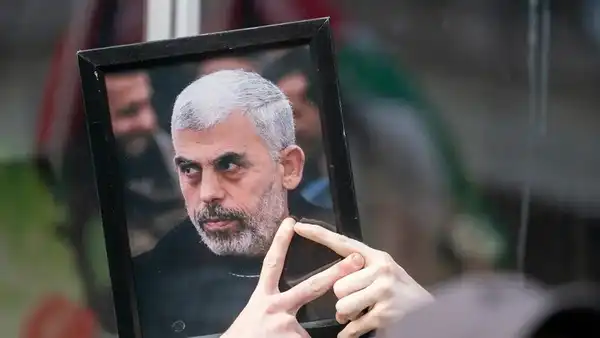
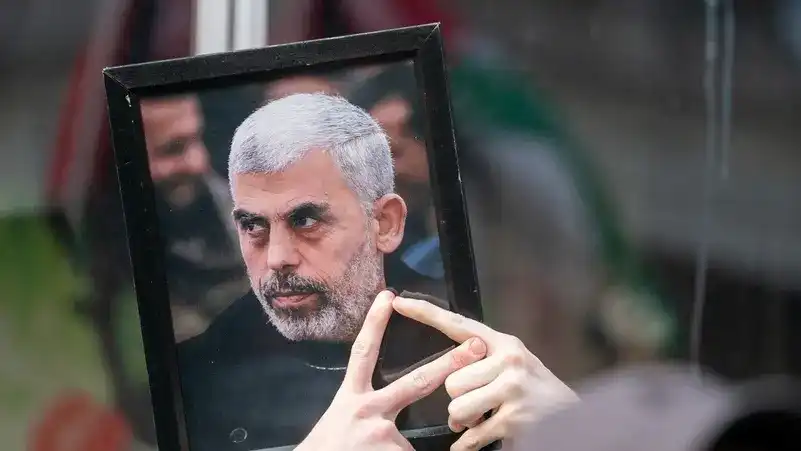
Since the assassination of Yahya Sinwar, the leader of Hamas, the movement has entered a historic turning point that will determine its future for years to come, as Sinwar is considered one of its most steadfast and influential leaders. Sinwar was not only a military leader, but also a pivotal figure in negotiation and peace decisions, and the source of authority within the movement in Gaza.


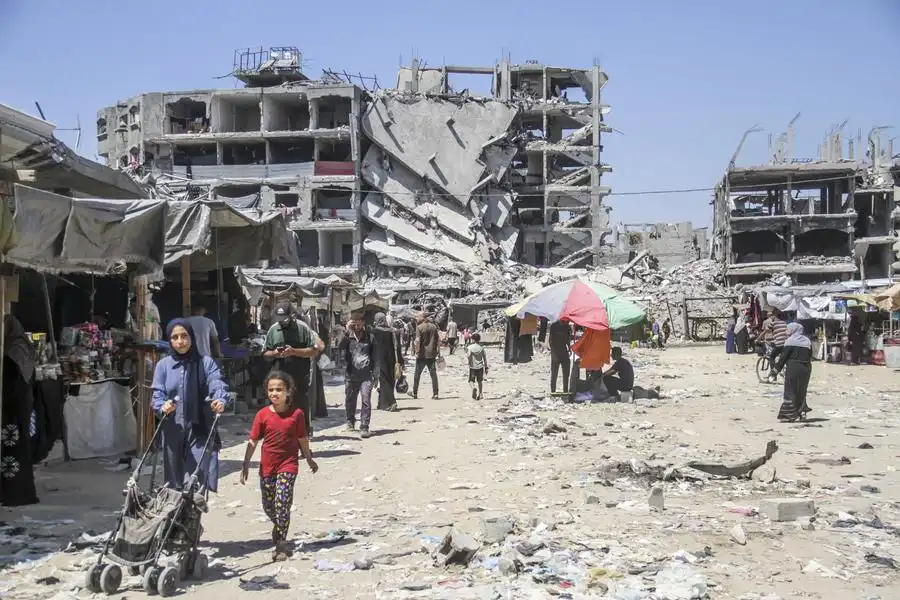
Sinwar had an exceptional ability to balance defiance and confrontation with Israel and open the door to negotiations when necessary, making him a unique figure in the history of Hamas. He is also considered the leader who shaped the history of the Gaza Strip, as his word was the final word in the movement’s military and political decisions, which enhanced the movement’s reputation among Palestinians as a symbol of defiance and resistance against Israel. With his passing, the question remains about Hamas’s remaining options, especially after the massive destruction that befell the Gaza Strip.


Although Sinwar was a strong leader, his decision to escalate on October 7 has left the Gaza Strip in a difficult position; some Gazans see him as responsible for giving Israel a pretext to destroy the Strip, while others see him as a hero who defended their cause. However, it cannot be ignored that Sinwar’s assassination represents a critical turning point in the movement’s and the Gaza Strip’s trajectory.


Recent polls in the Gaza Strip have indicated a decline in favor of Hamas continuing to control the area after the war ends, and an increase in favor of Palestinian Authority control. Despite all this, Hamas remains the most popular movement among all Palestinian factions. The results also indicate a significant increase in support for the two-state solution, accompanied by a decline in favor of armed action and an increase in favor of negotiations as an effective means of ending the occupation.


What has happened since October 7 and the assassination of Sinwar has put Hamas in an unprecedented predicament, as leaders who can make radical decisions like those Sinwar made in October may be few in the movement’s ranks, which finds itself forced to search for a new leadership capable of making strategic decisions in light of the deteriorating conditions in Gaza.


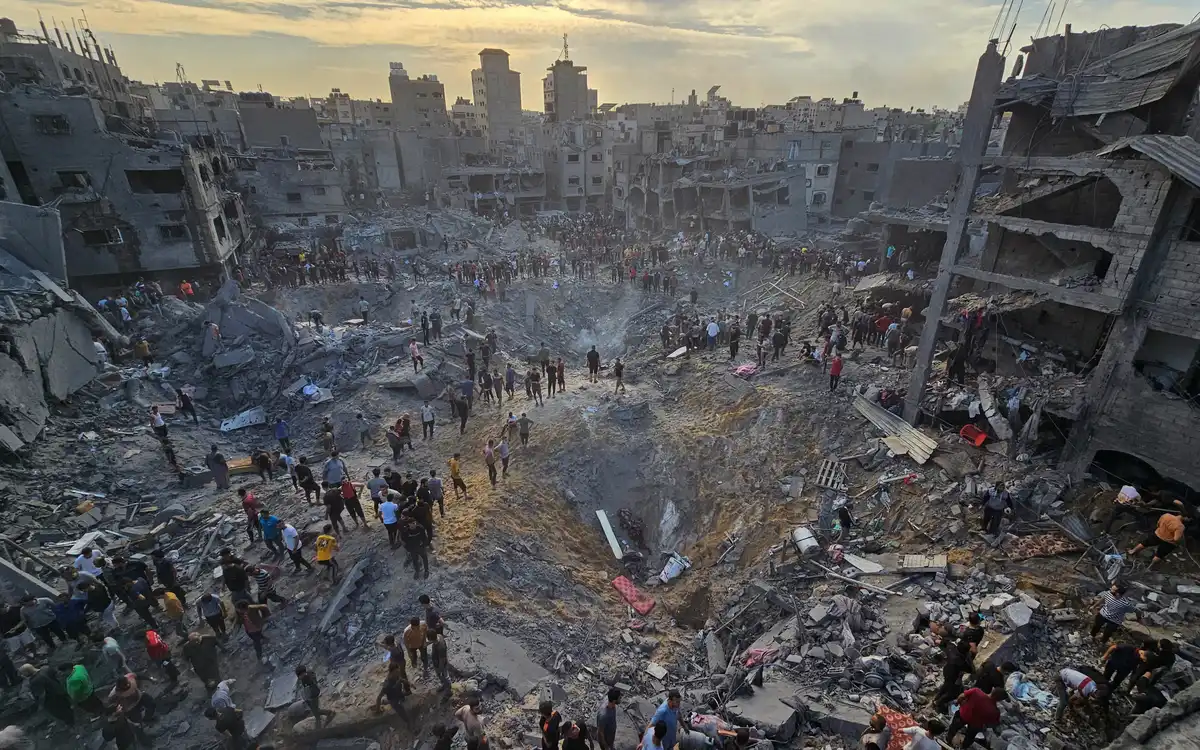
Although Hamas built its legitimacy and power in the Strip, Gaza is now a thing of the past; the total destruction poses unprecedented challenges to the movement, which will not be the same as it was before October 7. However, it remains to be seen whether the movement will be able to regroup, or whether its power and influence will decline.


In comparison with global movements, when Osama bin Laden, the founder of Al-Qaeda, was assassinated in 2011, his assassination was a moral and symbolic blow to the organization. Although Al-Qaeda had prepared for his succession, and Ayman al-Zawahiri took over the leadership, the impact on the effectiveness of operations was clear, as Al-Qaeda’s central ability to plan major operations weakened, and later led to a split within the organization and the widespread spread of branches in regions such as Yemen, North Africa, Syria, and others, in addition to the emergence of new organizations that adopted a similar approach but with different strategies and local leadership, which reduced Al-Qaeda’s centrality and increased the fragmentation of jihadist groups.


In the Palestinian context, the question remains: Is Hamas finished? While some may see Sinwar’s assassination as the end of the movement in the Gaza Strip, this is not guaranteed. Hamas may face its most difficult phases, but throughout its history it has shown an ability to adapt to changing circumstances. The next scenario may be that Hamas becomes more of a political force than a military one, or the movement may witness internal divisions that weaken it in an unprecedented way. With the martyrdom of a leader of Sinwar’s stature, Hamas may move towards strengthening the collective leadership within the movement to enhance participation in decision-making between the various wings - military and political - which will allow the movement to maintain its continuity despite the absence of a central leadership.


This move could help reduce internal divisions and enhance organizational stability. Hamas has a history of adopting collective leadership in times of crisis, which could be one of its main options.


Ultimately, Sinwar’s assassination represents a major turning point in Hamas’s history, and the movement’s remaining options will depend on its ability to adapt to this loss and the new circumstances imposed by the war on Gaza.


In light of what is happening on the ground, Hamas finds itself at a crossroads; options that may seem military to the world are for Hamas a necessity to defend the rights of the Palestinian people who are suffering from the woes and consequences of what Israel is doing in the Palestinian territories. However, questions arise about whether these options will bring an end to the conflict or increase the suffering of the innocent.


On the regional level, Hamas may seek to strengthen its relations with Iran and Hezbollah, which will provide it with material and military support. Iran and Hezbollah may find in the martyrdom of Sinwar an opportunity to expand their influence in the Palestinian conflict, which is the growing choice within Hamas to move towards the Iranian axis, which puts it in a complex position within the Arab political scene.


In light of international and regional pressure, Hamas may find itself forced to adopt the option of appeasement and diplomacy, especially since there are indications that the movement may seek to negotiate with international and regional mediators to ensure a long-term truce with Israel.


This option may be an attempt to ease military pressure and improve humanitarian conditions in Gaza, but it may provoke internal criticism from hardliners within the movement.


The deep wounds left by the war in Gaza cannot be healed by appointing a new leader to replace Sinwar alone. The people of Gaza are facing immense humanitarian suffering and are in dire need of an end to the conflict and a political solution. Perhaps the only way for Hamas to maintain its presence and influence in the Palestinian arena requires adopting a more comprehensive political vision, beginning with joining the Palestine Liberation Organization and working within a unified national framework.


Such a step could represent the beginning of achieving national aspirations and ending the political division that has drained the Palestinian cause for years, in order to find a political solution that guarantees a decent life for the people of Gaza, alleviates the burden of daily suffering and opens up horizons for a better future.

OPINIONS

Fri 01 Nov 2024 9:15 am - Jerusalem Time

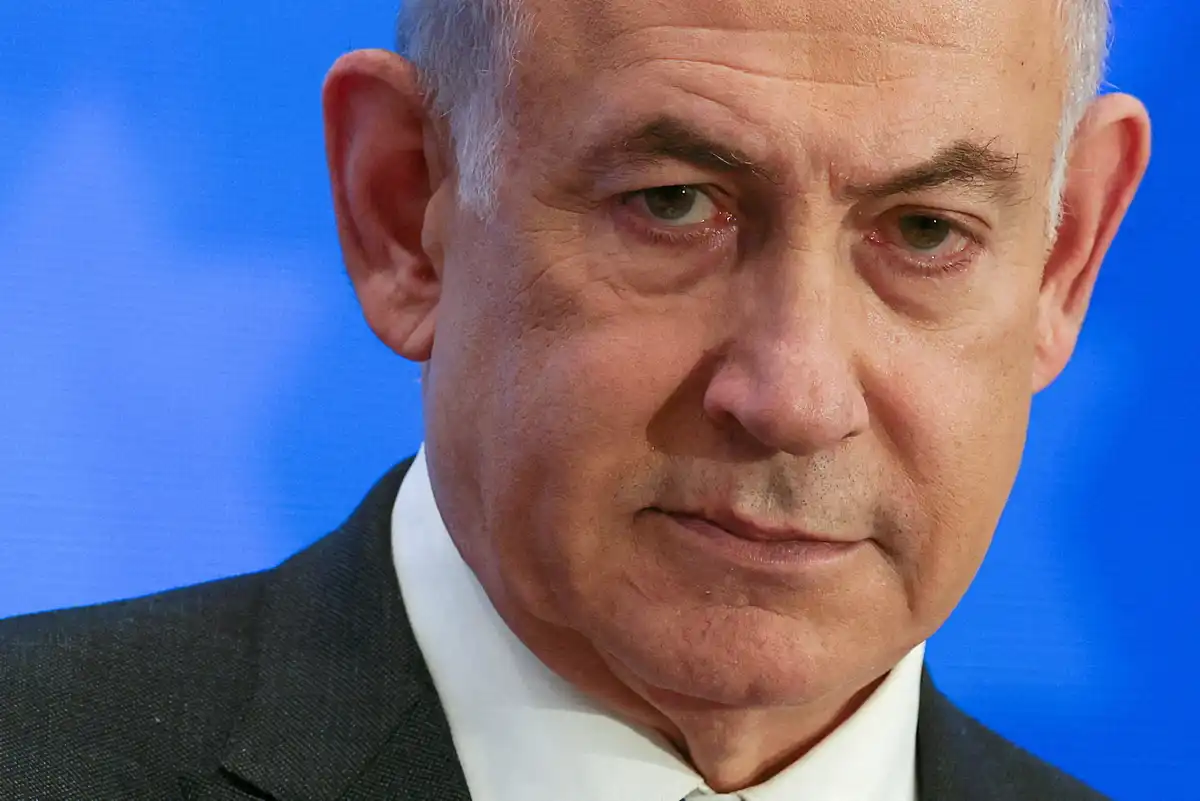
What does Netanyahu really want?

 Dr. Asaad Abdul Rahman

Dr. Asaad Abdul Rahman

Opinion Writer

The October 7, 2023 attack marked a dramatic shift in the Israeli political and security landscape, exposing serious gaps in the security strategy for which Benjamin Netanyahu bears full responsibility, whether he likes it or not! Amid mounting criticism and popular skepticism of his leadership, he is trying to exploit the crisis as an opportunity to redirect Israeli society’s attention and tickle their feelings in a morbid and chauvinistic way towards expansionist ambitions, claiming that Israel, in order to remain strong and secure, must “expand,” as former US President Donald Trump indicated in a previous meeting after Netanyahu “whispered” in his ear, I think - and not all suspicion is sinful! But where does Netanyahu want to take Israel? And what is the real vision he seeks to achieve?


This vision includes (1) expansionist ambitions, (2) an attempt to drag the United States into a larger regional conflict, and (3) to create new facts that could change the geopolitical map of the Middle East, but at the expense of the region’s security and stability. Netanyahu believes that regional conditions and the decline in the influence of international opposition help him achieve his goals, driven by the support of a significant component of Israeli society that sees him as the “King of Israel” and the “magician” capable of realizing the biblical dream.


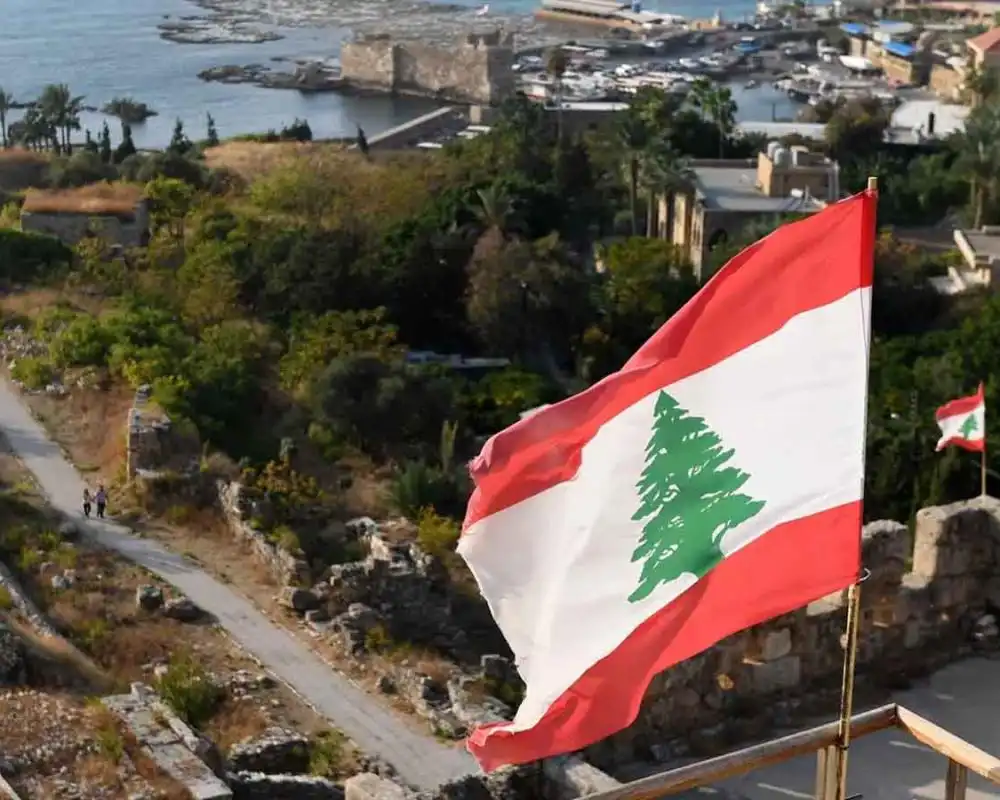
His expansionist project includes complete control over the Gaza Strip, displacing Palestinians from their lands to evacuate a third of the Strip, and perhaps turning it into a settlement area. Netanyahu believes that establishing a buffer zone 10 kilometers deep inside Lebanese territory, free of villages and residents, will help secure the northern border and reduce the chances of any future threat from Hezbollah.


Following the failure of October 7, Netanyahu began to direct attention towards what he called the "historic mission" that he seeks to achieve, trying to use expansion as a means, as an Israeli, to atone for his mistakes, and even his political sins, and there are many of them! Just as he tries to portray expansionist ambitions as an inevitable necessity to protect Israel's "existentialism", in an escape forward; his goal is to divert attention from holding him accountable and prosecuting him, after the losses that Israel incurred during this attack led to the expansion of the circle of criticism against him, especially since he has always promoted himself as an invincible leader and that his survival is the survival of Israel. In all of this, Netanyahu enjoys strong support from right-wing settler groups. In this context, settlement in a third of the Gaza Strip is considered part of this vision, as these groups see the Strip as a "natural extension" of Israel. Also, at the basis of the expansion plan is exploiting the current situation to control and annex as much land as possible from the West Bank, and imposing a fait accompli policy that may make a return to the 1967 borders impossible.


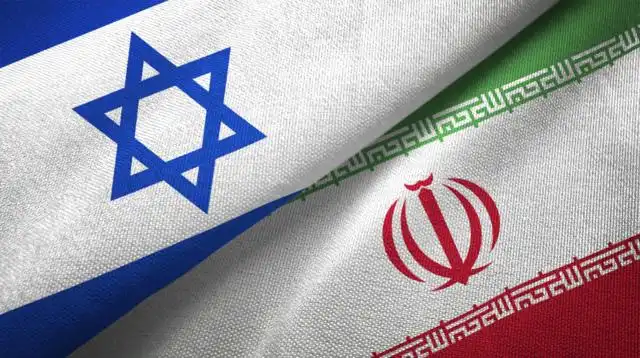
The threat from Iran is central to Netanyahu’s strategy, and he sees the United States as a reliable ally to achieve this goal. Netanyahu tries to portray Iran as a global threat that requires American intervention, but in reality he seeks to use American power to achieve his own goals in the region. This move is driven by strategic considerations; he believes that neutralizing Iranian influence will strengthen Israel’s hegemony in the Middle East and give it greater freedom to expand its borders to impose its influence in the region for generations. Again, he sees this vision as an opportunity for personal gain and to secure a political legacy that will return him to the front pages as a historic leader.


Despite Israel receiving significant support from the United States, the European and international position remains reserved towards Israeli expansionist policies. Europe, which views the stability of the region as vital to its national security, sees Netanyahu’s expansionist policies as a danger that could lead to an escalation of violence and create a new crisis in the region. Although many Western countries support “Israel’s right to defend itself,” they are wary of expansionist plans that could lead to the displacement of Palestinians or change the geopolitical map of the region.


It also realizes that expanding Israel’s borders according to Netanyahu’s vision could exacerbate crises and cause more unrest in the Middle East, which means that the end result may not necessarily be in Israel’s favor or in Europe’s and the world’s, not least because of the repercussions on the Middle Eastern oil issue. Indeed, the future of these ambitions still depends on international and regional reactions, especially since “everything ends in its own right,” and the lesson lies in what this policy will lead to in the long term.


PALESTINE

Fri 01 Nov 2024 9:09 am - Jerusalem Time

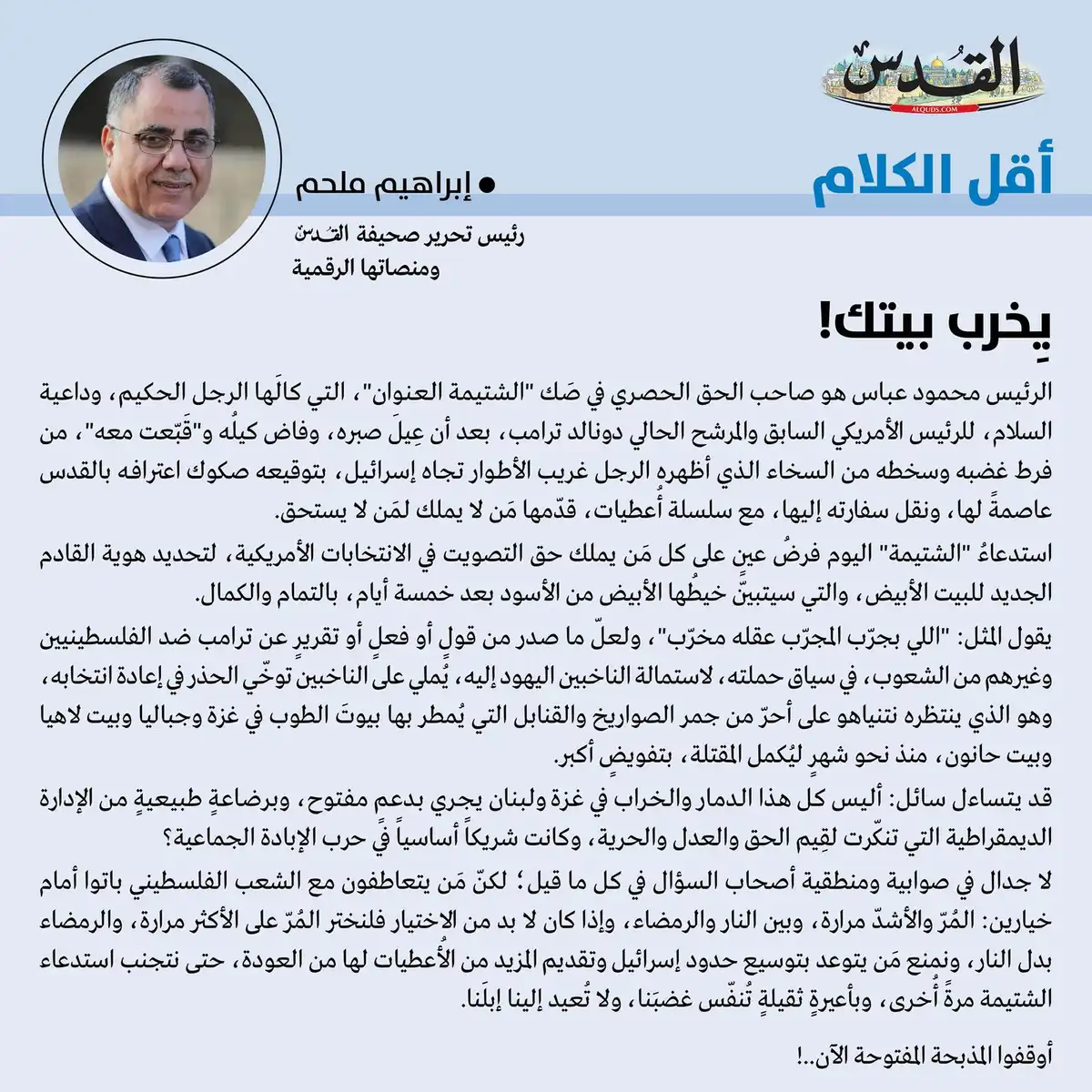
Damn you!

President Mahmoud Abbas is the exclusive right holder of the “title insult” that the wise man and peace advocate hurled at former US President and current candidate Donald Trump, after his patience ran out, his cup overflowed and he “got fed up” with it, due to his extreme anger and resentment at the generosity that the eccentric man showed towards Israel, by signing the documents recognizing Jerusalem as its capital and moving his embassy to it, along with a series of gifts that were given by someone who does not own to someone who does not deserve it.


Summoning the "curse" today is an obligation for everyone who has the right to vote in the American elections, to determine the identity of the new arrival to the White House, whose white thread will be distinguished from the black in five days, exactly.


The proverb says: “He who tries what has been tried has a ruined mind.” Perhaps what Trump has said, done, or reported against the Palestinians and other peoples, in the context of his campaign to attract Jewish voters, dictates to voters to be cautious in re-electing him, as Netanyahu has been waiting for him with the utmost eagerness to rain down rockets and bombs on the brick houses in Gaza, Jabalia, Beit Lahia, and Beit Hanoun for about a month, to complete the massacre, with a greater mandate.


One might ask: Isn’t all this destruction and devastation in Gaza and Lebanon taking place with open support and natural breastfeeding from the democratic administration that has disavowed the values of truth, justice and freedom, and was a primary partner in the war of genocide?


There is no dispute about the correctness and logic of the questioners in everything that was said; however, those who sympathize with the Palestinian people are now faced with two choices: bitter and more bitter, and between fire and ashes. If we must choose, let us choose bitter over more bitter, and ashes instead of fire, and prevent those who threaten to expand Israel’s borders and provide it with more gifts from returning, so that we avoid invoking the insult once again, and with heavy bullets that vent our anger, and do not return our camels to us.


Stop the open massacre now..!

PALESTINE

Fri 01 Nov 2024 8:36 am - Jerusalem Time

Israeli army: We attacked 200 targets in Gaza and Lebanon

The Israeli army announced on Friday morning that it had attacked, over the past day, more than 200 Hamas and Hezbollah targets, including command and control headquarters, missile launch pads, and military infrastructure, via the air force.


The Israeli army claimed in a statement that a rocket launcher that was fired towards Haifa was destroyed and that a "saboteur" who carried out the rocket attack was eliminated, according to its statement.


He pointed out that his ground forces continue their operations in southern Lebanon and have taken control of new sites, seized various weapons and missiles, and killed dozens of "saboteurs."

He stated that his forces are continuing their military operations in Jabalia and have killed dozens of "saboteurs" by air and land, and have raided military headquarters and buildings, among others. An armed group has also been eliminated in the middle of the Strip, and another in Rafah that was working in an underground tunnel, according to his announcement.

PALESTINE

Fri 01 Nov 2024 8:14 am - Jerusalem Time

Netanyahu fears his whereabouts will be revealed and seeks to postpone his trial

The Hebrew newspaper Haaretz reported on Friday that Israeli Prime Minister Benjamin Netanyahu is seeking to postpone his trial and to testify in corruption cases in which he is suspected of committing, under the pretext of the security situation.


According to the Hebrew newspaper, a new session of Netanyahu's trial is scheduled to be held on December 11, but the latter is seeking to postpone it.


According to the newspaper, Netanyahu currently appears unwilling to testify.


She explained that Netanyahu is using the incident of a drone exploding in his home as a pretext to postpone his testimony, and is claiming that Hezbollah may target the Central Court building in Jerusalem with another drone during his trial.


The newspaper revealed attempts to legislate a law preventing the disclosure of Netanyahu's location for security reasons after his home was targeted by a plane and his fear that his meeting place in the Knesset would be targeted.


She pointed out that no proposal has been submitted in this regard yet, but if the law is decided to be submitted, it will stipulate that anyone who violates this will be criminally punished.

PALESTINE

Fri 01 Nov 2024 7:52 am - Jerusalem Time

87 Israelis killed in the past month

The Israeli Army Radio reported on Friday that 87 Israelis were killed during the month of October.


The Hebrew radio reported that among the dead were 64 soldiers and security personnel and 23 "civilians."


She pointed out that these people were killed on various fronts, whether by launching anti-missiles, rocket barrages, or drones, or in clashes and confrontations that took place on the battlefields.

PALESTINE

Fri 01 Nov 2024 7:22 am - Jerusalem Time

Updated: The occupation forces arrest 4 young Palestinians and seize a vehicle in Nablus and Hebron

The Israeli occupation forces arrested four young men in Nablus at dawn on Friday.


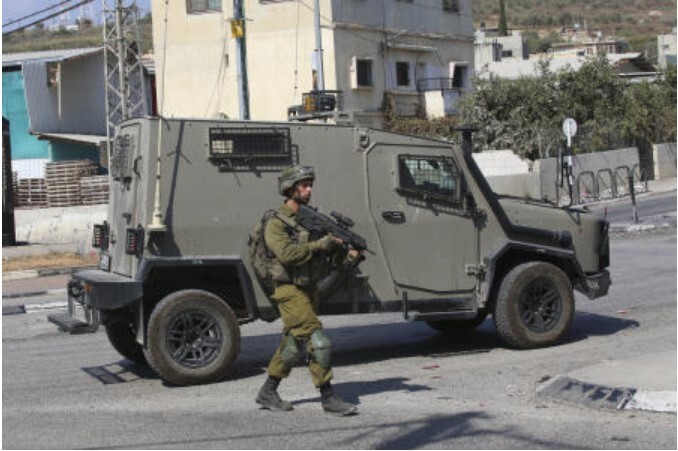
Local sources reported that a number of occupation vehicles and jeeps raided a number of neighborhoods in the city, including Khallet Al-Iman in the northern mountain, and the streets of Al-Arsad, Mu'tah, and Sufyan, and fired live bullets, which led to the outbreak of clashes.


The sources added that the occupation forces raided a number of homes during their raid, searched them, tampered with their contents, and arrested the two young men, Saif Marai from Khallet Al-Iman in the northern mountain, and Muhammad Al-Titi from Al-Irsad Street.


The occupation forces surrounded a building on Sufyan Street in the city and arrested the young man, Hamed Nael Al-Qawqa.


In Hebron, the occupation forces raided the Safa area north of Beit Ummar and arrested the young man Salem Akhlil (25 years old), and assaulted him. They also stormed several homes, searched them, ransacked their contents, and destroyed some furniture and belongings inside them. The occupation forces also stormed the town of Al-Karmel east of Yatta and seized a vehicle.


The occupation forces tightened their closure of the entrances to towns, camps and the entrances to the city of Hebron, and tightened the closure of the neighborhoods of the Old City and the checkpoints leading to the Ibrahimi Mosque.


The occupation forces also stormed the city of Qalqilya.


Local sources reported that a number of military vehicles stormed the city from its eastern entrance, and the occupation soldiers climbed a number of buildings and set up snipers on their roofs.


The sources added that the occupation forces raided a number of homes and residential buildings in a number of neighborhoods in the city.

ARAB AND WORLD

Thu 31 Oct 2024 10:42 pm - Jerusalem Time

Lebanon Health: 45 dead and 110 wounded yesterday


The Lebanese Ministry of Health announced on Thursday evening that the death toll from the ongoing Israeli aggression on the country since October 8, 2023 has risen to "2,865dead and 13,047 wounded."


The ministry said in a statement, "The Israeli enemy's raids on Lebanon yesterday, Wednesday, resulted in 45 dead and 110 wounded."


With this toll, according to the ministry, the number of victims has risen to "2,865 dead and 13,047 wounded since the start of the Israeli aggression."


The ministry stated that the Israeli army launched 68 air strikes on different areas of Lebanon on Wednesday, most of them in the southern governorates, Nabatieh (south) and Baalbek-Hermel (east), bringing the total number of its attacks since the beginning of the aggression to "11,647 attacks."

PALESTINE

Thu 31 Oct 2024 10:40 pm - Jerusalem Time

UN: Israel bombed medical supplies to Kamal Adwan Hospital


UN spokesman Stephane Dujarric said that medical supplies delivered to Kamal Adwan Hospital in northern Gaza Strip five days ago were subjected to Israeli shelling and were completely destroyed.


Dujarric explained in a press conference on Thursday that the Israeli siege imposed on northern Gaza is still ongoing.


He added that search and rescue teams and medical staff are unable to perform their duties due to Israeli attacks on hospitals.


The UN spokesman pointed out that hospitals in the Gaza Strip are trying to continue their work despite the ongoing Israeli bombing.

ARAB AND WORLD

Thu 31 Oct 2024 10:36 pm - Jerusalem Time

Israeli intelligence estimates: Iran is preparing to attack us from Iraq

Two Israeli officials told Axios that Israeli intelligence indicates that Iran is preparing to attack Israel from Iraqi territory in the coming days, perhaps before the US presidential elections, which will be held next Tuesday.


According to what the website reported on Thursday evening, the Iranian attack may be carried out through pro-Iranian factions in Iraq, and not directly from Iranian territory, in an attempt to avoid another Israeli attack against strategic targets in Iran.

The sources added that intelligence information indicates that the expected attack may be carried out using a large number of drones and ballistic missiles.

An American official said that the United States does not know whether the decision to attack from Iraq has already been taken, but that if Iran decides to attack, its preparations for it will be done quickly.


This came as the commander of the Iranian Revolutionary Guard, Hossein Salami, said in press statements on Thursday that "Israel made a mistake when it attacked Iran," and stressed that Iran's response "will be different from any scenario" that Israel might expect.

For his part, the deputy head of the Revolutionary Guards, Ali Fadavi, said that "the Iranian response to Israel is inevitable," adding that we can "target everything Israel has in one operation."

"Iran will definitely respond to the Israeli attack on its territory," said Mohammad Mohammadi, director of the office of Iran's supreme leader. "Our response will be severe and the enemy will regret it," he said.

On Wednesday, CNN quoted a "high-ranking" Iranian source as saying that "Iran is planning a decisive and painful response that will likely come before the elections."

ARAB AND WORLD

Thu 31 Oct 2024 8:52 pm - Jerusalem Time

The Wall Street Journal reveals details of the proposed truce in Lebanon against Israel

US officials have discussed with Israeli Prime Minister Benjamin Netanyahu a draft agreement to end the war in Lebanon that would allow Israel to continue striking Lebanon for two months, a proposal that is likely to be rejected by Hezbollah and the Lebanese government.


The deal, a draft of which The Wall Street Journal says it has seen, includes an agreement between the United States and Israel that would allow Israeli forces to strike Lebanon during a 60-day transitional period in response to imminent threats. The deal would enforce the agreement and relevant U.N. resolutions, including Security Council Resolution 1701, which ended the last war between Israel and Hezbollah in 2006.


The draft proposal also calls for Israel to withdraw its forces from Lebanon after one week, after which time the Lebanese Armed Forces would deploy to the south to help dismantle military infrastructure linked to Hezbollah and other non-state militias.


Israel’s security establishment is pushing for a diplomatic solution in Lebanon, believing it is close to achieving many of its goals. But those close to Israeli Prime Minister Benjamin Netanyahu do not expect a deal before the U.S. election, according to a person familiar with his thinking.


So far, neither Hezbollah nor the Lebanese government has reportedly accepted the proposal, which they say gives Israel too much latitude to continue attacking across the border, according to Lebanese and other Arab officials involved in the negotiations. Lebanese officials say they don’t want to publicly drop the deal because the document leaves room for continued negotiations that could eventually end the war, Arab officials told the Wall Street Journal.


The proposal is expected to be part of discussions led by senior US officials who traveled to the region this week as part of a renewed push by the Biden administration to end the wars in both Gaza and Lebanon. CIA Director William Burns met with Egyptian officials in Cairo, while senior White House officials Amos Hochstein and Brett McGurk traveled to Israel, where the State Department said they were scheduled to discuss the Lebanon war.


Netanyahu's office said Thursday that at the start of Netanyahu's meeting with Hochstein on Thursday, "(Netanyahu) made clear that the main point is not this or that agreement on paper but Israel's ability and determination to enforce the agreement and thwart any threat to its security from Lebanon."


A US official said Michael Erik Kurilla, head of US Central Command, also arrived in Israel on Thursday and was expected to travel to Jordan.


The US effort comes in a belated attempt to defuse the Middle East crisis, days before the US presidential election and at a critical time in both Gaza and Lebanon. Israel has launched thousands of airstrikes on Lebanon that have killed more than 2,700 Lebanese citizens, most of them women and children, along with a group of senior Hezbollah leaders, and destabilized the country, uprooting hundreds of thousands of Lebanese citizens from their homes and forcing them to flee.


In Gaza, the ongoing humanitarian crisis is deepening amid growing concerns over the fate of Israeli hostages held by Hamas.


Hezbollah has told mediators that the 60-day transition period also opens the door for Israel to continue what it calls aggression in Lebanon. The Lebanese militant group also says it opposes amending Resolution 1701, which called for both sides to cease fire, for Israeli forces to withdraw from Lebanon, for Israeli overflights to end, and for Hezbollah to withdraw its forces from areas near the Israeli border.


The draft agreement was first reported by Israel’s Kan public broadcaster on Wednesday night. Both the draft and the side letter were dated October 26. Officials familiar with the talks said only minor changes had been made to the draft since then.


Inside Israel, the country's military and other security forces have begun pushing for a deal in Lebanon, arguing that they have achieved many of their goals by striking against Hezbollah, including weakening its missile arsenal.


The Wall Street Journal quotes an Israeli official as saying, “We have certainly reached a point where it is important to take advantage of the huge operational achievements that Israel has made, especially the complete destruction of Hezbollah’s leadership... All negotiations will take place under enemy fire. No one agrees to a cease-fire to negotiate an agreement.”


The newspaper (known for its support for Israel) quotes Arab officials as saying that one sign of progress in the current negotiations is that Hezbollah has secretly indicated its willingness to separate the negotiations on Lebanon from the war in Gaza after a year in which it said it would not stop striking Israel unless there was a ceasefire in Gaza.


Hezbollah's public position is that it continues to link the two conflicts.


“The Israeli enemy will not be able to impose its conditions,” Naim al-Qassam, Hezbollah’s newly appointed secretary-general, said in a televised speech on Wednesday. Qassam was appointed the group’s supreme leader earlier this week after his predecessor, Sayyed Hassan Nasrallah, was killed in an Israeli airstrike in Beirut in late September.


In an interview with Lebanese television on Wednesday evening, interim Lebanese Prime Minister Najib Mikati, one of two senior Lebanese officials acting as a mediator between the United States and Hezbollah, said he was "cautiously optimistic" about the possibility of a ceasefire in the coming hours or days.


Lebanese officials have expressed optimism in recent days about the efforts of US officials, including Hochstein, who visited Lebanon last week, saying they welcome an agreement that would enforce Resolution 1701.


The U.S. proposal also includes other provisions likely to raise objections from Hezbollah and Lebanese government leaders. It includes a provision that would allow Israel to fly aircraft over Lebanon for surveillance purposes as long as the aircraft do not break the sound barrier and are “invisible to the naked eye to the extent feasible.” Israel would also be able to launch airstrikes on Lebanon in response to “imminent or emerging threats.”

PALESTINE

Thu 31 Oct 2024 7:44 pm - Jerusalem Time

Gaza Strip: Fifteen killed and dozens of injuries in Israeli bombing


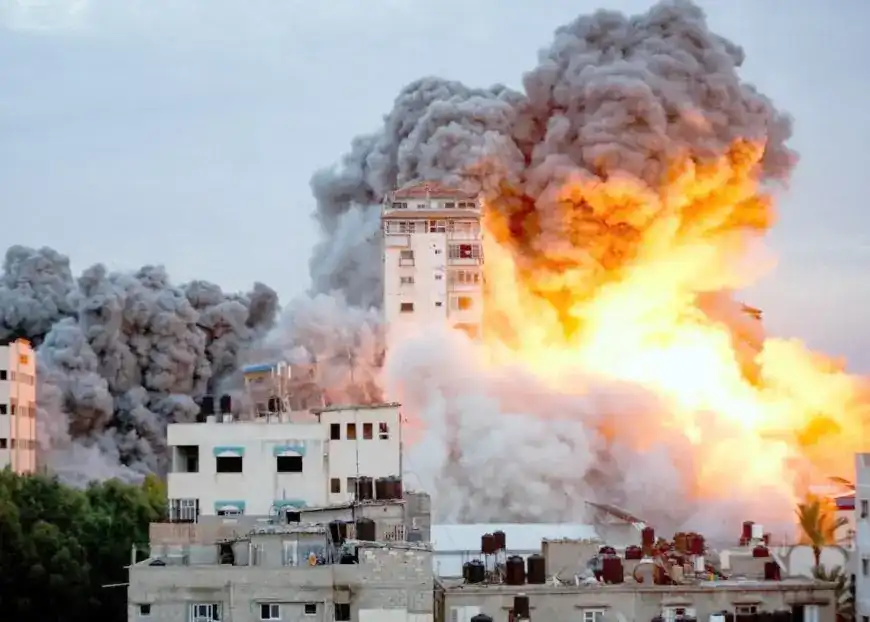
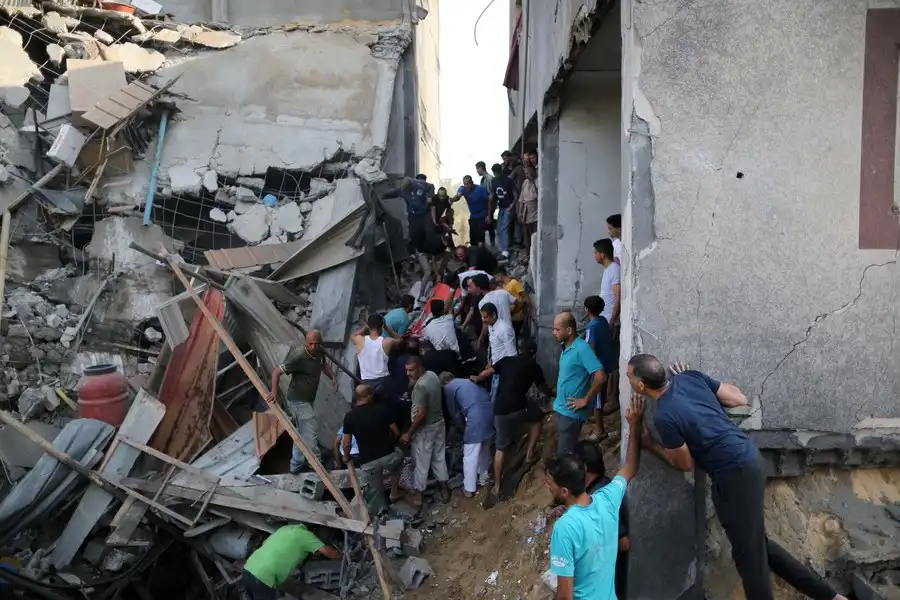
15 citizens were killed and others were injured, Thursday evening, in an Israeli occupation bombing that targeted Gaza City and the central Gaza Strip.

Local sources reported that 9 citizens were killed and dozens were injured, as a result of the occupation bombing the homes of the Abu Amuna and Saidam families, in the new camp, north of the Nuseirat camp in the central Gaza Strip.

The sources added that two citizens were killed when the occupation targeted a bicycle in the village of Al-Zawaida in the middle of the Strip, while four citizens were killed and 10 others were injured in an Israeli bombardment that targeted a house in the vicinity of Al-Shanti land, northwest of Gaza City.

The occupation forces continue their aggression on the Gaza Strip, by land, sea and air, since October 7, 2023, which resulted in the death of 43,204 citizens, and the injury of 101,640 others, the majority of whom are children and women, in an incomplete toll, as thousands of missing people are still under the rubble, amid the deterioration of the humanitarian situation in the besieged Strip.

PALESTINE

Thu 31 Oct 2024 6:02 pm - Jerusalem Time

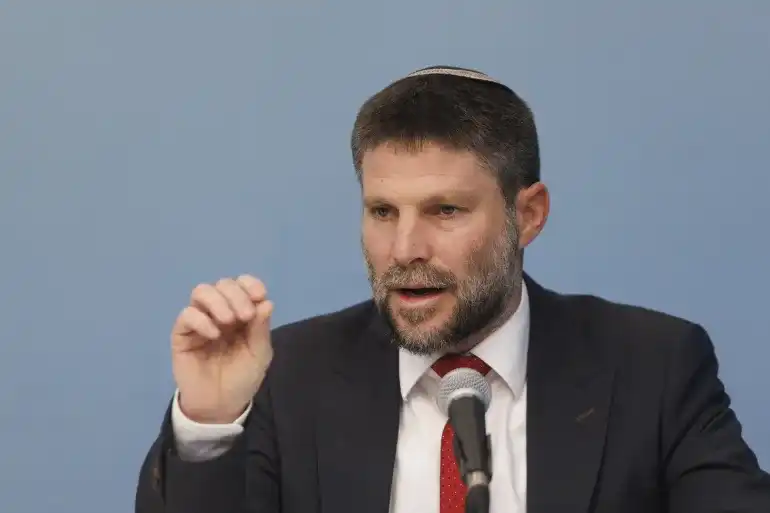
Smotrich to extend cooperation between Israeli and Palestinian banks for a month


A spokesman for Israeli Finance Minister Bezalel Smotrich said cooperation between Israeli and Palestinian banks will be extended for another month.


Israel has threatened to cut ties with Palestinian banks as a retaliatory measure.


Israel also banned bank transfers immediately after the outbreak of the war on Gaza.


Under the Oslo Accords, Israel collects funds for the Palestinian Authority, which exercises limited self-rule in parts of the West Bank occupied by Israel since 1967.

ARAB AND WORLD

Thu 31 Oct 2024 6:00 pm - Jerusalem Time

Netanyahu discusses Lebanon ceasefire with US envoys


Axios quoted American and Israeli officials as saying that Israeli Prime Minister Benjamin Netanyahu discussed the ceasefire agreement in Lebanon with American envoys Amos Hochstein and Brett McGurk, while Lebanese Prime Minister Najib Mikati confirmed that he is awaiting the results of Hochstein’s contacts, who is said to be working on drafting an agreement.


The American website reported that Netanyahu also discussed with the envoys the efforts being made to resume negotiations on the agreement of the Israeli prisoners in Gaza, and the Iranian threats to respond to the Israeli strike.

Israel Hayom reported that the Americans hope to reach a framework agreement within days, while Israeli leaders announced that their goal is to neutralize Hezbollah and paralyze its ability to launch rockets at northern Israel, and to allow the return of about 60,000 people who were displaced from these areas due to the bombing to their homes.

On Wednesday, the Authority reported that Hochstein is drafting an agreement stipulating the withdrawal of the Israeli army from Lebanon within a week, and that it will resume its military operations if the agreement is violated.

The proposal calls on Lebanon and Israel to abide by Security Council Resolution 1701, with a 60-day truce in place, with Lebanese forces to begin deploying in the south at the time of the Israeli withdrawal.

The resolution also calls for the creation of an area between the Blue Line (the border between Lebanon and Israel) and the Litani River in southern Lebanon, free of any armed men, military equipment and weapons, except those belonging to the Lebanese Army and the United Nations Interim Force in Lebanon (UNIFIL).

The intended agreement between the two parties will not prevent them from the right to defend themselves if either of them violates the agreement, and the spread of weapons in southern Lebanon is prohibited except under the supervision of the Lebanese government itself, according to the draft.

The alleged draft emphasizes granting the Lebanese government the necessary powers to implement the decision to prevent Hezbollah from arming itself, while monitoring and dismantling military facilities that the government does not recognize for producing weapons, as well as dismantling any armed infrastructure that does not comply with Resolution 1701.


1 minute 53 seconds1:53

Mikati awaits Amos' response

In Lebanon, caretaker Prime Minister Najib Mikati said that US Presidential Envoy Hochstein informed him yesterday that he is seeking to reach a ceasefire in Israel, in preparation for searching for ways to fully implement Resolution 1701.

Mikati added that Lebanon is waiting to be informed by Hochstein of the results of his contacts, expressing hope that a ceasefire agreement with Israel will be announced in the coming hours or days, but he considered that the ongoing Israeli escalation does not give rise to optimism soon.

advertisement

Mikati described Israel's threats against Lebanese civilians to evacuate entire cities and displace them as an additional war crime, stressing that Lebanon asked diplomatic bodies to intensify pressure on Israel to stop its aggression.

American desire

Meanwhile, the Times of Israel newspaper quoted American officials as saying that President Joe Biden's administration now believes that securing a ceasefire in Lebanon is the best way to end the war in Gaza.

US officials told the newspaper that Washington had changed its assessment in recent weeks, after months of insisting that calm in Gaza would lead to an easing of tensions between Israel and Hezbollah.

The Times of Israel quoted an Israeli official as saying that US envoy Hochstein's visit to the region came after indications in Lebanon and Israel of their readiness to move forward according to the US proposal, but the Israeli official ruled out reaching an agreement before the US elections.

For his part, US State Department spokesman Matthew Miller said that the United States seeks to resolve the conflict in Lebanon through diplomatic means, and to avoid a long Israeli military campaign similar to what happened in Gaza.


Meanwhile, the Times of Israel newspaper quoted American officials as saying that President Joe Biden's administration now believes that securing a ceasefire in Lebanon is the best way to end the war in Gaza.

US officials told the newspaper that Washington had changed its assessment in recent weeks, after months of insisting that calm in Gaza would lead to an easing of tensions between Israel and Hezbollah.

The Times of Israel quoted an Israeli official as saying that US envoy Hochstein's visit to the region came after indications in Lebanon and Israel of their readiness to move forward according to the US proposal, but the Israeli official ruled out reaching an agreement before the US elections.

For his part, US State Department spokesman Matthew Miller said that the United States seeks to resolve the conflict in Lebanon through diplomatic means, and to avoid a long Israeli military campaign similar to what happened in Gaza.

ARAB AND WORLD

Thu 31 Oct 2024 4:53 pm - Jerusalem Time

Israeli media: 7 dead and several wounded due to Hezbollah missiles


Israeli media reported that 7 people were killed and a number of others were injured since this morning as a result of Hezbollah missiles falling.


Channel 13 Israel also confirmed, quoting the Metula Municipality, that 5 people were killed when a shell fell on the town in the Upper Galilee, northern Israel.


The Israeli Army Radio said that the five dead in Metula were 4 foreign workers and an Israeli.


Haaretz newspaper quoted the Israeli ambulance as confirming that 4 people were seriously injured, and 2 people were seriously injured as a result of the targeting of Matla.


The Israeli ambulance announced that two people were killed as a result of rockets falling on the eastern areas of Haifa Bay.

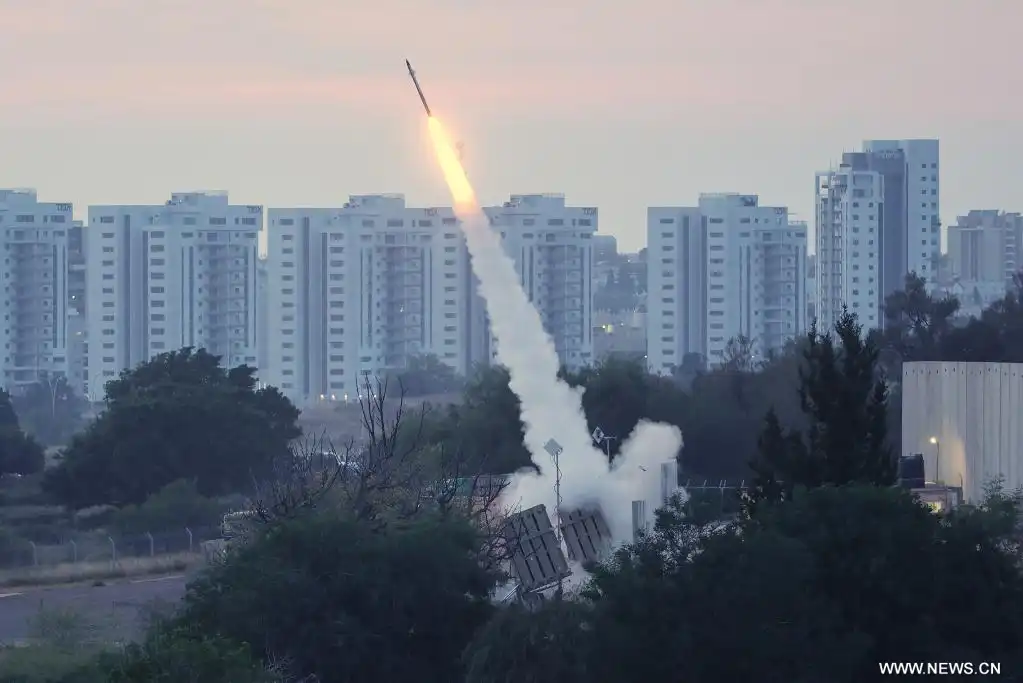
For its part, the Israeli army announced that it had detected the launch of 25 missiles from Lebanon towards Haifa Bay, noting that it was able to intercept some of them.

PALESTINE

Thu 31 Oct 2024 3:58 pm - Jerusalem Time

A Palestinian shot by Israeli occupation forces in Nour Shams camp in Tulkarm

The Ministry of Health announced today, Thursday, the death of a young man in Nour Shams camp in Tulkarm.


The ministry confirmed that the martyr had arrived at Tulkarm Governmental Hospital from Nour Shams Camp.


She pointed out that the number of dead in Tulkarm has risen since yesterday evening to 4 martyrs.

PALESTINE

Thu 31 Oct 2024 3:31 pm - Jerusalem Time

41 dead and 131 injuries arrived at Gaza hospitals within 24 hours

The Israeli occupation committed 6 massacres against families in the Gaza Strip, resulting in 41 dead and 131 injuries arriving at hospitals during the past 24 hours.


According to the Ministry of Health in Gaza, the death toll from the Israeli aggression has risen to 43,204 dead and 101,641 injuries since October 7, 2023.

PALESTINE

Thu 31 Oct 2024 1:37 pm - Jerusalem Time

The battle of narrative alongside the war of extermination.. The Israeli targets the novel as a tool of resistance

Mahmoud Shuqair: The artistic and literary productions written by the martyrs, both male and female, will remain the best testimony against aggression, baseness and ugliness.

Dr. Talal Abu Afifa: The escalating Israeli crimes deliberately target those who carry the Palestinian narrative to the world and everything that represents life

Ibrahim Jawhar: The assassination of Ghassan Kanafani more than fifty years ago was the beginning of a series of cultural assassinations against the Palestinians

Dr. Manal Qadri: The occupation deliberately decided to kill the artist and obliterate his voice and art because it is the effective means to kill him morally and dwarf him in front of the world

Osama Nazzal: The crimes of genocide claimed the lives of 21 artists and creators and more than 50 beacons of the arts, including theaters, institutes, ceremonies, and galleries.


The war of extermination waged by the occupying state in the Gaza Strip for the thirteenth consecutive month has spared neither young nor old, neither woman nor man, neither institution nor street. However, what was striking was the unprecedented targeting of journalists, writers, authors, artists and university professors, the vast majority of whom were targeted along with their families.


It is clear that this targeting was deliberate and intentional, due to the danger that these people represent to the Israeli colonial project on the front of the narrative and the transmission of facts to the world, and documenting them in writing, literature, or art, and thus dealing with them as a front parallel to the fighting front in the field, and perhaps more important, so the number of creative writers, artists, and journalists who were martyred was horrific and unprecedented in the history of conflicts.


But what calls for questioning and astonishment are the international reactions, and those of specialized institutions and organizations, to this type of crime against people who have nothing to do with fighting and armed action, the pretext by which the occupying state justifies its brutal war in the Strip, from which academic institutions, including universities, institutes and schools, in addition to cultural institutions, were not spared.


"We are Burning" is the latest work of the visual artist Mahasen Al-Khatib


The Jerusalemite short story writer and novelist Mahmoud Shuqair said: “As I follow with sadness and sorrow the murders and bloody massacres that are being committed every day against our people in the Gaza Strip, I remembered the poet Mahmoud Darwish’s description of the Sabra and Shatila massacre when he said in his poem: ‘Sabra is the identity of our era until eternity.’”


He wondered: If Mahmoud Darwish were still alive, what poetry would he have written about the horrific massacres that occur every day there?


Shaqir pointed out that the last of these massacres occurred on 10/18/2024 in Jabalia camp, and among its victims was the Palestinian artist Mahasen Al-Khatib, who published her last work before her martyrdom, a drawing entitled “We are Burning,” and it was seen by nearly five million people in the world.


Shaqir confirmed that the young Mahasen Al-Khatib, 31 years old, had announced that she was ready to organize a free drawing course, to remain a charity on behalf of her soul if she died.


He explained that “the martyrdom of Mahasen is not the first and not the last. Before her, a long caravan of female and male martyrs passed; I remember the poet Salim Al-Nafar who was martyred a few months ago in the current war of extermination, and before him the poet and novelist Hiba Abu Nada, author of the novel “Oxygen is Not for the Dead”, was martyred. If we delve deeper into the past, we remember the martyr leader Majed Abu Sharar, author of the short story book “Bitter Bread”, who was assassinated by Mossad in 1980. Before him, the martyr poet Kamal Nasser was assassinated in 1973, and before him, the martyr short story writer and visual artist Ghassan Kanafani was assassinated, and before him, the poet Abdul Rahim Mahmoud was martyred while defending the homeland, in addition to a long list of Palestinian and Lebanese journalists.”


How do the occupiers justify killing creative people?


Shaqir continued his speech: “In order to understand how the Israeli occupiers justify to themselves the killing of creative men and women from among the Palestinian people, it is enough to remember the statement of their Minister of Defense, Galant, who described the Palestinians in the Gaza Strip as “human animals,” to justify the killing and genocide. How, in this case, and how, with their logic like this, can they spare the blood of male and female artists, writers, journalists, and journalists who defend their people with the brush and the pen, the camera, and the press and television reports, and expose the crimes of the occupying army against a people who have been suffering from the Zionist invasion for more than a hundred years?!”


He added, "They, that is, this elite group of martyrs, both male and female, who took it upon themselves to expose the claims of the Zionist occupiers who practice lying to cover up their crimes by saying that they are defending themselves, and they are the ones who occupied the land and practiced genocide against dozens of Palestinian villages in Deir Yassin, Al-Dawayima, Al-Tantura, Abu Shusha and others during the 1948 catastrophe."


Shaqir concluded by saying: “In light of the official Arab failure and the collusion of some countries, led by the United States of America, with the aggressors, the artistic, literary and journalistic productions written by the martyrs, both male and female, will remain, along with all the Palestinian cultural productions committed to loyalty to the homeland and to exposing the crimes of the Zionist movement against our people, the best testimony against the aggression and against the baseness, ugliness and hideousness that will remove the Israeli occupiers from the circle of normal human beings and will accompany them as a result of their evils forever.”


Destroying everything that represents life


In turn, Dr. Talal Abu Afifa, a member of the General Secretariat of the General Union of Palestinian Writers and Authors, said: The Israeli army, under the direction of the political leadership headed by Netanyahu and his government ministers Ben Gvir and Smotrich, aims through its war on the Gaza Strip to eliminate the Palestinian person, whether he is a fighter or a civilian, and to destroy everything that represents life, from people to stones and trees.


Abu Afifa pointed out that the Israeli attacks deliberately target Palestinian intellectuals, including writers, authors, artists and university professors, who are the ones who carry the Palestinian narrative to the world, as many countries have begun to sympathize with the Palestinian people and denounce the escalating Israeli crimes.


He explained that "the last victim of this targeting was the Palestinian artist Mahasen Al-Khatib, who was assassinated by the Israeli army. She was contributing with her drawings to spreading the Palestinian narrative through her drawings and raising awareness in the world about the reality of the suffering of her people, which gained her wide popularity on the international scene."


He pointed out that Israel seeks to empty the Palestinian land of its original owners in order to expand settlement projects, in order to achieve its goals of establishing the "Kingdom of Israel" that extends from the Nile to the Euphrates. These are plans that have been entrenched since 1948 with the support of Britain and America and the complicity of some Arab parties.


Abu Afifa expressed his regret over the Arab and Islamic position, which is still "in a deep sleep," referring to the famous saying: "I was eaten the day the white bull was eaten," in reference to the necessity of taking a unified position before it is too late.


Assassination of the word and the pen


For his part, the Jerusalemite writer Ibrahim Jawhar described the targeting of Palestinian artists and creators as “the assassination of the word and the pen,” considering that this killing represents the assassination of life itself and a practical application of the saying of the Nazi Propaganda Minister Goebbels: “As soon as I hear the word culture, I reach for my gun.”


Jawhar said, "The word fights, as does the pen, so the enemies of life and freedom assassinate it." He added, "The enemies fear the awareness that plants resistance to darkness, so you see them encouraging contentment with the philosophy of the brute animal that lives to eat, not eats to live."


Jawhar pointed out that the Palestinians have experienced throughout their history the assassination of men of science, culture and creativity, whose artistic production the enemies see as equivalent to a battalion of fighters.


He stated that "the assassination of Ghassan Kanafani, accompanied by his niece, more than fifty years ago, was the beginning of a series of cultural assassinations against the Palestinians, followed by the assassination of the creatives Majed Abu Sharar, Izz al-Din al-Qalaq, Kamal Nasser, Kamal Adwan, Naji al-Ali, and other Palestinian and Arab intellectuals who resisted with words and pens."


Jawhar highlighted the martyred Palestinian poet Abdul Rahim Mahmoud from Anabta, whose words were embodied in reality by his martyrdom in the Battle of Al-Shajara, saying: “Abdul Rahim Mahmoud lived through his poetry and words in which he said: I will carry my soul in my palm and throw it into the abyss of destruction, either a life that pleases a friend or a death that angers an enemy.”


The Jerusalemite writer Jawhar stressed that the painting, the anthem, and the word are symbols of resistance that disturb the peace of the greedy, and always remind them of the existence of a resistant people. He believes that targeting creative people is nothing but a miserable attempt to pave the way for the occupation’s death machine.


Eliminate artistic and cultural tools


For her part, Dr. Manal Qadri, Professor of Sociology at the University of Tunis, confirmed that Israel’s targeting of Palestinian artists, poets and cartoonists reflects the occupation’s desire to eliminate artistic and cultural tools that carry messages of resistance and documentation of the collective Palestinian memory.


Qadri said: “Times of war usually coincide with major developments in art, as the artist becomes more free to record his personal vision away from what the authorities impose, whether religious, security or political. It is known that paintings do not, have not and will not stop the missiles from falling, and music will not alleviate the suffering of the people of the land and will not stop their displacement and killing in the most horrific ways, ways that are displayed to everyone. Despite that, culture remains a great force that preserves the collective memory despite its darkness since the Al-Aqsa flood.”


Qadri explained that “artworks are the result of an artist’s artistic expression. They are works of art in and of themselves, and do not carry their own agenda. Then the artwork becomes valuable in a world that goes beyond direct communication and endorsement. Instead of directly depicting battles and their tragedies, it seems as if the colors themselves are fighting in the war and imposing themselves by engaging in the battle, even implicitly, in which there is a profound portrayal of the image of the enemy and the image of the victim.”


Qadri believes that “the artist, the poet, and the cartoonist all contributed to the resistance according to forms and mechanisms of resistance that they saw as a means to repel the occupation. Some works of art hurt the Israeli occupation to the point that their social media pages were closed, and others were persecuted, and some artists were even killed in a way that they saw as the demise of their work, but it is impossible. The occupation does not know that everything that the artist publishes there on that pure land with the blood of its martyrs is simultaneous with its spread throughout the world. The power of social media is to preserve greatly and deeply that collective memory that the Gazan aspires to protect and preserve generation after generation.”


The occupation killed and destroyed everyone and does not care about human rights


She pointed out that the Israeli occupation killed everyone, destroyed everyone, and does not care about human rights or international treaties. It is the one that decided to kill the artist and obliterate his voice, art, and content, because it is the effective means that kills him morally and dwarfs him in front of the world.


Qadri explained that “the occupation was and still is using all its tools to kill, and therefore the artist - as part of the people - has no choice but to use his energy to support the war and avenge the martyrs, by drawing trampling, stabbing, stones, and everything that rejects the occupation and ends it.”


Qadri stressed that “the Israeli machine kills children, women and the elderly, and destroys and ends the lives of the owners of the land, its creators, thinkers, artists, musicians and dreamers of a better tomorrow on a land where they saw their honor and the honor of an entire nation. They resisted with their words, paintings, melodies and their fingerprint on a land under siege for more than a year. They colored the gray world with paintings that reflect the picture to us in all its aspects.”


Qadri concluded by saying: “But the occupation is weak in the face of seeing itself breathe its last breaths in the ugliest caricatures before a generation and generations that will continue to denounce it and its crimes for the rest of their lives, as a result of artistic works that are preserved in memory as well as history. They have the machine to kill, and the artist has a continuous artistic history with his existence or after his demise.”


Palestinian art under the occupation's fire


In turn, cartoonist Osama Nazzal said, “When the occupation began its genocide against our Palestinian people in the Gaza Strip after October 7, it targeted all segments of civil society without discrimination. Here, Palestinian society began to confront this attack, including Palestinian artists, creators and intellectuals. Cartoonists, artists and intellectuals began to cover and document the crimes of the invaders, and visual artists began to draw the tragic state that people had reached, each from his position and cultural and artistic status.” He added, “This contributed to supporting the Palestinian narrative so that it could reach the world, despite the occupation’s attempt to repel the Palestinian narrative with a false Israeli narrative.”


Nazzal stressed that the Palestinian artist contributed to leaving his mark on the global cultural scene, which used Palestinian artworks, sayings and national symbols as a protest material and a visual image that expresses the human genocide against the Palestinian people in all protest movements around the world.


He explained that the artist was indeed able to assume a high degree of responsibility in preserving his national identity and his humanitarian message to confront any attempt to distort the stereotypical image of the Palestinian, and this is what disturbed and bothered the occupation because culture and arts are considered soft resistance that is respected by the human mind.


Israeli barbaric message


Nazzal explained that “the Israeli response came with a barbaric message to complete the series of persecution of Palestinian artists, creators and intellectuals, either by arrest or direct assassination by physical liquidation. This is the language of the occupier, as it did to Naji al-Ali and Ghassan Kanafani, until the turn came to Palestinian artists in the heart of the Gaza Strip, such as the martyred artist Hiba Zaqout, who was killed with her children, and the artist Mahasen al-Khatib, who was assassinated a few days ago after the number of her followers reached more than 4 million viewers, and the artist Maher Obeid, who was assassinated by the Israeli forces in northern Gaza, knowing that he was the calligrapher and painter of the walls of the city and the camp. All of this comes as a role for the occupier to muzzle artists and intellectuals and terrorize others from continuing on this path.”


The artist Nazzal pointed out that this genocide claimed the lives of 21 artists and creators and more than 50 beacons of art, including theaters, institutes, studios, galleries, and the destruction of murals, monuments, and sculptures, in addition to the loss of artists in the Gaza Strip of their works and paintings that were left in their personal studios to return after the war, but everything went to waste.


PALESTINE

Thu 31 Oct 2024 1:27 pm - Jerusalem Time

Al-Quds documents horrific testimonies of the siege of Kamal Adwan Hospital: field executions, arrests, torture and starvation

Hanan Awda: My leg was amputated due to the bombing, but I remained without treatment or medication in the hospital

Mahmoud Al-Qateel: They forced me to take off my clothes and remain naked, and they arrested most of the medical staff and companions

Mahmoud Hamdona: A scene from the Day of Judgment.. They surrounded us with tanks and shelling and we were left without food or water

Abu Safiya: The health system is collapsing, and the wounded who arrive at Kamal Adwan Hospital die due to lack of resources.

“They forced us out of the school, and as soon as we started going down the stairs, they bombed us,” said the wounded Hanan Awda, describing the moment she fled amidst the death from the school to Kamal Adwan Hospital in the northern Gaza Strip. She did not know that one of her sons would be martyred and the others would be injured.


Under the showers of live bullets from the quadcopter plane and the violent artillery and air bombardment, Hanan fled to the hospital, believing it to be the safest place, but she forgot that the occupation does not differentiate between a hospital and a school, and the entire sector is under attack.


Awda told Al-Quds.com: “Inside the hospital, I remained without treatment or medication, knowing that my right leg was amputated as a result of the Israeli bombing, and I need dressings and painkillers.”


At exactly one o'clock after midnight, large forces of the Israeli occupation army stormed Kamal Adwan Hospital. Hanan recounts: "They forced us to go down to the hospital yard, and we remained in the open for 24 hours, without food, drink, or even treatment."


She added: “They then transferred us to the children’s section inside the hospital, where they arrested some of the women and left others, and I was left alone with those who suffer from motor disabilities like me.”

Brutal storming of the hospital with police dogs

In the other section of the hospital, Mahmoud al-Qateel, who was injured in the back, lies. He tells what happened to him at the moment of the raid to “I” and “Al-Quds” Dot Com: “Suddenly, the occupation forces stormed all the hospital sections, accompanied by police dogs, and forced all the medical staff and companions to leave. They arrested most of them, and then forced the patients and injured to go out to the hospital yard.”


The occupation does not differentiate between a sick person, an injured person, or a child. All civilians in Gaza are subject to arrest and abuse. So what happened to you? He answers: “They forced me to take off my clothes and remain completely naked, not to mention cursing us all with obscene, vulgar words.”


Not only that, but the Israeli soldiers prevented the injured and sick from receiving treatment. He added: “We were left without food or drink throughout the hospital siege.”

The bodies of the martyrs are in the streets, being devoured by dogs.

In the building next to the hospital, the young man Mahmoud Hamduna was staying with his family and a number of other displaced people. He told “I” and “Al-Quds”: “We heard the sound of tanks approaching us, artillery firing its shells randomly, and soldiers calling through loudspeakers to leave the buildings next to the hospital.”


For about five days, Hamdona and his companions remained trapped inside the building, without food or water. He continues: “We were eating dates, and water was very scarce, so we would cut off our water so that it would remain for the children, and we would only eat what would keep us alive.”


He recalls the moment of the storming: “They surrounded us with their tanks from four sides, and the artillery and air bombardment did not stop, not to mention the quadcopter that did not leave the sky of the area.”


He describes those days as: “A scene from the Day of Judgment... like a Hollywood movie,” adding: “We lived through moments of terror, only God knows about them.”


The Israeli army withdrew from the hospital and its surroundings, so what did you do after that? He answers: “We did not go out in groups, but individually, so that the occupation would not commit a massacre against us. We recovered as many bodies as we could of the martyrs in the streets. Most of them were decomposed, and stray dogs had devoured their bodies.” He adds: “There are many bodies under the rubble. There is no civil defense to remove the rubble to recover them.”


Regarding the situation in the northern Gaza Strip, Hamdona describes it, saying: “It is very difficult and tragic. The north needs medical teams, rescue teams, and civil defense to retrieve the martyrs and search for the missing.”

There are no ambulances in the northern Gaza Strip.

In turn, the director of Kamal Adwan Hospital in the northern Gaza Strip, Hussam Abu Safiya, announced the complete collapse of the health system in the region. He said: "Everyone who arrives at the hospital from the wounded from the Israeli raids dies due to the lack of capabilities."


He continued: "There is no way to transport the injured. The injured who reach us either come themselves or are transported by citizens. During this journey, their blood runs out and they die."


He called for the entry of ambulances and fuel, after the Israeli army destroyed several vehicles and put them out of service, noting that there are no ambulances in the northern Gaza Strip.

ARAB AND WORLD

Thu 31 Oct 2024 1:25 pm - Jerusalem Time

Biden administration ignores hundreds of reports of US weapons used to kill civilians in Gaza

The Washington Post reported on Wednesday that the Biden administration has received nearly 500 reports of Israel using American weapons to unnecessarily kill civilians, but no action has been taken.


By refusing to act, the State Department is violating its own policy, which was initiated in August 2023 in response to concerns about Saudi Arabia and the United Arab Emirates’ use of U.S. weapons to kill civilians in Yemen. The policy, known as the Civilian Harm Incident Response Guidance (CHIRG) process, directs U.S. officials to investigate incidents and recommend action within two months.


According to the Washington Post report, none of the roughly 500 reports reached the “action” stage. U.S. officials said the CHIRG process had become functionally irrelevant because senior State Department officials were dismissive of any non-Israeli source.


Mike Casey, a former State Department official who resigned last July, said senior State Department officials often dismiss the credibility of Palestinian sources, eyewitness accounts, NGOs, the Palestinian Authority, and the United Nations.


Sources told The Washington Post that at least a quarter of the cases were dismissed in the first of three investigations because they were deemed unreliable or because officials believed that American weapons were not used. The rest of the cases reached the “verification stage,” but this involved only asking Israel about the cases, giving the Israeli government the opportunity to make excuses for its crimes.


“We ask [the Israeli government] about the cases: Did you warn? Why did you hit this school or this safe road or this safe area?” a former official said.


More than two-thirds of the cases remain unresolved because they await a response from the Israeli government. State Department spokesman Matt Miller has made clear over the past year that the United States has been reluctant to hold Israel accountable when asked about atrocities committed with American weapons.


On Tuesday, Israeli airstrikes on an apartment building in Beit Lahiya, northern Gaza, killed at least 109 Palestinians, including more than two dozen children. Asked by a pastor about the matter, Miller said the United States was “deeply concerned” about the “horrific incident,” but said only that the United States would question Israel about the attack and did not call for an investigation or suggest any U.S. action. “We have reached out to the government of Israel to ask what happened here,” he said.


The United States is violating multiple foreign aid laws by continuing to supply weapons to Israel as it deliberately withholds food aid to starving Palestinians and slaughters women and children on a daily basis. A group of American health volunteers in Gaza estimated that the U.S.-backed Israeli bombing and blockade campaign has killed at least 118,908 Palestinians, including more than 60,000 who have starved to death.


The United States spent at least $22.76 billion in support of the genocidal campaign in one year, including $17.9 billion in direct military aid and $4.8 billion on military operations to support Israel in the region.

ARAB AND WORLD

Thu 31 Oct 2024 1:17 pm - Jerusalem Time

AIPAC funds Congressional visits to Israel and spends tens of millions annually to elect them.

On June 16, as Benjamin Netanyahu continued his yearlong challenge to Joe Biden over the war in Gaza, eight members of the U.S. House of Representatives and two congressional staffers arrived at the luxurious Kempinski Hotel in Tel Aviv for four days of immersion in Israeli politics, Politico reported in an investigation published Wednesday.


Lawmakers and aides toured Israel and met with a range of speakers who largely align with the Israeli prime minister's right-wing views — including Netanyahu himself.


The trip, like hundreds of others over the past decade, was hosted by the American Israel Public Affairs Committee, or AIPAC, which calls itself “America’s pro-Israel lobby,” one of the most influential lobbying organizations in the United States that promotes the Israeli government’s agenda.


After a nearly five-month hiatus following Hamas’s October 7, 2023, attack on Israel, AIPAC-funded travel has resumed at a rapid pace this year, with eight trips by 71 House members and staffers from early March through early September. Slightly more Republicans traveled on AIPAC-organized, AIPAC-funded travel during that period than Democrats.


“Now, as lawmakers face pressure from both sides over U.S. aid — with critics like Sen. Bernie Sanders (I-Vt.) calling for a halt to arms sales in the face of Israel’s assault on Lebanon and supporters like Sen. Lindsey Graham (R-S.C.) demanding more funding for Israel to bolster its defenses — members are drawing on lessons learned from their travels at AIPAC to shape their views of Israel,” the magazine says in its investigation.


Rep. Glenn Ivey (D-Md.), who has made two trips to AIPAC since September 2023 and benefited from $6 million in independent spending (on his campaign against pro-Palestinian candidate Donna Edwards) from AIPAC in his first run for Congress in 2022, said his time in Israel was valuable in understanding what it means to have a U.S.-Israeli partnership.


“It helps to try to get out and see things firsthand,” Ivey said. For example, Ivey said the most powerful moments of his June trip were meeting the families of hostages and visiting the site of a music festival where dozens of civilians were killed or wounded.


While the American Israel Public Affairs Committee is known for sponsoring trips for lawmakers and aides to Israel in an attempt to “build support for the Jewish state,” the full extent of the trip was not known until now.


A new analysis of thousands of records shows that Israel, thanks to AIPAC, is the top destination for privately sponsored foreign travel by members of Congress and their aides.


According to a study by the Howard Center for Investigative Journalism at the University of Maryland, which is publishing its findings in partnership with Politico, more than a quarter of the approximately 4,100 privately sponsored trips abroad since 2012 were to Israel.


This means that the number of flights to Israel is greater than the number of flights to the entire Western Hemisphere and the continent of Africa combined.


The Howard Center has created a database of all House travel over the past decade. Each of the roughly 17,000 trips represents travel by a representative or House staffer, either alone or as part of a delegation and sometimes accompanied by a family member. The vast majority of the trips—at least three out of every four—were by staffers, who play important roles in shaping policy and drafting legislation.


The Senate, which is much smaller than the House, reported that its members and staff took more than 2,600 trips during the same period, but the Senate’s disclosure forms don’t list who sponsored the trips, which everyone knows AIPAC does. Sponsors or destinations are in a format that can be easily analyzed.


In addition to travel disclosures, nonprofit tax records and lobbying registrations, the Howard Center’s examination of House travel used data collected by OpenSecrets, a nonpartisan government watchdog, and public affairs information platform LegiStorm, to document the extensive links between lobbyists and travel sponsors.


Critics contend that the trips left lawmakers with a one-sided understanding of U.S.-Israel relations and the Israeli-Palestinian conflict — one that reinforces the current Israeli government's hardline policies toward the Palestinians.


“Whoever frames the debate wins the debate,” said former Rep. Andy Levin (D-Mich.), a progressive Jewish American politician and critic of the American Israel Public Affairs Committee, which helped engineer his defeat in 2022.


The vast majority of trips to Israel — about 75 percent — were sponsored by the American Israel Education Foundation, an AIPAC affiliate.


AIPAC’s use of the American Israel Education Foundation allows it to legally circumvent a 2007 law that limits direct lobbying participation in most privately sponsored trips. An exception in the law allows certain 501(c)(3) organizations like the American Israel Education Foundation to sponsor the travel.


AIPAC lobbied for this exception, known by some as the "AIPAC loophole," and without this exception, AIPAC would be restricted to sponsoring only one-day trips as an organization that employs lobbying staff.


While other organizations exploited the “AIPAC loophole,” AIPAC monopolized what House members and staff saw and heard on their trips to Israel and the occupied West Bank.


AIPAC spokesman Marshall Whitman declined multiple interview requests, but responded in a written statement to what he called the Howard Center's "mischaracterizations of our travels."


“AIEF-sponsored trips help educate political leaders from both parties about the importance of the U.S.-Israel relationship through first-hand experiences in Israel, briefings from Middle East experts, and meetings with Israeli leaders from across the political spectrum,” Whitman wrote.

“The trips uniquely focus on policy and a broad range of issues related to U.S.-Israel cooperation including regional security, technology, health, and science.”


“In the wake of the horrific Hamas attack on October 7, these trips provide Members of Congress with a deeper understanding of the threats Israel faces from Iranian terrorist proxies on its borders. Members of Congress have indicated that they have found these trips extremely helpful in giving them a unique perspective on the challenges facing the United States and our ally Israel in a critical region.”

The trips to Israel are just one part of a multi-pronged strategy to advance Israel’s interests. AIPAC hosts an annual conference for elected officials in the Washington, D.C., area, which former Rep. Brian Baird (D-Wash.) has called “the largest gathering of members of Congress” other than the State of the Union.


AIPAC spent nearly $100 million this election year to ensure that pro-Israel candidates would win outright, the organization said in its campaign statements.


Yet AIPAC’s extensive recruitment of members and staff to travel to Israel—which costs more than $10 million, based on U.S. tax dollars, according to Legstrom’s 2012-2023 data—demonstrates the importance AIPAC places on its travel program. Nearly half of current members of the House of Representatives have traveled with the organization since 2012, according to a Howard Center analysis.


Among them is first-term Congressman Ivey, who defeated former Rep. Donna Edwards in the 2022 primary, in which the American Israel Public Affairs Committee’s political action committee spent $6 million on his behalf.


Ivey’s first trip was with eight other members of the Congressional Black Caucus. They arrived in Jerusalem on September 2, 2023, (a month before the October 7 attacks). Ivey said in an interview that they met with senior Israeli officials, but that the Palestinian perspective was missing from the trip.


The itinerary included a meeting with a Palestinian-Israeli peace activist, “but not with people from Gaza, not the Palestinian Authority,” Ivey said. “So the focus was very much on Israel and Israeli politics.”


Ivey's visit was the second of a trip by the American Israel Public Affairs Committee this June, which in addition to focusing on Israeli policy included multiple sessions on the October 7, 2023 attacks. Ivey said that when they arrived in Israel, the airport was "filled with pictures and faces of the hostages who had been taken."


Although Ivy said the group met with Israeli Palestinians, the trip did not include a visit to Gaza or the West Bank.


Like previous AIPAC-sponsored trips before October 7, Ivey and the rest of the delegation also met with senior Israeli officials including Prime Minister Netanyahu, Defense Minister Yoav Gallant and National Unity Party leader Benny Gantz, according to the itinerary listed on his disclosure forms.


But on this trip, Ivey said, “the focus was completely different.”


During his September 2023 trip, he said there was a stronger focus on “trying to figure out… potential paths to a two-state solution.”


Asked whether the possibility of a two-state solution was still a topic of discussion or consideration in June, Ivey said, according to Politico, that he was not supposed to share details of the meetings.


But outside the United States, he added, "there are a lot of people who doubt that it is possible."


“I think that’s true in Israel. I think that’s true … among many Palestinians,” he said. “A lot of people are skeptical or have questions about whether this is still a realistic option.”


AIPAC spent $68,000 to cover Ivey's two trips, which included luxury accommodations. Ivey was joined on his first trip by his wife.


According to Federal Election Commission data, AIPAC spent $6 million in independent spending during Ivey’s 2022 primary. Ivey’s campaign also benefited from about $750,000 in contributions sent by supporters through another AIPAC-affiliated organization, and more than $400,000 in outside spending from another pro-Israel group, Democratic Majority for Israel, a front for the Israel lobby in the United States.


Effie voted in favor of the military aid package for Israel on April 20, which his staff said reflected his desire to help Israel defend itself and ensure additional humanitarian aid flows to Gaza.


Among those who declined interview requests were Rep. Mike Levin, a California Democrat, and Rep. Hakeem Jeffries, a New York Democrat. Levin traveled to Israel three times between 2012 and 2023, twice with AIPAC and once with J Street.


During the same period, Jeffries traveled to Israel four times with AIPAC, most recently leading a Democratic delegation in August 2023.


AIPAC takes the position that being pro-Israel means supporting the Israeli government, which for much of the 21st century has meant supporting the right-wing policies of Prime Minister Netanyahu, said Dov Waxman, a professor and director of the Y&S Nazarian Center for Israel Studies at the University of California, Los Angeles.


Among the achievements touted on its website, AIPAC credits its efforts in recent years with Congress continuing to fund billions of dollars in unconditional military and security aid to Israel and increasing sanctions on Iran. AIPAC has also lobbied Congress to limit the ability of individuals and companies to participate in the Palestinian-led Boycott, Divestment and Sanctions (BDS) campaign against Israeli companies and support for Israel’s continued war on Gaza.

ARAB AND WORLD

Thu 31 Oct 2024 1:03 pm - Jerusalem Time

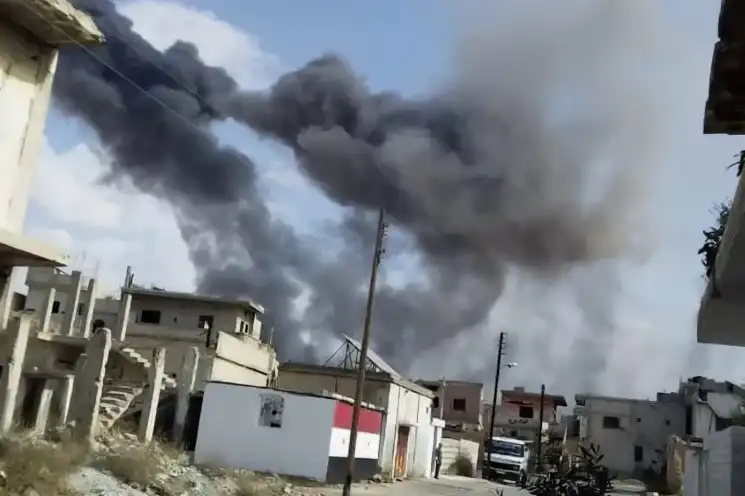
Israeli bombing of Al-Qusayr in the countryside of Homs in Syria

The Syrian Arab News Agency (SANA) confirmed today, Thursday, that the Qusayr area in the southern countryside of Homs in the central region was subjected to Israeli shelling, which led to the injury of civilians.


She added that the bombing resulted in material damage to the industrial area and some residential neighborhoods in the city of Al-Qusayr, and that the bombing also resulted in a large cloud of smoke that covered large parts of the area.


The agency did not mention what the Israeli bombing was targeting, but Israel has targeted leaders in Hezbollah and the Iranian Revolutionary Guard in Damascus in recent weeks, in addition to targeting sites in central Syria and coastal cities, amid a ground incursion into Quneitra in the south.


Israel has been launching raids on Syria for years and has intensified these attacks since the start of its war on the Gaza Strip on October 7, 2023.

ARAB AND WORLD

Thu 31 Oct 2024 12:32 pm - Jerusalem Time

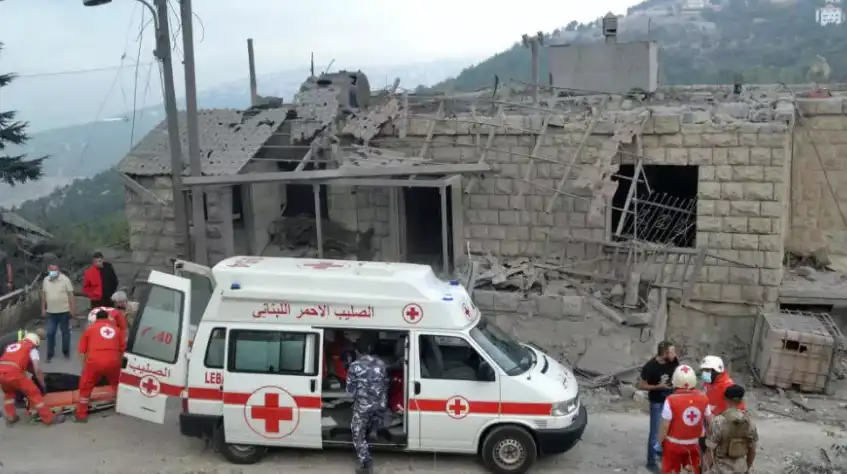
Lebanese Health: 173 paramedics killed and 277 others injured since the start of the aggression

The Lebanese Ministry of Health announced today, Thursday, the martyrdom of a paramedic and the injury of two others, as a result of the Israeli raid that targeted an ambulance in the town of Zefta, southern Lebanon.


The Lebanese Health Ministry said in a press statement that with the martyrdom of the paramedic, the total number of martyred paramedics since the beginning of the aggression has risen to 173 dead, the number of wounded to 277, and the number of targeted vehicles to 243.

ARAB AND WORLD

Thu 31 Oct 2024 12:11 pm - Jerusalem Time

Israel claims to thwart arms smuggling from Egypt

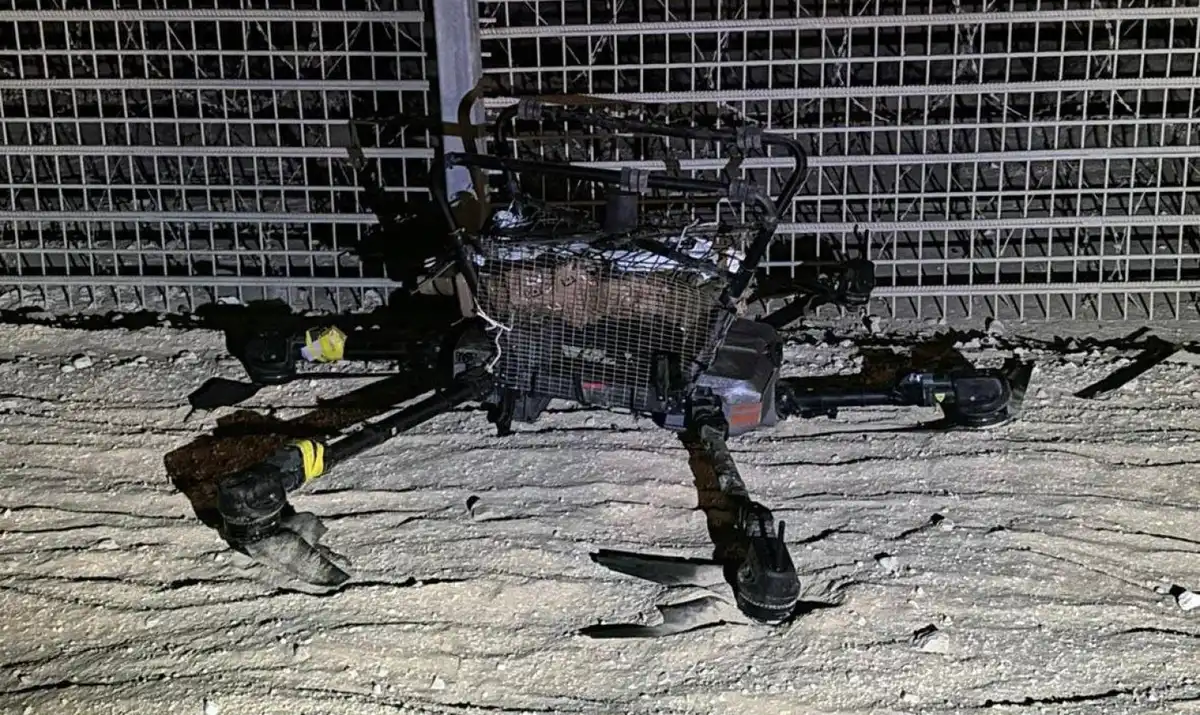
The Israeli occupation army said on Thursday that it had shot down a drone smuggling weapons from Egyptian territory to Israel on Wednesday.


The Israeli army said in a statement that the march was smuggling rifles and pistols that crossed from Egyptian territory into Israeli territory.


The army said in a statement on the X platform: “Last night, Israeli army forces repelled a drone that crossed from Egyptian territory into Israeli territory in the area of the Baran Brigade. The drone was shot down.”


The statement added that an Israeli army force found four rifles and a pistol after shooting down the drone. The weapons found were handed over to the security forces.


Israeli officials said during the war that Hamas used tunnels running under the border with Egypt's Sinai region to smuggle in smuggled weapons. Egypt says it destroyed the tunnel networks leading to Gaza years ago and created a buffer zone and border fortifications to prevent smuggling.

PALESTINE

Thu 31 Oct 2024 12:03 pm - Jerusalem Time

Two days after the decision to ban it: Israel demolishes the UNRWA office in Nour Shams camp

  1. Today, Thursday, the Israeli occupation forces demolished the office of the United Nations Relief and Works Agency for Palestine Refugees (UNRWA) in Nour Shams camp, east of Tulkarm.


    The head of the Nour Shams Camp Services Committee, Nihad Al-Shawish, said in a phone call with the official news agency, WAFA, that the occupation bulldozers demolished the UNRWA office located in the middle of the camp and razed its outer walls.


    Al-Shawish explained that Nour Shams camp includes two UNRWA schools, one for girls and the other for boys, and both provide educational services to a total of 1,536 according to data for the 2022-2023 academic year.


    He pointed out that the camp also contains a health center that provides primary health care services, including reproductive health services, infant and child care, vaccinations and medical examinations, and a dental clinic, all of which are run by the UNRWA office.


    Last Monday, the Israeli Knesset approved, in the second and third readings, a law banning the activities of the United Nations Relief and Works Agency for Palestine Refugees (UNRWA), despite international and UN warnings about the danger of this legislation, which violates international and UN charters and laws.


    The law aims to “prevent any UNRWA activity in the territory of the State of Israel,” and states that “UNRWA will not operate any representative office, will not provide any service, and will not carry out any activity, directly or indirectly, in the territory of the State of Israel.”


    Under the law, the 1967 agreement that allowed UNRWA to operate in Israel is cancelled, and the agency's activities in Israel and the occupied Palestinian territories are therefore halted, and any contact between Israeli officials and its employees is prohibited.


    UNRWA was established by a resolution of the United Nations General Assembly in 1949, and was mandated to provide assistance and protection to Palestine refugees in its five areas of operation: Jordan, Syria, Lebanon, the West Bank and the Gaza Strip.

ARAB AND WORLD

Thu 31 Oct 2024 11:39 am - Jerusalem Time

US-British raid on Hodeidah, German ships avoid Red Sea

The Yemeni Houthi group announced, at dawn on Thursday, that the US-British coalition launched an air strike on the coastal province of Hodeidah in western Yemen, while the German Navy announced that it was avoiding the Red Sea due to the "Houthi threat."


Al Masirah TV, the mouthpiece of the Houthi group, said in a news item on its breaking news feed, "An American-British aggression targeted an area near Hodeidah University in Al Hawak District with an airstrike," but it did not mention the name of the area.


According to the channel, "the US-British coalition aircraft targeted Hodeidah International Airport with two raids last night, Wednesday."


Hodeidah is one of the most important Yemeni governorates, as it contains an international airport and 3 vital ports, and has a long coastal strip.


German caution

Germany's defense ministry said two German warships are avoiding the Red Sea and sailing around Africa instead for fear of Houthi attacks on passing shipping.


German Defense Ministry spokesman Colonel Mitko Mueller said at a news conference yesterday that Defense Minister Boris Pistorius "ordered a longer route for the frigate and the supply ship on their way back from a mission in the Indian and Pacific Oceans."


"The threat level in the Red Sea is very high," Mueller warned at a press conference in Berlin, citing "very sophisticated attacks" carried out there in recent months with tactical ballistic missiles, drones and other weapons.


"Unlike other German naval vessels, the two ships are not specifically designed to carry out air defence operations to protect themselves as well as nearby fleets," he said.


German Chancellor Olaf Scholz, during his visit to India last week, inspected the two ships, the frigate Baden-Württemberg and the supply ship Frankfurt am Main, in the southwestern state of Goa.


The frigate will then head to the Mediterranean to join a UN peacekeeping mission in Lebanon, while the supply ship will sail back to Germany, Mueller said.


In solidarity with Gaza, which has been facing Israeli genocide with American support since October 7, 2023, the Houthis are targeting Israeli or Israeli-linked cargo ships in the Red Sea, the Arabian Sea, and the Indian Ocean with missiles and drones.


Since the beginning of this year, a US-led coalition has been launching raids that it says target Houthi sites in various parts of Yemen, in response to their naval attacks, which have been met with occasional responses from the group.


With the intervention of Washington and London and the escalation of tensions in January, the Houthi group announced that it now considers all American and British ships among its military targets.


Most major shipping companies avoid the Red Sea route towards Egypt's Suez Canal and the Mediterranean, forcing them instead to take a longer and more expensive journey around Africa.


OPINIONS

Thu 31 Oct 2024 11:34 am - Jerusalem Time

Video| David Satterfield says situation in Gaza is 'true disaster'

The National

The National

Opinion Writer


Former US envoy for aid in Palestine tells The National the risk of famine has escalated throughout the year.

OPINIONS

Thu 31 Oct 2024 11:28 am - Jerusalem Time

Why Jordan's 1994 peace treaty with Israel is gathering dust

The National News

The National News

Opinion Writer


By Marwan Muasher

Saturday marks 30 years since the Jordan-Israel peace treaty was signed. In the decades since, has peace in the region become more attainable? Unfortunately, the answer is a decisive no.

Looking back to that day, October 26, 1994, King Hussein was reluctant to sign a peace treaty with Israel until he felt that the Syrians had reached agreement with the Israelis in a separate accord, and that the Palestinians had chosen their own track through the Oslo process. The Jordanian monarch’s motives for agreeing to such a deal went beyond water rights and recovering Jordanian land that had been occupied by Israel.

Jordan’s principal aim with regards to the treaty was to have Israel acknowledge the Jordanian state and system, prevent any mass transfer of Palestinians to Jordan, and bury once and for all the “Jordan is Palestine” argument put forward by then fringe and radical elements in the Israeli political system.

Jordan also felt it could use its newly formed relationship with Israel to facilitate Palestinian-Israeli negotiations and help establish a Palestinian state on Palestinian soil. By establishing economic and security relations between the two countries, Jordan also felt it could help moderate Israel’s position regarding the peace process with the Palestinians.

Thirty years later, none of these aims seem to have been realised. An Israel led by the likes of prime minister Yitzhak Rabin or a coalition government willing to engage in peace talks seems like a distant memory. Today, that coalition has been replaced by a right-wing government that is the result of a marriage between radical forces, both secular and religious.

Some members of today’s government, such as Israeli Finance Minister Bezalel Smotrich and National Security Minister Itamar Ben Gvir, publicly and repeatedly commit themselves to an Israel that stretches “from the river to the sea”. Prime Minister Benjamin Netanyahu has stated that a two-state solution is “a reward for terrorism” and Israeli society appears to be increasingly and permanently shifting to the right. A survey carried out by the Israel Democracy Institute in February found that 63 per cent of Jewish Israeli respondents are opposed to a Palestinian state. This sentiment was reflected in a law passed by the Knesset in July opposing Palestinian statehood in principle; the legislation was endorsed by all major Jewish Israeli parties.

After October 7, 2023, the mass killings of Palestinians in Gaza, the destruction of the territory’s infrastructure to the point where it is near uninhabitable and the attempted ethnic cleansing of Palestinians by settlers in the West Bank – supported by the Israeli army – have all revived Jordanian fears that an Israeli desire to transfer the Palestinian population seems not to have been relegated to the past.

An Israel led by the likes of prime minister Yitzhak Rabin or a coalition government willing to engage in peace talks seems like a distant memory

Radical groups in Israel that are committed to the “Jordan is Palestine” argument, were on the political fringe when the 1994 treaty was signed. Today, they are part and parcel of the Israeli government. Hopes that any successor to Mr Netanyahu would be more open to ending the occupation and establishing a Palestinian state on Palestinian soil are being dashed amid an Israeli society where the divide today is between only pro and anti-Netanyahu factions. On the issue of peace, Israeli society seems to be largely united against it.

Where does this leave Jordan? If a Palestinian state is regarded by Israel as a reward for terrorism, what then, official Jordan is increasingly asking, is Israel’s long-term plan? Is it continued occupation – basically apartheid? Is it trying to get rid of as many Palestinians as possible, through direct killings or mass transfer to reverse the current the reality of a Palestinian population that has overtaken Jewish Israelis?

The answers to the questions above seem highly problematic, not only to Palestinians, but to Jordan as well. Whereas public opinion in Jordan has been extremely hostile to Israeli policies for quite some time, these challenges have seeped into the thinking of Jordanian officials. The significance of the 1994 peace treaty to Jordan is severely diminished today, given the absence of a path towards Palestinian statehood.

One thing is clear: Jordan’s relationship with Israel after October 7 cannot be the same. The model of a warm peace that might moderate Israel and facilitate negotiations has failed. Israel today is more radical than it has been since it signed peace treaties with Egypt and Jordan. And although Jordan will not abrogate its treaty with Israel, which would result in difficulties that Amman does not want to face, the agreement is already – in the words of current Jordanian Foreign Minister Ayman Safadi, “sitting on the shelf and gathering dust”. Plans for co-operation with Israel on water and energy issues have been abandoned, and any future economic ties will be fiercely resisted by a Jordanian population more hostile to Israel than ever before.

Jordan will have to walk a tightrope in the coming period, trying to balance its relationship with the US and the international community if it maintains its current anti-Israel stance and rhetoric, and between an angry public who will reject going back to the pre-October 7 relationship with Israel.

The absence of any serious political vision to deal with the aftermath of the war can only complicate matters further. Without a vision to end the occupation, it will be difficult to argue for a warm relationship with a country that seems to have hostile designs not only against the Palestinians, but against Jordan as well. Thirty years later, the treaty has lost almost all its lustre.

OPINIONS

Thu 31 Oct 2024 10:41 am - Jerusalem Time

October 7: Between foolishness and treason

Al Arabiya

Al Arabiya

Opinion Writer

Abdulrahman al-Rashed


On the ground, Sinwar has achieved for Israeli extremists what the hardline Israeli leaders like Menachem Begin, Yitzhak Shamir, and even Ariel Sharon couldn’t. Sharon, who withdrew from Gaza in 2005, dismantled settlements, and handed the territory over to the Palestinian Authority.

  Why did Sinwar do this? I can’t say for certain why he launched the October 7 attack or who was behind it. Was it ignorance on his part, or was it orchestrated by Iran? This is what I imagine, though there is no evidence to support it.  The October 7, 2023 attack resulted in over 40,000 deaths, a quarter of a million wounded, and millions of displaced people, many of whom are now struggling to survive on just one meal a day. As winter approaches, they will need shelter and blankets. Sinwar’s assault failed to liberate even an inch of land, which he claimed was the goal. Instead, Israel has grown more powerful and more entrenched within Palestine and the broader region.  


Sinwar has internationally destroyed the Palestinian cause, accomplishing what even the infamous Abu Nidal couldn’t. The images of the Israeli dead from October 7th—children, women, and the elderly—will dominate the narrative, alongside the images of the hostages, some of whom were children, infants, and the elderly. This doesn’t excuse Netanyahu’s crimes in deliberately killing Gaza’s innocent civilians. However, Sinwar has successfully ignited a wave of mutual anger and hatred.  Sinwar has effectively buried Hamas, destroyed his ally Hezbollah, and ended Islamic Jihad’s presence in Gaza and the West Bank.  These are the outcomes of the October 7th battle. It doesn’t matter what the leaders outside Gaza claim—whether Mashal declares victory, or Khamenei celebrates Hezbollah’s “victory” as he mourns the deaths of hundreds of leaders who couldn’t even fire a single shot in defense.  Just as Bin Laden led to the downfall of al-Qaeda with the September 11 attacks, Sinwar has done the same.  If I believed conspiracy theories, I wouldn’t be able to resist the thought that Sinwar or those around him are working for Mossad, known for infiltrating Palestinian organizations, especially within Israeli prisons. The attack was carried out to justify everything that followed. The truth is incompetent leaders are more dangerous than agents.

 Under the leadership of Haniyeh, Mashal, and Sheikh Yassin, Hamas’s wars were small raids and limited operations—stabbings, car rammings, or the kidnapping of a soldier or two. Their goal was to keep the Palestinian cause alive and possibly reach political solutions, understanding the power imbalance. Then Sinwar arrived with an operation that can only be explained in one of three ways:  Either he is part of al-Qaeda, not Hamas, infiltrated the movement, rose to power, and executed a suicide mission aimed at destruction, not liberation. In this, he has succeeded.  Or, like other Hamas leaders, he is linked to Iran but acted on Tehran’s agenda without proper calculations. Iran’s regional goals, like halting India’s trade corridor or securing dominance over Iraq, were at play in the October operation. Yet neither Sinwar nor Iran has achieved their objectives.  The final possibility is that Sinwar is politically ignorant. He may not have anticipated that an attack on Israeli civilians would result in such high casualties or studied Israel’s potential response. Perhaps, in his ignorance, he thought—like many others—that Israel would refrain from fighting and instead negotiate for the hostages.


Militarily and politically, the October 7th attack has destroyed the two most significant armed organizations in the Middle East—Hamas and Hezbollah. This may serve regional and international goals, but the humanitarian catastrophe is indescribable. There seems to be no solution in sight for Gaza or Lebanon, where nearly five million people are either displaced or at risk of displacement. This is an overwhelming number, far beyond what international organizations can handle. Now is the time to unite in saving the victims of October 7th, who were neither leaders nor soldiers in these wars yet are suffering their consequences. 


We must also prevent future disasters caused by Sinwar, including the risk of civil war in Lebanon and the displacement of millions of Gazans from their land, which Israel may then seize.  The humanitarian aspect also has a political purpose: to take the next steps in correcting the long history of wrong decisions in Palestine and Lebanon.  October 7 marks a pivotal moment, and its consequences continue to unfold.

ARAB AND WORLD

Thu 31 Oct 2024 10:36 am - Jerusalem Time

Trump told Netanyahu he wanted Gaza war over by the time he took office

Former US President Donald Trump told Israeli Prime Minister Benjamin Netanyahu that he wants Israel to end the war in Gaza by the time he returns to office if he wins re-election, two sources familiar with the matter told The Times of Israel this week.


The message was first conveyed when the Republican presidential candidate hosted the Israeli prime minister at his Mar-a-Lago resort in Florida in July, according to a former Trump administration official and an Israeli official. While Trump has publicly confirmed that he told Netanyahu he wanted Israel to win the war quickly, sources who spoke to the Post revealed there was a timeline attached to that request.


The former US official said Trump was not specific in his appeal to Netanyahu, and he reiterated his support for “residual” Israeli military activity in Gaza, as long as Tel Aviv formally ended the war. Netanyahu has long maintained that Israel will maintain overall security control over Gaza for the foreseeable future after the war, and other Israeli officials have spoken of the IDF maintaining a buffer zone inside the Strip with the ability to enter areas throughout the Strip when Hamas is found to be trying to regroup.


But the prime minister indicated on Monday that Israel had not yet reached the stage of ending the conflict, telling Likud Knesset members in a leaked recording that he could not agree to Hamas's demand to end the war in exchange for the release of 101 hostages it is still holding.


Trump has indicated in recent weeks that he would give Israel greater freedom to make decisions, and has criticized U.S. President Joe Biden for trying to limit potential targets for an Israeli response to Iran’s ballistic missile attack on Oct. 1.


The former US official explained that the victory that Trump wants Israel to secure in Gaza before Inauguration Day also includes the return of the hostages. Trump warned, at the Republican National Convention in July, that those holding American hostages abroad “will pay a very heavy price” if they are not released before he takes office.