PALESTINE

Thu 28 Nov 2024 8:48 am - Jerusalem Time

Al-Quds meets with families of patients and wounded in hospitals suffering from a severe shortage of supplies and medical staff

Sick and wounded struggle with death

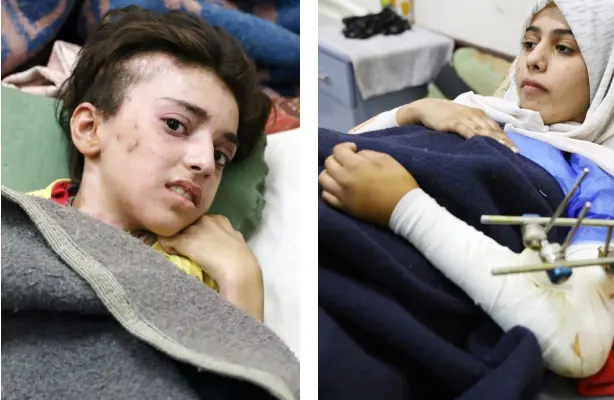
The wounded Sahar Al-Asmar is fighting for her life due to lack of treatment.. Her mother: "We are sitting here waiting for God's mercy"

The child, Mohammed Abdel Hadi, lives a real nightmare, fearing that his leg will be amputated at any moment.

Tahani Hassanein has been battling cancer for 5 years: I have two children who suffer from cerebral palsy.. I am forced to fight for them

Abu Ryan: 25 thousand patients and wounded need treatment abroad, including 10 thousand cancer patients


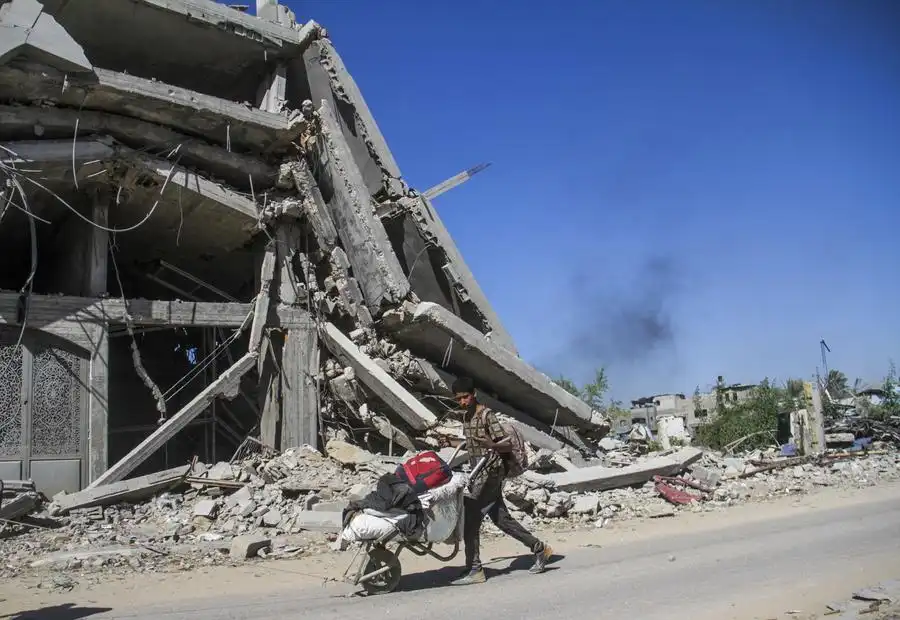
For more than a month, the girl Sahar Al-Asmar (14 years old) has been fighting for her life on the bed of Al-Aqsa Martyrs Hospital, after being injured in an Israeli bombardment. There is no treatment to save her life inside the hospitals of the Strip.


Her mother told Al-Quds.com: “Sahar suffered skull fractures, part of her brain was knocked out, and shrapnel penetrated all parts of her body.” She added: “She was going to get food from the hospice, and I refused to let her go, but God’s will was done.”


But the real tragedy is that Sahar lost control of the left side of her body due to the injury, not to mention losing the ability to speak, hear and see.


Her mother continued: “She also suffered burns to her face, and is currently suffering from bruises on her body and bronchitis, which forced doctors to implant a device in her neck for her to breathe from.”


The mother added, with tears streaming down her cheeks: "We are sitting here waiting for God's mercy."


Sahar has been in a very critical condition since she was injured. She is not receiving the necessary treatment, and all she is taking is painkillers when available. Her mother continues: “The doctors are giving her physical therapy and giving her antibiotics when available.”


Sahar needs several surgeries, the most important of which is a bone graft in her skull. Her mother is appealing to all institutions concerned with children’s and human rights to work to save her by expediting her travel abroad to receive the necessary treatment.


He flew away from the force of the explosion and landed on the rubble of the neighbors' house.


As for the child Mohammed Abdel Hadi, he lives a real nightmare and a state of terror of his leg being amputated at any moment. It has been threatened for more than three months, after he was seriously injured as a result of the occupation bombing of his family’s house in Al-Bureij camp.


The child Mohammed was thrown from the force of the explosion and landed on the rubble of his neighbors' house, where his body was torn apart and his bones broken.


His mother continued: “He suffered two fractures in his pelvis, a fracture in his thigh, a large and deep wound on the right side of his foot, and burns on his hands and feet.”


"Doctors can't implant a platinum device in his foot, because it needs a bone graft," she added.


Doctors performed more than a hundred surgeries on Mohammed, all of which were to clean the wound so that it would not become infected and filled with termites.


The mites had spread inside Mohammed's foot, and it was threatened with amputation at any moment if he did not undergo a bone graft.


His mother continued: “The doctors told me that the success rate of the operation before the war in the Gaza Strip was between 30-40%, but now there are no medical supplies or appropriate treatment to perform it.”


Mohammed's mother demands urgent intervention to enable him to travel abroad for surgery, adding: "The success rate abroad is 70-80%. I hope to help him so that he does not lose his leg and become disabled."


Cancer patients face slow death


The pain is not limited to the wounded and injured only, but also affects cancer patients who face a very slow death. Patient Tahani Hassanein (42 years old) has been suffering from uterine cancer for five years, and she is not receiving the required treatment because it is not available in the hospitals of the sector.


She told Al-Quds.com: “During the war, my condition worsened, and doctors discovered two cancerous lumps in my neck. I currently need surgery outside the Gaza Strip.”


She added: "Even the uterine operation I had before the war needs follow-up, as I am currently suffering from continuous bleeding and a bad smell is coming out of the wound."


Tahani's failure to receive treatment has worsened her condition, as she suffers from high fever and constant suffocation. She adds: "I have to sleep on three pillows, and despite that, I only sleep for an hour at night."


She added, her eyes filled with tears: “I feel something choking me from my neck... I wish I could sleep like other people. I wish someone would hear my voice so I could travel and get treatment. I have two children who suffer from cerebral palsy, so I am forced to fight for them. I die every day for them.”


Hospitals in the Gaza Strip lack medical supplies


In turn, the head of the reception and emergency department at Al-Aqsa Martyrs Hospital, Muhammad Rayyan, told Al-Quds.com: “25,000 patients and injured people need to travel outside the Strip to receive treatment, including 10,000 cancer patients.”


Ryan stressed that the hospitals in the Gaza Strip are largely lacking in medical and health supplies, adding: “Dozens of the injured are in moderate health condition, but it deteriorates in light of the severe shortage, not to mention that doctors are often forced to amputate one of the injured person’s limbs to save his life.”


Ryan pointed out that nurses and doctors inside the hospital were forced to use the same tools for more than one patient and injured person, as there was not enough equipment to use for each injured person separately.


He called on all institutions and organizations concerned with health to work quickly to transport patients and the injured to hospitals abroad to receive treatment so that they do not lose their lives.


He also called on the whole world to quickly bring in medicines and all medical supplies so that the remaining injured do not die as martyrs.


Al-Aqsa Martyrs Hospital is the only hospital that provides health and medical services to more than 200,000 citizens and displaced persons.

PALESTINE

Thu 28 Nov 2024 8:38 am - Jerusalem Time

Israeli forces injure a young Palestinian and arrest others in West Bank

This morning, Thursday, the Israeli occupation forces injured a citizen and arrested others in the West Bank.


In Tulkarm, the occupation forces arrested the young man Jawad Aws Aref, Muhammad Walid Aref (43 years old), Yusef Badawiya from Nour Shams camp, and Muhammad Shalbaya (40 years old) from Jabal al-Sayyid in the Dhnaba suburb.


In Ramallah, the young man, Muhammad Azour, was arrested after raiding his house and tampering with its contents in Kafr Malik, while the

The occupation forces raided Beitunia and arrested the young man, Wajih Al-Tarifi, after raiding his house.


A young man was also injured by Israeli occupation bullets in the town of Turmus Ayya, north of Ramallah.


Local sources reported that the occupation soldiers stationed inside a house they seized yesterday in the town, opened fire on the vehicle of a young man from the town of Al-Mughayyir, which resulted in him being shot with live ammunition in the shoulder.


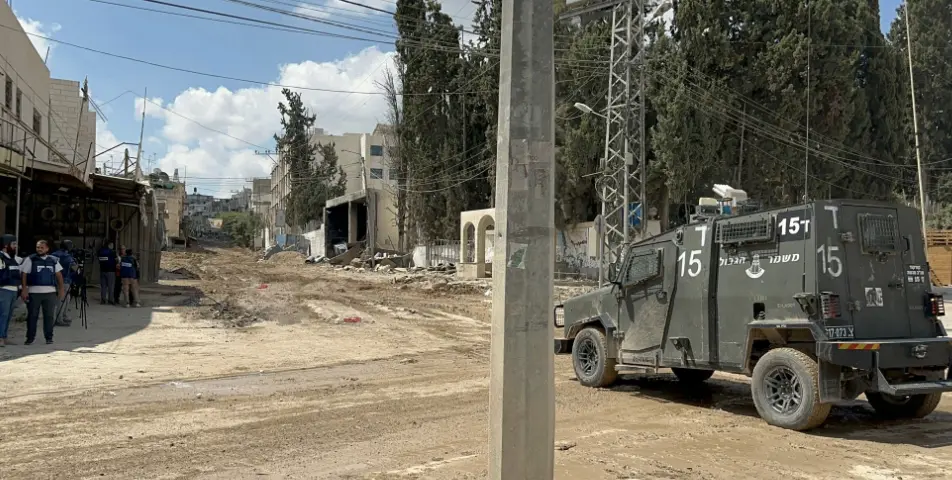
In Jenin, a large number of occupation vehicles, accompanied by a military bulldozer, stormed the town of Qabatiya from the eastern region, and spread out in several neighborhoods, while the town witnessed violent confrontations.


OPINIONS

Thu 28 Nov 2024 7:06 am - Jerusalem Time

Israel’s Trump Delusion: Why Netanyahu’s Ambition to Remake the Middle East Is Unlikely to Succeed

Foreign Affairs

Foreign Affairs

Opinion Writer

By Shalom Lipner


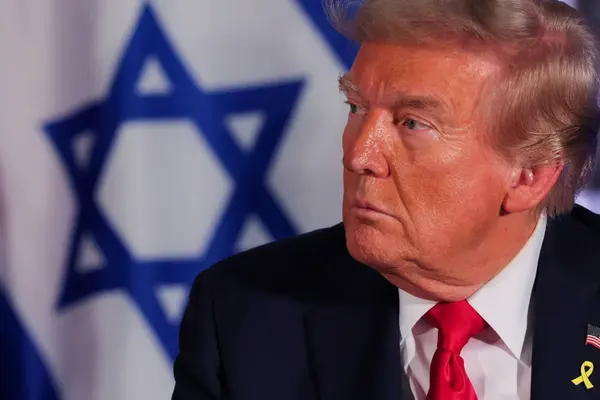
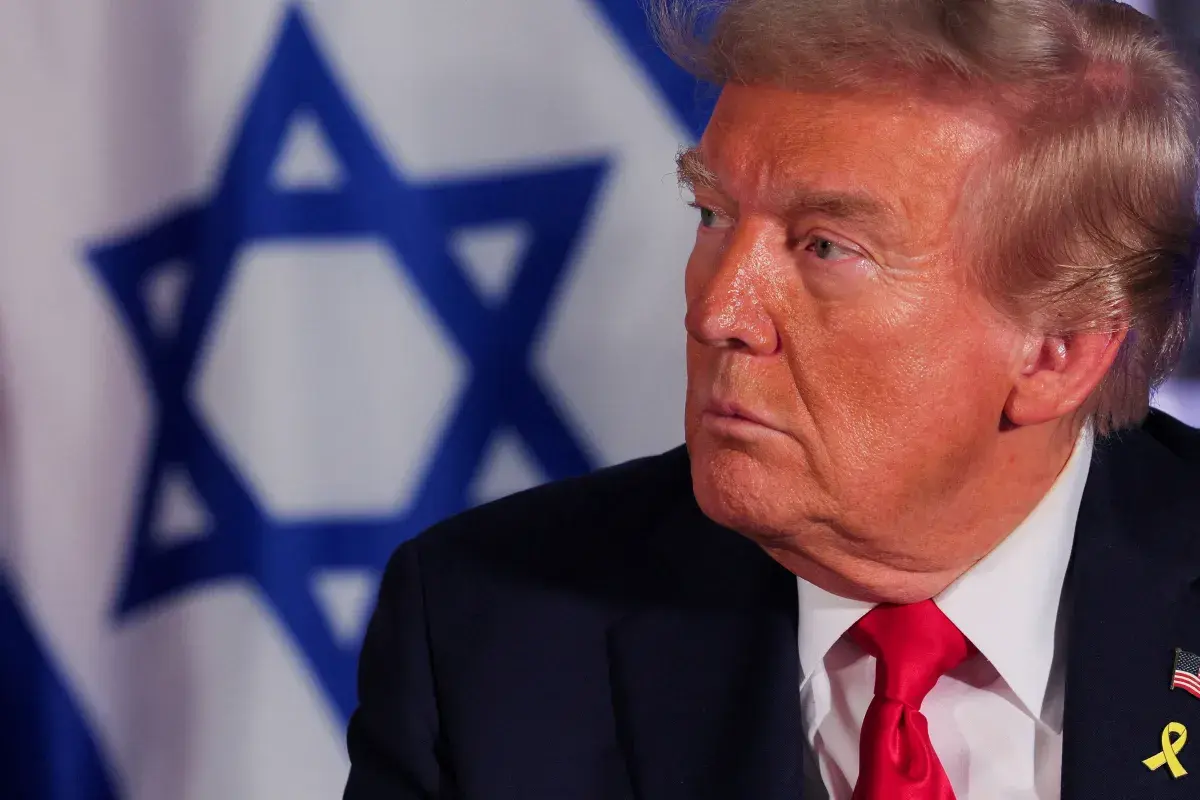
Donald Trump’s victory in the U.S. presidential election could not have come at a better time for Israeli Prime Minister Benjamin Netanyahu. More than 13 months since Hamas’s October 7, 2023, terrorist attack, Israel finds itself on a roll. Since the beginning of the year, Israel has assassinated much of the senior leadership of both Hamas and Hezbollah, decimated their ranks, and conducted precision strikes in Iran. At home, after seeing his approval rating hit rock bottom following October 7, Netanyahu has watched his popularity start to rebound.

Now Netanyahu and his government see a rare opportunity for a comprehensive realignment of the Middle East. Resisting calls for a truce, Netanyahu—with potent stimulus from his extreme right flank—is pledging to double down on his pursuit of “total victory,” however long that might take. In addition to continuing the Gaza war and laying the groundwork for a protracted Israeli security presence in the northern part of the Gaza Strip, this narrative involves imposing a new order on Lebanon; neutralizing Iran’s proxies in Iraq, Syria, and Yemen; and ultimately, eliminating the Islamic Republic’s nuclear threat. Some members of Netanyahu’s governing coalition also aspire to bury the prospects of a two-state solution forever. At the same time, Netanyahu thinks that Saudi Arabia and other Gulf countries will eventually agree to normalization with Israel. And with Trump returning to the White House, the prime minister is confident that the United States will support him.

This scheme is seductive and even carries a certain logic: after all, Trump is viewed in Jerusalem as a staunch patron of Israel who is far less concerned about international norms and institutions—and the need for restraint—than his Democratic predecessor. Moreover, the president-elect has already telegraphed plans to resume his “maximum pressure” campaign on Iran and prioritize the expansion of the Abraham Accords.

But these assumptions—both about what is possible through force of arms and the degree to which the Trump White House will back it—are dangerously overstated. Tactical battlefield successes, in the absence of political or diplomatic arrangements, cannot bring lasting security. Israel could find itself mired in multiple hot wars and responsible for the welfare of a huge population of noncombatants in both Gaza and Lebanon. Winning over the support of the Arab world will take more than the defeat of Hamas and Hezbollah and will be improbable as long as Israel’s current right-wing government is in power. Meanwhile, Trump is highly unpredictable, and Israel, having gambled on his support, could find itself isolated on the world stage. In his drive for permanent victory, the prime minister may discover that he has made Israel’s situation more tenuous.

THE BIG IDEA

Trump’s return to power arrives as regional dynamics finally appear to be going Israel’s way. After being blindsided by Hamas’s heinous attack, the Israel Defense Forces (IDF) have, during more than a year of intense operations in Gaza, laid waste to its command structure and almost completely degraded its capabilities. The 24 battalions that Hamas boasted before the war began have all been put out of commission, as have considerable sections of the group’s tunnel network. With the killing of Yahya Sinwar in October, the probability that Hamas could mount another such massacre is virtually zero.

Israel has done similar damage to Hezbollah, once feared as the central and most powerful arm of Iran’s “axis of resistance.” In addition to assassinating Hassan Nasrallah, Hezbollah’s secretary-general, along with much of the group’s upper echelon, Israel’s land incursion into Lebanon has massively depleted Hezbollah’s huge stockpile of missiles and rockets. Meanwhile, Israeli planes have made frequent sorties over Syria and even bombed Houthi infrastructure in Yemen, more than 1,000 miles away. Israeli commando units have captured high-value assets in Lebanon and Syria. Finally, there is Iran itself, whose military complexes were significantly impaired by Israel’s precision strikes in October: in an operation involving three waves of aircraft, Israel incapacitated a nuclear weapons research laboratory, ballistic missile production facilities, air defense systems, and ground-to-ground launchers across several regions of Iran.

Before the U.S. elections in November, these military gains came at the cost of growing friction with the United States. Although the Biden administration sustained Israel militarily, economically, and diplomatically—including a first-ever wartime visit to Israel by a U.S. president—it showed frequent disapproval of the way Israel was conducting the war, and U.S. President Joe Biden was often directly at odds with Netanyahu. There were continual clashes over the Netanyahu government’s lack of enthusiasm for cease-fire negotiations and its reluctance to expand the distribution of humanitarian aid in Gaza. For the prime minister, an election victory by Vice President Kamala Harris portended even more tension with Washington, perhaps even growing limits on U.S. backing for Israel.

By contrast, Netanyahu and his allies envisage that the incoming Trump administration will bring unqualified U.S. support for Israel. That assumption has given new fuel to the most expansionist—or even messianic—aspirations of Israel’s ascendant right wing, which hopes that, once the IDF obliterates its adversaries, all the naysayers might recognize the futility of trying to defeat Israel and, instead, pursue peace with it. Israel will strengthen its grip over the West Bank and, according to some of Netanyahu’s coalition partners, Gaza. Everybody—or at least all the important regional players—will live happily ever after.

As for the mechanics, Netanyahu’s coterie intends to keep on grinding Hamas to a veritable pulp, however much destruction of Gaza that entails. Now, Israel’s leaders are also counting on the support of Trump, who advised Netanyahu in October to “do what you have to do” to finish the job. At the same time, the Israeli government has made almost no serious endeavor to plan for postwar governance in Gaza—where it has stymied efforts to reintroduce the Palestinian Authority—intimating that the IDF will stay on indefinitely. Members of Netanyahu’s cabinet are pushing spiritedly to encumber Gaza’s reconstruction and rebuild Jewish settlements in the strip, while also petitioning for annexation of the West Bank.

Israel is already seeking to leverage the decapitation of Hezbollah into a broader remaking of Lebanon. Anxieties over how a volatile Trump might engage on the issue—which he apparently perceives as a nuisance—are an impetus to move the process across the finish line before he takes office. Israel is consenting to a souped-up UN Security Council Resolution 1701—the 2006 resolution that was supposed to end hostilities between Hezbollah and Israel, in part by forcing Hezbollah north of the Litani River—that would enshrine the IDF’s freedom to operate in Lebanon if the agreement is violated. Israel also hopes that an invigorated Lebanese army could ultimately assert full authority over southern Lebanon.

Netanyahu and his government see a rare opportunity to realign the Middle East.

The linchpin of this bold project will be enlisting additional teammates to join Israel’s squad. Houthi piracy in the Red Sea has compelled the United States to join with the United Kingdom to launch missile strikes against Houthi strongholds in Yemen. The Israeli government is mindful of the broad international support that crucially came to its aid during Iran’s massive direct missile attack in April, when Israel’s protective umbrella was made up of not only France, the United Kingdom, and the United States but also, more remarkably, Jordan, Saudi Arabia, and the United Arab Emirates.

Israel hopes to build on those precedents and expand that cooperation. In that vein, the United States and the UAE have figured prominently in Israeli thinking about an eventual international mission for Gaza (although the Emiratis have said that they will not participate unless invited formally by the Palestinians). Iran is another theater where Israel would prefer not to act alone. Although the scenario of a head-on, U.S.-led military confrontation with Iran—one that would culminate in the ruin of Tehran’s nuclear program and the overthrow of the Islamic regime—has not been embraced by mainstream Israeli decision-makers, it nonetheless animates discussion among the far right.

In the final act, the Netanyahu government hopes that these convulsions will cause other regional powers to reach a permanent accommodation with Israel. Crown Prince Mohammed bin Salman of Saudi Arabia, they imagine, will lead the charge of Arab and Islamic rulers lining up to normalize relations. By this reckoning, Trump, who cultivated productive ties to the Saudis and their Gulf neighbors during his first administration, will be the ace up Israel’s sleeve. Coalition hard-liners such as Finance Minister Bezalel Smotrich and National Security Minister Itamar Ben-Gvir wager that, with Washington letting the Israeli government more or less have its way, the Palestinians—bereft of their traditional sponsors and left with few remaining options—will be forced to accede to their terms. This would likely mean civil rights without political rights and leaving Israeli settlements untouched.

THE WAR FOR MORE WAR

To understand why the ambitions of Netanyahu’s right-wing coalition have such potency right now, it is necessary to grasp how Trump is perceived in Israel. Many Israelis anticipate that the new U.S. administration—directed by a man whom Netanyahu once crowned “the greatest friend that Israel has ever had in the White House”—will support their country unconditionally. Trump’s nomination to his foreign policy team of stalwart advocates of Israel, such as Senator Marco Rubio for secretary of state, former Governor Mike Huckabee as ambassador to Israel, and Representative Elise Stefanik as ambassador to the United Nations, adds ballast to that notion.

Outside the United States, Israeli officials are hopeful that—beyond a green light from Trump—they might face only minimal resistance from other capitals in their plans to ratchet up pressure on Iran. In August, France, Germany, and the United Kingdom warned Tehran and its allies that they would hold them responsible if Iran chose to escalate further. Other reassuring signs have come from Israel’s regional partners, which are also threatened by Iran-sponsored aggression. Israeli officials have taken note of the fact that the Abraham Accords have withstood the past year of war, and they have followed persistent talk between U.S. and Saudi principals suggesting that Riyadh could eventually be persuaded to enter a deal.

Alongside these external considerations, Netanyahu is also under pressure to heed the wishes of his coalition, without whose backing he would lose office. Foremost among that chorus are Smotrich and Ben-Gvir, right-wing ideologues who were once believed too radical for conventional politics and who are demanding that Israel press on until all its nemeses are annihilated. Within a week of the U.S. election, Smotrich proclaimed that Trump’s return means that “2025 will, with God’s help, be the year of [Israeli] sovereignty in Judea and Samaria”—a designation for the West Bank. Their implacable insistence, which lives in symbiosis with Netanyahu’s political survival instincts, has become a continual roadblock to members of the security establishment who would prefer for the IDF to wrap up its offensive.

To a degree, these arguments have gained traction in Israel. A growing consensus has embraced the view that pre-October 7 approaches to Israeli security, such as “mowing the grass”—the notion that extremist groups could be contained by periodic IDF maneuvers—are inadequate. Many Israelis now conclude that, with society already fully mobilized, unrelenting war may be the best avenue to establish and maintain security. In recent months, additional momentum has come from the tactical successes of the IDF, which have whetted the public’s appetite for more. Dramatic gains against Hamas and Hezbollah over the past few months—flying in the face of Biden administration officials, who argued that ground invasions in Gaza and Lebanon were doomed—have lent support to those who want to destroy every last trace of those organizations, regardless of the cost in civilian lives and the postponement of peace.

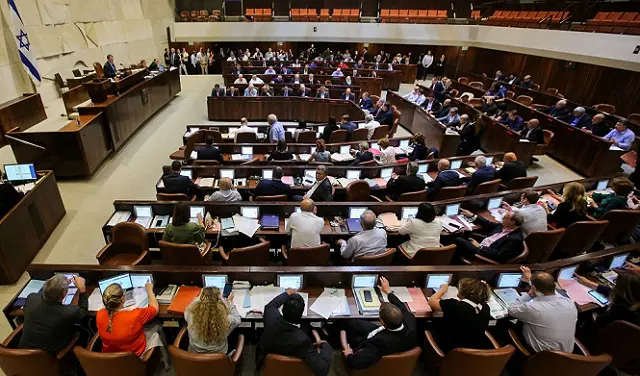
Given the haplessness of the opposition in the Knesset, Israel’s parliament, Netanyahu has been able to continue the war without much challenge. Many of the country’s usual gatekeepers, including the attorney general and the director of Israel’s Shin Bet security agency, have been put on the defensive. For the prime minister, prolonged combat operations serve the dual objective of repairing broken Israeli deterrence and deflecting attention from his dismal performance on—and after—October 7. Even protests by the families of Israeli captives in Gaza have posed little obstacle. For months, these families have—with Biden’s strong personal encouragement—been calling for a hostage deal, and they also enjoy appreciable popular support. But Netanyahu has been able to count on his right flank, along with pushback from those who oppose Hamas’s conditions for a hostage release, to overcome these pockets of resistance. And with the advent of Trump, it is assumed, the United States will put less, rather than more, pressure on Israel to close out its military campaigns.

MISREADING MAGA

But Netanyahu and his allies are underrating the myriad problems that undermine these grand ambitions. For one thing, Iran and its surrogates will not disappear. Already, Hamas, Hezbollah, and the Houthis are demonstrating resilience and beginning to regroup. They have substantial leftover firepower and remain capable of pounding Israel daily with hundreds of rockets, ballistic missiles, and drones that kill Israelis and destroy their property. Even as these groups fail to overwhelm Israel’s air defenses, they have succeeded in wreaking general havoc, constantly scrambling Israelis to bomb shelters, and disrupting the flow of Israelis’ lives. Dreams that these factions might imminently capitulate are fantastical. And the expectation that Iranians, Lebanese, Palestinians, and Yemenis are going to rise up immediately and throw off the yoke of their brutal oppressors seems more like wishful thinking than informed analysis.

As important, any grandiose Israeli designs for the region will not materialize without significant help from Washington. And at a time when Israel’s dependence on the United States has never been more apparent, Israeli assumptions about Trump’s unwavering patronage appear naive. Notably, the president-elect’s shout-out to “Arab American” and “Muslim American” voters for facilitating his victory could augur a recalibration that—along with Trump’s general aversion to wars and U.S. military commitments overseas—finds the incoming administration more skeptical of Israeli prerogatives.

After all, Trump ended his first term hurling epithets at Netanyahu, and he has made it abundantly clear that he has no desire for Israel to drag on hostilities. When the two leaders met in Florida in July, Trump told Netanyahu to complete the war before Biden leaves office. Backers of Israeli settlement construction in the West Bank are among Trump’s biggest supporters, but they may soon be reminded that he feels little obligation to their agenda. It is worth recalling that “Peace to Prosperity”—Trump’s short-lived 2020 Israeli-Palestinian peace plan—countenanced the eventual creation of a Palestinian state and was assailed by settler leaders for “endangering the existence of the State of Israel.”

Trump’s general foreign policy positions could be equally problematic for Israel. After telling journalists in September that “we have to make a deal” with Tehran, he went on to comment a month later that he would “stop the suffering and destruction in Lebanon.” His declared reluctance to contributing U.S. forces and funds abroad heralds a major sea change for Israel, where the Pentagon has just deployed a sophisticated THAAD antiballistic missile battery along with 100 U.S. troops to operate it. Even if Trump does not withdraw the resources that Biden has consigned to Israel, his isolationist tendencies may portend reduced support in the future, thereby constraining the IDF’s freedom to maneuver.

Other international powers are showing even less patience for Israeli truculence. France, Germany, and the United Kingdom—which did not join in Israel’s defense umbrella for Iran’s second missile attack in October—have all restricted weapons exports to Israel, citing concerns over compliance with international law. (In October, the Biden administration also threatened to limit arms transfers if humanitarian-aid deliveries to Gaza did not improve, though it has not yet taken such action.) Historically unfriendly forums for Israel, such as the United Nations, the International Court of Justice, and the International Criminal Court, have also weighed in on the subject of its present conduct, including, on November 21, the ICC’s approval of arrest warrants for Netanyahu and former Defense Minister Yoav Gallant for alleged war crimes in Gaza. This growing international pressure could have negative consequences for the IDF’s operational autonomy, as well as for the ability of Israelis to engage in commerce and to travel overseas.

Alongside these considerations is Israel’s own domestic situation, which Netanyahu may think is more favorable to him than it is. After more than a year of relentless warfare, a fatigued Israeli public knows that more than 100 hostages are still imprisoned in Gaza and tens of thousands more remain displaced from their homes. IDF reservists have spent hundreds of days in uniform, away from their families and livelihoods. The rage they feel toward those who shirk that responsibility—predominantly, the ultra-Orthodox (the haredim), whose representatives in the Knesset are key members of Netanyahu’s coalition—is palpable. For many of those on active duty, the enthusiasm to carry out the government’s directive is fading.

Meanwhile, Netanyahu’s senior staff has been implicated in the extortion of IDF officers and apparent forgery of official protocols to cover up government misdemeanors. One of his spokesmen has been indicted for endangering national security on suspicion of falsifying and leaking classified intelligence in order to validate the cabinet’s intransigence on a hostage deal. And the prime minister himself, having exhausted all appeals, must finally face the court in his own corruption trial. He is scheduled to testify before year’s end.

On November 5, Netanyahu dismissed Gallant—a former general and the Biden administration’s most trusted Israeli interlocutor—and replaced him with a politician who lacks military credentials. A purely political move, it was evidently intended to placate Netanyahu’s haredi coalition partners, who have threatened to leave the government unless legislation is fast-tracked to exempt their population from IDF service, a law that Gallant (along with much of the Israeli public) scorns. The primacy that Netanyahu accords self-preservation over national security and even social cohesion is increasingly demoralizing the broad swath of the population that make up the backbone of Israel’s citizen army and modern economy.

COLLIDING WITH REALITY

Notwithstanding its battlefield triumphs, Israel faces genuine peril. Its ability to successfully end the current conflicts will depend heavily on how Netanyahu manages relations with the next U.S. president. Untethered to any considerations of reelection, Trump may be even more ready to follow his most transactional instincts. Netanyahu will need to walk a high wire, circumventing any grudges that Trump may still harbor and moving adeptly to bring their goals into alignment. Ironically, Netanyahu’s most formidable obstacle could prove to be the same right-wing parties that are keeping him in power.

At present, Israeli forces risk sinking deeper into Gaza and Lebanon, both of which, despite Israel’s military dominance, show signs of becoming Vietnam-style quagmires. Hezbollah has said it would attack Tel Aviv again if Israel continues to attack Beirut. Iran has vowed fierce revenge for Israel’s retribution. Meanwhile, the IDF lacks fresh soldiers and cannot, for now at least, overcome debilitating shortages of both offensive and defensive ammunition without further assistance. For now, the hostages—nobody knows for certain how many of them are still alive—remain in Gaza, and the displaced are unable to return to their villages in the north, despite Israel’s ongoing incursion in Lebanon.

Israel’s defense chiefs have informed Netanyahu that they have achieved all their objectives in Gaza and Lebanon. They support making concessions to repatriate the captives from Gaza and terminate the conflict in Lebanon. The IDF and the Shin Bet are confident that they can insulate Israel from future acts of aggression from Hamas and Hezbollah. That evaluation conforms comfortably with the thinking of both Trump—who wants quiet, quickly—and Biden, who would like to see a cease-fire in Gaza and a deal in Lebanon before the end of his presidency.

On one level, it appears that Netanyahu also wants to move in this direction. According to reports, in the wake of the U.S. election, he, too, is now toiling to deliver a cease-fire with Hezbollah, as a “gift” to Trump: doing so now, the reasoning goes, would allow Israel to focus its labors on the more serious threat from Iran and to enlist Trump—who famously pulled out of the Iran nuclear deal in 2018—in putting Tehran’s feet to the fire. But any such move by Netanyahu will be opposed by Smotrich and Ben-Gvir, who interfere incessantly with hostage negotiations and have said they will topple the prime minister if he consents to any truce. Their maneuvering to impose long-term Israeli control over Gaza and the West Bank runs counter to any efforts to reduce the IDF’s footprint in those areas and could situate Netanyahu’s Israel on a collision course with Trump.

The president-elect will be similarly frustrated to discover that making any headway with Saudi Arabia will be out of the question, probably for the duration of the current Israeli government. Smotrich and Ben-Gvir will never commit to paying the minimum price that Riyadh demands—some kind of pathway to Palestinian statehood. From their perspective, although the Abraham Accords are nice to have, nothing can compare with cementing Israeli control over the entire “land of the Patriarchs.” Moreover, Saudi Arabia may have very little inclination to antagonize Iran, as shown by the cordial reception given to Iran’s foreign minister, Abbas Araghchi, by Arab states—including Jordan, Egypt, Qatar, and Oman, as well as Saudi Arabia.

Netanyahu will have to read the tea leaves correctly. He needs to seize the moment and wind down Israel’s wars before they begin to cause more harm than good and—no less fatefully—create a rift with Trump. If Netanyahu can stand up to his coalition partners, he might still be able to end the conflicts and leave Trump the clean desk he asked for. But time is short. And if the prime minister chooses instead to run out the clock, he will face the impossible task of trying to satisfy Trump and, at the same time, appeasing Smotrich and Ben-Gvir. Israel should brace itself for more turbulence ahead.


 

OPINIONS

Thu 28 Nov 2024 7:04 am - Jerusalem Time

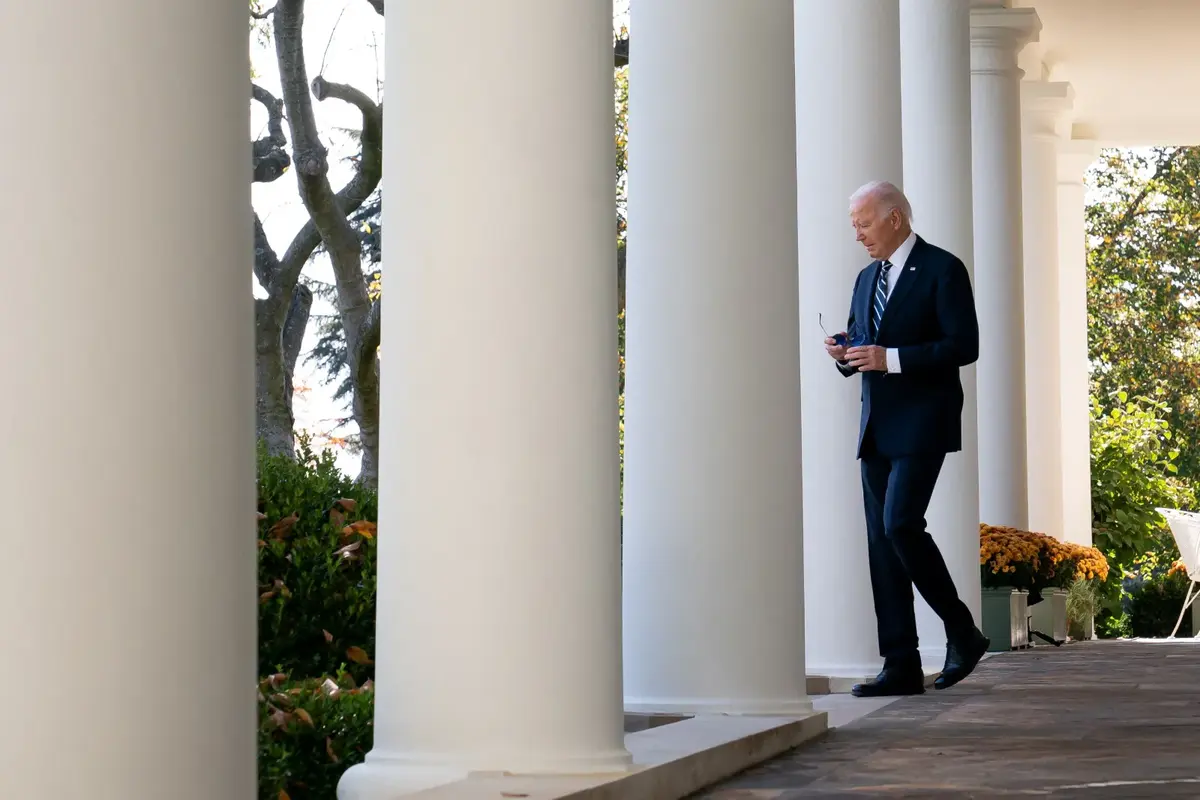
How Biden Can Salvage Middle East Peace—and His Legacy

Foreign Affairs

Foreign Affairs

Opinion Writer

By Jonah Blank

A Lame-Duck Agenda to Save Palestinian Lives and Bolster Israel’s Long-Term Security

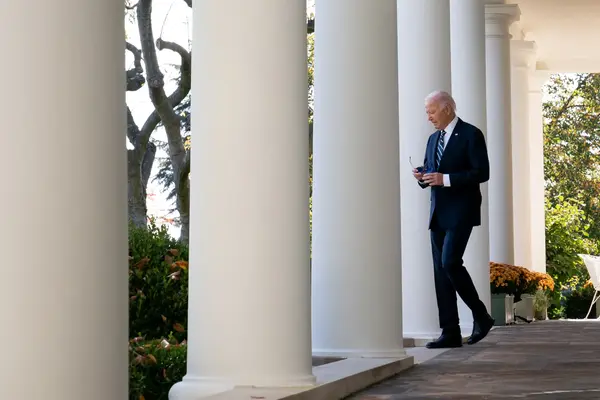
When U.S. President Joe Biden leaves office in January, the already faint prospect of a two-state solution to the Israeli-Palestinian conflict may follow him out the door. Israeli Prime Minister Benjamin Netanyahu rejects the very concept. Biden’s successor, President-elect Donald Trump, spent his first term actively promoting Netanyahu’s most expansionist dreams. Biden has so far failed to achieve his highest goals for the Middle East—but in his final days he can single-handedly reset the Israeli-Palestinian equation, preserve the potential for a two-state solution, and rescue much of his tarnished legacy. His status as a lame duck paradoxically gives him the power to do things possible only for a leader whose next step is retirement.

Since the creation of the state of Israel in 1948, the only moments when the Israeli-Palestinian conflict has seemed potentially solvable have been times when the United States has taken charge. And domestic politics have always limited the amount of pressure any American president can apply. Biden now has an opportunity that none of his predecessors had: he has been relieved of all domestic political constraints at a moment when U.S. pressure is clearly needed. Each of his predecessors has had a lame duck period, but none have coincided with such a decisive moment in the conflict.

The status quo suits nobody. Palestinians are the most obvious victims. In the past year, Israeli forces have killed over 40,000 people in Gaza, as well as around 700 in the West Bank (where Hamas is not in control). Israel is ensnared in a trap of its own making: it cannot retain its identity as both a democracy and a constitutionally Jewish state while maintaining an occupation through which it rules over five million Palestinians who are not citizens of Israel. The United States, by providing diplomatic cover for an occupation that most of the world considers illegal—and by providing the weaponry on which this occupation relies—has torpedoed its credibility, limiting its ability to champion international law and criticize bad actors such as China, Iran, and Russia. Something must give.

Biden’s personal warmth for the Israeli people runs deep, but it is not exclusive. I saw this firsthand when I worked for him for nine years on the Senate Foreign Relations Committee. I had no experience in government, having trained as an anthropologist who specialized in Islam. Biden hired me to help him understand communities across the Middle East and Asia with which he had little experience. Empathy is Biden’s superpower, and I have seen him display it frequently for people well outside his circle of familiarity. It is past time for him to demonstrate genuine empathy for the Palestinian people, who have suffered immensely during an Israeli onslaught that Biden’s own policies have enabled.

There are three significant steps Biden could take during his final weeks, purely through executive action, that would mitigate Palestinian suffering and preserve the possibility of a two-state solution—which would also be the best way to solidify Israel’s security in the long run. Biden should recognize Palestinian statehood, sponsor a resolution on a two-state solution at the UN Security Council, and enforce existing U.S. legislation on arms transfers. These three actions would be relatively simple—and difficult to undo. And together, they could help change the trajectory of the Middle East, which is hurtling toward catastrophe.

GETTING IT DONE

Recognizing Palestinian statehood isn’t nearly as radical as it sounds. Currently, 146 of the 193 countries in the UN recognize Palestinian statehood, including more than a dozen NATO allies. If the United States shifted its position, the rest of the international holdouts might likewise do so overnight. Biden should recognize Palestine the same way President Harry Truman recognized the state of Israel in 1948, just 11 minutes after the nation’s self-creation: with a stroke of the pen. In Truman’s case, official recognition consisted merely of a typewritten statement that read, “This Government has been informed that a Jewish state has been proclaimed in Palestine, and recognition has been requested by the provisional Government thereof. The United States recognizes the provisional government as the de facto authority of the new State of Israel.” At the time, the armies of Israel and four of its neighbors were still fighting over the UN’s plan for two nations—one Jewish and one Palestinian—and the language of this presidential recognition did not bind the United States to support any specific details of an eventual settlement. Biden should draft a similarly simple statement, or even use Truman’s bare-bones formulation as his model.

Biden should also sponsor a UN Security Council resolution to establish an international consensus for a two-state solution. The current international framework for the settlement of the Israeli-Palestinian conflict remains limited to Security Council resolutions 242, 338, and 1397. Resolutions 242 and 338, passed in the immediate aftermath of the Six-Day War of 1967 and the 1973 war, respectively, call for a cessation of fighting and return of territories captured (presumably, to Egypt, Jordan, and Syria). Neither resolution says anything about the Palestinian inhabitants of these territories or even mentions the word “Palestinian.” Resolution 1397, passed in 2002, merely affirms “a vision of a region where two States, Israel and Palestine, live side by side within secure and recognized borders.”

Biden could organize the passage of a resolution that explicitly recognizes a sovereign Palestinian nation in the territories Israel has occupied since 1967. There are no likely vetoes: China and Russia already recognize Palestinian statehood, and leaders from France and the United Kingdom have, over the past year, signaled their willingness to grant such recognition before a negotiated settlement is complete.

No lame duck period has coincided with such a decisive moment in the Israeli-Palestinian conflict.

Finally, Biden must enforce existing U.S. laws regarding arms transfers to Israel. One of the worst-kept secrets in Washington is now out in the open: U.S. laws on arms transfers have an invisible asterisk for Israel. There are at least two major pieces of legislation that are long overdue for application. The so-called Leahy law—or more properly, Section 620M of the Foreign Assistance Act of 1961, as amended in January 2014—governs U.S. military aid dispersed by the Department of State. (This measure, and another that governs aid dispersed by the Department of Defense, gets its name from its sponsor, Patrick Leahy, a Democrat from Vermont who served as a U.S. senator from 1975 to 2023 and who was a leading congressional advocate of human rights.) Its language is unambiguous: “No assistance shall be furnished under this Act or the Arms Export Control Act to any unit of the security forces of a foreign country if the Secretary of State has credible information that such unit has committed a gross violation of human rights.”

This law applies to all countries receiving U.S. military assistance. “Department officials insist that Israeli units are subject to the same vetting standards as units from any other country,” Charles Blaha, a recently retired diplomat, wrote in June 2024. “Maybe in theory. But in practice, that’s simply not true.” His words carried particular weight: for seven and a half years, Blaha was the State Department official in charge of vetting transfers to make sure they complied with the Leahy law. A few weeks earlier, Leahy himself, now retired, had also blown the whistle: “Since the Leahy law was passed, not a single Israeli security force unit has been deemed ineligible for U.S. aid,” he wrote, “despite repeated, credible reports of gross violations of human rights and a pattern of failing to appropriately punish Israeli soldiers and police who violate the rights of Palestinians.”

The arrest warrants issued last week by the International Criminal Court for Netanyahu and former Israeli Defense Minister Yoav Gallant seem to constitute “credible information” of gross violation of human rights—as would a large number of other well-documented actions by Israeli authorities since October 2023. The State Department has received nearly 500 reports of Israel using U.S.-supplied weapons in attacks on civilians in Gaza. After Israel’s invasion of Lebanon last month, the UN High Commissioner for Human Rights accused Israel of committing “atrocities in Lebanon, including acts of violence intended to spread terror among civilians and indiscriminate warfare.”

The second piece of legislation that Biden should enforce is the Humanitarian Aid Corridor Act. This statute forbids all arms transfers to any country that “prohibits or otherwise restricts the transport or delivery of United States humanitarian assistance to any other country.” Israel’s persistent refusal to permit more than a dribble of aid into Gaza led the Biden administration to spend $230 million constructing an elaborate floating pier this spring—which was operational for only three weeks and managed to deliver even less aid during that time than the trickle that flowed in by road in just four days during the same period. In August, an oversight report by the Inspector General of the U.S. Agency for International Development determined that the Israel Defense Forces had improperly prioritized their own operational and security requirements over the delivery of humanitarian aid.

Three weeks before Election Day, the U.S. secretaries of state and defense publicly informed Israel that it had one month to make good on promises it had made in March of this year to remove impediments to humanitarian efforts, specifically citing the Humanitarian Aid Corridor Act. But the deadline passed on November 12 without any American response. Netanyahu successfully called Biden’s bluff.

LOCKED IN

Could any of these executive actions survive the presidential transition? After all, Trump spent his first term enabling Netanyahu’s agenda, and his cabinet picks suggest his administration will do little to rein in Israel.

Trump could try to wheel back the application of relevant laws governing the transfer of arms. The Humanitarian Aid Corridor Act contains a presidential waiver, so he could undo any decision to invoke it without suffering much more than international ridicule. But the Leahy law that governs the State Department contains no such loophole. Once the department has officially acknowledged that “credible information” of gross human rights violations exists, it legally cannot decide to continue delivering weapons. Trump could not legally instruct his secretary of state to simply determine the Leahy requirements had been met. The only legal off-ramp would be a carefully calibrated process by which the parties guilty of gross abuses are “remediated”—meaning that the only pathway out of a Leahy prohibition for a country deemed guilty of gross human rights violations is to stop committing gross human rights abuses.

Trump could try to revoke recognition of a Palestinian state. But there is no precedent for such an action. The United States has formally recognized nearly 200 states, but it has never, as far as I can determine, formally recognized the nonexistence of one. Trump can direct his lawyers to declare anything he wishes, but once nearly every country in the world has acknowledged Palestinian statehood, it would be a rather lonely fight. And a UN Security Council resolution mandating a two-state solution would be beyond the ability of any American president to overturn.

Recognizing Palestinian statehood isn’t nearly as radical as it sounds.

This program of executive action would hardly create a new peace process, but its effect would be significant. First, it would keep the prospect of Palestinian self-determination alive, albeit on life support; without such action, Israel is likely to annex some or all of the occupied territories over the next four years. Second, it might change the political dynamic within Israel itself: a two-state solution remains the only possible way for Israel to retain its identity, and Netanyahu’s far-right government remains deeply unpopular. Third, it would give the United States the leverage to pressure Israel into a history-making deal; Trump has displayed no sympathy for the Palestinians, but he has demonstrated a deep desire to go down in history as a geopolitical deal-maker.

Less than two years ago, Biden’s legacy was being compared with that of one of the greatest American presidents, Franklin Roosevelt. Today, no one is making such comparisons, and many Democrats and progressives have denounced Biden’s conduct on the Israeli-Palestinian conflict. A far-sighted move could provide a better ending to the foreign policy chapter of his story, as a president who rallied a global coalition to defend freedom, democracy, and human rights not just for Ukrainians but for Palestinians, as well.

Over the past year, Biden has not shown himself to be bold, let alone radical. But throughout his career, he has constantly surprised those who pegged him as the most predictable man in Washington. I do not know whether the Biden of 2024 will decide to finish his public life with a brave, heroic gesture. But the Biden I worked for would have already directed his team to draw up such a plan.

OPINIONS

Wed 27 Nov 2024 10:04 pm - Jerusalem Time

China's unwavering support for the Palestinian people amid fighting and humanitarian crisis

Written by Ambassador Zeng Jixin, Director of the Office of the People's Republic of China to the State of Palestine

Written by Ambassador Zeng Jixin, Director of the Office of the People's Republic of China to the State of Palestine

Opinion Writer

On November 26, Chinese President Xi Jinping sent a congratulatory message to the United Nations on the 12th anniversary of the International Day of Solidarity with the Palestinian People, expressing the firm support of the Chinese government and people for the Palestinian people suffering from fighting and humanitarian crisis.


Chinese President Xi Jinping pointed out that the Palestine-Israel conflict has been in a sharp escalation since October last year, causing great suffering to the Palestinian people and deeply touching the hearts of all peace-loving and justice-loving people around the world. Therefore, the commemoration of the International Day of Solidarity with the Palestinian People is of particular significance this year under the current situation. He stressed that the Palestinian issue is the core of the Middle East issue and is closely linked to international justice and fairness. He made it clear that the top priority is to comprehensively and effectively implement relevant UN Security Council resolutions, cease fire at an early date, and ease regional tensions. He also stressed that the fundamental solution to the Palestinian issue lies in establishing an independent Palestinian state with full sovereignty on the basis of the 1967 borders, with East Jerusalem as its capital, so as to realize the Palestinian people's rights to statehood, survival, and return.


Chinese President Xi Jinping affirmed China's firm and consistent support for the just cause of the Palestinian people in restoring their legitimate national rights. He explained that China supports strengthening the unity of Palestinian factions and implementing the Beijing Declaration to achieve internal reconciliation, and reaffirms its support for Palestine in its efforts to obtain full membership in the United Nations. He pointed out the importance of holding a larger, more reliable and more effective international peace conference. He added that China will continue to cooperate with the international community to end the war and stop the fighting, support UNRWA in providing humanitarian assistance to the Palestinian people in the Gaza Strip, and work to bring the Palestinian issue back to the track of the two-state solution with the aim of reaching a comprehensive, just and lasting solution as soon as possible.


As a sincere friend of the Palestinian people, China continues to stand by them and has provided multiple batches of urgent humanitarian assistance, both in cash and in kind, to the Gaza Strip since the beginning of the conflict. In May, Chinese President Xi Jinping announced an additional 500 million yuan in aid, in addition to the previously announced 100 million yuan in urgent humanitarian assistance, to support the relief of the humanitarian crisis and reconstruction in Gaza. He also announced that China would donate 3 million US dollars to UNRWA to support its provision of urgent humanitarian assistance in the Gaza Strip.


China is accelerating the implementation of aid projects, with 3 million US dollars already delivered to UNRWA, and is cooperating with the Palestinian government to ensure that Chinese aid reaches Gaza quickly and safely. In addition, China has launched the second phase of the Ramallah-Gaza road project, funded by the Chinese government, provided support for human resources training and government scholarships to Palestine, and distributed winter coats to children in camps. China will continue to provide its utmost support to Palestine in alleviating difficulties and improving the livelihood of the Palestinian people.


No matter how the regional and international situations change, China has always stood on the side of peace, justice and international law, and supported the aspirations of the majority of countries in the world and the conscience of mankind on the Palestinian issue. As the Palestinian issue remains unresolved, China's struggle to support the just cause of the Palestinian people will continue unabated.

ARAB AND WORLD

Wed 27 Nov 2024 9:49 pm - Jerusalem Time

First statement after the ceasefire.. Hezbollah: We are following the enemy's withdrawal and our hands are on the trigger

Hezbollah confirmed on Wednesday evening that it will continue the Israeli withdrawal from southern Lebanon, with its fighters on the trigger.

He stressed that his forces remain fully prepared to deal with the enemy's ambitions and attacks.


This came in a statement issued by the party about 17 hours after the ceasefire between Israel and Hezbollah came into effect, which ended 14 months of the most violent battles between the two sides since the July 2006 war.


In the party's first statement after the ceasefire came into effect, it said: "Our forces will remain fully prepared to deal with the Israeli enemy's ambitions and attacks."


He added: "The eyes of our fighters will continue to follow the movements and withdrawals of enemy forces beyond the borders, and their hands will remain on the trigger in defense of Lebanon's sovereignty."

PALESTINE

Wed 27 Nov 2024 8:47 pm - Jerusalem Time

Palestinian President receives UN Secretary-General's envoy for Middle East peace process

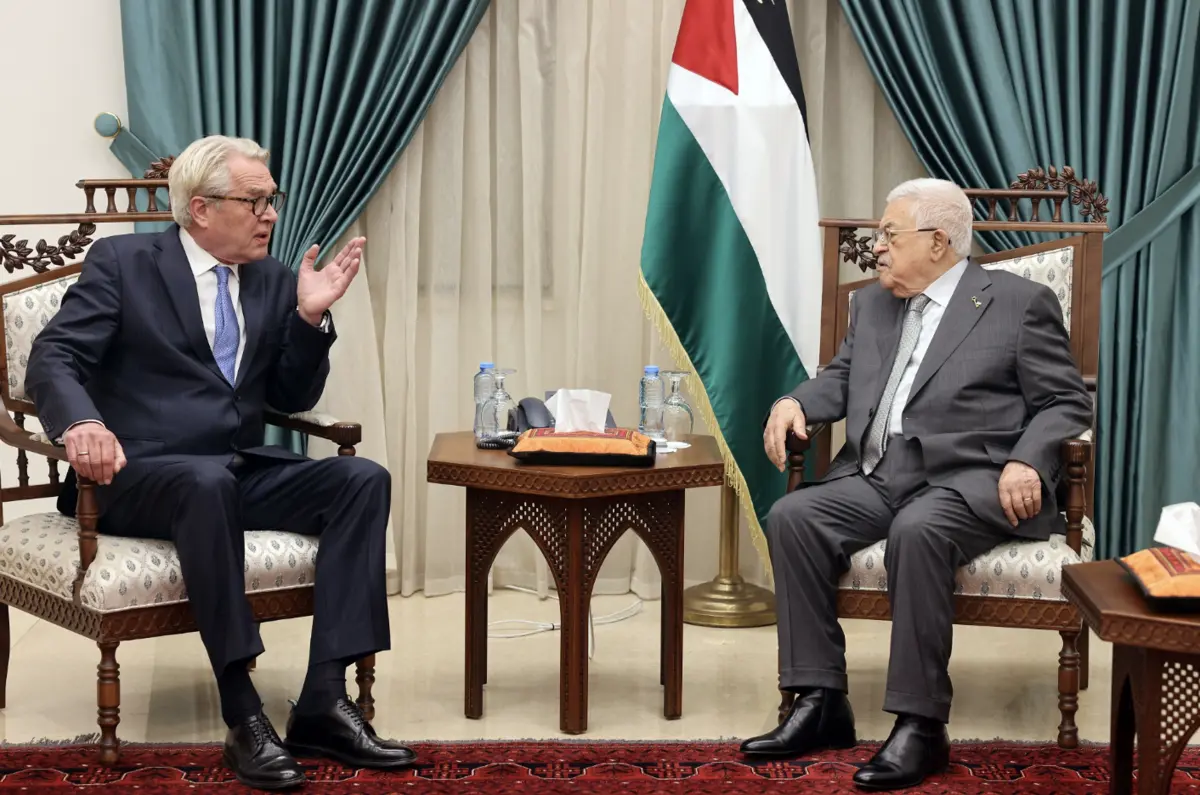
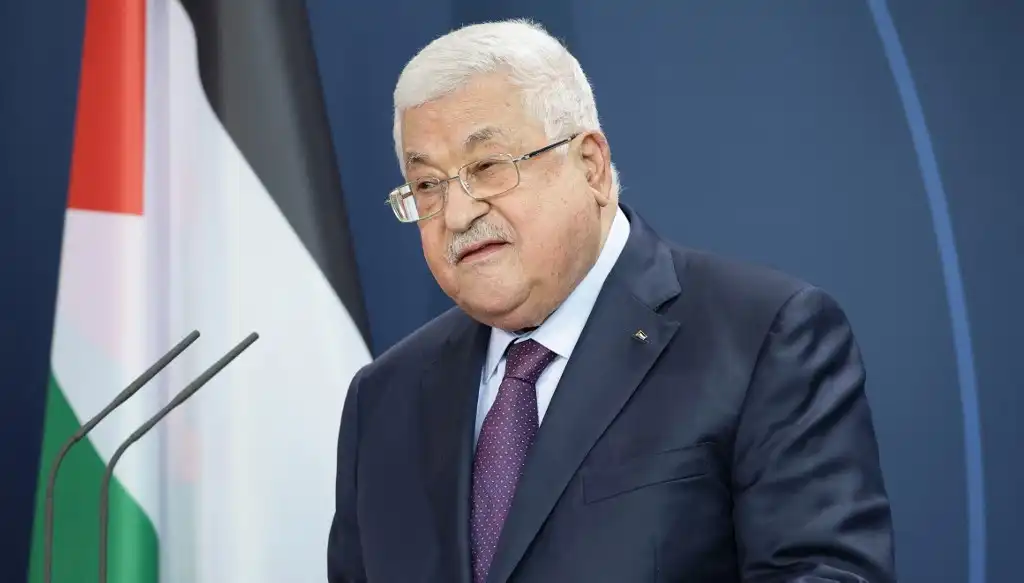
Today, Wednesday, at the presidential headquarters in the city of Ramallah, President of the State of Palestine Mahmoud Abbas received the UN Secretary-General's Special Envoy for the Middle East Peace Process, Tor Wennesland, who came to bid farewell on the occasion of the end of his term.


His Excellency briefed the UN envoy on the latest developments in the Palestinian territories and the efforts made by the Palestinian leadership to stop the comprehensive Israeli aggression in the Gaza Strip, the West Bank and East Jerusalem.


The President stressed the need for the United Nations to assume its responsibilities by implementing UN Security Council Resolution No. 2735, which calls for a ceasefire in the Gaza Strip, expediting the entry of aid into the Strip, a complete Israeli withdrawal from it, and enabling the State of Palestine to assume its full responsibilities in the Gaza Strip as well as in the West Bank and Jerusalem.


His Excellency also stressed the necessity of preventing the implementation of the decisions of the Israeli occupation authorities to stop the work of the United Nations Relief and Works Agency for Palestine Refugees (UNRWA) in the occupied Palestinian territories in East Jerusalem, the Gaza Strip and the West Bank, due to the serious political, legal and humanitarian dimensions of this decision.

ARAB AND WORLD

Wed 27 Nov 2024 8:00 pm - Jerusalem Time

Netanyahu decides to appeal the ICC decision regarding his and Galant's arrest warrants

Israeli Prime Minister Benjamin Netanyahu said on Wednesday evening that he had decided to appeal the International Criminal Court's decision to issue arrest warrants against him and former Defense Minister Yoav Galant, with a request to postpone the implementation of the decision.


Last Thursday, the court in The Hague issued arrest warrants for both Netanyahu and Galant on charges of committing crimes against humanity and war crimes in Gaza, in addition to Mohammed Diab Ibrahim al-Masri (Mohammed Deif), the commander-in-chief of the Qassam Brigades, the military wing of Hamas, whom Israel says it assassinated in Gaza.


Israel had until midnight on Wednesday/Thursday to submit its response to the court's ruling in The Hague.


"The State of Israel does not recognize the authority of the International Criminal Court and the legitimacy of the arrest warrants issued against the former prime minister and defense minister," Netanyahu said in a statement from his office.


The statement added: "Prime Minister Netanyahu met today (Wednesday) with US Senator Lindsey Graham, in his office in Jerusalem."


He continued: "The Senator informed the Prime Minister of the series of moves he is promoting in the US Congress against the International Criminal Court and against the countries that cooperate with it."


Netanyahu's office said: "In conjunction with the moves in Congress, Israel today (Wednesday) submitted to the International Criminal Court a notice of its intention to appeal to the court with a request to postpone the execution of the arrest warrants."


He claimed that the Israeli appeal memorandum "reveals in detail the extent to which the decision to issue the arrest warrants was incorrect and lacked any factual or legal basis."


"To the extent that the court rejects the appeal, it will further clarify to Israel's friends in the United States and the world the extent to which the ICC is biased against the State of Israel," he claimed.


Earlier on Wednesday, the Hebrew newspaper Yedioth Ahronoth said, “Netanyahu will have to decide in the coming hours whether Israel will inform the International Criminal Court of its intention to appeal the arrest warrants, or whether it will ignore them and wait for the sanctions that the administration of US President-elect Donald Trump will impose on the court.”


The newspaper quoted an unnamed Israeli official as saying, "The Americans are planning to impose hellish sanctions on any country that helps the court, and that's how it will end."


“We don’t have to come and beg someone we don’t trust at all,” the official said, referring to the International Criminal Court.


According to Yedioth Ahronoth, "the professional level advised Netanyahu to appeal on the basis that there were flaws in the decision," without further explanation.


"On the other hand, other ministers and officials oppose this, and believe that Israel should ignore the court's decision, because the appeal itself is a recognition of its authority," she added.


Netanyahu held a secret discussion on Tuesday on the issue of arrest warrants, but no decision was made, according to the newspaper.


On Friday, the White House expressed its rejection of the arrest warrant issued by the International Criminal Court against Netanyahu and Galant.


This came in a statement issued by a spokesman for the US National Security Council at the White House, in response to a question from an Anadolu Agency correspondent on the subject.


The spokesman, who was not named, said that the United States "rejects the International Criminal Court's decision to arrest Netanyahu and Galant."


He added, "The United States fundamentally rejects the court's decision to issue arrest warrants against senior Israeli officials."


The US spokesman claimed that the International Criminal Court "has no jurisdiction to prosecute Israel."


Following Donald Trump's election as US president in November, incoming Senate Majority Leader John Thune called for immediate action on House legislation, pledging to pursue sanctions as a "top priority in the next Congress."


On September 23, Israel filed a memorandum challenging the court's jurisdiction, asking the court's judges to reject the arrest warrant requests against Netanyahu and Galant, but the court later rejected the Israeli appeal.

ARAB AND WORLD

Wed 27 Nov 2024 7:48 pm - Jerusalem Time

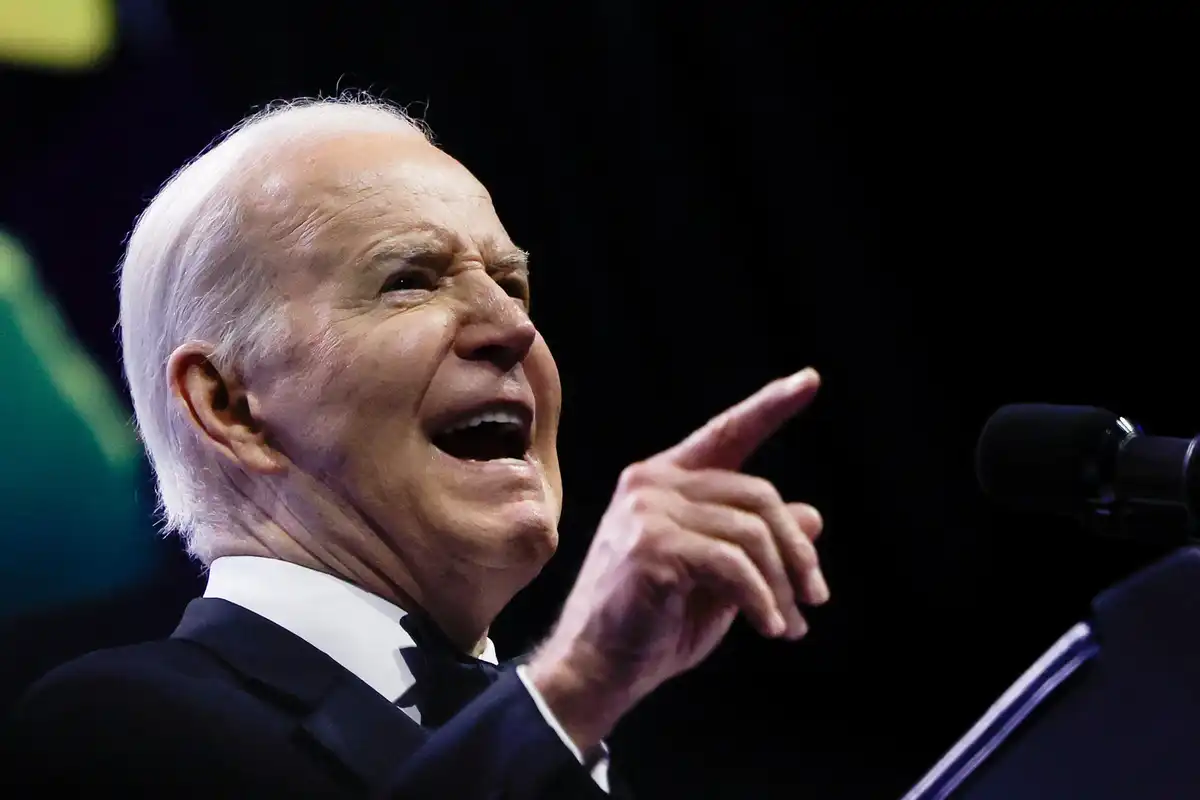
Biden approves massive arms deal for Tel Aviv

US President Joe Biden has approved a $680 million arms deal with the Israeli occupation, including shipments of precision munitions, according to international media =


American sources reported that the deal coincides with the start of a ceasefire between Tel Aviv and Hezbollah, mediated by the United States and France.


The deal includes supplying Tel Aviv with additional sets of Joint Directed Munitions (JDAMs) and small bombs.


Earlier, the US Senate rejected three bills to prevent arms sales to Tel Aviv, with broad support from Democratic and Republican members.


Despite Israeli Prime Minister Benjamin Netanyahu's announcement of delays in the delivery of weapons, American officials denied that this was intentional, indicating that the delivery of specific bombs was postponed due to humanitarian concerns related to their use in Gaza.


It is noteworthy that the Biden administration had threatened to stop military aid to Tel Aviv unless the humanitarian situation in Gaza improved.

PALESTINE

Wed 27 Nov 2024 7:06 pm - Jerusalem Time

The Palestinian President issues a constitutional declaration stating that the President of the National Council shall assume the duties of the President of the Palestinian Authority in the event of a vacancy in the position.

The President of the State of Palestine, Mahmoud Abbas, issued a constitutional declaration stipulating that in the event that the position of the President of the Palestinian Authority becomes vacant, the President of the Palestinian National Council shall assume his duties temporarily until the presidential elections are held in accordance with the Palestinian Elections Law.


President Abbas said in the constitutional declaration, “In our belief and awareness of this delicate stage in the history of the homeland and the Palestinian cause, and in fulfillment of our historical and constitutional responsibility to protect the Palestinian political system and protect the homeland, preserve the integrity of its lands and ensure its security, and the political and economic crisis that our people are experiencing today, represented by what our people are suffering as a result of the war of extermination, an existential threat that affects all aspects of life in Palestine. And in our belief that the dignity of the homeland is nothing but a reflection of the dignity of each of its individuals, who is the foundation of building the homeland, and that human freedom, the rule of law, and the support of the values of equality, pluralistic democracy and social justice are the basis of legitimacy for any ruling system that leads the country into the next period of our people’s history.”


He added, "Based on the above and building on it, and in order to emerge from the crises that the country is experiencing and in order to maintain stability during this period in which the country is facing many challenges that require us to confront them, we have issued the following constitutional declaration:


Article (1)


If the position of the President of the National Authority becomes vacant in the absence of the Legislative Council, the President of the Palestinian National Council shall assume the duties of the Presidency of the National Authority temporarily, for a period not exceeding ninety days, during which free and direct elections shall be held to elect a new President in accordance with the Palestinian Elections Law. If they cannot be held during that period due to force majeure, they shall be extended by a decision of the Palestinian Central Council for another period, and for one time only.


PALESTINE

Wed 27 Nov 2024 5:09 pm - Jerusalem Time

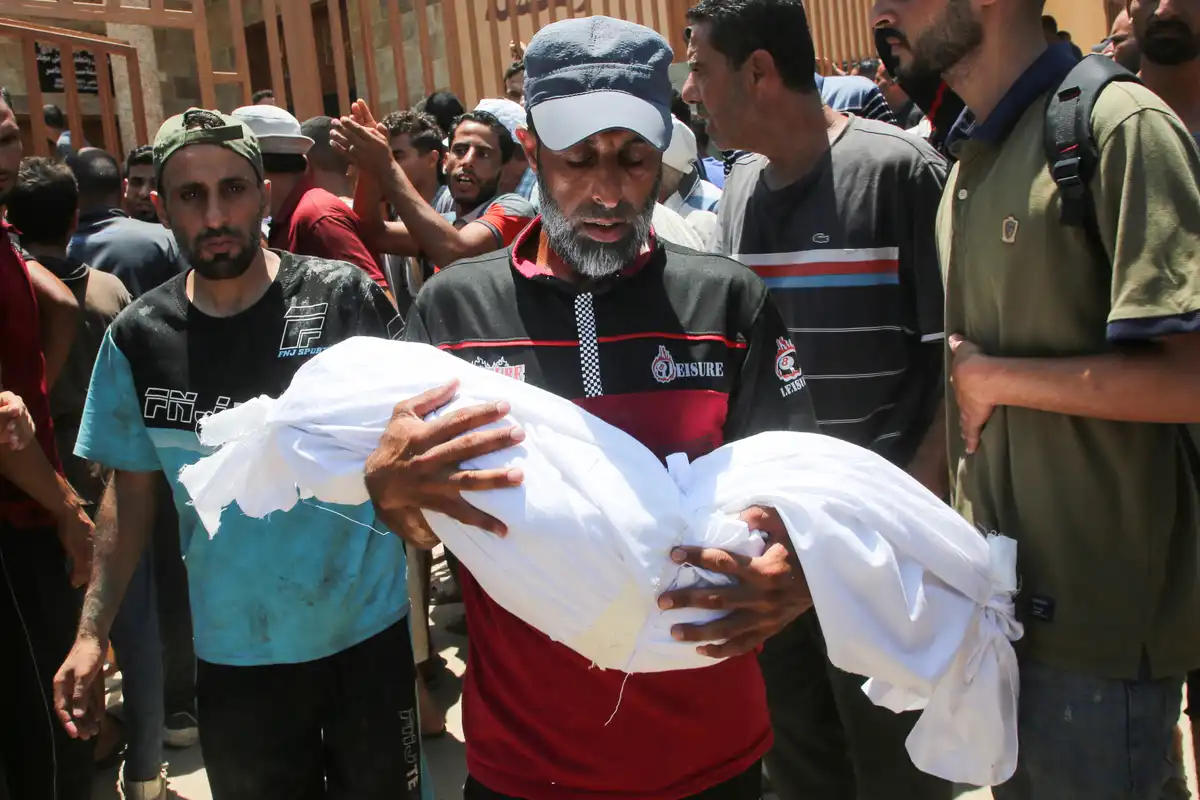
Dead victims in Israeli bombing of Beit Lahia and Khan Yunis

Three citizens, including a pregnant woman, were killed and others were injured on Wednesday evening in the occupation's bombing of Beit Lahia in the northern Gaza Strip and Khan Yunis in the south.


Local sources reported that a pregnant woman in her third month was killed and 5 others were injured in an Israeli bombing that targeted them in the Tel al-Zaatar area in the Beit Lahia project in the northern Gaza Strip.


She added that the occupation's drones targeted a group of citizens in the town of Al-Qarara, northeast of Khan Yunis, which led to the martyrdom of two citizens and the injury of three others.


The occupation forces continue their aggression on the Gaza Strip, by land, sea and air, since October 7, 2023, which resulted in the death of 44,282 citizens, the majority of whom are women and children, and the injury of 104,880 others, in an incomplete toll, as thousands of victims are still under the rubble and in the streets, and ambulance and rescue crews cannot reach them.

PALESTINE

Wed 27 Nov 2024 4:56 pm - Jerusalem Time

Israeli forces injure two young Palestinians, arrests four others, and destroys the infrastructure in Al-Far’a camp and Tubas

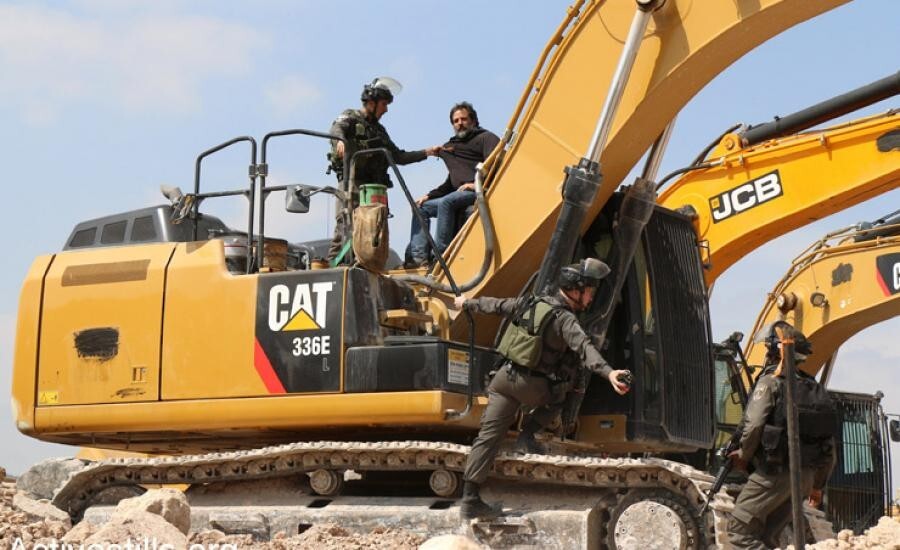
Today, Wednesday, the occupation bulldozers and military vehicles caused great damage to the infrastructure and property of citizens in Al-Far’a camp and the city of Tubas, during an aggression that lasted about 10 hours.


In Far'a camp, occupation bulldozers stormed the market area in the middle of the camp and razed the main streets.


The occupation forces also imposed a siege around the camp throughout its storming, and turned a citizen's house near the camp into a military barracks, and deployed snipers on the roofs of the surrounding buildings, amidst intensive flights of reconnaissance drones.


Medical sources reported that two citizens were injured by live bullet shrapnel, one in Al-Far'a camp and the other in Tubas city, and they were transferred to the hospital for treatment.


During their storming of the city of Tubas, the occupation forces raided many citizens' homes, withdrew from the city and stormed it again three times throughout the day.


The director of the Prisoners Club in Tubas, Kamal Bani Odeh, reported that the occupation forces arrested four young men during a raid on their families’ homes in the city of Tubas, where the two brothers, Iyad and Hazem Mustafa Al-Muslimmani, who are freed prisoners, and the young man Islam Al-Kharaz and Mustafa Al-Shahruri were arrested to pressure his brother Uday to surrender himself.


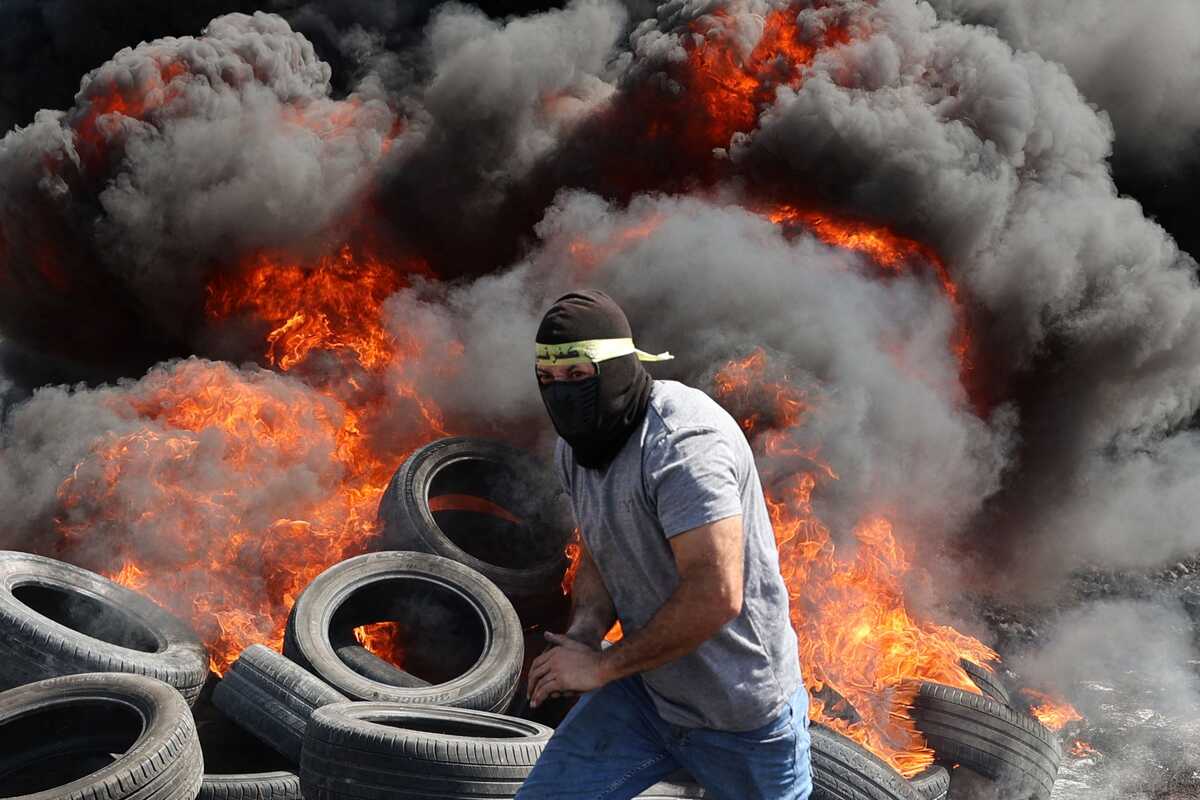
Clashes also erupted with the occupation forces in the city of Tubas and the Far'a camp during their storming.

ARAB AND WORLD

Wed 27 Nov 2024 4:39 pm - Jerusalem Time

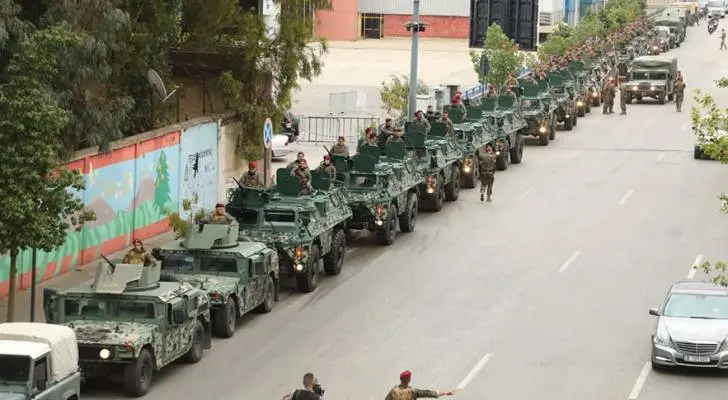
The Lebanese army announces the beginning of strengthening its deployment south of the Litani River

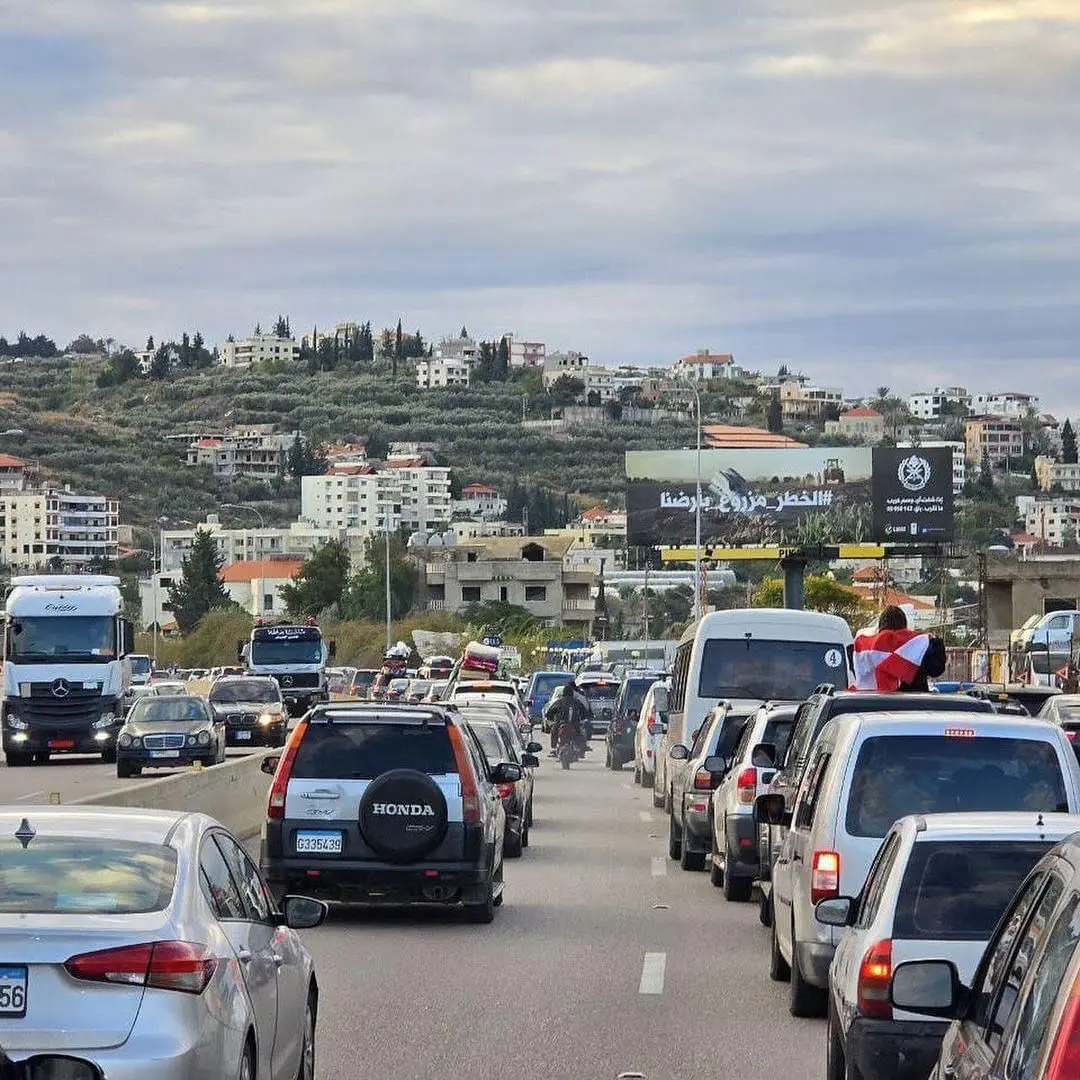
The Lebanese army announced today, Wednesday, the beginning of strengthening its deployment in southern Lebanon, after Lebanese Prime Minister Najib Mikati announced that Lebanon is committed to implementing international resolution 1701 and deploying the army in the south.


According to Agence France-Presse, the army said in a statement that it had "begun to strengthen its deployment in the South Litani sector and extend state authority in coordination with the United Nations Interim Force in Lebanon."


AFP correspondents saw a convoy of an army brigade with armored vehicles, personnel, tanks and trucks crossing a bridge over the Litani River in southern Lebanon in the morning.

ARAB AND WORLD

Wed 27 Nov 2024 3:48 pm - Jerusalem Time

Sullivan: Biden begins renewed efforts to stop Gaza fire today


The United States will begin renewed efforts to broker a ceasefire in Gaza on Wednesday, President Joe Biden's national security adviser Jake Sullivan said, a day after President Biden announced a separate ceasefire between Israel and the Lebanese militant group Hezbollah.


“President Biden intends to begin this work today (Wednesday, 11/27/24) by engaging his envoys with Turkey, Qatar, Egypt and other actors in the region,” Sullivan said in an interview with MSNBC. Biden had said on Tuesday that the United States, along with other countries, would also push for a ceasefire in the Palestinian Gaza Strip.


This comes after Biden announced, on Tuesday, the start of new efforts with the participation of Egypt, Qatar, Turkey and Israel, to stop the ceasefire in Gaza.


He stressed in a speech following Hezbollah and Israel's agreement to a ceasefire, that "Hamas has only one choice, which is to release the hostages, including the American hostages."


The White House announced on Monday that US Middle East envoy Brett McGurk would visit Saudi Arabia to discuss taking advantage of the potential ceasefire (at the time) in Lebanon to reach a similar agreement to end the fighting in Gaza.


White House Deputy Press Secretary Andrew Bates told reporters that McGurk's meetings in Riyadh focused on the possibility of reaching a ceasefire agreement in Lebanon, which would be a catalyst for a ceasefire in Gaza as well, the return of Israeli hostages and increased stability in the region.

PALESTINE

Wed 27 Nov 2024 2:59 pm - Jerusalem Time

Israeli Parliament approves in preliminary reading the arbitrary disqualification of Arab candidates in local elections

The Knesset plenum approved in preliminary readings today, Wednesday, a racist bill that makes it difficult for Arab citizens to run in local authority elections. The bill constitutes an amendment to the Local Authorities Law.


The bill was supported by 51 Knesset members and opposed by 11 members. It expands the possibility of disqualifying a list or individuals from running in local authority elections, on the pretext of supporting, through actions or words, “the armed struggle of an enemy state or a terrorist organization” against Israel. It is worth noting that Israel’s interpretation of the word “terrorism” is broad, vague, and arbitrary.


The bill will be transferred to the Knesset's Interior and Environmental Protection Committee, and was initiated by Likud MK Hanoch Milevitsky.


The bill stipulates the dismissal of a member of a municipal council if the council decides that he supported the armed struggle against Israel. This requires the support of a majority of 75% of the council members, 10% of whom must be opposition members, and the approval of the Supreme Court to dismiss the member of the municipal council.


The racist bill stated in its rationale that “the mandate of supporters of terrorism, armed struggle and racism against the State of Israel in local authorities, who express support and backing for the murder of Jews and Israelis and acts of violence and hatred, is contradictory.”


The bill added that the amendment comes "in order to adapt the Local Authorities Elections Law to the legislation related to the Knesset elections," after the Knesset plenum approved in a preliminary reading last month a bill that expands the grounds for disqualifying candidates in the Knesset elections, with the aim of preventing Arab citizens from running for the Knesset.


ARAB AND WORLD

Wed 27 Nov 2024 1:46 pm - Jerusalem Time

Mikati confirms commitment to strengthening army deployment in southern Lebanon

Lebanese Prime Minister Najib Mikati confirmed on Wednesday Lebanon's commitment to strengthening the army's deployment in the south of the country after the ceasefire between Hezbollah and Israel, while at the same time calling on the Hebrew state to abide by the truce and withdraw its forces.


Mikati said after a government session that the Council of Ministers confirmed its commitment to its decision to "strengthen the deployment of the army and all security forces in the area south of the Litani River," demanding "the Israeli enemy's commitment to the ceasefire decision and withdrawal from all areas."


He expressed his hope that the truce would be "a new page in Lebanon (...) leading to the election of a president of the republic."


"On this day, the reconstruction process and the deployment of the army on which we depend begin," he said.


The caretaker Prime Minister expressed his "thanks to all friendly countries that contributed to stopping the ordeal of killing and displacement."


PALESTINE

Wed 27 Nov 2024 1:43 pm - Jerusalem Time

Tragic conditions experienced by Palestinian female prisoners in Al-Damon prison

The Commission of Prisoners' Affairs and Liberated Prisoners revealed this morning, Wednesday, the continued poor living and detention conditions suffered by female prisoners in Al-Damon Prison, imposed on them after October 7, 2023, which can be described as brutal at the very least and are getting worse day after day.


The Commission explained, according to its lawyer’s visit to the prison, that the Damon prison administration is still depriving female prisoners of blankets and winter clothes, in light of the bitter cold and the onset of winter, as each female prisoner has only one winter jacket, in addition to preventing the entry of hygiene and personal care supplies, as each female prisoner is allowed only a small bag of shampoo, which is not sufficient for the purpose.


The female prisoners who were visited told the Commission’s lawyer that the food is scarce and bad, as they have been eating legumes for more than 7 months, which has led to their constipation. The prison guards also storm the rooms without regard for the privacy of the female prisoners and in a barbaric manner, confiscate their personal belongings, and sometimes spray gas inside the rooms, in conjunction with imposing collective punishments without reason and hurling insults at them. The female prisoners added that recently the deputy director of Al-Damon prison beat the female prisoners himself.


Female prisoners avoid going to the prison clinic despite the poor health conditions because the prison administration investigates them instead of taking them to the clinic.


Even communication between female prisoners is forbidden in Damon Prison. The female prisoners who were visited yesterday reported that the Damon Prison Authority had placed a piece of plastic on the doors of all the rooms to prevent female prisoners from communicating with each other.

PALESTINE

Wed 27 Nov 2024 1:40 pm - Jerusalem Time

Israel seizes Palestinian properties in the northern Jordan Valley

Today, Wednesday, the Israeli occupation forces seized the properties of citizens in the northern Jordan Valley.


According to local sources, these forces stormed the Homs al-Tahta area and seized a solar energy system and a trailer.


She explained that the occupation forces had stormed the village earlier this morning and began searching the citizens' homes.

PALESTINE

Wed 27 Nov 2024 1:30 pm - Jerusalem Time

The death toll in the Gaza Strip rises to 44,282

The Ministry of Health in Gaza announced today, Wednesday, that the death toll in the Gaza Strip has risen to 44,282, the majority of whom are children and women, since the start of the Israeli occupation aggression on October 7, 2023.


She added that the number of injuries has risen to 104,880 since the beginning of the aggression, while thousands of victims are still under the rubble.


She pointed out that the occupation forces committed 3 massacres during the past 24 hours, resulting in the death of 33 citizens and the injury of 134 others.

PALESTINE

Wed 27 Nov 2024 12:41 pm - Jerusalem Time

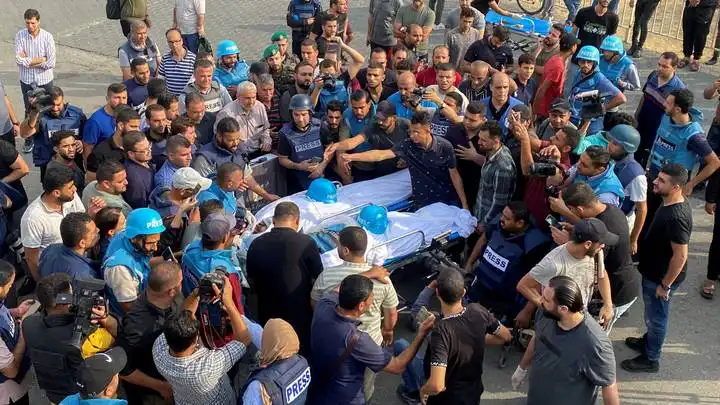
The number of killed journalists in Gaza rises to 190

The Government Media Office in the Gaza Strip announced on Wednesday that the number of killed Palestinian journalists has risen to 190, since Israel began its genocidal war on October 7, 2023.


It said in a statement: "The number of killed journalist has risen to 190 journalists, male and female, since the beginning of the genocidal war on the Gaza Strip, after the announcement of the martyrdom of Alaa Fawzi Barhoum, a journalist editor in several media institutions."


The government office condemned the "targeting, killing and assassination of Palestinian journalists by the Israeli occupation," holding it fully responsible for committing "this heinous crime."


It called on "the international community, international organizations, and those concerned with journalistic work in the world to deter the occupation and prosecute it in international courts for its ongoing crimes and pressure it to stop the crime of genocide and the crime of killing and assassinating Palestinian journalists."


With American support, Israel has been committing genocide in Gaza since October 7, 2023, leaving about 149,000 Palestinian dead and wounded, most of them children and women, and more than 10,000 missing, amid massive destruction and famine that killed dozens of children and the elderly, in one of the worst humanitarian disasters in the world.


The Israeli occupation continues its massacres, ignoring the UN Security Council resolution to end them immediately, and the orders of the International Court of Justice to take measures to prevent acts of genocide and improve the catastrophic humanitarian situation in Gaza.

PALESTINE

Wed 27 Nov 2024 11:55 am - Jerusalem Time

West Bank: Israel continues its aggression on Tubas and Al-Far'a camp

Since dawn on Wednesday, the Israeli occupation forces have continued their aggression on the city of Tubas and the Far'a camp in the south.


The Red Crescent reported that two citizens were injured by live bullet shrapnel in Tubas and were transferred to the hospital for treatment.


Local sources reported that the occupation forces arrested the two brothers, Iyad and Hazem Mustafa Muslimani, and the young man Islam Shafiq Kharaz, after raiding their families’ homes in Tubas.


He added that the occupation raided and searched a number of homes of liberated prisoners in the city and the camp, amid widespread destruction of property and infrastructure.

ARAB AND WORLD

Wed 27 Nov 2024 11:32 am - Jerusalem Time

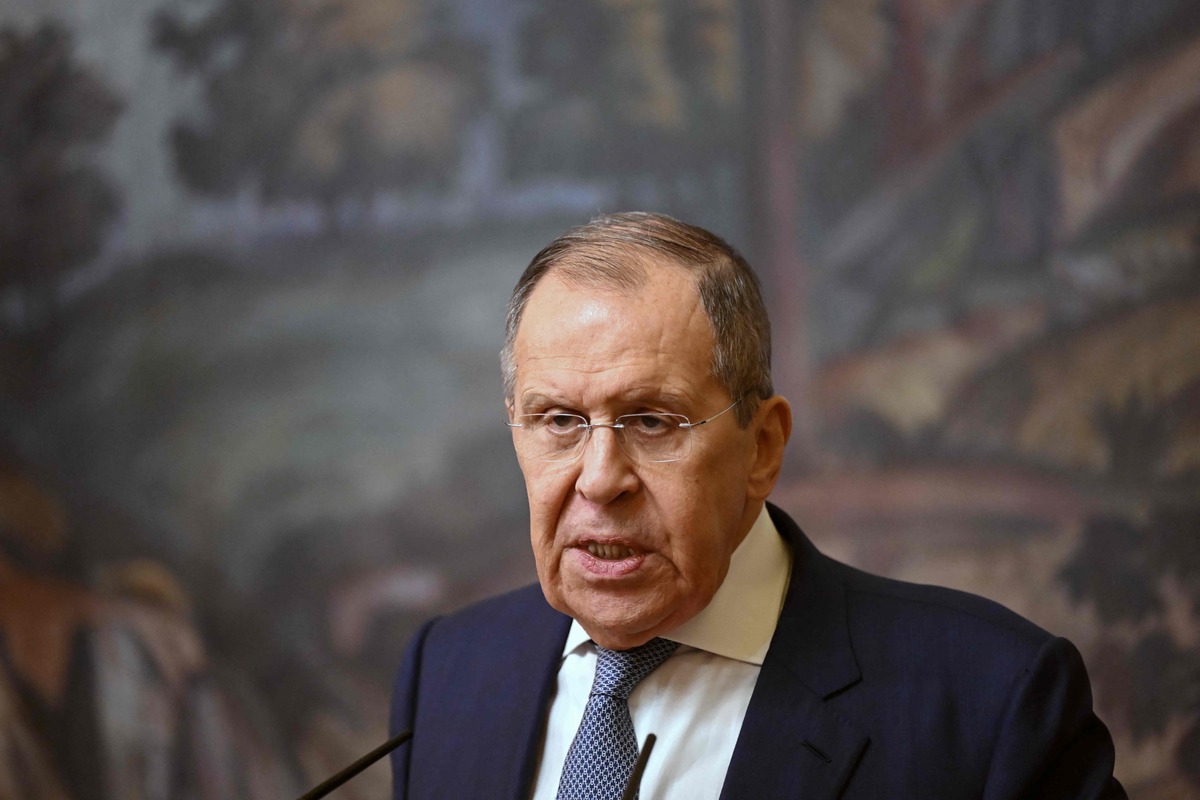
Lavrov: Continuing escalation in the Middle East is caused by Israel's aggressive approach

Russian Foreign Minister Sergei Lavrov said that the ongoing escalation of the Middle East crisis is caused by the aggressive policies pursued by Israel, with the support of the United States.


Lavrov added in statements published by the Russia Today agency: "The situation in the Middle East continues to deteriorate as a direct result of Israel's aggressive policies, militarization, and Washington's desire to monopolize mediation functions and sacrifice UN Security Council resolutions."


He pointed out that Israel's desire to ensure its security at the expense of the security of other countries in the region is a futile idea and will cause problems in relations with the Arab world for many years to come.


Lavrov stressed that the next step in overcoming the acute phase of the crisis must lie in creating conditions for a two-state solution, and said: "To achieve this goal, we must first and foremost rely on the positions of the countries of the region, and not on the positions of those who are trying to impose their dictates."

PALESTINE

Wed 27 Nov 2024 11:29 am - Jerusalem Time

Israeli forces arrest 15 Palestinians from the West Bank, including a child

Since yesterday evening until Wednesday morning, the Israeli occupation forces have arrested at least 15 citizens from the West Bank, including a female student, a child, and former prisoners.


The Commission of Prisoners' Affairs and the Prisoners' Club explained that the arrests were distributed across the governorates of Qalqilya, Ramallah, Hebron, Nablus, Bethlehem, and Tubas, which the occupation continues to storm until now, and carry out extensive acts of sabotage and destruction in citizens' homes and infrastructure.


In addition, the occupation continues to carry out field investigations in several towns, and uses citizens’ homes as military barracks. It is worth noting that field investigations have recently escalated significantly in all governorates, and have affected hundreds of young men.


It is noteworthy that the number of arrests since the beginning of the ongoing war of extermination and comprehensive aggression against our people has reached more than 11,800, from the West Bank, including Jerusalem, while we as institutions have not been able to count the cases of arrest from Gaza, which are estimated in the thousands, as a result of the occupation’s implementation of the crime of enforced disappearance against them.


It is noteworthy that the data related to arrest cases include those who were kept in detention by the occupation, or those who were released later.

PALESTINE

Wed 27 Nov 2024 11:28 am - Jerusalem Time

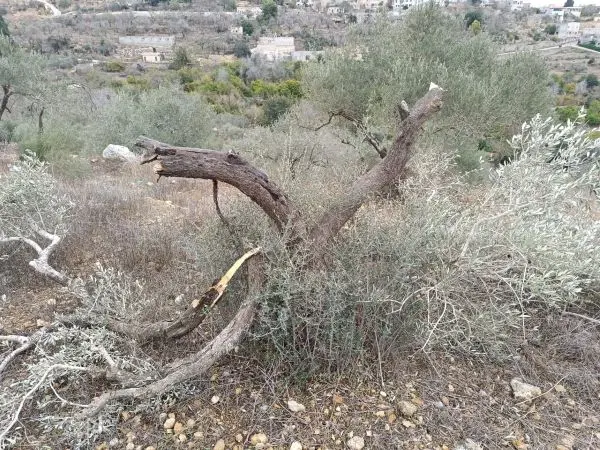
Israeli settlers cut down about 100 olive trees in Yasouf, east of Salfit

Today, Wednesday, settlers cut down approximately 100 olive trees from citizens’ lands in the village of Yasuf, east of Salfit.


The head of the village council in Yasuf, Wael Abu Madi, told the official news agency, WAFA, that a group of settlers broke about 100 olive trees, ranging in age from 70 to 80 years, and some of them were olive trees that were about 10 years old, in the Al-Mashrafah area north of the village, and they are owned by citizens Mahmoud Raja Abdel Fattah, Tariq Mutab Abdel Fattah, and Anwar Zahri Ayoub.


It is noteworthy that the village of Yasouf has been exposed during the recent period, especially during the olive harvest season, to daily violations, including the theft of olives and harvesting equipment, and attempts to assault and beat farmers.


This year, the olive harvest season in the West Bank is witnessing repeated attacks by settlers and occupation forces, which have reached the point of killing, burning and cutting down olive trees, stealing the crop, and preventing farmers from reaching their lands.


According to the Wall and Settlement Resistance Commission, the occupation forces and settlers have carried out (407) attacks since the beginning of the olive season. The commission monitored 120 attacks by the occupation army, 242 attacks by settlers, and 45 attacks by both sides. It indicated that these attacks ranged from violent physical assault, which led to the martyrdom of a citizen at the hands of settlers in the village of Sebastia in the Nablus Governorate, and a citizen by army bullets in the town of Faqqu’a in the Jenin Governorate, in addition to arrest campaigns, restricting movement, preventing access, and intimidation and terror in all its forms.

The attacks were concentrated in Nablus Governorate with 160 attacks, followed by Salfit Governorate with 58, then Hebron Governorate with 54. In addition, 44 cases of restricting movement and preventing farmers from reaching their lands were recorded, in addition to 100 cases of intimidation to force farmers to leave and prevent them from picking olives, in addition to 40 cases of beating and assault against them.

ARAB AND WORLD

Wed 27 Nov 2024 9:44 am - Jerusalem Time

Lebanese army prepares to deploy in the south and issues instructions to residents of border villages

The Lebanese army said it is working to take the necessary measures to complete its deployment in the south of the country, as mandated by the Lebanese government, after the ceasefire agreement with Israel came into effect on Wednesday morning.


The Army Command's Guidance Directorate explained in a statement that the Lebanese forces are carrying out their missions in coordination with the United Nations Interim Force in Lebanon (UNIFIL) within the framework of Resolution 1701.


According to the statement carried by the Lebanese National News Agency, the army command called on citizens to "wait before returning to the frontline villages and towns where the Israeli enemy forces have penetrated, awaiting their withdrawal in accordance with the ceasefire agreement."


The army command stressed the "importance of adhering to the directives of the military units deployed in the area to preserve their safety."


It also called on "residents returning to other areas to be careful and cautious of unexploded ordnance and suspicious objects left behind by the Israeli enemy, and to contact the army command operations room."


The ceasefire agreement between Hezbollah and Israel came into effect at 4:00 a.m. today, Beirut time (2:00 GMT), ending the military confrontations that erupted since October 8, 2023.


With the ceasefire in effect, a large number of Lebanese began returning by car to their areas in the south.


US President Joe Biden said that Israel will gradually withdraw its forces from Lebanon over 60 days, while the Lebanese army will control the lands near the border with Israel to ensure that Hezbollah does not restore its infrastructure there.


Source: Al Jazeera + Agencies

ARAB AND WORLD

Wed 27 Nov 2024 9:44 am - Jerusalem Time

Human Rights Watch: Israel deliberately killed three journalists in Lebanon with US bomb

An Israeli airstrike in Lebanon that killed three journalists and wounded four others was likely a deliberate attack on civilians and a war crime carried out using a US-supplied weapon, Human Rights Watch said in a report on Monday.


The strike took place on October 25, 2024, and targeted the Hasbaya Club resort in Hasbaya, southern Lebanon, where more than a dozen journalists were staying. Israel bombed the building at around 3 a.m. when most of the journalists were asleep.


Human Rights Watch said it found no evidence of military activity in the area and reviewed information indicating that the Israeli military knew or should have known that journalists were staying in the building.


The raid resulted in the death of journalist and photographer Ghassan Najjar, and satellite broadcast engineer Mohammed Reda, who both worked for Al-Mayadeen TV. Wissam Qassem, a photographer for Hezbollah's Al-Manar TV, was also killed.


Human Rights Watch said it found that the attack was carried out using a bomb equipped with a US-supplied Joint Direct Attack Munition (JDAM) guidance kit manufactured by Woodard Inc. The JDAM kits are developed and sold by Boeing.


Human Rights Watch called on the United States to end arms transfers to Israel.


“Israel’s use of US weapons to unlawfully attack and kill journalists far from any military target is a terrible stain on the United States as well as Israel,” said Richard Weir, senior researcher at Human Rights Watch, in a press release. “Past deadly Israeli military attacks on journalists without consequences offer little hope for accountability for this or future abuses against the media.”


It is noteworthy that according to the Palestinian Journalists Syndicate, Israel has killed an unprecedented number of journalists since October 2023, killing 174 in Gaza. The United States has continued to provide military aid to Israel despite clear evidence of war crimes and Israel’s obstruction of humanitarian aid deliveries in Gaza.

OPINIONS

Wed 27 Nov 2024 9:06 am - Jerusalem Time

Lebanon's will

op-ed - Al-Quds dot com

op-ed - Al-Quds dot com

Opinion Writer

No Lebanese disagrees that the ceasefire in the field is a victory for the Lebanese will over aggression, and the failure of Israel's projects through which it sought to destroy all of Lebanon, but it was forced to stop the wheel of war after it brought with it destruction, killing, displacement and uprooting. By signing the agreement, which will last for 60 days, Lebanon has proudly crafted a scene of fatigue when it said no to fear, no to bowing, no to departure or submission. Fighting remained the master of the situation even in the most difficult negotiations in order to reach this agreement that Lebanon wrested with merit and worthiness, amidst great Lebanese welcome and jubilation to the rhythm of the first snowfall over the cedar and pine trees, so that the Lebanese sing about the signing of a peace agreement for a thousand years, and wish to live in peace after this difficult ordeal.


The Lebanese wake up this morning to a day without anxiety, crying, or ugly missiles, to declare from the midst of their ordeals: We love you, my homeland, because they believed in the inevitability of victory.


Despite all the Israeli signals claiming to achieve the occupation's goals in its war on Lebanon, these signals seem timid, and are merely sedatives for the Israeli street, which is greatly concerned about the huge losses suffered by the northern settlements, agricultural lands and vehicles, as repairing the damage takes a long time, in addition to the absence of any strategic vision to rehabilitate everything that was destroyed by Hezbollah's missiles and drones.


The statements made by a number of ministers, most notably the extremist Itamar Ben Gvir, who considered the signing of a ceasefire agreement a historic mistake, are evidence of Israel’s inability to achieve the goals of the war, and perhaps the inability to return the settlers to the north safely. Ben Gvir’s statement that the agreement is silence in response to silence indicates the occupation’s intentions not to remain silent at all, and to continue creating problems in the region. Evidence of this is Israel’s ongoing challenge to Iran, which Netanyahu described as the head of the snake, considering that the war on the nuclear project will be a priority.


Israel is a deceptive entity, and the Lebanese must be very vigilant and cautious, especially regarding what it calls freedom of military movement, and not allow it the opportunity to ignite problems and tensions in the region, because it is an entity based on problems only, waiting for the results of the international and Arab efforts exerted regarding the aggression on Gaza and the attempt to stop it, because the Strip deserves, after all this great destruction, to be liberated from the yoke of this occupation forever.

PALESTINE

Wed 27 Nov 2024 8:34 am - Jerusalem Time

Israeli raids and arrests in the West Bank

The Israeli occupation forces launched a campaign of raids and arrests in the West Bank at dawn and this morning, Wednesday.


In Bethlehem, the occupation forces arrested the child Mustafa Mahmoud Masalma (17 years old) after raiding and searching his family’s home.


Meanwhile, the occupation forces summoned the Secretary of the Fatah Movement in the village of Kisan, east of Bethlehem, Ahmed Ghazal, to report to its intelligence, after raiding his home, tampering with its contents, and handing him a notice to report to its intelligence.


In Ramallah, the occupation forces arrested a girl from the village of Al-Mazra'a Al-Gharbiya, northwest of Ramallah, and a young man from the town of Silwad, northeast of Ramallah.


Local sources reported that the occupation forces arrested the girl Sundus Nabil Shriteh (20), a student at Al-Quds Open University, after raiding her family’s home in Al-Mazra’a Al-Gharbiya, while the young man Baraa Ibrahim Sayaga (27), was arrested after raiding his home in the town of Silwad.


In Tubas, a number of patrols accompanied by a bulldozer stormed Tubas, and another force accompanied by two military bulldozers stormed the camp, while sounds of gunfire were heard.


Meanwhile, the occupation forces raided a house in Al-Far'a camp and turned it into a military barracks, while the occupation bulldozers attacked citizens' property.


The occupation forces stormed Tubas at dawn, then withdrew, only to storm it again.


PALESTINE

Wed 27 Nov 2024 8:28 am - Jerusalem Time

War on Gaza: Dead and wounded as a result of the ongoing aggression

Dozens of citizens were killed and injured today, Wednesday, as a result of the continued Israeli aggression on the Gaza Strip.


Here are the latest developments: 8 citizens were killed and dozens were injured as a result of targeting a school housing displaced people in the Zeitoun neighborhood, south of Gaza City.


A citizen was killed and others were injured when the occupation forces bombed a house on Baghdad Street in the Shuja'iyya neighborhood, east of Gaza City.


Three citizens were killed and others were injured when the occupation bombed the gate of Kamal Adwan Hospital in Beit Lahia.


The occupation forces continue their aggression on the Gaza Strip, by land, sea and air, since October 7, 2023, which resulted in the death of 44,249 citizens, the majority of whom are women and children, and the injury of 104,746 others, in an incomplete toll, as thousands of victims are still under the rubble and in the streets, and ambulance and rescue crews cannot reach them.

ARAB AND WORLD

Wed 27 Nov 2024 8:27 am - Jerusalem Time

Ceasefire agreement between Israel and Lebanon enters into force

A ceasefire between Israel and Lebanon went into effect at 4 a.m. on Wednesday.


Hours before the agreement came into effect, the Israeli occupation launched intensive raids on Lebanese towns.