PALESTINE

Wed 25 Dec 2024 9:35 pm - Jerusalem Time

Israeli occupation tightens measures in Jerusalem on the eve of Hanukkah

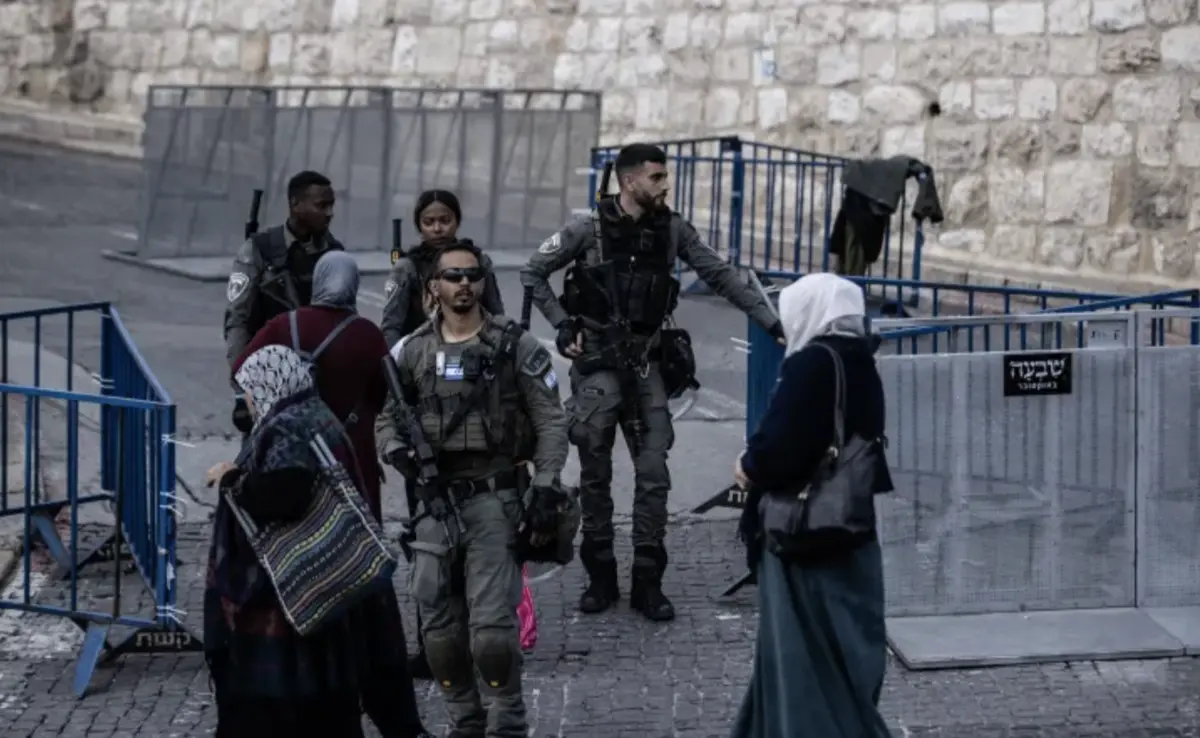
The occupation forces tightened their measures in the occupied city of Jerusalem, deployed checkpoints, and stormed Jerusalem towns and neighborhoods, on the eve of the Jewish Hanukkah holiday.


The Wadi Hilweh Human Rights Information Center in Jerusalem said that the occupation forces set up checkpoints and barriers, and conducted searches of young men near the Mughrabi and Sahera gates leading to Al-Aqsa Mosque.


The center pointed out that the town of Jabal al-Mukaber was stormed and a military checkpoint was set up, as well as the Bir Ayoub area in the town of Silwan, south of Al-Aqsa Mosque.


For its part, the Jerusalem Governorate said that the occupation forces stormed the towns of Abu Dis (east) and Ras Khamis neighborhood in the town of Anata, northeast of Jerusalem.


She pointed out that 179 settlers participated in the storming of Al-Aqsa Mosque today, Wednesday, "under heavy guard from the Israeli occupation forces."


Tens of thousands of settlers participate in the Hanukkah celebrations, which are concentrated in Al-Buraq Square adjacent to the western wall of Al-Aqsa Mosque.


The first day of Eid begins tomorrow, Thursday, and continues until January 2nd. It is expected that settlers will storm Al-Aqsa Mosque over the course of 6 days.


As the holiday approaches, the leaders and supporters of the extremist "Temple Groups" insist on celebrating it inside the courtyards of Al-Aqsa in the occupied city of Jerusalem, and on performing its rituals, especially in the eastern courtyards of the mosque. In contrast, the attack on the people of Jerusalem intensifies and restrictions are imposed on their entry into it.


According to Palestinian sources, the occupation intelligence summoned 10 guards of Al-Aqsa Mosque last Monday and subjected them to investigation, in a scene that is repeated before Jewish occasions and holidays.

ARAB AND WORLD

Wed 25 Dec 2024 9:18 pm - Jerusalem Time

6 Israeli ceasefire violations on Wednesday, bringing total to 301

On Wednesday, the Israeli occupation army committed 6 violations of the ceasefire with Hezbollah, bringing the total number of violations since the agreement went into effect 29 days ago to 301.


This is according to statistics prepared by Anadolu Agency based on the announcements of the official Lebanese News Agency until 18:20 GMT.


According to various news published by the agency, the violations today were concentrated in the capital Beirut, the Baalbek district in the Baalbek-Hermel governorate (east), the Bint Jbeil district in the Nabatieh governorate (south), and other areas in southern Lebanon.


The violations included a warplane raid, the burning of a house, the flying of drones and warplanes, and the firing of heavy and medium machine guns.


In Beirut, an Israeli drone was recorded flying at a low altitude in the airspace of the southern suburb, which is a stronghold of Hezbollah.


In Baalbek district, Israeli warplanes raided a house in the plain of the town of Tarya, without causing any casualties.


In Bint Jbeil district, Israeli soldiers burned a house in the town of Maroun al-Ras, while firing heavy and medium machine guns inside the town’s neighborhoods.


In the airspace of the eastern sector of southern Lebanon, Israeli warplanes and drones were recorded flying.

Since November 27, a fragile ceasefire has prevailed, ending the mutual shelling between Israel and Hezbollah that began on October 8, 2023, and then turned into a full-scale war on September 23.


Under the pretext of confronting "threats from Hezbollah," Israel committed 295 violations of the ceasefire in Lebanon until the end of Tuesday, resulting in a total of 32 deaths and 38 injuries, according to a tally by Anadolu Agency based on data from the Lebanese Ministry of Health.


These violations prompted Hezbollah to respond, on December 2, for the first time since the agreement came into effect, with a missile attack targeting the Ruwaysat al-Alam military site in the occupied Lebanese hills of Kfar Shuba.


The most prominent provisions of the ceasefire agreement include Israel's gradual withdrawal to the south of the Blue Line separating it from Lebanon within 60 days, and the deployment of Lebanese army and security forces along the border, crossing points, and the southern region.


Under the agreement, the Lebanese army will be the only entity allowed to carry weapons in the south of the country, with the dismantling of military infrastructure and sites, the confiscation of unauthorized weapons, and the establishment of a committee to oversee and help ensure the implementation of these obligations.


The Israeli aggression on Lebanon resulted in 4,063 deaths and 16,663 injuries, including a large number of children and women, in addition to the displacement of about 1,400,000 people. Most of the victims and displaced persons were recorded after the escalation of the aggression on September 23.


PALESTINE

Wed 25 Dec 2024 8:13 pm - Jerusalem Time

West Bank: A young man was killed by Israeli forces’ bullets north of Tulkarm

A young man was killed on Wednesday evening, after being shot by the Israeli occupation forces in the town of Qaffin, north of Tulkarm.


According to local sources, the young man Ahmed Mahmoud Khaled Amarneh (25 years old) was killed by the occupation forces after besieging his house in Jabal Amarneh in the town.


The occupation forces surrounded the house where the young man was staying for about 3 hours, while firing bullets and "Energa" shells at him, and detained his body before withdrawing from the town.


The occupation forces are still present in the town of Qaffin, while the sounds of explosions and gunfire can be heard in its airspace.


With the death of Amarneh, the number of dead in Tulkarm since the beginning of the ongoing aggression on it since dawn on Tuesday, has risen to 9 citizens, in addition to 19 others being injured.

OPINIONS

Wed 25 Dec 2024 8:04 pm - Jerusalem Time

From Tweeting to Influence: How Digital Boycotts Create Effective Popular Resistance

Maryam Shoman

Maryam Shoman

Opinion Writer

In an era where technology controls the details of our daily lives, social media has become a powerful popular weapon that is used in political, economic and social battles. While tweets and posts were once mere tools for individual expression, today social media platforms have become tools for influence and an arena for peaceful popular resistance.


With the increasing calls to boycott Israeli products and companies that support the occupation, digital campaigns emerge as an influential tool capable of mobilizing the masses and uniting ranks against the policies of the Israeli occupation and the violations associated with it. But how can these tweets be transformed into tangible actions that create a real impact? And how can digital boycott constitute an effective resistance that transcends geographical and cultural borders?


The Soft Power of Digital Boycott

Digital boycott relies on employing various social platforms such as Facebook, Instagram, TikTok, X, and others, to launch organized campaigns aimed at boycotting products, services, companies, or entities accused of harming peoples, societies, or moral values. These campaigns are characterized by their ease of spread and rapid impact, which makes them an ideal means of achieving popular goals without the need for large resources.


Digital boycott is one of the most prominent forms of soft power in the Palestinian-Israeli conflict, as this tool is used to create global awareness against the occupation’s policies and practices. Through digital campaigns, messages can be delivered quickly and effectively via social media platforms to millions of users around the world, contributing to building public opinion that supports the Palestinian cause and puts pressure on complicit governments and companies. Digital boycott also works to enhance the narrative of the Palestinian people and highlight their suffering in the face of the Israeli narrative in creative ways that attract the sympathy of individuals and communities, which opens the door to expanding solidarity networks and bringing about tangible changes in political and economic behavior.


The power of social networks lies in the fact that they have become powerful pressure tools in the hands of the masses, as these platforms allow ordinary individuals to unite, organize, and make their voices heard to the entire world. With the development of artificial intelligence technologies and interaction algorithms, an organized campaign can reach millions of users within a few hours.


The power of tweets to change

Today, with digital dominance over all aspects of our lives, tweets have become a powerful tool of expression that goes beyond words. To a large extent, digital campaigns to boycott Israeli products and supporting products have proven their ability to transform social media into effective arenas of struggle. With simple words and inspiring ideas, tweets create a mass movement that highlights the justice of the Palestinian cause and moves public opinion towards taking influential positions that contribute to achieving the desired change.


The power of individual tweets and posts in sparking the first spark of any campaign cannot be underestimated. If these tweets are supported by collective interaction and popular solidarity, they become a trend that cannot be ignored. The impact is also doubled when public figures and decision-makers who support the Palestinian cause are involved in the campaign.


Success in the digital boycott does not depend on sharing a tweet or a post, but rather depends on well-thought-out strategies that translate digital interaction into a tangible reality by following basic strategies, the most important of which are: First: shaping public awareness, as users need accurate information and reliable sources to understand the impact of companies or products that support the occupation. Here comes the importance of activists and institutions in spreading documented facts and educational campaigns.


Second: Organization and coordination; so that collective work across social media platforms enhances the effectiveness of these campaigns, and cooperation between activists, influencers, human rights groups, and civil society institutions can lead to escalating pressure on those targeted.


Third: The economic impact; the digital boycott translates into a decrease in the profits of companies linked to the Israeli occupation - whether Israeli companies or international companies that support the Israeli occupation - through campaigns to boycott their products, which prompts them to reconsider their policies.


Fourth: Engagement with the public; engagement with the public is a pivotal element in the success of digital boycott campaigns, as by listening to the public and responding to their inquiries, campaigns can build greater credibility and trust, which enhances the spread of their message. Engagement also allows for the analysis of reactions and the identification of the most effective methods, whether through constructive discussions or sharing stories and evidence-based information. In addition, engagement is a way to motivate individuals and turn them into campaign ambassadors, conveying its message in creative and personal ways to reach a wider audience.


Fifth: Media and international pressure; it plays a fundamental role in enhancing the impact of digital boycott campaigns, as it contributes to highlighting Israeli violations related to these products and transferring them to the global arena. By investing in traditional media and social media platforms, campaigns can gain the support of human rights institutions and motivate governments and international bodies to take official positions. Media pressure also enhances the dissemination of messages on a wide scale, which escalates the challenge facing targeted companies and prompts them to review their policies.


The Path to Effective Digital Resistance

Digital boycott is not a substitute for traditional forms of struggle, but it is a powerful complementary tool capable of bringing about real change. By uniting efforts and continuing popular pressure, this strategy can have a real impact that goes beyond tweets and reaches the core of the Palestinian cause politically, humanely, and legally.


Day after day, the digital boycott proves that it is not just a symbolic act, but an effective tool that can have a significant impact if invested in the right way, through spreading awareness, unifying efforts, and innovating in promotion methods, which enables it to become an essential part of the legitimate Palestinian struggle to achieve justice and end the occupation.


Hence, it can be said that the key lies in transforming digital awareness into organized and sustainable field work, in one of the forms of peaceful popular struggle for liberation and ending the Israeli occupation. This is a call for every individual to use their digital voice as a weapon in our battle towards freedom, dignity and obtaining our legitimate rights.


PALESTINE

Wed 25 Dec 2024 6:59 pm - Jerusalem Time

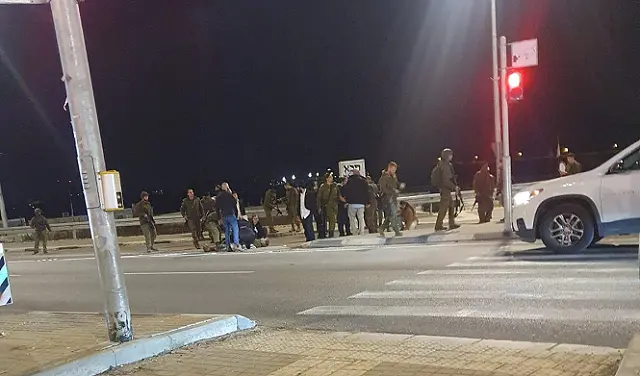
Israeli settler was injured in a run-over attack in Gush Etzion, and the perpetrator withdrew

An Israeli was injured in a run-over attack, Wednesday evening, near the Gush Etzion Junction, south of Bethlehem.


Israeli media reported that large numbers of Israeli forces headed intensively to the area where the ramming attack took place.


She pointed out that the condition of the Israeli injured in the operation near Gush Etzion is critical.

PALESTINE

Wed 25 Dec 2024 6:04 pm - Jerusalem Time

Israeli escalating statements about Gaza contradict talk of desire to conclude a deal

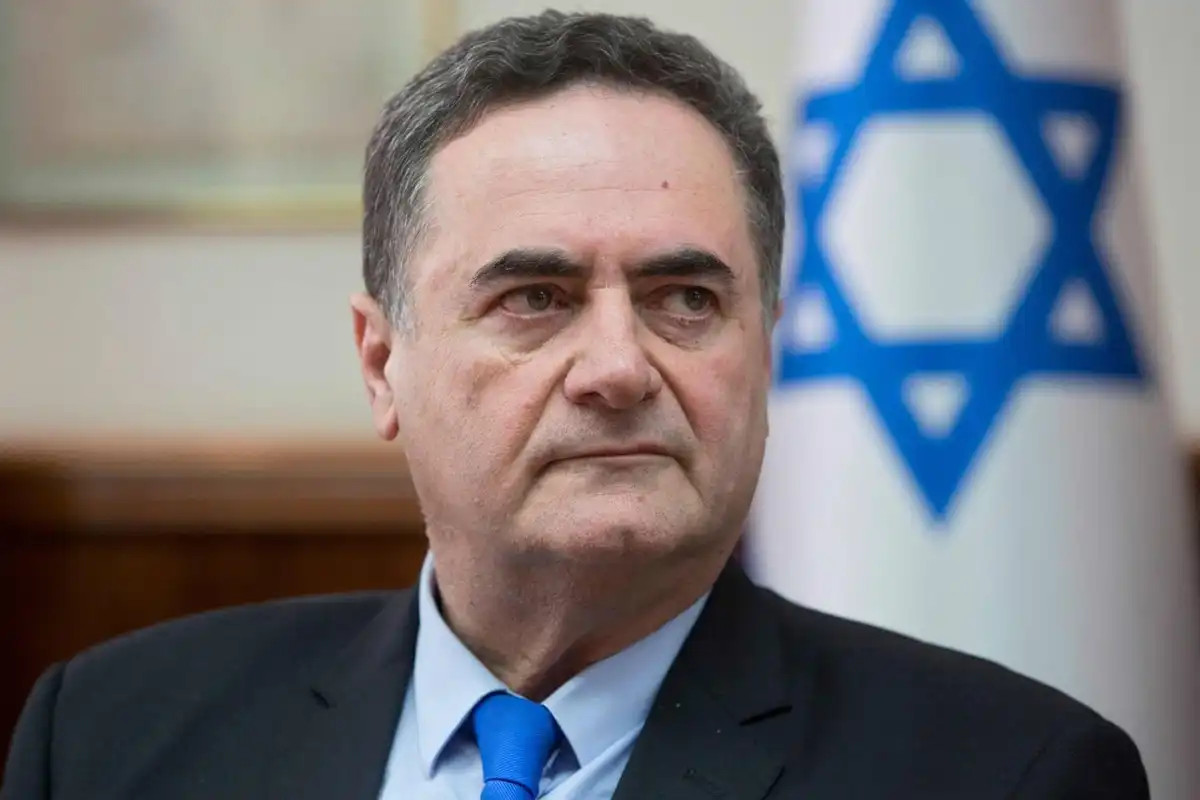
Israeli Defense Minister Yisrael Katz made escalatory statements on Wednesday evening, in which he confirmed that security control over the Gaza Strip will remain in Israel's hands, with his country intending to maintain security areas, buffer zones, and control sites within the Strip.


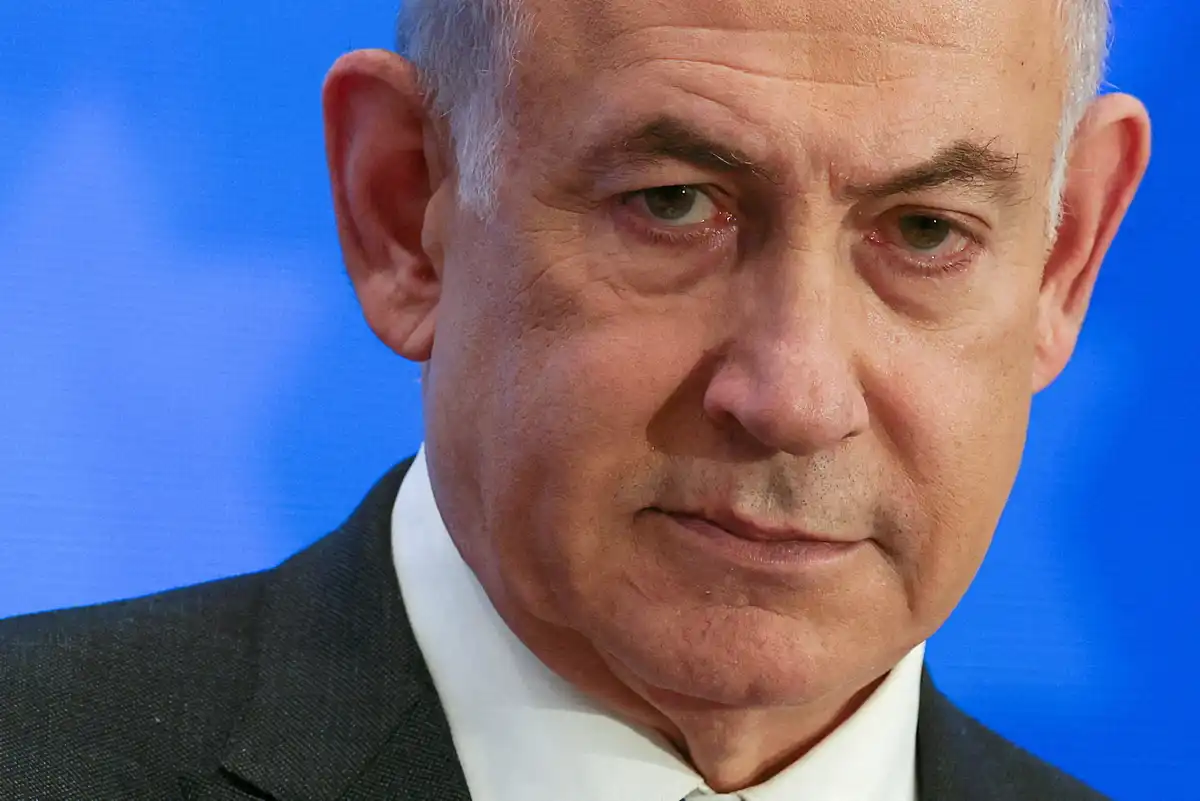
The remarks come amid sensitive negotiations over a prisoner swap and ceasefire deal, contradicting claims by the Israeli government and Prime Minister Benjamin Netanyahu that they are seriously seeking a deal to return Israeli prisoners from Gaza.


During his visit to the Philadelphi Corridor on the border between the Gaza Strip and Egypt, accompanied by senior military leaders, Katz said that he came to Gaza to meet with commanders and soldiers who he claimed were "doing a great job to ensure Israel's security and create the conditions for the release of the kidnapped soldiers," according to a statement from his office.


Since October 7, 2023, Israel, with American support, has been committing genocide in Gaza, leaving more than 153,000 Palestinians dead and wounded, most of them children and women, and more than 11,000 missing, amid massive destruction and famine that killed dozens of children and the elderly, in one of the worst humanitarian disasters in the world.


Katz stressed, according to the same statement, that the Israeli army will continue to maintain security control in Gaza under the pretext of ensuring the prevention of future threats, including tunnels and military infrastructure of Palestinian factions.


He added, stressing: "What we saw of threats and penetration tunnels will not happen again."


He continued: "We will make sure that security control over Gaza is in the hands of the Israeli army, which will be allowed to operate anywhere in the Strip in order to prevent threats."


He said that Israel will also ensure the preservation of security areas, buffer zones and control sites within the Strip, without providing further details in this regard.


Despite these escalatory statements that may complicate the current negotiations on a ceasefire in Gaza and a prisoner exchange, Katz claimed that his government "will work - despite all this - to achieve the two goals of the war, which are the release of all the kidnapped, and the defeat of Hamas."


Katz pledged that Hamas would not remain in power in Gaza, "neither authoritatively nor militarily."


Despite all of Tel Aviv's rosy statements regarding the negotiations on Gaza led by the Egyptian and Qatari mediators with the Israeli and Palestinian sides and the proximity of reaching a deal, it seems that Netanyahu's government is once again repeating the policy of evasion and setting new conditions, which may lead to sabotaging this round of negotiations.


On Wednesday, Hamas accused the "Israeli occupation of setting new issues and conditions related to withdrawal, ceasefire, prisoners, and the return of displaced persons, which delayed reaching the agreement that was available."


Hamas confirmed in a statement that this was happening despite the fact that the negotiations were "progressing seriously in Doha" and despite its showing "responsibility and flexibility" to make them a success.


But Netanyahu's office claimed in a statement that the Palestinian movement was creating "new obstacles" to reaching a deal.


The prisoner exchange negotiations, mediated by Qatar, Egypt and the United States, have faltered more than once, due to Netanyahu’s insistence on “continuing control over the Philadelphi Corridor on the border between Gaza and Egypt, and the Rafah crossing in Gaza, and preventing the return of Palestinian faction fighters to northern Gaza by searching returnees through the Netzarim corridor in the middle of the Strip.”


For its part, Hamas insists on a complete Israeli withdrawal from the Strip and a complete cessation of war, in order to accept any agreement.


Tel Aviv is holding more than 10,300 Palestinians in its prisons, while it estimates that there are 100 Israeli prisoners in the Gaza Strip, while Hamas announced the killing of dozens of its prisoners in random Israeli raids.

PALESTINE

Wed 25 Dec 2024 5:47 pm - Jerusalem Time

Continued aggression on Tulkarm and Nour Shams camps

Today, Wednesday, an elderly man and a girl were injured in Tulkarm camp by shrapnel from Israeli occupation bullets, during the ongoing aggression on the camp for the second day in a row.


The Palestinian Red Crescent Society stated that its crews dealt with an injury to an elderly man (69 years old) who was hit by shrapnel in the face, and he was transferred to the hospital, as well as a girl who was hit by shrapnel in the shoulder from Tulkarm camp, and she was transferred to the hospital.


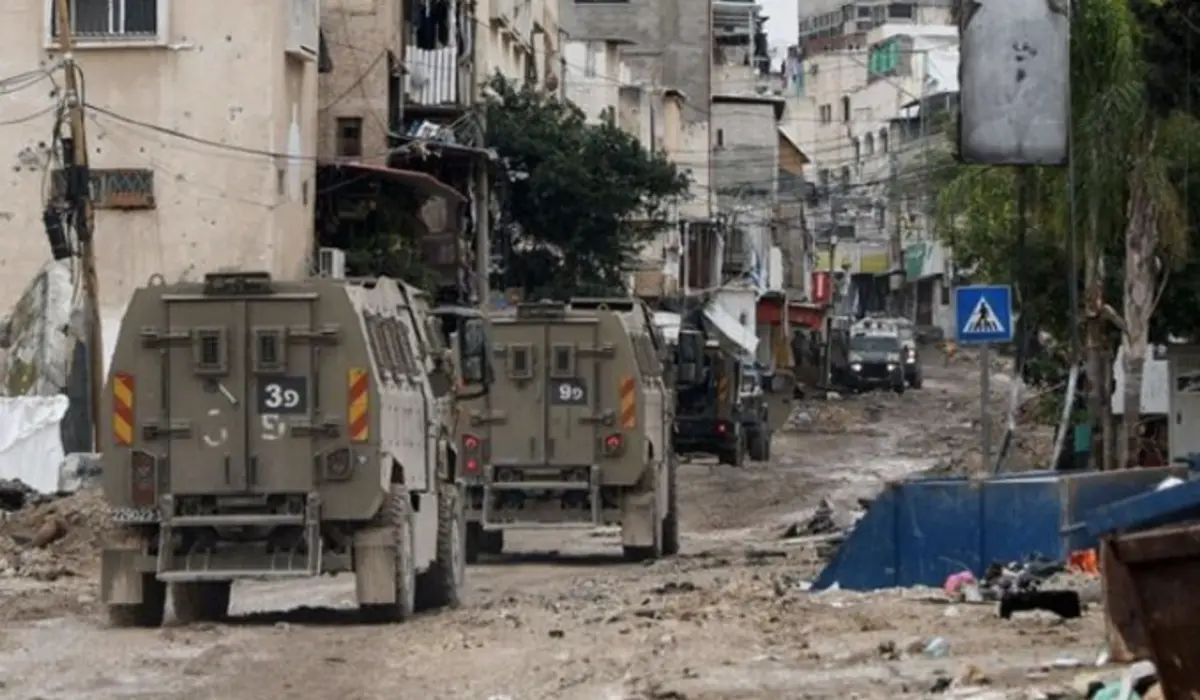
In the same context, the occupation forces sent more military reinforcements to the Tulkarm and Nour Shams camps, and positioned themselves at their entrances, while their bulldozers continued to destroy and vandalize the infrastructure and citizens’ property to a large extent.


Our correspondent said that the occupation bulldozers wreaked havoc and destruction in the streets of the two camps, and closed a number of neighborhoods with earth mounds, including the entrance to the Al-Mahjar neighborhood, and the Al-Manshiya and Al-Maslakh neighborhoods in Nour Shams camp. They also caused great destruction along Nablus Street adjacent to Nour Shams camp, which is the main entrance to the city, and which had been completely destroyed during the previous raid.


She added that the occupation forces stormed a number of citizens' homes in the two camps, and turned them into military barracks, while deploying snipers on top of the tall buildings, and infantry patrols between the homes and alleys.


The occupation soldiers also demolished the internal walls of the houses after raiding them and moving through their openings to other houses in Nour Shams camp, causing great destruction in them.


The occupation forces blew up the house of the Sarouji family in the Al-Swalma neighborhood in Tulkarm camp, while arresting three young men: Amr Abu Tahoun, Mustafa Abu Diya, and Ahmed Abdo.


In a later development, occupation patrols stormed the Dhnaba suburb and Ezbet al-Jarad, east of Tulkarm, and roamed the streets, raided a number of homes and buildings, searched them, and subjected their residents to interrogation.


PALESTINE

Wed 25 Dec 2024 5:21 pm - Jerusalem Time

Israeli occupation forces besiege a house in Qaffin, north of Tulkarm

This evening, Wednesday, the Israeli occupation forces stormed the town of Qafin, north of Tulkarm.


According to local sources, the occupation forces stormed the town with a number of military vehicles, headed towards the Jabal al-Amarna area and the northern neighborhood, and deployed snipers in the area.


She added that the occupation forces surrounded a house in the neighborhood, amid heavy gunfire and live ammunition directed at it, and a reconnaissance plane was flying at a low altitude in the sky of the area.

PALESTINE

Wed 25 Dec 2024 5:08 pm - Jerusalem Time

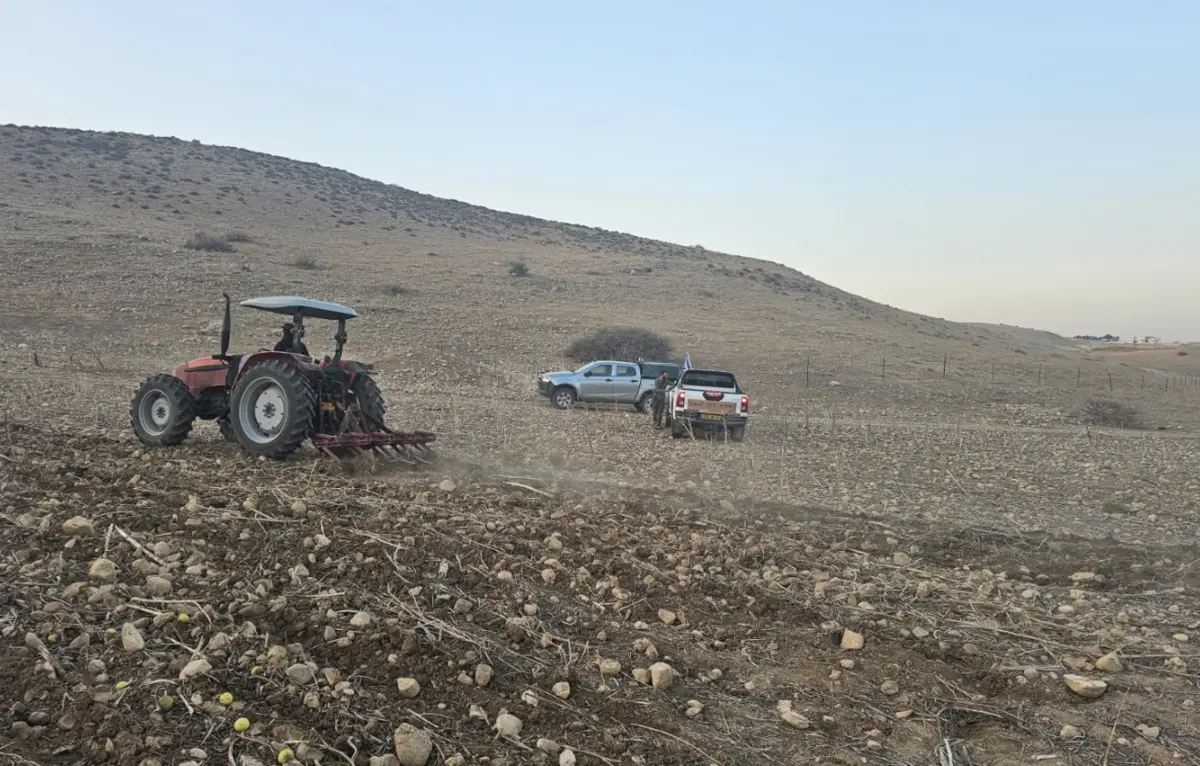
Israeli Settlers plough citizens' lands in the northern Jordan Valley

Today, Wednesday, settlers plowed agricultural lands of citizens in Nab' Ghazal in Al-Farisiya in the northern Jordan Valley.


The head of the village council in Al-Maleh, Mahdi Daraghmeh, reported that the settlers brought an agricultural tractor and began plowing the lands of citizens in Al-Farisiya in the northern Jordan Valley, amid attempts by the residents to confront them, noting that this is the second time in two weeks that they have tried to plow the lands in the same area.


Citizens fear that this is aimed at seizing the lands adjacent to their tents, forcing them to leave their homes.


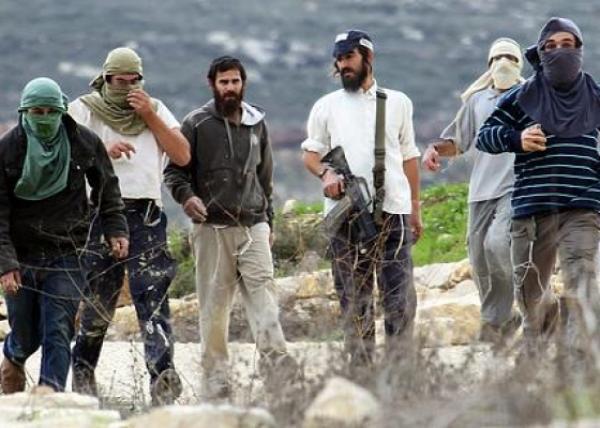
The attacks of the settlers, under the protection of the occupation, forced a number of families to leave their entire residential communities, such as “Umm al-Jamal,” “Khallet Khader,” and “Wadi al-Faw” in the northern Jordan Valley.

ARAB AND WORLD

Wed 25 Dec 2024 4:42 pm - Jerusalem Time

Leaked document refutes Europeans' claim of 'lack of knowledge' of Israeli war crimes

European Union foreign ministers rejected a call to end arms sales to Israel last month, despite mounting evidence of war crimes — and possibly genocide — presented to them in an internal assessment obtained by The Intercept.


The contents of the previously unknown 35-page assessment could influence future war crimes trials of EU politicians accused of complicity in Israel's assault on Gaza, according to lawyers, experts and political leaders.


The assessment was written by the EU’s Special Representative for Human Rights, Olof Skoog, who sent it to EU ministers ahead of the Council meeting on 18 November, as part of a proposal by the EU’s foreign policy chief to suspend political dialogue with Israel. The proposal was rejected by the Council of Foreign Ministers of the EU member states.


Skoog’s analysis lays out evidence from UN sources of war crimes committed by Israel, Hamas and Hezbollah since October 7, 2023, when some 1,200 people were killed in a Hamas-led offensive that prompted Israel to invade the Gaza Strip. The UN estimates that some 45,000 people have been killed in Gaza since then, more than half of them women and children.


Although the assessment directed strong evidence at both Hamas and Hezbollah, much of its strongest language was reserved for the Israel Defense Forces.


“War has rules,” the report says. “Given the high level of civilian casualties and human suffering, the allegations focus primarily on how officials, including the IDF, apparently failed to distinguish between civilians and combatants and to take all feasible precautions to protect civilians and civilian objects from the effects of attacks, in violation of fundamental principles of international humanitarian law.”


Skoog points to the increasing use of “dehumanizing language” by Israeli political and military leaders, which may “contribute to evidence of intent” to commit genocide.


"Incitement to discrimination, hostility or violence - such as that expressed in statements by Israeli officials - constitutes a serious violation of international human rights law and may amount to the international crime of incitement to genocide," the paper says.


Yanis Varoufakis, the former Greek finance minister and secretary general of the Democracy in Europe 2025 movement, did not overlook the consequences for senior officials from countries that export arms to Israel – such as Germany, Italy and France.


Varoufakis told The Intercept that if the ICC finds Israeli officials guilty of war crimes, distributing the report to EU ministers is of great importance because the Europeans will not be able to plead ignorance.


“They cannot plausibly deny that they were aware of the facts given the contents of the EU Special Representative’s report, which they had a duty to take into account,” Varoufakis said. “Now the world knows that they knew they were violating international law because the EU Special Representative for Human Rights explicitly told them so. History will judge them harshly. The ICC may do the same.”


The paper stems from a request made by Spain and Ireland in February to assess whether Israel's war in Gaza violates human rights provisions in the EU-Israel Association Agreement, which, among other things, enabled €46.8 billion in trade in 2022.


Had the European Commission identified a breach, it would have put the suspension of the agreement on the agenda. However, pro-Israel Commission President Ursula von der Leyen has refused to act.


As a result, Skoog was commissioned by the European Union’s foreign service, the European External Action Service, to investigate. He submitted a preliminary assessment in July. The Intercept obtained a copy of the assessment, which was updated last November.


The document, which has not been previously reported, was discussed internally as part of a proposal by the EU foreign service to suspend “political dialogue” with Israel, the only aspect of the relationship over which the bloc’s foreign service has authority; Skoog’s paper effectively backed the plan to freeze it. But EU ministers rejected the proposal, along with a de facto recommendation to ban arms exports to Israel. The report concluded that the death toll in Gaza was consistent with the demographic breakdown of the civilian population in the area, and that the pattern of killings suggested “indiscriminate attacks” that could constitute war crimes. “When committed as part of a widespread or systematic attack against a civilian population, they may also constitute crimes against humanity,” the assessment added. Skoog called on EU states to “deny export licences” – for arms – “if there is a clear risk that the military technology or equipment to be exported will be used to commit serious violations of international humanitarian law.” In the wake of the assessment, some EU politicians would be at risk of complicity if Israel were found to have committed war crimes, Tayeb Ali, a partner at British law firm Bindmans, which recently sued the British government over its arms exports to Israel, told The Intercept.


“Lawyers across Europe are watching this closely and are likely to initiate domestic and international accountability mechanisms,” Tayeb Ali told The Intercept. “Economic interests are no defense for complicity in war crimes,” Ali told The Intercept. “It is surprising that after the contents of this report, countries like France and Germany would even remotely consider raising immunity issues to protect wanted war criminals like Netanyahu and Galant,” he added, referring to Israeli Prime Minister Benjamin Netanyahu and former Defense Minister Yoav Galant.


Diana Buttu, a former legal adviser and negotiator for the Palestinian Authority, pointed out that the member states' rejection of the EU's own analysis was political.


“Legally, we know where the dominoes should fall,” Bhutto said. “The question was whether the policy would meet the law, and unfortunately, it didn’t.”


The Skoog report did not hesitate to address the atrocities committed by Hamas on October 7, describing the hostage-taking, for example, as “a violation of international humanitarian law and a war crime.”


Rocket attacks by Hamas and Hezbollah were “indiscriminate in nature… and may constitute a war crime,” the report says.


The investigation also describes the use of tunnels in civilian areas as tantamount to using human shields, which also constitutes a war crime. However, the IDF has not provided “substantial evidence” to support this claim, which even if proven, would not justify indiscriminate or disproportionate attacks on civilian areas.


The report refutes a key Israeli defense against war crimes allegations regarding the targeting of hospitals in the Gaza Strip. Skoog’s assessment is that “the deliberate targeting of hospitals… may amount to war crimes,” regardless of any Hamas activity there.


Skoog’s assessment says that international law allows Israel “the right and duty to protect its population,” but this can only be exercised in response to an armed attack or an imminent attack and must be proportionate. The assessment says that Israel, as an occupying power, also had an obligation to ensure the safety and health of those living under occupation.


The assessment “reinforces the case that EU governments have been acting in complicity with Israel’s crimes in Gaza,” Agnes Bertrand-Sanz, Oxfam’s humanitarian expert, told the website.


“Even when presented with the facts, they refused to act,” she said. “Those who have continued to export arms to Israel in defiance of the report’s clear advice are engaged in a blatant case of criminal complicity.”

PALESTINE

Wed 25 Dec 2024 4:37 pm - Jerusalem Time

Israeli occupation forces arrest at least 25 Palestinians from the West Bank

Since yesterday evening until today, Wednesday, the Israeli occupation forces have arrested at least (25) citizens from the cities of the West Bank, including children and former prisoners.


The Commission of Prisoners' Affairs and the Prisoners' Club reported that the occupation forces are continuing their arrest and field investigation campaigns in the West Bank at an unprecedented pace, in light of the ongoing war of extermination and comprehensive aggression against our people.


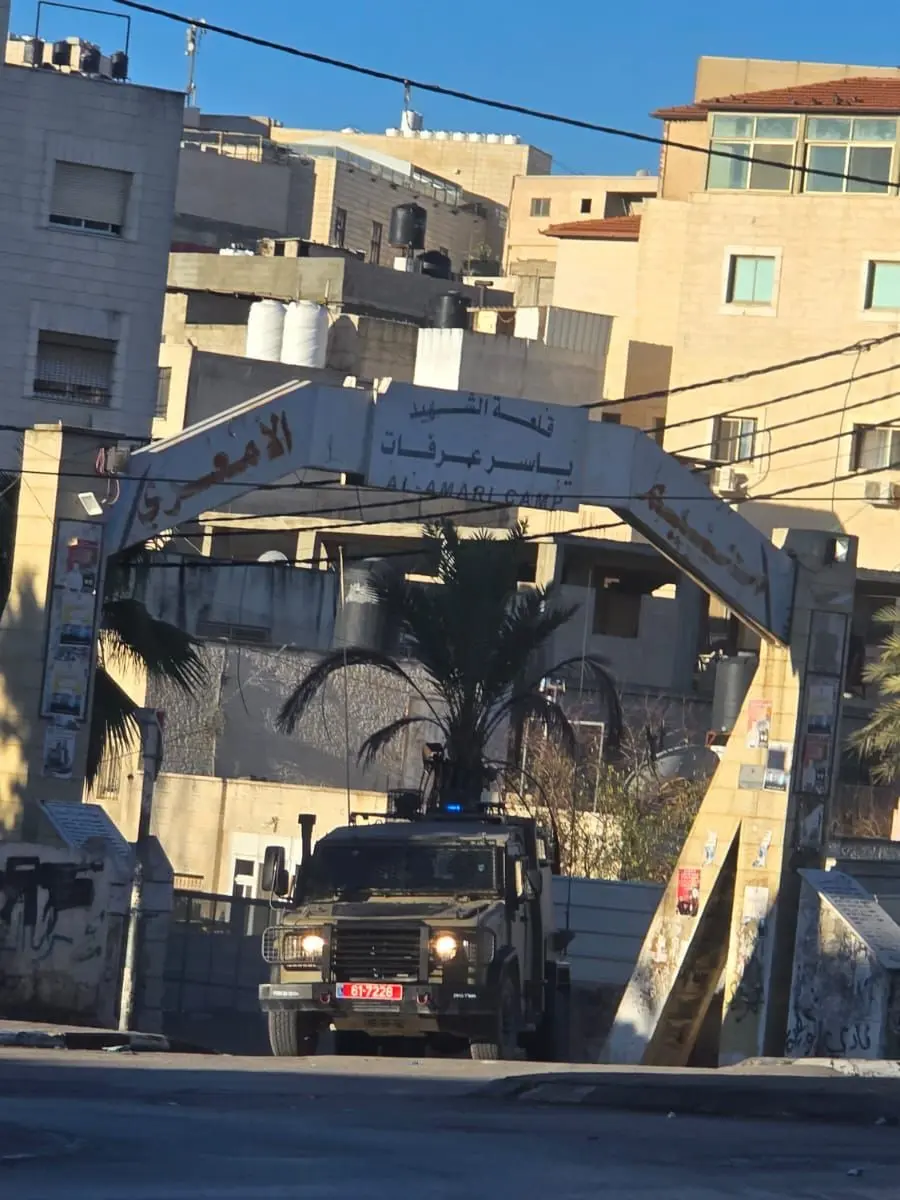
They confirmed that the occupation continues to storm the city of Tulkarm, and it was not possible to confirm all the arrests, while the occupation forces carried out field investigations and detained dozens of citizens in the Amari camp south of Ramallah, who were later released.


The arrest campaign and field investigation were accompanied by extensive raids and abuse, direct shooting with the intent to kill, in addition to threats against detainees and their families, and the vandalism and destruction of citizens’ homes.


It is worth mentioning that the occupation forces are implementing systematic arrest campaigns, as one of the most prominent fixed policies, which have escalated in an unprecedented manner since the beginning of the war of extermination, not only in terms of the number of detainees, but also in terms of the level of crimes they commit, in addition to the raids on the homes of the families of the detainees, which are accompanied by widespread acts of sabotage and destruction.

ARAB AND WORLD

Wed 25 Dec 2024 4:08 pm - Jerusalem Time

Israeli demands for Netanyahu to make decisions on prisoner exchange deal

Israeli sources called on the political level in Tel Aviv on Wednesday to make decisions regarding the ceasefire negotiations in Gaza, in preparation for concluding a prisoner exchange deal with Hamas.


The Israeli Broadcasting Authority (official) said: "There are tangible difficulties in the negotiations with Hamas regarding the path of the exchange deal."


She claimed that "Hamas refuses to provide a list of the names of the living and dead kidnapped persons who are supposed to be included in the first phase of the deal."


The Authority pointed out that "the negotiating delegation returned to the country yesterday evening after a ten-day stay in Qatar."


She quoted sources she described as knowledgeable about the negotiations (unnamed) as saying: "They (the negotiations) have not reached a dead end, and we are at a stage where decisions must be made at the political level."


The sources claimed that "Hamas ignores the pressures of the mediators."


The Israeli Broadcasting Authority indicated that "Israel stressed that the delegation will return if there is progress in the contacts."


In recent days, Israel and Hamas have spoken about progress in indirect negotiations mediated by Egypt and Qatar.


On Wednesday, Hamas announced the postponement of reaching a ceasefire agreement in the Gaza Strip due to Israel setting new conditions related to withdrawal, prisoners, and the return of displaced persons.


Hamas said in a statement: "The ceasefire and prisoner exchange negotiations are proceeding in Doha with Qatari and Egyptian mediation in a serious manner, and the movement has shown responsibility and flexibility."


She continued: "The (Israeli) occupation set new issues and conditions related to withdrawal, ceasefire, prisoners, and the return of the displaced, which delayed reaching the agreement that was available."


On Tuesday, Qatari Foreign Ministry spokesman Majed Al-Ansari announced in a press conference in Doha that negotiations for a ceasefire in the Gaza Strip and a prisoner exchange between Israel and Hamas “are still ongoing between Cairo and Doha, and it is not possible to predict when an agreement will be reached.”


Israeli Prime Minister Benjamin Netanyahu announced on Tuesday that the negotiating team will return from Qatar tonight (Tuesday), after "an important week of negotiations," to hold internal consultations on a prisoner exchange deal with Hamas.


The prisoner exchange negotiations, mediated by Qatar, Egypt and the United States, have faltered more than once, due to Netanyahu’s insistence on “continuing control over the Philadelphi Corridor on the border between Gaza and Egypt, and the Rafah crossing in Gaza, and preventing the return of Palestinian faction fighters to northern Gaza by searching returnees through the Netzarim corridor in the middle of the Strip.”


For its part, Hamas insists on a complete Israeli withdrawal from the Strip and a complete cessation of war, in order to accept any agreement.


Tel Aviv is holding more than 10,300 Palestinians in its prisons, and estimates that there are 100 Israeli prisoners in the Gaza Strip, while Hamas announced the killing of dozens of its prisoners in random Israeli raids.


PALESTINE

Wed 25 Dec 2024 2:16 pm - Jerusalem Time

Hamas: Israeli occupation sets new conditions in the ceasefire negotiations in Gaza

Hamas said on Wednesday that "the Israeli occupation is setting new conditions in the current round of negotiations related to withdrawal, ceasefire, prisoners, and the return of displaced persons."


Hamas noted in an official statement that this delayed reaching the agreement that was available.


She stressed that she had shown responsibility and flexibility in the negotiations that are taking place in Doha with Qatari and Egyptian mediation in a serious manner.


PALESTINE

Wed 25 Dec 2024 1:44 pm - Jerusalem Time

Israeli occupation forces arrest a young Palestinian from occupied Jerusalem

Today, Wednesday, the Israeli occupation forces arrested a young man from occupied Jerusalem.


Local sources reported that the occupation forces arrested Muhammad Ibrahim and extended his detention until next Tuesday.


In another context, the occupation forces stormed the Ras Khamis neighborhood in the Shuafat camp, northeast of occupied Jerusalem.


The occupation forces also stormed the town of Jabal al-Mukaber, southeast of Jerusalem, and set up a military checkpoint and obstructed the movement of citizens.

PALESTINE

Wed 25 Dec 2024 1:28 pm - Jerusalem Time

Israeli Settlers graze their livestock on citizens' lands north of Jericho

Today, Wednesday, settlers grazed their camels and sheep on Bedouin lands in the "Ein Al-Auja" community, north of the city of Jericho.


According to local sources, settlers grazed their sheep on citizens’ lands in the Ein Al-Auja Bedouin community, which led to the destruction of citizens’ fodder and the vandalism of their property, for the second time in a week.


Earlier today, settlers burned two sheep pens in the Arab al-Malihat community, northwest of Jericho.


The 26 Bedouin communities in the Jericho and Jordan Valley Governorate suffer from harassment by the Israeli occupation and settlers in the first place, who impose harsh living conditions on them to force them to leave.

PALESTINE

Wed 25 Dec 2024 1:19 pm - Jerusalem Time

Updated: 23 Palestinians dead in 24 hours, the death toll from the aggression rises to 45,361

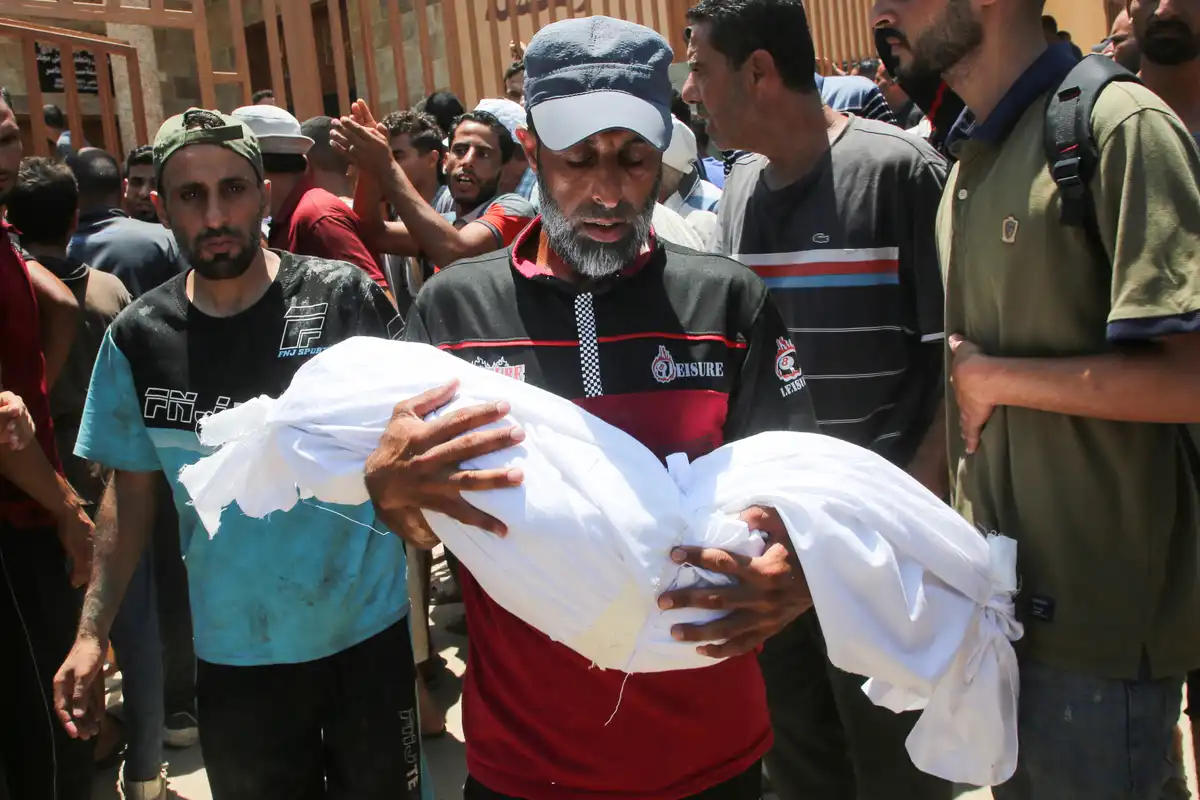
The Israeli occupation committed 3 massacres against families in the Gaza Strip, resulting in 23 dead and 39 wounded people arriving at hospitals during the past 24 hours.


The Ministry of Health in Gaza confirmed that the death toll from the Israeli aggression has risen to 45,361 dead and 107,803 wounded since October 7, 2023.


The ministry indicated that a number of victims are still under the rubble and on the roads, and ambulance and civil defense crews cannot reach them.


Medical sources reported that at least 3 citizens, including a child, were killed and a number of others were injured when occupation aircraft targeted the vicinity of the "Al-Muhabban" school, which houses displaced people in the Sheikh Radwan neighborhood, west of Gaza City.

ARAB AND WORLD

Wed 25 Dec 2024 1:16 pm - Jerusalem Time

Quneitra: Syrians demonstrate against Israeli occupation.. 7 people injured by Israeli army bullets

Today, Wednesday, the Quneitra countryside in southern Syria witnessed an Israeli escalation in which Syrian civilians were shot at, and military incursions took place in several towns, in addition to the occupation’s pressure on local residents to surrender their weapons. These events resulted in civilian casualties, amid a state of tension and anxiety among the residents.


Al-Arabiya TV correspondent reported that 7 people were injured with varying degrees of injuries, when the Israeli occupation forces opened fire on demonstrators in the village of Suwaysa, during protests against the Israeli incursions into the area. Syrian reports also stated that two civilians were injured by the occupation forces’ bullets in the town of Al-Dawiya Al-Kabira.


The occupation threatens the notables of Jabata Al-Khashab

According to the Syrian Observatory for Human Rights, an Israeli occupation army force summoned dignitaries from the town of Jubata al-Khashab to “hold a meeting” in the town under threat. They demanded that the residents hand over heavy weapons within a maximum period of 48 hours.


Israel explained to the dignitaries that they were responsible for preventing the arrival of Hay'at Tahrir al-Sham elements to the area. The dignitaries responded by asking the responsible and active Syrian authorities in the area to make a decision on this matter, to avoid any accusations or treason that might be leveled at them later.


Several towns in the Quneitra countryside, including Suwaysa, Manshiyat Suwaysa, Qasiba, Naimiya, Kodna, and Brega, witnessed Israeli military incursions, as the occupation forces entered these areas supported by machinery and bulldozers, which were met with demonstrations and protests as the Syrians rejected the occupation imposing itself as a fait accompli in the region.


Yesterday, Tuesday, Israeli bulldozers and machinery entered the Mantara Dam area, where Israeli forces established new military points and raised earthen barriers around the dam. The Israeli occupation also penetrated 7 kilometers deep into the buffer zone, and imposed restrictions on the movement of residents in the villages of Umm al-Azam and al-Adnaniyah, by setting specific times for entry and exit.


Installing new military points

Local sources confirmed to the Syrian Observatory that the Israeli occupation entered the "Sharat al-Haramoun Heights" last Monday, accompanied by armored vehicles, where a new military point was established on the slopes overlooking the southwestern countryside of Damascus. These movements aim to strengthen Israeli military control over the border areas.


The Syrians expressed their dissatisfaction with the repeated Israeli attacks, calling on the responsible authorities in Syria and the international community to take action to stop the ongoing Israeli violations. They also called for the protection of civilians from attacks and incursions that increase their daily suffering.
PALESTINE

Wed 25 Dec 2024 12:55 pm - Jerusalem Time

Israeli occupation forces arrest 3 citizens from Salfit

Today, Wednesday, the Israeli occupation forces arrested 3 citizens from Salfit.


Local sources reported that the occupation forces stormed the town of Burqin, west of Salfit, raided citizens’ homes, and arrested the young man, Mujahid Abdul Samara, and his father from their home.


In a related context, the occupation forces stormed the town of Az-Zawiya at dawn today and arrested the young man Karam Subhi Muqdi (20 years old) from the town of Az-Zawiya, west of Salfit.

PALESTINE

Wed 25 Dec 2024 11:06 am - Jerusalem Time

Israeli occupation continues its aggression on Tulkarm camp and widespread destruction of the infrastructure

The Israeli occupation forces continue their aggression on Tulkarm camp for the second day in a row, which led to the death of 8 citizens yesterday, and caused widespread destruction to the infrastructure and citizens’ property.


According to local sources, the occupation bulldozers are sweeping the streets in the camp’s neighborhoods and alleys, and are deliberately destroying everything in their path, including walls, fences, houses, shops, and vehicles, which has caused water and electricity outages after destroying their networks, and has caused interference in the internet and communications networks.


It also burned the house of the detainee, Musab Abdul Rabbo, in the Shuhada neighborhood, after the bombing operations it carried out inside the neighborhood, and burning the tarps covering its streets.


It added that the occupation forces sent more of their vehicles to the camp, which they imposed a tight siege on, amidst the sounds of explosions and gunfire heard from time to time, coinciding with intensive flights of reconnaissance aircraft at a very low altitude.


The occupation forces prevented citizens from leaving to obtain their daily needs, especially children and the sick, which prompted them to launch appeals for assistance in light of the difficult conditions the camp is experiencing, while preventing Red Crescent ambulance crews from entering the camp.


The Red Crescent Society reported that its crews dealt with a shrapnel injury to the back inside the camp, and he was transferred to the hospital.


Earlier, the occupation forces blew up a warehouse belonging to the family of prisoner Faisal Khalifa in the Aktaba suburb east of Tulkarm, whom they arrested 10 days ago, and arrested his brother Firas Khalifa.


Last night, the occupation bulldozers carried out extensive destruction of the infrastructure of the streets of Nour Shams Camp, east of the city, specifically in the Al-Manshiya and Abu Bakr Al-Siddiq neighborhoods, and completely destroyed a number of shops and facilities located along Nablus Street adjacent to its entrances.


The occupation forces arrested Yousef Rajab and Musab Suleiman from Tulkarm camp, and Sharif Anwar Abu Daghash from Iktaba, while subjecting a number of young men to field investigation after raiding their families’ homes.


In a later development, the occupation forces stormed the town of Bal'a, east of Tulkarm, with a number of their vehicles, and took up positions in its eastern neighborhood, where they are still present until now.

PALESTINE

Wed 25 Dec 2024 11:03 am - Jerusalem Time

Ramallah: 3 young Palestinians injured and a large-scale arrest campaign in Al-Amari camp

Three young men were injured on Wednesday after the Israeli occupation forces stormed the Amari camp, south of Ramallah.


The Red Crescent Society reported that its crews dealt with a young man being shot in the foot with live ammunition, and two other injuries, one of which was run over by a military jeep, and the other was assault.

.

Local sources said that the occupation forces attacked a number of journalists present in the camp, and fired sound bombs and toxic gas at them in an attempt to prevent them from covering the event.


The sources added that the occupation forces launched a wide-scale arrest campaign in the camp, most of whom were from the Gaza Strip. Among them were: Fathi Hammad (26 years old), Youssef Al-Ashqar, Walid Ayman Abu Ghuwaila (24 years old), Hussam Al-Wawi, and Jibril Ramana. They also detained Palestine TV driver Shadi Kifaya.


Eyewitnesses reported that the occupation forces brought the detainee, Firas Jaber, to the camp while he was handcuffed.


The sources added that the occupation forces closed the entrance to the camp, carried out a campaign of raids and searches of a number of citizens' homes, and seized a vehicle.

PALESTINE

Wed 25 Dec 2024 11:01 am - Jerusalem Time

Israeli occupation forces demolish a park and a commercial facility in Bethlehem and Qalqilya

Today, Wednesday, the Israeli occupation forces demolished a park and a commercial facility in Bethlehem and Qalqilya.


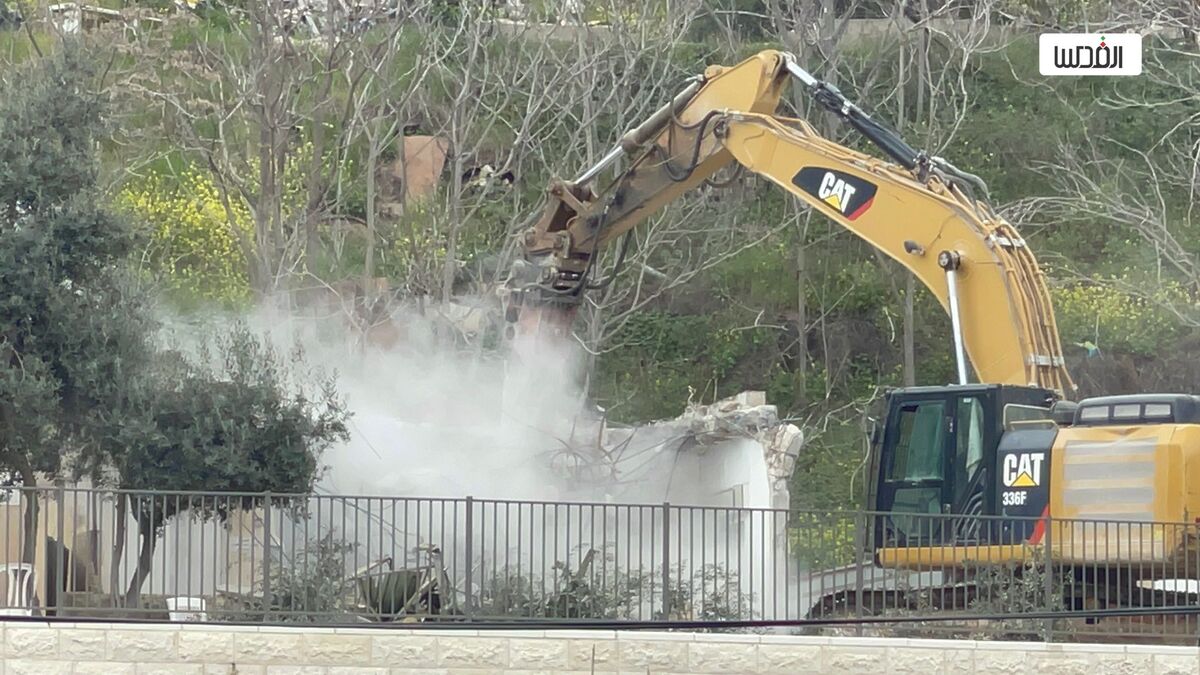
In Bethlehem, a large force of the occupation army stormed Nahalin, specifically the "Khallet al-Daliya" area in the south, and began demolishing a park containing a swimming pool, a restaurant, a café, and various facilities, owned by citizen Abdul Rahman Taie Fanoun, under the pretext of not having a license.


In Qalqilya, a large force of the occupation army, accompanied by bulldozers, stormed the village of Nabi Elias, east of Qalqilya, and demolished a commercial barrack (a car garage) belonging to citizen Mustafa Al-Shawfani.

PALESTINE

Wed 25 Dec 2024 10:12 am - Jerusalem Time

Israeli extrimist settlers burn two Palestinian sheep pens in Jericho

Settlers burned two sheep pens in the Arab al-Malihat community, northwest of Jericho, at dawn on Wednesday.


According to local sources, a number of settlers riding in three vehicles stormed the community and burned two sheep pens that contained fodder and sheep equipment, owned by the brothers Hamza and Muhammad Ali Malihat.


Last night, settlers attacked the Arab al-Malihat community, northwest of Jericho, and threw stones at a citizen’s home.

ARAB AND WORLD

Wed 25 Dec 2024 9:55 am - Jerusalem Time

Lebanon: Two dead and wounded in an Israeli raid on the Bekaa

Two Lebanese were killed and other injuries were reported, following an Israeli air force raid, at dawn on Wednesday, on the area between the Lebanese towns of Talia and Hazin, in the Bekaa Valley in the east of the country.


The National News Agency reported that the Israeli army targeted the Bekaa Valley today, Wednesday, for the first time since the ceasefire agreement was announced.


Israeli aircraft targeted an area near the official school in the town of Taybeh, located a few kilometers from the Lebanese border with Israel.


The Israeli air strike resulted in the immediate death of two martyrs, while the wounded were transferred to the hospital for treatment, according to Lebanese medical sources.


The raid was accompanied by intensive Israeli drone flights over the targeted area, reaching the vicinity of the city of Baalbek. The raid also resulted in the burning and complete destruction of warehouses.


Israel continues to violate the ceasefire agreement, which was concluded after violent confrontations with Hezbollah that lasted for more than two months.


The agreement, which entered into force on November 27, stipulated that Israel would withdraw from areas it had penetrated south of the Blue Line within 60 days, with the Lebanese army deployed in the southern region as the only entity authorized to carry weapons there, in addition to dismantling illegal military sites.


Despite the ceasefire agreement, Lebanese authorities documented at least 287 Israeli violations, including artillery shelling, airstrikes, intensive flights by warplanes and drones, in addition to ground incursions, gunfire and other attacks.

PALESTINE

Wed 25 Dec 2024 9:28 am - Jerusalem Time

West Bank: One dead succumbed to his injuries as a result of the occupation's bombing in the town of Tamoun

A young man from the town of Tamoun, south of Tubas, was killed today, Wednesday, due to his critical injury after a drone targeted a group of young men during the occupation's storming of the town last night.


The head of the Tamoun Municipal Council, Najeh Bani Odeh, reported that the boy, Rayan Hussam Bani Odeh (17 years old), died of his critical injuries after the occupation forces’ drone targeted a group of young men last night in Tamoun.


Last night, medical teams dealt with two injuries, as a result of an occupation drone bombing a group of young men, during its storming of the town of Tamoun, south of Tubas.


The Directorate of Education in Tubas mourned the boy Bani Awda, who was a high school student at Muscat Boys Secondary School.

OPINIONS

Wed 25 Dec 2024 9:22 am - Jerusalem Time

Military resolution is an Israeli language of justification for continuing to kill Palestinians

op-ed - Al-Quds dot com

op-ed - Al-Quds dot com

Opinion Writer

After more than 446 days of war against the Gaza Strip, Maariv newspaper analyst Avi Ashkenazi appeared and wrote: The political level in Israel does not believe that a military decision has been reached against Hamas, and that the army was forced to pay a heavy price with the killing of three of its members in the detonation of explosive devices the day before yesterday in Beit Hanoun.


Ashkenazi admits that Netanyahu wants a phased exchange deal, and therefore he does not want to stop the war. He said that he does not find any military logic in Netanyahu’s insistence, calling for a real and public discussion of the essence of this decision in a serious manner, and not to cling to a preconceived opinion belonging to this or that political current, claiming that Israel is paying a heavy price for this policy, while pointing out at the same time that Israel has succeeded in striking the Hamas system and its infrastructure, and that the army has established buffer zones in Rafah, the Salah al-Din (Philadelphi) axis, and near the border fence, and built a corridor with an area of about 8 kilometers, in addition to attacking the tunnels.


Ashkenazi clearly addresses the army's ability and readiness to withdraw, position itself on the border line, and exploit military advantages such as aviation, missiles, drones, and helicopters, because the army's continued presence in the sector is problematic in the context of its presence on other fronts.


What is preventing the army from withdrawing, moving towards an exchange deal, and recovering the detainees?


Important questions, often raised by Israeli media leaders who know and clearly realize that Netanyahu and his extreme right-wing faction do not want to end this destructive war on the Gaza Strip, and that the army is likely to drown in the Gazan quagmire, as happened to it in Lebanon.


While these statements seem bold and acknowledge the flaws, and clearly indicate the possibility of ending the war, and that Israel must move towards this option, there are those who call for the necessity of continuing the aggression, motivated by revenge and continuing to kill the Palestinian people, and committing more daily massacres. This is the true picture of what is happening in the Strip currently, as General and analyst Yitzhak Brick admits in response to Netanyahu’s statements to the Wall Street Journal, in which he said that he will not agree to stop the war before eliminating Hamas, that these statements are considered nonsense and lies, and that the raids carried out by the army repeatedly are carried out without any clear goal and do not contribute to overthrowing Hamas.


Brik adds that Netanyahu continues the vicious cycle of clichés, headlines and statements, to preserve his supreme interest represented in the continuation of the war in order to remain in power, and this continuation means more chapters of massacres in the war of extermination that our Palestinian people in the Gaza Strip are paying the price for, and the question is who will rein in Netanyahu and his ministers, and for how long will the crimes against defenseless civilians continue under the pretext of not resolving matters militarily?

OPINIONS

Wed 25 Dec 2024 9:21 am - Jerusalem Time

Killing Saeed Joda, orthopedic surgeon at Kamal Adwan Hospital

Walid Al-Hudali

Walid Al-Hudali

Opinion Writer

Which men are we talking about? Is a doctor required to treat people, while he and the one he treats are on the brink of death? He is surrounded by the most hostile, despicable, depraved and savage people, imposing on him and those with him in Kamal Adwan Hospital a siege of death, destruction and terror coming at them from every side, and a big question about the size of the Arab and Islamic world, and all those who abandoned Gaza and turned their backs on it. What prevents Dr. Saeed Joda, an orthopedic surgeon, from fleeing the mouth of death, and going to where there is safety, peace of mind and a comfortable life prepared for doctors in the best and most modern Arab hospitals? He has given enough and was wounded twice, and God has decreed that his soul be saved, so why shouldn’t he flee this coming death? He lost his son as a martyr, and despite this, he insisted on continuing with all his strength and effort, continuing day and night.


He was struggling with death, his death and his life were at the price of a stray bullet from the bullets that were pouring down like rain, and the victims that came to him one after the other were also struggling with death from every side, and perhaps this challenge in the heart of the battle and his steadfastness in the heart of the destruction, and what the missiles of terror caused in the sides of this building calmed his nerves a little for what he had lost of his family, and perhaps his insistence brought to his heart a feeling of victory over their miserable nature with his high human spirit, it is like restoring his reputation with a balance that he saves for his afterlife, compensating for what he lost in his worldly life, there is no consolation or steadfastness for such steadfast mountains except what is settled in their hearts of high strength of faith, and certainty that what is with God is better and more lasting.


Dr. Joda remained the only orthopedic surgeon in this hospital, most of whose visitors needed this specialty. He continued to turn over case after case that came to him from the worst massacres known to humanity, bandaging wounds and setting bones, and his eyes never knew sleep in the face of this constant sadness that came to him one after the other from his afflicted people.

How much he worked hard, persevered, and stayed up all night to become a specialist doctor. When the hour of harvesting the fruit struck, he was to reap the fruit of his knowledge in a place where the smell of death spreads, a place where the worker is crushed by a deadly missile in less than a second, in a flash all of the previous toil and effort over more than forty years becomes scattered dust. Here in Kamal Adwan Hospital, the doctor is closer to death than to life, and despite his knowledge, premeditation and deliberation, he insists on positioning himself in this place. The place turns into a cemetery for the living, and he does not think of moving to another place that is less dangerous, and closer to life than death. Although he was warned of death by being injured twice, his son being martyred another time, and many of his relatives and loved ones being lost, he continues to seclude himself here. What martyrdom did he attain, and before which martyr do we stand?!


The bullets of the most evil of God's creation did not miss him in terms of crime and brutality. They want him in particular, so that the broken will remain broken without being mended, and the wounded will remain wounded without anyone to bandage his wounds. What murderers and scoundrels you are! You have reached a level of degradation that no one has reached before you. Don't you know that the wheel of life is revolving, and it must turn on you and your actions will inevitably turn into regrets for you?

Dr. Saeed Joda is neither a number nor an insect. He is a tall figure and a unique, high-level human spirit, unparalleled in its kind, and you will not find an alternative place for him other than that hospital except in the paradise of the Most High Companion.


To the eternal gardens, congratulations. There the fruits are picked.

OPINIONS

Wed 25 Dec 2024 9:20 am - Jerusalem Time

Clearly.. Christmas in the Time of Genocide

Bahaa Rahal

Bahaa Rahal

Opinion Writer

We, the children of Gaza, on Christmas Eve, are still being killed by the bullets and shells of the occupation army, and we are dying of cold, homeless, in the open, under the impact of genocide and the ravages of the raging slaughter. We wish the world a glorious holiday, and that it will keep the commandments of Christ and his message that he called for, justice and peace, and confronting oppression and injustice and fighting falsehood, and that they will not stand on the side of neutrality and silence.


We, the children of Gaza, on Christmas Eve, miss our families, our mothers and fathers, the warmth of our homes and bedrooms that were bombed by planes. We also miss the safety, the joy of the happy holiday, the Christmas tree and the holiday decorations. We do not know what sin we have committed that our fate is suspended at the gate of the end of the year, attached to the Rafah land gate, on the desert border with our sister country, Egypt.


We are the children of Gaza on Christmas Eve. No one gives us presents and we have no new clothes. We search for a loaf of bread and a drink of water, and we cannot find a roof to protect us from the planes’ fire, the winter rain, the cold of the nights and the frost of the time. We do not wait for Santa Claus to visit us, because the borders are closed and besieged from all sides, and he is forbidden to approach them, and we are forbidden to live the joy of the holiday, because the occupation has decided to arrest him if he comes to Gaza, so Santa Claus will not come this year, and he will not give us holiday gifts.


We, the children of Gaza, on Christmas Eve, are looking for a moment of calm, free from the sounds of bombing. We are waiting for this war to end, so that those of us who survived can return to life. We are still hopeful. We wish the world a happy holiday, and that peace will prevail in the land of peace. We only hope that you will include us in your prayers tonight, and that salvation will be for all of us.


We, the children of Gaza, on Christmas Eve, say to the world: Stop this war, stop this destruction, and do not be satisfied with silence, and do not be like those who witnessed the killing of children on Christmas Eve, and then sought refuge in silence when fear and terror overcame them and remained neutral. Let us survive, and let all those who have survived so far in Gaza survive with us, for this is our message to you on the holiday, in the hope that the will of Christ will be fulfilled, Glory to God in the highest, and on earth peace, good will toward men.


We are the children of Gaza on Christmas Eve, searching for a piece of bread, a drink and water, searching for a moment of safety and salvation from this hell. So, will you help us, O world?

OPINIONS

Wed 25 Dec 2024 9:18 am - Jerusalem Time

The birth of the first martyr

Hamada Faraana

Hamada Faraana

Opinion Writer

Today, Christians celebrate the birth of Jesus Christ on the land of Palestine in Bethlehem. According to all legal, geographical and human standards, his birth took place on the blessed land. This is why there were churches: the Nativity in Bethlehem, the Annunciation in Nazareth, and the Church of the Resurrection in Jerusalem. The three churches are the holiest Christian sanctities on the land of Palestine. This indicates that Christianity is ours, from us, and its birth and its Annunciation took place in our country, with its faithful followers. This is why the Palestinian people possessed the sanctity of their homeland, preserved it, held fast to it, and its sanctity was increased by the fact that our Master Muhammad’s Night Journey from the Hijaz to Jerusalem and from there his ascension to heaven.


Al-Aqsa Mosque, sacred to Muslims as the first Qiblah, and has the right to be sacred along with Mecca and Medina.


Christians celebrate the birth of the first martyr, who sacrificed his life and steadfastness in faith in what was revealed to him and upon him, before the followers of the corrupt conspired against him, along with the foreign Roman colonialism, who tortured and crucified him, before the one with the decision and vision did his work, redeemed him, removed the crucifixion from him, and revived him, to be recorded as a conscious martyr, whose message spread to cover the corners of the earth with his followers.


Between Jordan and Palestine, he was baptized, on the Jordan River, and here is the site of the Baptism in the Jordan Valley, witnessing the birth of churches to commemorate the memory and sanctify the place, as it should be, as it deserves.


Those who conspired against the first Palestinian martyr with the Roman colonialism are still outside the agreement, they refuse partnership, they continue their crimes against the original owners of the land: the Palestinian Arab people, the owners of the homeland with its Muslims and Christians, and for this reason we all stand in reverence for the memory of the birth, the message and the appropriate generalization of the owner of the fragrant memory: the Lord Christ.


The racist expansionist colonial project: The Israeli colony kills everything that is not Jewish, and demolishes every Islamic and Christian monument, whether it is a mosque or a church. They practice killing and destroying people, trees and stones with the aim of eliminating and erasing landmarks, so that Palestine becomes a homeland limited to foreign Jews who were brought in, and for them alone. This will not happen and will not happen no matter how extensive and varied the means of crime against the Palestinians are. They have endured and paid the price of remaining on the land of their homeland, which is their only homeland.


The colony has the ability, superiority, deception and practice of lies, but it has been exposed before international institutions concerned with human rights: Amnesty, Human Rights Watch, international human rights committees, UNESCO, and other institutions, and even His Holiness the Pope did not hesitate to remind the Palestinian people of the sins, crimes and genocide that they are subjected to at the hands of the colony’s forces and apparatuses.


We remember the birth of Jesus Christ, the first Palestinian martyr, perhaps his memory constitutes a date and approach to the hoped-for day, the return of the Palestinian refugees to their country and cities: to Lod, Ramla, Jaffa, Haifa, Acre, Safed and Beersheba, because they paid the heavy price and continue to do so from the day of the Nakba in 1948, until the day of the tragedy, hunger and crime after October 7, 2023.

PALESTINE

Wed 25 Dec 2024 8:55 am - Jerusalem Time

Killing of a Palestinian member of the security forces in the ongoing events in Jenin

A member of the Palestinian security forces was killed this morning, Wednesday, due to his injuries during the ongoing events in Jenin.


The official spokesman for the Palestinian security forces, Brigadier General Anwar Rajab, said in a statement that "this heinous crime that targeted a member of the security establishment, who is the third martyr since the launch of the "Protect the Homeland" campaign, will only increase the security forces' determination and resolve to confront anyone who tries to threaten the security of the homeland or rebel against the rule of law," according to his expression.


He stressed that the security services will continue, with all their might, to work to impose order, eliminate chaos and protect the security of our people, no matter the sacrifices, according to him.


Brigadier Rajab called on all citizens to stand united with the security services, and provide full support and cooperation in pursuing these criminals, to ensure security and stability in our beloved country.


It is noteworthy that First Assistant/Saher Farouk Jumaa Arheel, a member of the Presidential Guard, and First Sergeant Mahran Qadous, a member of the Palestinian Police, were killed a few days ago during the security operation carried out by the Palestinian Authority in Jenin and its camp.

PALESTINE

Wed 25 Dec 2024 8:46 am - Jerusalem Time

Major challenges and a closed political horizon.. 2025 in the eyes of writers and analysts

Dr. Hussein Al-Deek: Breakthroughs in the Palestinian issue are out of reach, and an expected escalation by settlers in the West Bank in 2025

Sari Samour: No clear indications of a political solution in 2025, but rather expectations of increasing escalation and no hope for establishing a Palestinian state

Dr. Saad Nimr: 2025 will be the year of monopolizing the West Bank to implement settlement expansion plans and attempt to annex more lands

Dr. Raed Abu Badawiyya: The most that can be achieved in the next phase is a shackled “Palestinian civil administration” without a political horizon towards establishing a state

Samer Anabtawi: The current stage, despite its difficulty and cost, is a “narrow path” that the Palestinian people are passing through on their way to achieving their rights


As the beginning of the year 2025 approaches, fears are rising about the continued absence of a political horizon to resolve the Palestinian issue in light of local, regional and international complications, coinciding with the ongoing war of extermination in the Gaza Strip and the continuation of settlement ambitions in the West Bank.


In separate interviews with “I”, writers, political analysts, specialists and university professors believe that there are a number of challenges facing the Palestinians in 2025, starting with the internal division, and the escalation of American support for Israel led by the administration of President Donald Trump, and reaching the policies of the Israeli occupation aimed at strengthening settlements and imposing new facts on the ground, especially in the West Bank and the Gaza Strip.


They point out that the new year may witness an Israeli escalation in the West Bank, with an intensification of settlement activity and attempts to annex large parts of the Palestinian territories. In the Gaza Strip, Israel is expected to impose a temporary calm, which may be accompanied by strict security arrangements that hinder any prospect of achieving Palestinian independence, and the continuation of attempts to re-settle, which deepens the humanitarian and political tragedy of the Palestinian people.


Writers, analysts, specialists and university professors believe that the chances of establishing an independent Palestinian state seem more remote, while they stress the importance of strengthening national unity and popular steadfastness in the face of these plans, pointing out that the Palestinian people, despite the losses, will continue to adhere to their rights and positions in the face of extremist Israeli policies, but that requires strengthening national unity and rejecting division.


The West Bank is the battlefield...and Palestinian divisions complicate the scene


The writer, political analyst and specialist in American affairs, Dr. Hussein Al-Deek, confirms that talk of political breakthroughs in the Palestinian issue during the year 2025 seems unlikely in light of the complex political situation that the Palestinian arena is suffering from, while things will remain as they are in the year 2024 with slight changes.


Al-Deek explains that this complexity stems from several main factors, most notably the internal Palestinian divisions, Israeli settlement policies, and the international support the occupation receives, especially from the United States and Britain.


Al-Deek points out that the Palestinian-Israeli conflict is not an ordinary political dispute, but rather an existential conflict between Palestinians seeking to preserve their existence on their land, and a colonial settlement occupation based on extremist political and religious ideologies.


Al-Deek believes that international support for the occupation, led by major powers since World War II, represents a major obstacle to achieving any political progress for the Palestinian cause.


Al-Deek believes that the year 2025 will witness a major escalation in the West Bank, which he described as the next battlefield in the Palestinian-Israeli conflict.


Al-Deek explains that the settlement attack led by the far-right Israeli government, supported by US cover, will escalate significantly.


Al-Deek points out that the settlers, who operate as militias supported by the Israeli army and police, are seeking to control more West Bank lands.


Al-Deek points out that the West Bank may witness violent clashes between Palestinian citizens and settler gangs in 2025, especially in rural areas and mountains, as these clashes will be a direct result of the occupation’s attempts to impose its full control over the Palestinian territories, which reflects the absence of any horizon for a political solution.


Regarding the Gaza Strip, Al-Deek expects that the year 2025 will witness a temporary truce that may lead to a ceasefire for a limited period, but Israel is not seeking to achieve a permanent ceasefire, but rather is working to achieve strategic goals represented in destroying the Palestinian resistance and displacing the largest possible number of residents of the Strip.


Al-Deek points out that Israel seeks to achieve this goal either through forced displacement or by opening the crossings to make way for voluntary displacement.


Al-Deek explains that these policies aim to ensure that the Gaza Strip does not pose a future threat to Israeli national security, and that the right-wing Israeli government considers full control over Gaza as part of its strategic goals to achieve what is known as “Greater Israel.”


Regarding the establishment of a Palestinian state, Al-Deek stresses that this dream seems out of reach under the current political circumstances.


Al-Deek points out that the internal divisions between Palestinian factions, whether inside or outside the PLO, contribute greatly to the complexity of the scene, and that the representative institutions of the Palestinian people, such as the Legislative Council and the PLO, still suffer from the absence of the democratic process and the failure to hold periodic elections.


Al-Deek explains that the ongoing Palestinian division weakens the Palestinian position on the international scene and further complicates efforts to achieve any progress towards establishing a Palestinian state.


Al-Deek points out that the Arab regional situation does not help in this context, as he described the Arab position as a shy supporter, subject to the balances and interests of major countries, especially the United States.


Dr. Al-Deek addresses the role of the international community, pointing out that the promises made by the major powers to the Palestinians remain mere slogans that cannot be implemented.


Al-Deek cites previous experiences, such as the promises to establish a Palestinian state after the signing of the Oslo Accords in 1993, and the launch of the Road Map in 2002, which did not translate into any real progress on the ground.


Al-Deek asserts that the world is still governed by the language of interests, as the United States controls the positions of many countries, including Arab countries, which hinders any real support for the Palestinian cause.


Al-Deek stresses that the year 2025 will not bring political breakthroughs, but will witness more escalation in the West Bank and Gaza Strip.


Al-Deek points out that the continuation of the Israeli occupation with its settlement policies and the support of the major powers makes achieving any political progress unlikely.


Al-Deek stresses that the Palestinian people will continue to face major challenges, which require internal unity and intensive efforts at the political and field levels to confront the occupation and its expansionist policies.


The most that can be expected is a swap deal.


Writer and political analyst Sari Samour believes that the year 2025 holds great ambiguity regarding the Palestinian issue, with the current situation of Israeli aggression and ongoing Palestinian resistance continuing, without clear indications on the horizon of a political solution. Rather, an upcoming escalation threatens the region, indicating that there is no hope for establishing a Palestinian state.


Samour stresses that the current scene lacks any signs indicating the possibility of achieving political progress, pointing out that the most that can be expected on the Palestinian level is a prisoner exchange deal.


In his analysis of the general situation, Samour points out that the global and regional political arena is witnessing a state of escalating tension, despite the statements of US President-elect Donald Trump, who is promoting the possibility of achieving breakthroughs in pending issues at the global level, and not just in the Middle East region.


But Samour is not optimistic about these promises made by Trump, citing data indicating a continuous escalation in many arenas and fronts around the world.


Sammour believes that regional and international celebrities may witness the transfer of conflicts from one region to another, such that a conflict is extinguished in one place and then ignites in another region.


Samour links this situation to the existence of Israel, stressing that it represents a major obstacle to achieving stability in the region.


"As long as Israel exists, stability remains elusive in the Middle East," Samour says.


As for the possibility of establishing a Palestinian state, Samour considers this possibility unlikely, at least during the next two years.


Samour points out that the current situation, whether on the political or field level, does not support any optimism in this direction, with the continuation of Israeli policies that obstruct any efforts to achieve the two-state solution.


Samour confirms that the next stage may be saturated with tensions and escalation in more than one arena, with the Palestinian people continuing to suffer, without a real horizon that changes the nature of the current scene.


Calm in Gaza and cooling of the fronts or escalation that may extend to a regional war


Dr. Saad Nimr, a professor of political science at Birzeit University, believes that the year 2025 may witness one of two main paths: either a calm in the Gaza Strip and a cooling of the fronts as a result, or a major escalation that may extend to a regional war that includes Iran and Yemen.


Nimr explains that the scene in the Gaza Strip is leaning towards achieving a temporary calm and ceasefire, with the possibility of concluding a prisoner exchange deal between Israel and Hamas.


However, Nimr points out that the negotiations are facing pressure and obstacles, especially from Israeli Prime Minister Benjamin Netanyahu, who is seeking to achieve political gains from this deal.


According to Nimr, the new US administration is working to achieve a calm in Gaza within the framework of a policy to reduce tension in the region, while Israel is trying to put strong pressure on the Palestinian resistance, led by Hamas, to achieve its conditions in the prisoner exchange deal, as it seeks to appear victorious.


However, Nimr points out that any agreement in Gaza will remain temporary, without leading to radical solutions to the situation there.

On the regional side, Nimr expects a possible escalation in the Middle East, especially with Israeli threats to strike Iran and the Houthi group in Yemen.


Nimr explains that such an escalation could lead to a large-scale regional war, especially if the United States intervenes to support Israel.


Despite President-elect Donald Trump's statements that he does not seek to start new wars, Nimer points out that the matter depends on the extent to which Netanyahu and his government are able to convince the US administration to participate in such a conflict.

It is believed that these developments will greatly affect regional stability, putting the Middle East on the brink of an unprecedented phase of tension.


Nimr believes that the year 2025 will be the "year of the West Bank" and that it will be monopolized to implement the occupation's plans, noting that the Israeli plans will focus on expanding settlements and trying to annex more Palestinian lands.


Nimer points out that the far-right Israeli government, led by figures such as Bezalel Smotrich, seeks to achieve a vision based on dividing the West Bank into three cantons: northern, central and southern, isolated from each other.


Nimr explains that this policy will be implemented with possible support from the US administration led by Trump, who had previously announced during his election campaign his support for expanding Israel and that its area is small.


Nimr asserts that the policy of annexation and annexation in the West Bank will lead to the confiscation of large areas of land, while tightening the noose on the Palestinians, pointing out that this policy reflects a clear Israeli rejection of any idea related to the establishment of a Palestinian state.


Regarding the future of the Palestinian state, Nimr believes that this dream has become out of reach in light of current Israeli policies.


Nimr asserts that the statements of the Israeli government and the Knesset reflect a complete rejection of the idea of establishing a Palestinian state, pointing out that the new US administration, led by Trump, supports this approach.


Nimr explains that Trump has previously stated that he does not consider the two-state solution the only solution, hinting at the possibility of proposing alternative solutions that serve the Israeli vision.


Nimr believes that the next stage may witness a greater escalation in the West Bank, pointing out that “Israeli plans for 2025 will focus on the West Bank, just as the plans in the previous year focused on Gaza.”


Nimr points out that the year 2025 will bring many surprises at the regional and local levels, with the possibility of an escalation of violence in the West Bank due to expansionist Israeli policies, amid the absence of any clear political horizon.


Nimr stresses that the situation in the region will remain dependent on the ability of the various parties to manage tensions and prevent the outbreak of new conflicts that could lead to further instability.


Regional, international and local factors weaken the prospects for political solutions


Dr. Raed Abu Badawiyya, Professor of International Law and International Relations at the Arab American University, believes that the next phase, starting in 2025, will be full of dark challenges for the Palestinian cause.


Abu Badawiya attributes this to a group of regional, international and local factors that intertwine to weaken the prospects for political solutions and consolidate extremist Israeli policies with absolute support from the US administration led by Donald Trump.


Dr. Abu Badawiya points to three main factors that will shape the features of the next stage. The first is that Trump’s presence in power represents strong support for the Israeli settlement vision, whether in the West Bank or Gaza. Trump is also in harmony with the right-wing Israeli ambitions, which seek to control and impose sovereignty over the occupied Palestinian territories, especially in Area C of the West Bank.


According to Abu Badawiya, the second factor is that the political program of Netanyahu’s government and the Israeli right is moving rapidly towards imposing full sovereignty over the West Bank, while completely rejecting the idea of establishing a Palestinian state. Abu Badawiya points out that the agreement between the government and the Israeli opposition revolves around preventing any form of Palestinian independence and supporting Judaization and settlement projects.


He addresses the third factor, which is that the region is witnessing a decline in the influence of resistance forces, such as Hezbollah and Iran, in addition to the collapse of the Syrian regime, which has weakened the axis of resistance in confronting Israel.


This regional decline, according to Abu Badawiya, gives Israel more courage to implement its expansionist plans in the Palestinian territories.


Abu Badawiya expects that the year 2025 will witness Israeli attempts to impose a new reality in the West Bank and Gaza Strip, supported by American trends that reinforce these policies.


He explains that the US administration is seeking to achieve a calm in Gaza, which may include stopping major military operations in exchange for security arrangements that guarantee the continuation of Israeli control over the Strip.


Abu Badawiya believes that any calm will be accompanied by additional restrictions on the Palestinians, and will be limited to preventing a major escalation without providing any substantive political solutions.


He explains that Israeli policies in the West Bank are moving towards annexing large areas, especially Area C, while imposing additional restrictions on Palestinians in Areas A and B.


Abu Badawiya believes that the United States of America will try to push the Palestinian Authority to play a specific security role, which will put it in a sensitive position and place it at a difficult crossroads.


In practice, Abu Badawiya believes that the expected role of the Palestinian Authority will be reduced to a civil administration that is politically and security-bound, with strict conditions from Israel and the United States, without any political horizon for achieving the dream of a Palestinian state.


Abu Badawiya believes that the acceleration of the wave of Arab normalization with Israel, especially by influential countries such as Saudi Arabia, poses a great danger to the Palestinian cause, as normalizing relations without linking them to clear conditions for resolving the Palestinian issue will weaken the Palestinian position and strengthen Israeli ambitions.


Abu Badawiya believes that Israel will work to create difficult living conditions for the Palestinians, especially in the West Bank, to push them towards voluntary displacement, and perhaps later towards forced displacement.


On the domestic front, Abu Badawiya asserts that the ongoing Palestinian division weakens the national position and exacerbates challenges, in light of the pressures the Palestinian Authority is facing to accept proposals that conflict with what the Palestinian people want.


He points out that the current situation portends the danger of escalating internal fighting in light of American and Israeli requirements, which aim to restrict the authority.


Abu Badawiya stresses that the dream of a Palestinian state has become more distant than ever, in light of the political deadlock and the absolute American support for Israel.


Abu Badawiya believes that the most that can be achieved in the next stage is a shackled Palestinian civil administration, without any political horizon towards establishing a Palestinian state.


Abu Badawiya believes that the coming years will be very difficult for the Palestinians, as they will face Israeli policies aimed at imposing a new reality on the ground, with the decline of Arab and international support for the Palestinian cause.


Abu Badawiya calls on the Palestinians to overcome the division and work to achieve true national unity to face the upcoming challenges, as preserving the national ranks and preventing internal fighting will be the most important achievement that can be achieved under the current circumstances.


Abu Badawiya stresses the importance of popular steadfastness to resist Israeli plans and work to strengthen the Palestinian position in the face of accelerating political and regional challenges.


Short-term relative calm, then escalation returns with American support


Writer and political analyst Samer Anabtawi believes that the year 2025 will be an extension of the repercussions and complexities of the year 2024, which witnessed raging regional and international unrest and conflicts.


Although he expects that the beginning of next year will witness a state of relative calm as a result of attempts to find temporary solutions to some of these crises, Anabtawi believes that this calm may be short-lived, as the escalation will quickly return, driven by increasing American support for the policies of the Israeli occupation.


Anbatawi points out that Israel may exploit the state of Arab and Islamic decline and international silence to impose new facts on the ground during the year 2025, including the annexation of large parts of the West Bank and the expansion of settlement activity. In the Gaza Strip, it is not unlikely that Israel will make attempts at voluntary or forced displacement of the residents of the Strip, as part of its plans to achieve its strategic goals.


Anbatawi stresses that these measures will lead to further escalation, which will complicate the Palestinian scene.


Despite the potential escalation, Anabtawi believes that the occupying state may face increasing pressures at both the internal and external levels. Internally, Israel is suffering from economic deterioration and social rifts, in addition to pressures related to the Israeli detainees in Gaza, which may push it to conduct limited prisoner exchange deals, which may be followed by a temporary calm. Externally, Israel may face pressure from international institutions and human rights courts due to its practices in the Palestinian territories.


Regarding the future of the Palestinian state, Anbatawi explains that this dream has become out of reach in light of the Israeli government’s rejection of any idea related to establishing a Palestinian state.


Anbatawi asserts that current Israeli policies may seek to impose a vision of Palestinian self-rule in some areas of the West Bank, as part of a plan aimed at Judaizing more lands and preventing any chance of establishing an independent state.


Anbatawi points out that this trend enjoys clear American support, which deepens the tragedy of the Palestinian people.


Despite what is happening, Anbatawi stresses that the Palestinian people have not been defeated and will not disappear, pointing out that there are regional and international changes that may support the Palestinian cause in the future.


Anbatawi believes that the current stage, despite its difficulty and cost, is a "narrow passage" that the Palestinian people are passing through on their way to achieving their rights.


Anbatawi stressed that the Palestinian people, despite the challenges and losses, will not raise the white flag, stressing that the Palestinians are continuing their struggle for their rights, and that the Palestinian cause will remain alive until the national goals are achieved, pointing out that the next stage may bring positive developments, even if they are far-reaching.