





Since Netanyahu's government launched the war of extermination on the Gaza Strip following the Al-Aqsa Flood battle, waves of analysis and debate have not stopped regarding what happened on October 7th. Observers were divided between those who saw the operation as a strategic step that turned the international scene upside down, and those who considered it an ill-considered adventure that opened the door wide to an unprecedented devastating war.
For the supporting team, the operation came as a natural response to the marginalization of the Palestinian issue in recent years, in light of the spread of settlements in the West Bank, and the settlers' encroachment on the lives, farms, and lands of the Palestinians, amid a clear inability of the Palestinian Authority to protect the population and stop settlement. These also saw that the long siege on Gaza, and the accompanying international and Israeli attempts to isolate Hamas politically, prompted the movement to a "strategic shake" that restores the issue to its central presence in global awareness.
In this context, Palestinian researcher M. Badr Nirokh says that the operation "came after years of trying to dilute the Palestinian issue, and it succeeded in redefining the conflict before global public opinion." As for Jordanian journalist Yasser Al-Zaatreh, he considered that "October 7th demolished the Israeli wall of illusion and revealed the fragility of its deterrence, and the subsequent international interactions showed that the issue is still alive despite attempts to obliterate it."
American researcher Norman Finkelstein adds that "what happened on October 7th was not just a security event, but an explosive moment that revealed the amount of anger accumulated under the rubble of the siege," while British researcher Helena Cobban wrote that "Israel won on the field, but it lost in the global street; and this is a transformation that Tel Aviv may find difficult to contain."
In the same context comes the opinion of academic researcher Dr. Walid Abdel-Hai, who believes that what happened "was not separate from the historical context of the conflict, but a natural result of a long accumulation of blockage of the political path, erosion of Israeli deterrence, and the occupation's ease of assaulting Palestinians under the assumption that their response would be limited." He adds that "the attack constituted an attempt to break the pattern of managing the conflict, and restore balance through a strategic shock that reopens the questions that Israel tried to close by force."
In the opinion of the supporters, the major demonstrations that swept through the cities of Europe and America, and the accompanying demands for recognition of the Palestinian state and the cessation of genocide, confirm that the battle was not only military, but was a battle over the narrative and global awareness.
In contrast, the criticizing team - and I am one of them - raises a number of objections regarding the timing, form, and consequences of the decision, as these see that the operation was not taken within the framework of a national consensus, and that the Palestinian division made the arena fragile and unqualified for an event of this magnitude. They also considered that the movement did not properly read the Israeli and international reaction, and that it ignored the fragility of the Arab position, which remained mostly "silent or hesitant," as one Saudi analyst wrote.
As for Palestinian politician Hanan Ashrawi, she saw that "the operation placed Gaza in the face of an open war without Arab or international political cover, and other options could have been considered that are less costly humanly." While Lebanese writer Sateh Nour El-Din said that "October 7th was a huge dramatic act, but it opened the way for Israel to market the war of extermination as a defense of existence."
Other Western analyses go to a similar conclusion. The Israeli left-wing analyst Gideon Levy wrote that "what happened was the result of seventy years of occupation, but it also gave the Israeli right the opportunity to pass its most dangerous project against the Palestinians." As for the American researcher Mark Langfan, he considered that "the operation enabled the extremist right in Israel to rally the West behind its narrative, and provided cover for policies of displacement and destruction."
These fears have been reinforced with the emergence of the extremist Israeli right-wing discourse, especially what was put forward by Finance Minister Bezalel Smotrich in what he calls the "decisive plan," which is based on forcing the Palestinians to choose between full submission to Israel's sovereignty, or forced migration, or confrontation that will end with their political demise. This discourse, which has begun to permeate the institutions of government, has raised a real fear of mass deportation scenarios, especially with calls from some right-wing leaders to empty Gaza and push its residents towards Sinai. Analysts believe that these threats were one of the factors that prompted Hamas to try to shuffle the cards before irreversible facts are imposed on Gaza, considering that ignoring this path may open the door to an existential project that threatens all Palestinians.
Between the two opinions, the question remains open about the results and repercussions. The first team believes that what happened revealed to the world the extent of the injustice inflicted on the Palestinians, and may open the door to rebuilding a new political vision with unprecedented global popular pressure. While the second team believes that Gaza has paid—and is still paying—a heavy price because of a decision that did not receive Palestinian consensus, and that the magnitude of the humanitarian disaster will leave long scars on awareness and the future of the issue.
The moment of October 7th has re-raised the major questions: Was what happened a necessity imposed by the blockage of the horizon? Or was it a premature and ill-considered step? And will this moment lead to a new political path, or will it remain an open wound in Palestinian and Arab memory?
Between those who describe it as a "battle whose strategic results will appear after years,” and those who see it as a "serious error in calculations and timing," the event remains part of a long path in the open confrontation with the occupation. What the Palestinians need today is a courageous and careful reading of this station, away from glorification and accusation, and with an awareness built on experience and the data of reality, so that mistakes are not repeated and the compass is lost amidst the noise of events, and paths of wandering, blood, and displacement.

OPINIONS
Sun 07 Dec 2025 10:18 am - Jerusalem Time
"Hamas" Between Glorification, Criticism, and Accusation... October 7th in the Balance of Opinion and Assessment
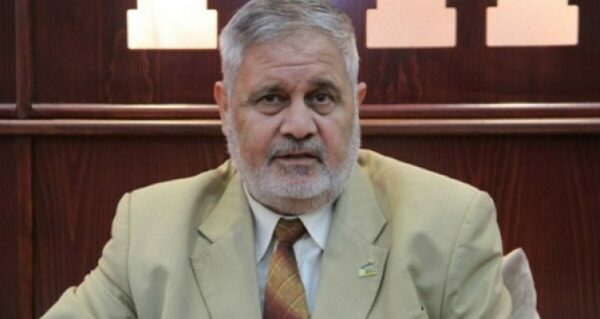
Consultant Dr. Ahmed Youssef
Opinion Writer

OPINIONS
Sun 07 Dec 2025 10:15 am - Jerusalem Time
151 Countries in the United Nations Vote for Palestine: A Victory for Right in the Face of Arrogance and Occupation
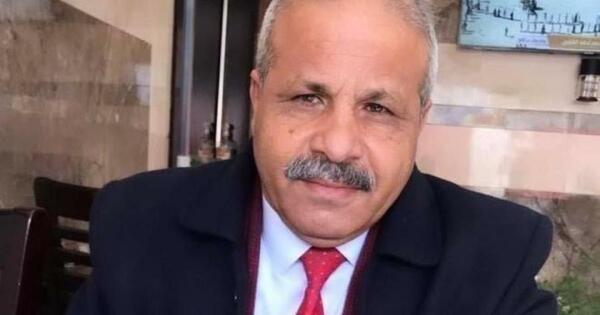
Walid Al-Awad
Opinion Writer

At a time when fears are increasing about the retreat from international legitimacy resolutions, and the attempt to impose Security Council Resolution 2803 as an alternative to them, 151 countries in the United Nations General Assembly dealt a resounding blow to the occupation and all those who seek to bypass the established rights of the Palestinian people, and affirmed that those resolutions will remain present and reinforced until justice prevails, and the Palestinian people obtain their full and inalienable rights.
The General Assembly vote on December 5, 2025, came with an overwhelming majority on a resolution to extend the mandate of UNRWA for an additional three years, starting from June 30, 2026, until June 30, 2029, without prejudice to the provisions of paragraph 11 of Resolution 194 (D-3) issued by the General Assembly. Two other resolutions were also voted on, one of which relates to "the continued provision of assistance to Palestinian refugees" in various places where they are present, affirming the international community's commitment to the rights of refugees, especially their right to return. The UN resolutions issued by an overwhelming majority reflect a growing international will to affirm the rights of the Palestinian people, and constitute a political blow to attempts to liquidate their cause or circumvent international legitimacy resolutions. Perhaps this renewed international momentum constitutes an opportunity that must be built upon by the Palestinians, by intensifying political and diplomatic efforts and unifying the national ranks, in a way that enhances the status of the Palestinian cause in international forums, and preserves historical gains, foremost of which is the continuation of UNRWA's work and the protection of refugee rights. The real bet now is on transforming this broad support into practical steps that fortify the rights of our people and bring closer the date of achieving their freedom and independence. As for the second resolution, related to "the continued provision of assistance to Palestinian refugees," it received the support of 151 countries, compared to the objection of 10 countries, and the abstention of 14 countries from voting. The General Assembly also adopted the third resolution related to "the properties of Palestinian refugees and the revenues resulting from them," and it received the support of 157 countries, compared to the objection of 10 and the abstention of 9 countries.
This broad support reflects once again that the Palestinian cause is still alive in the conscience of free peoples around the world and that attempts to obliterate or undermine international resolutions supporting the rights of the Palestinian people are doomed to failure. It is noteworthy that all the resolutions voted on by the General Assembly relate to the issue of Palestinian refugees and UNRWA, which is still being subjected to a systematic attack aimed at eliminating it and ending its role.
In this context, voting in favor of the "resolution to extend the mandate of UNRWA" related to the operations of the United Nations Relief and Works Agency for Palestine Refugees, which received the support of 145 countries compared to the objection of 10 and the abstention of 18 countries, constitutes an affirmation of the international community's adherence to this UN institution, and a rejection of attempts to liquidate it, and its adherence to the mandate granted to it under Resolution 302 of 1949, until a just solution to the issue of Palestinian refugees is reached in accordance with Resolution 194. The issuance of this resolution, along with other related resolutions, reaffirms the continued UN responsibility towards UNRWA and the rights of Palestinian refugees and holds the United Nations General Assembly responsible for providing political and legal protection to UNRWA as one of the UN institutions, in the face of continuous attempts at deletion and cancellation.
Also, the "renewal of UNRWA's mandate" for an additional three years calls on the international community, and the countries that voted in favor of the resolution, to move from political support to real financial support to bridge the growing deficit in the Agency's budget, which threatens its ability to continue performing its humanitarian and service role.
The countries that expressed their adherence to their principled position, and voted to renew UNRWA's mandate, are called upon today to translate their political positions into urgent financial commitments, which contribute to enabling the Agency to continue providing its basic services to approximately 6.2 million Palestinian refugees in Gaza, the West Bank, Lebanon, Syria and Jordan, especially in light of the catastrophic repercussions of the war of genocide that the Gaza Strip has been subjected to during the past two years.
The UN resolutions that were issued by an overwhelming majority came to reflect a growing international will to affirm the rights of the Palestinian people, and at the same time constitute a political blow to attempts to liquidate their cause or circumvent international legitimacy resolutions. Perhaps this renewed international momentum constitutes a new opportunity that must be built upon by the Palestinians, by intensifying political and diplomatic efforts at various levels and based on a unified position that reads the developments and preserves the achievements in a way that enhances the status of the Palestinian cause in international forums, and preserves the historical gains achieved by our Palestinian people, foremost of which is the survival of the Palestinian cause alive and occupying its place at the top of the world's agenda. The real bet today is on the ability to transform this broad support into practical steps that guarantee access to achieving the rights of our people and enable them to achieve their freedom and independence.
PALESTINE
Sat 06 Dec 2025 6:13 am - Jerusalem Time
Escalation in the West Bank: Raids, Arrests, and Injuries from Bullets and Gas
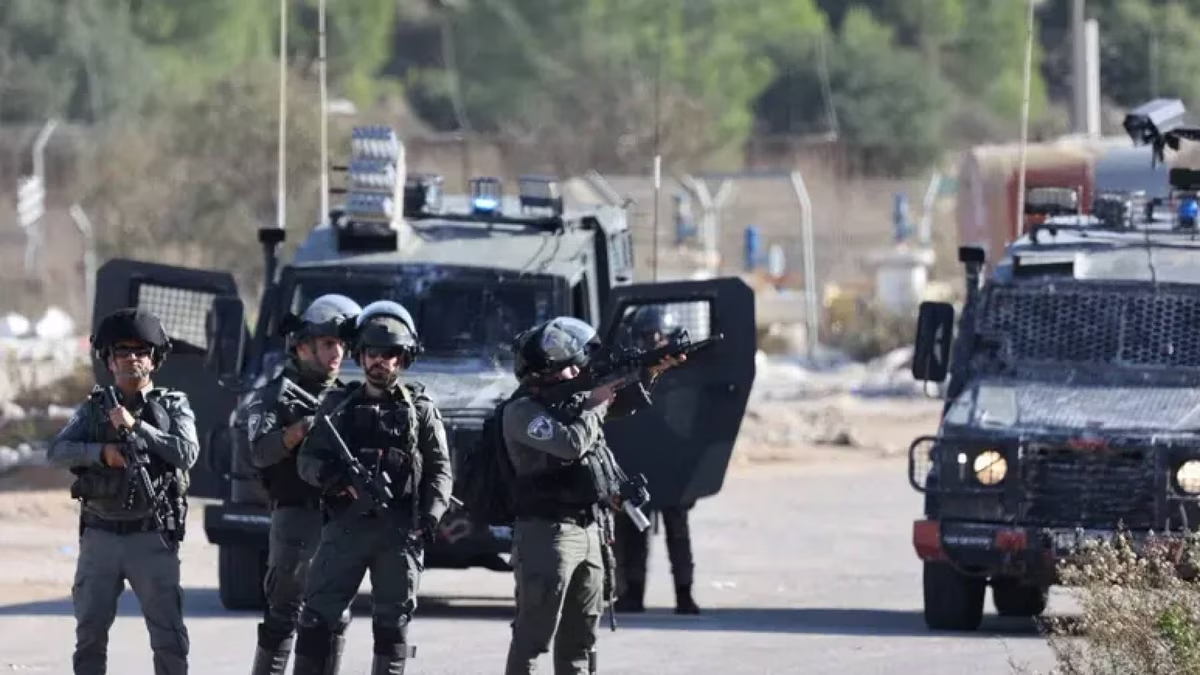
Israeli occupation forces launched a large-scale raid campaign at dawn today, Saturday, targeting several towns and villages throughout the occupied West Bank, during which they used live ammunition and tear gas extensively, leading to injuries and arrests among Palestinians.
In the village of Nabi Saleh, northwest of Ramallah, local sources reported that the occupation forces arrested a man, his wife, and their son, in addition to a number of other residents of the village, in a large-scale search and raid campaign.
In the Jerusalem Governorate, the occupation forces stormed the town of Biddu, northwest of the city, and fired live ammunition and gas bombs intensively before arresting a group of Palestinian youths, according to local sources. The raids also affected the Qalandiya camp and the town of Al-Ram, north of Jerusalem, amid a heavy military deployment.
In the village of Madama, south of Nablus, the Red Crescent ambulance teams dealt with an emergency humanitarian case, where a 20-day-old infant suffered severe suffocation as a result of inhaling tear gas fired by the occupation forces, and was immediately transferred to the hospital for treatment.
The head of the Madama village council confirmed that the occupation soldiers fired gas bombs randomly at residential homes and forced shop owners to close them, which sparked a state of panic and fear among the residents.
In a related context, three injuries arrived at Darwish Nazzal Hospital in Qalqilya, where young men from the town of Qarawat Bani Hassan, west of Salfit, were transferred after being subjected to a brutal assault and severe beating by the occupation soldiers during the raids. The raids also included the suburb of Iktaba, east of Tulkarm.
These military operations come in light of a noticeable escalation in the pace of occupation and settler violence in the occupied West Bank, which is inhabited by about 2.7 million Palestinians, and is witnessing accelerated settlement expansion that undermines the chances of establishing a contiguous Palestinian state, amid international confirmations of the illegality of these settlements.
The occupation soldiers showered the houses with gas bombs and forced shop owners to close them.
PALESTINE
Sat 06 Dec 2025 5:59 am - Jerusalem Time
Proposal to Form an International Body to Administer Gaza Under UN Auspices
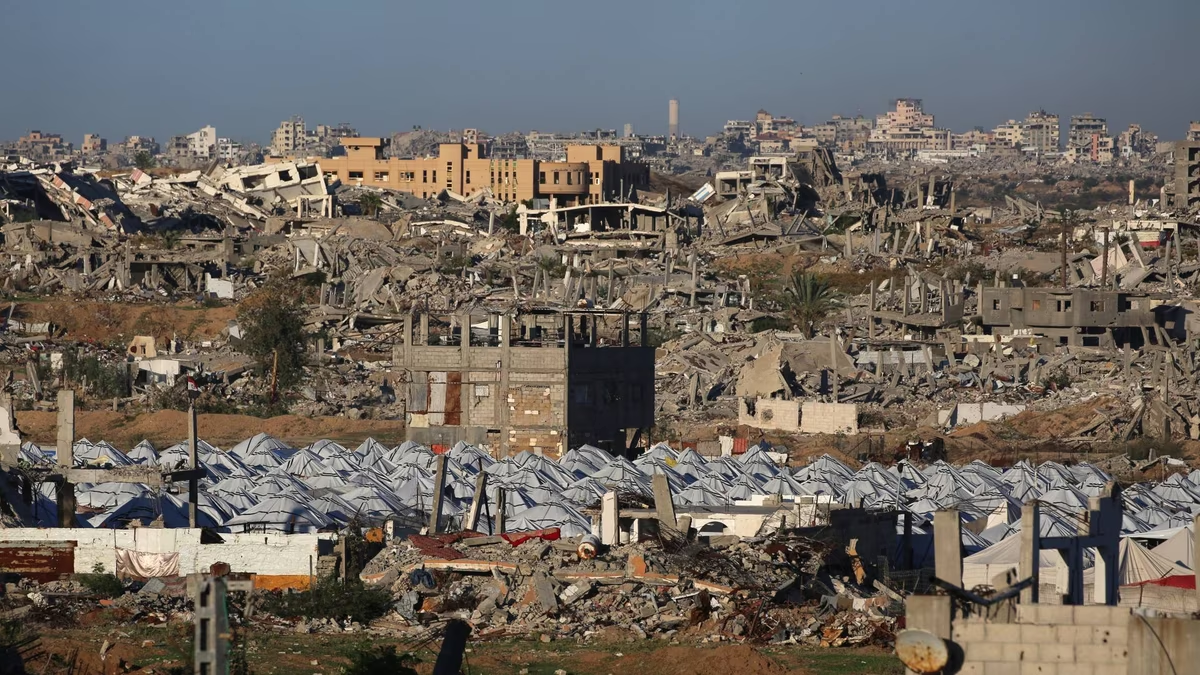
Informed sources revealed expectations of an imminent announcement to form an "international body" to undertake the task of administering the affairs of the Gaza Strip before the end of this year.
According to Arab and Western official sources, this step comes in the context of the next phase of the ceasefire agreement that was reached through American mediation.
Available details indicate that the new body will be named the "Peace Council" and will be entrusted with the task of fully supervising the reconstruction process of the Gaza Strip.
The body will be granted a mandate from the United Nations for a period of two years, with the possibility of renewing this period as needed.
The body is expected to consist of about twelve leaders from countries in the Middle East and Western countries, with the aim of ensuring broad international and regional support for the process of achieving stability in the sector.
The new body will oversee the reconstruction of Gaza with a UN mandate for two years.
ARAB AND WORLD
Sat 06 Dec 2025 5:32 am - Jerusalem Time
Increasing burdens on the occupation army: Extending mandatory military service
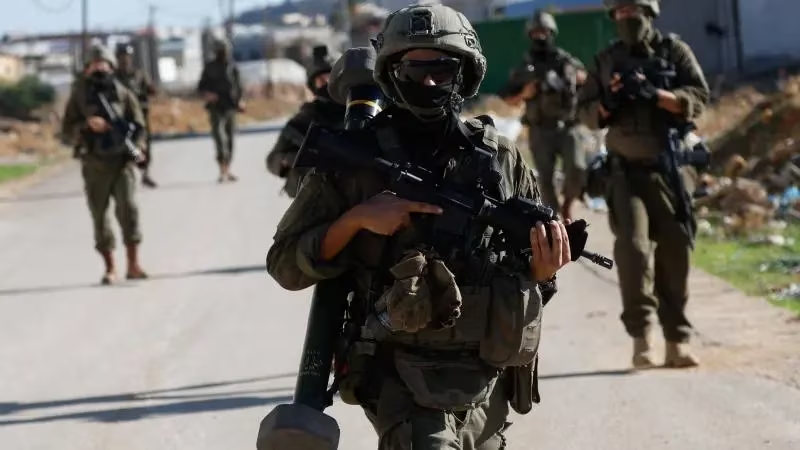
The occupation army has announced the extension of the mandatory military service period, in a step aimed at addressing the severe shortage of active soldiers. This decision comes in light of the escalating security challenges facing the region, and growing concerns about the army's combat capability.
This measure comes as part of a series of measures taken by the occupation army to confront the worsening crisis within its ranks. These measures also include increasing financial incentives for recruits, and expanding the scope of recruitment to include new categories of young people.
The decision to extend mandatory military service has sparked widespread controversy in political and military circles. While some believe that this measure is necessary to maintain the security of the state, others consider it a temporary solution that does not address the root of the problem.
This decision is expected to affect the lives of thousands of young Israelis who will have to spend a longer period in military service. Many young people have expressed their dissatisfaction with this decision, considering it an additional burden on them.
This step highlights the increasing challenges facing the occupation army, and reflects the great pressures it is subjected to in light of the deteriorating security conditions in the region. The question remains: Will this measure be sufficient to enhance the army's combat capability, or is it just a temporary solution to a deeper problem?
The army faces increasing pressure that requires exceptional measures to ensure the maintenance of combat capability.
PALESTINE
Sat 06 Dec 2025 3:28 am - Jerusalem Time
Challenges facing the future of the Israeli occupation due to its policies
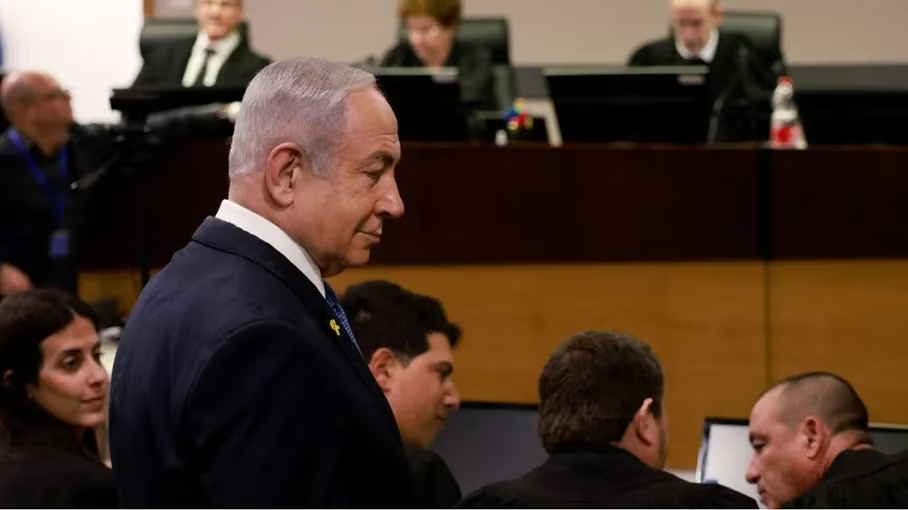
The political, social, and economic behavior of the Israeli occupation in recent years reflects a belief among Israelis in ignoring the consequences of seizing Palestinian lands, which may push it towards a more difficult future.
Former Israeli Ambassador Tova Herzl stated that the Israeli government is acting as if reality can be shaped according to a unilateral will, and that actions have no consequences, which raises questions about the future of Israel.
Herzl explained that the central issue in the ruling right's policy is control over the Palestinian territories in the West Bank, where Israel is acting as if it intends to control the people and the land forever, ignoring the Palestinians' right to self-determination.
Herzl pointed out that Israeli policy violates international law, which prohibits the expansion of territories through occupation and prevents the transfer of populations, and that continuing to violate the law may lead to crippling sanctions.
Herzl affirmed that the Israeli government is not looking at the increasing boycott after the war in Gaza, and has not presented a plan for the next day, and what will happen to the farmers and academics who are being boycotted.
Herzl added that the additional price of the right's policy relates to the negative reverse migration balance, where the number of Jewish emigrants from inside the country exceeds the number of arrivals, and that many of those leaving are young people with in-demand professions.
Herzl mentioned that, apart from the rigid response from supporters of the right that those who leave the country do not deserve to stay in it, they do not offer practical solutions to the problem of brain drain, and that the government has not looked into where the education system is heading.
This review of the prices paid by the occupying state due to its internal and external policies shows that it faces difficult problems, and there is no magic solution to any of them, and that ignoring existential issues and the prevailing illusion will determine the course of the state.
When the Israeli government acts as if reality can be shaped according to a unilateral will, this means that the ruling right is ignoring the consequences of its actions.
PALESTINE
Sat 06 Dec 2025 2:14 am - Jerusalem Time
Arab and Islamic countries express concern about the displacement of Palestinians from Gaza
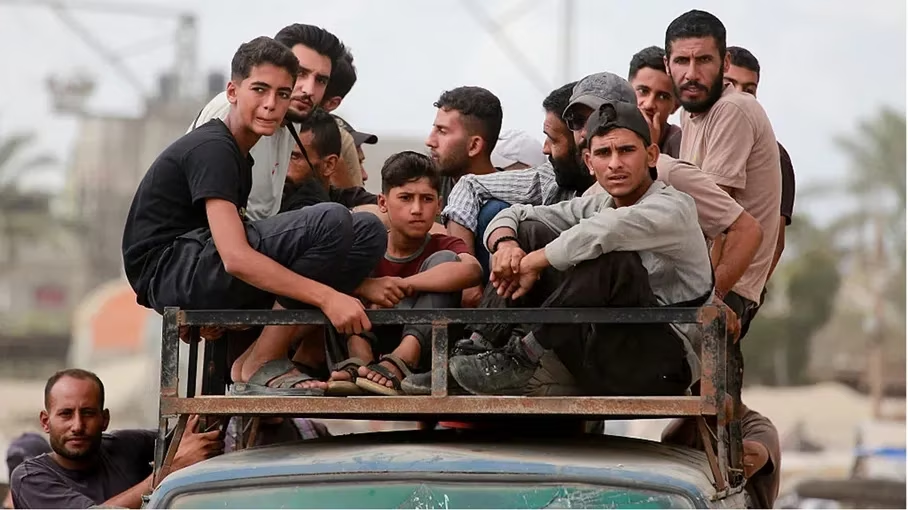
The foreign ministers of Turkey, Egypt, Indonesia, Jordan, Pakistan, Qatar, Saudi Arabia, and the Emirates expressed their deep concern regarding the statements issued by the Israeli side about opening the Rafah crossing in one direction with the aim of expelling residents of the Gaza Strip to Egypt.
The foreign ministers of the eight countries issued a joint statement in which they expressed their categorical rejection of any attempts to displace the Palestinian people from their land.
The statement affirmed full commitment to the American plan, including opening the Rafah crossing in both directions, ensuring freedom of movement for residents, and not forcing any of the residents of the Strip to leave, but rather creating the appropriate conditions for them to remain on their land and participate in building their homeland, within the framework of a comprehensive vision aimed at restoring stability and improving their humanitarian conditions.
The ministers renewed their appreciation for the United States' commitment to establishing peace in the region, and stressed the importance of moving forward in implementing the American plan in all its requirements without delay or disruption, in a way that achieves security and peace and consolidates the foundations of regional stability.
They stressed the need to fully establish a ceasefire, put an end to the suffering of civilians, ensure the entry of humanitarian aid into the Gaza Strip without restrictions or obstacles, begin early recovery and reconstruction efforts, and create the conditions for the return of the Palestinian Authority to assume its responsibilities in Gaza, in a way that establishes a new phase of security and stability in the region.
The ministers also expressed their countries' readiness to continue working and coordinating with the United States and all concerned regional and international parties to ensure the full implementation of Security Council Resolution No. 2803, and all related Council resolutions, and to provide a favorable environment for achieving a just, comprehensive and sustainable peace in accordance with international legitimacy resolutions and the principle of a two-state solution, leading to the establishment of an independent Palestinian state on the borders of June 4, 1967, including the occupied territories in Gaza and the West Bank, with East Jerusalem as its capital.
On October 10, 2025, a ceasefire agreement came into effect in Gaza and an exchange of prisoners between Hamas and the occupation, according to the American plan, but the occupation continues to violate the agreement on a daily basis, which has led to the martyrdom and injury of hundreds of Palestinians.
With American support, the occupation launched a war on Gaza, which left tens of thousands of Palestinian martyrs and wounded, most of them children and women.
In addition to the victims, most of whom are children and women, the war caused massive destruction in Gaza, with a large reconstruction cost.
We categorically reject any attempts to displace the Palestinian people from their land.
PALESTINE
Sat 06 Dec 2025 1:31 am - Jerusalem Time
The Palestinian People and Confronting the Occupation: A Legitimate Vision for Dealing with the Zionist Entity
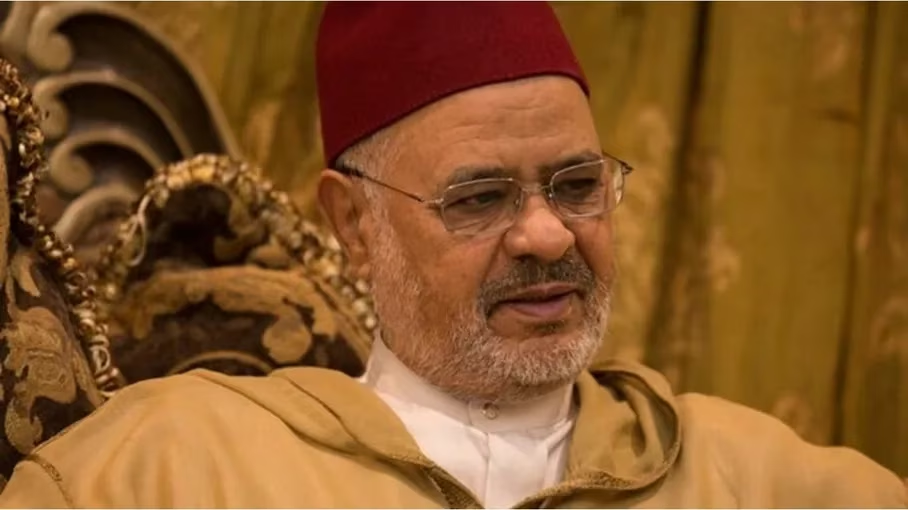
The Palestinian people have suffered for more than a century from occupation, killing, displacement, and seizure of their lands and properties, starting with the British Mandate, passing through the bringing and settling of Jews from all over the world in Palestine, and the formation of Zionist gangs that committed terrorist crimes and genocide in many Palestinian villages and towns, up to the Nakba of 1948 and the massacres that followed with the aim of establishing the "State of Israel."
The entity continues its campaigns of killing, abuse, and displacement with the aim of emptying Palestine of its inhabitants, with full and explicit support from the United States and other colonial Western countries, in addition to the global Zionist movement in its Christian and Jewish wings.
Some Arab and Islamic countries have taken initiatives and attempts to support the Palestinian people and help them face hardships and disasters, but these initiatives have remained weak and hesitant due to the weakness of these countries or their subordination and submission to the colonial countries that embrace the Zionist entity.
The Arab and Islamic peoples sympathize with the Palestinian people and make efforts to express their support and assistance, but they find themselves restricted, oppressed, and suppressed in their movements.
Over the past decades, most Arab countries have engaged in recognizing the state of occupation and aggression, entering into peace agreements, and then into the "Abraham Accords" for normalization and surrender. However, the peoples remain faithful to the requirements of Islamic brotherhood and the principles of right and justice, and look forward to any opportunity to provide support and victory.
In this context, this legitimate statement comes to judge dealing with the state of occupation and aggression and its partners and supporters, and it is based on the principles of Sharia and its Quranic and prophetic texts, including: First, dealing with the enemy on the basis of his enmity. Whoever has proven his enmity, hatred, and deceit towards Islam and Muslims must be dealt with on this basis, and this requires vigilance and caution against enemies and their plots.
The Jews are at the forefront of those who harbor enmity towards Islam and Muslims, but this enmity does not prevent us from being fair to them, being kind to them, and coexisting with them as long as they do not attack us. As for those who have wronged us and attacked us, we must confront them, punish them, and deter them. Whenever enmity turns into aggression, it must be confronted, and whenever they refrain from harming us, we return to righteousness and justice with them, with constant caution.
Second, it is not permissible to help aggressors in any way, and this is a definitive principle in Sharia, and it is explicit in His saying: {And cooperate in righteousness and piety, but do not cooperate in sin and aggression}. It is not permissible for a Muslim to help an oppressor, and whoever helps an oppressor is a partner in the oppression. Ibn al-Jawzi narrated that when Imam Ahmad ibn Hanbal was imprisoned, the jailer came to him and said to him: O Abu Abdullah, is the hadith that was narrated about the oppressors and their helpers authentic? He said: Yes. The jailer said: Am I one of the helpers of the oppressors? Ahmad said: The helpers of the oppressors are those who take your hair, wash your clothes, prepare your food, and sell and buy from you, but you are one of them.
Third, the believers are brothers and one nation, and this meaning is established in the Quran and Sunnah. The Muslim is the brother of the Muslim, he does not wrong him or abandon him, and it is not permissible for Muslims to be neutral towards the injustice and aggression that befalls their brothers, but they must stand with the truth and the oppressed against the oppressors.
Looking at the principles and legitimate evidence, we conclude the following rulings: Every transaction with the occupiers that benefits them in strengthening their position and economic and military capabilities and consolidating their occupation is participation with them in sin and aggression, and it is forbidden for Muslims to do it or facilitate it. Israeli goods that are produced on the usurped Palestinian territories are considered stolen materials, and it is forbidden to buy or trade in them. Companies and financial and civil institutions known for their support of the occupation are subject to the same ruling as the Zionist entity, and products and services that are suspected of supporting the occupation must be avoided, with the exception of cases of necessity.
In conclusion, we recommend coordinating and cooperating with the Boycott, Divestment, and Sanctions (BDS) movement, and benefiting from its experience in boycotting Israeli products, divesting investments, and imposing sanctions on Israel for its violations of international law.
Every transaction with the occupiers that benefits them in strengthening their position is participation with them in sin and aggression, and it is forbidden for Muslims to do it.
PALESTINE
Sat 06 Dec 2025 1:10 am - Jerusalem Time
Escalating Settler Attacks: Palestinian Infant Dies from Gas Inhalation in Nablus
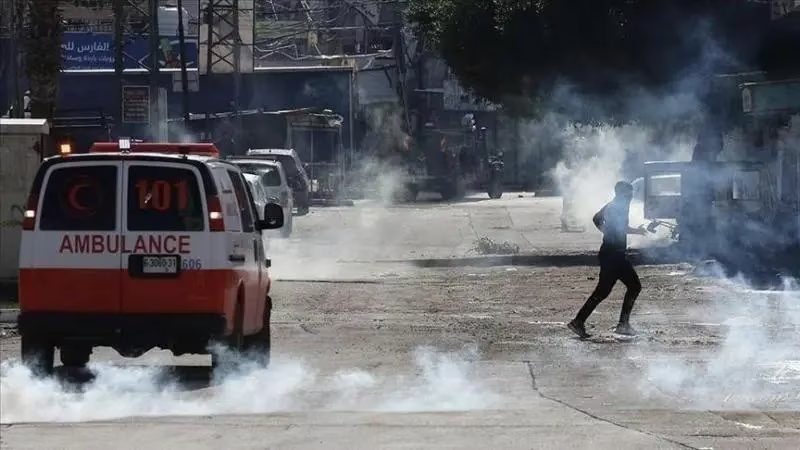
A Palestinian infant died in the city of Nablus in the occupied West Bank as a result of inhaling tear gas fired by Israeli occupation soldiers during clashes that erupted in the area. This tragic incident comes amid a marked increase in the pace and intensity of settler attacks on Palestinians and their property in the West Bank.
Palestinian medical sources reported that the infant, who was only a few months old, arrived at the hospital in critical condition as a result of inhaling a large amount of gas, and despite the doctors' efforts to save him, he died as a result of his injury. This incident has sparked widespread anger and condemnation in Palestinian circles, where it was considered a heinous crime added to the series of crimes committed by the occupation against the Palestinian people.
The West Bank is witnessing a marked increase in settler violence, who are almost daily attacking Palestinian villages and towns, burning homes and vehicles, and vandalizing agricultural property, under the protection of the occupation forces. Palestinian and international human rights organizations have documented hundreds of cases of these attacks in recent months, noting that these attacks aim to terrorize Palestinians and displace them from their lands.
The Palestinian Authority held the Israeli government fully responsible for this crime and called on the international community to intervene urgently to stop settler attacks and provide protection for the Palestinian people. It also called for holding those responsible for these crimes accountable and bringing them to justice.
For their part, the Palestinian resistance factions condemned this crime, considering it new evidence of the brutality of the occupation and its continuous terrorism against the Palestinian people. They affirmed that these crimes will only increase the Palestinian people's determination to continue the struggle and resistance until their national goals are achieved.
These developments come amid escalating tension in the West Bank, where the occupation forces are carrying out almost daily arrest and raid campaigns, and imposing strict restrictions on the movement of Palestinians, which increases the state of anger and resentment in the Palestinian street.
The increasing settler attacks pose a serious threat to the lives of Palestinians and require urgent international intervention.
PALESTINE
Sat 06 Dec 2025 12:27 am - Jerusalem Time
Palestinian Prisoner's Society: The occupation bears responsibility for the safety of Barghouti after intimidating his family
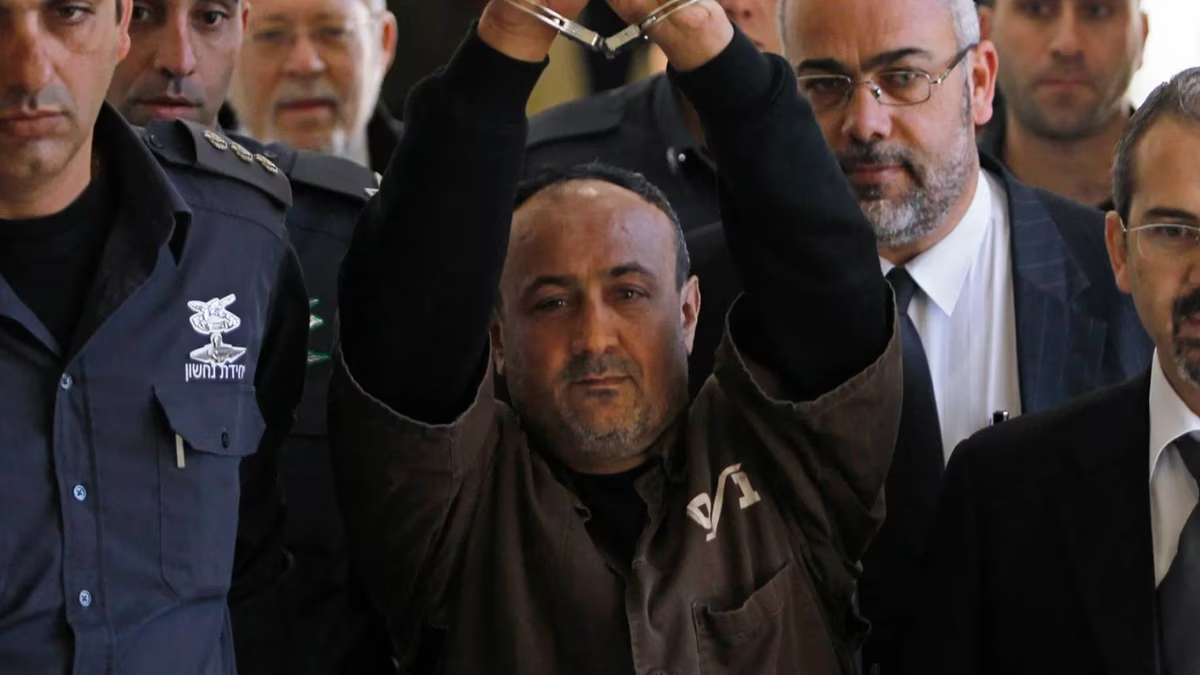
The Palestinian Prisoner's Society expressed its growing concern about the fate of prisoner Marwan Barghouti, following a new intimidation incident targeting his family.
The Society described what happened as a "direct extension of the organized terrorism policy" practiced by the occupation against the families of prisoners, with the aim of breaking their will and affecting them psychologically.
The Society explained that the phone call received by the Barghouti family from a person claiming to be a released prisoner, during which he published horrific information about Barghouti's situation in prison, falls within a systematic policy aimed at terrorizing prisoners and their families, considering this an "organized crime."
The Society also affirmed that the threats to which Barghouti is exposed and the attacks that targeted him and other leaders in the prisoner movement represent a new episode in the "policy of slow killing and deliberate liquidation" that targets the leaders and thousands of Palestinian detainees.
The Society pointed out that the prisoners are subjected to slow execution crimes through torture, starvation, isolation, attacks, and denial of treatment.
The Prisoner's Society held the occupation authorities fully and directly responsible for the safety of Marwan Barghouti and the lives of all prisoners, stressing that what is happening to them falls within the framework of a "fully integrated genocide war" that is escalating inside prisons.
The Society added that the prison administration continues to isolate a number of leaders of the prisoner movement in harsh conditions, and continues its campaigns of repression and abuse against them.
The Society pointed out that the extremist minister Itamar Ben Gvir had directed a direct and public threat to Barghouti via a video clip, considering this an inciting behavior aimed at physically liquidating the prisoners and justifying their killing through what is called the prisoner execution law.
In its concluding statement, the Prisoner's Society stressed that the continuation of these crimes without accountability represents a "stigma on the forehead of the international community," calling for immediate and real international intervention to protect the lives of the prisoners and hold the occupation leaders accountable for their crimes.
The direct threats to which Barghouti is exposed are a new episode in the policy of slow killing and deliberate liquidation practiced against the leaders and thousands of detainees.
ANALYSIS
Fri 05 Dec 2025 11:35 pm - Jerusalem Time
Transformations in US Security Strategy: A Different Look at Washington's Motives
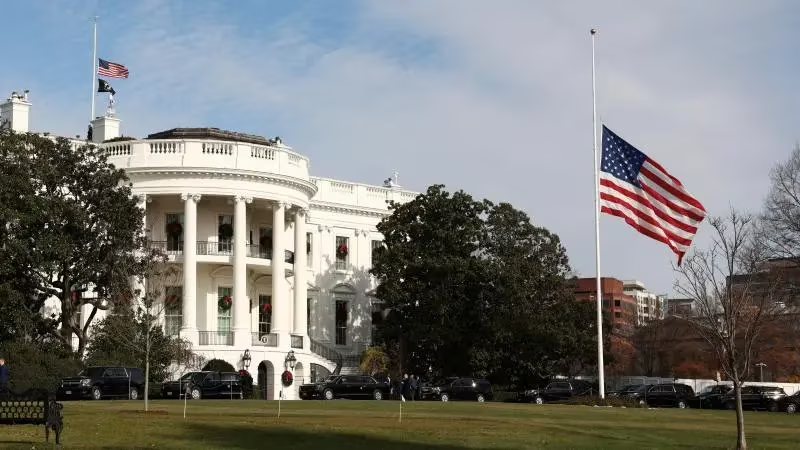
The national security strategy of the United States is undergoing remarkable transformations, raising questions about the motives behind these changes. This analysis aims to explore the reasons that drive Washington to reformulate its vision of national security.
Among the main factors affecting the American security strategy are the changes in the global balance of power. The rise of new powers such as China and Russia forces the United States to re-evaluate its alliances and interests.
Also, internal challenges, such as political and economic divisions, play a role in determining national security priorities. Washington seeks to strike a balance between protecting foreign interests and addressing domestic issues.
In addition, rapid technological developments contribute to changing the nature of security threats. Cyber warfare and cyber terrorism pose new challenges that require innovative strategies.
In this context, the United States seeks to develop strong international partnerships to face common security challenges. Cooperation with allies is a fundamental element of the new American security strategy.
The shift in US security strategy reflects a re-evaluation of global risks and challenges.
PALESTINE
Fri 05 Dec 2025 11:34 pm - Jerusalem Time
United Nations General Assembly Adopts 5 Resolutions in Favor of Palestine and Extends UNRWA Mandate
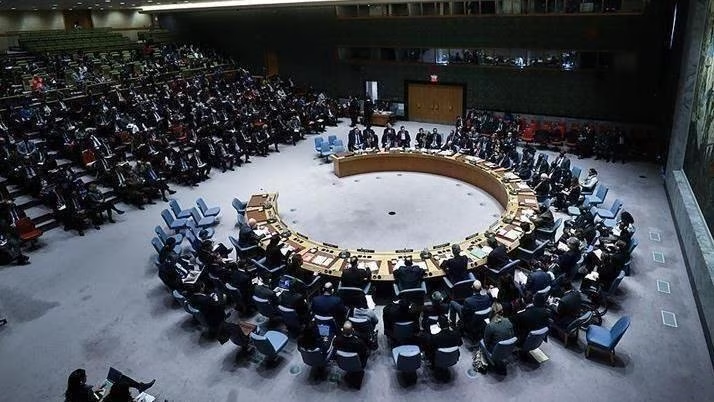
The United Nations General Assembly issued five resolutions supporting the rights of the Palestinian people, including a resolution to extend the mandate of the United Nations Relief and Works Agency for Palestine Refugees (UNRWA) for another three years.
The official Palestinian news agency "Wafa" reported that the first resolution, concerning assistance to Palestinian refugees, was supported by 151 countries, while 10 countries opposed it, and 14 countries abstained from voting.
As for the second resolution, which concerns UNRWA operations and includes extending its mandate for three years, it received the approval of 145 countries, compared to the objection of 10 countries, and the abstention of 18 countries from voting.
In a related context, the Israeli Knesset had approved in October 2024 laws preventing UNRWA from carrying out any activity inside Israel and the occupied Palestinian territories, withdrawing privileges and facilities from it, and preventing any official contact with it. This decision came into effect at the end of last January.
It is worth noting that UNRWA was established by a resolution of the United Nations General Assembly in 1949, and was tasked with providing assistance and protection to Palestinian refugees in its five areas of operation: Jordan, Syria, Lebanon, the West Bank and the Gaza Strip, where it provides relief, health and education services to nearly 6 million Palestinian refugees.
In another context, 157 countries supported the third resolution related to the properties of Palestinian refugees and the income derived from them, while 10 countries opposed it, and 9 countries abstained from voting, according to "Wafa".
As for the fourth resolution regarding the work of the Special Committee to Investigate Israeli Practices Affecting the Human Rights of the Palestinian People, it received the support of 88 countries, the objection of 19 countries, and the abstention of 64 countries from voting.
The fifth resolution related to Israeli settlements in the occupied territory, including East Jerusalem and the occupied Syrian Golan, was also supported by 146 countries, opposed by 13 countries, and 17 countries abstained from voting.
Although the resolutions of the General Assembly are not legally binding, they reflect the trends of the international community regarding the Palestinian issue.
The adoption of these resolutions comes two years after the Israeli war on Gaza, which began on October 8, 2023 and ended with a ceasefire on October 10, which left more than 70,000 Palestinian martyrs, and more than 171,000 wounded, most of them children and women, in addition to massive destruction that the United Nations estimated the cost of reconstruction at about 70 billion dollars.
In conjunction with that, the West Bank witnessed an Israeli escalation, where attacks by the army and settlers resulted in the martyrdom of at least 1,088 Palestinians, and the injury of about 11,000, in addition to the arrest of more than 21,000 people, since the start of the war on Gaza.
The resolutions of the United Nations General Assembly reflect international trends towards the Palestinian issue, despite being non-legally binding.
ARAB AND WORLD
Fri 05 Dec 2025 9:49 pm - Jerusalem Time
US Envoy: Israeli Military Solution Against Hezbollah Is Not Feasible
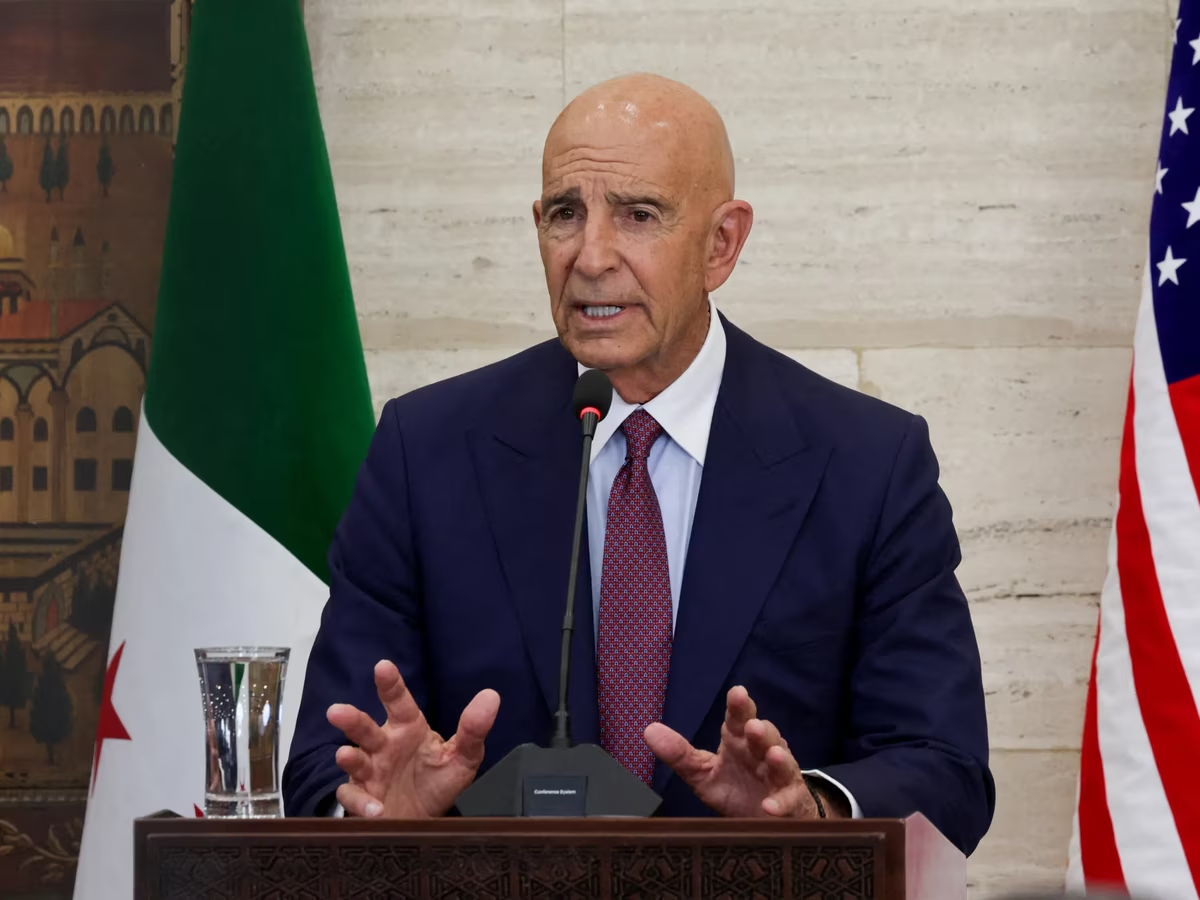
The U.S. Special Envoy to Syria, Tom Brrak, stated on Friday that Israel will not be able to achieve its desired goals by attempting to eliminate Hezbollah militarily.
In statements to Bloomberg, Brrak explained that eliminating one individual whom he described as a terrorist would lead to the emergence of ten others, stressing that this is not the appropriate solution, and pointed to the need to open a dialogue between Lebanon and Israel to end the current state of tension.
For his part, the commander of the U.S. Central Command, Brad Cooper, stated that disarming Hezbollah and maintaining peace in the region is in the interest of the United States and its regional partners.
The Lebanese President, Joseph Aoun, stated on Thursday that the first session of talks between his country and Israel, which was chaired by civilians, was positive, and stressed the importance of building on it to avoid a repeat of the war witnessed last year.
The Lebanese President's position coincided with Israel launching raids on towns in southern Lebanon after issuing evacuation warnings to residents, claiming to target Hezbollah facilities, and the Israeli strikes continued despite the ceasefire agreement in effect since last year.
Amid fears of a major Israeli escalation, civilian delegates from Lebanon and Israel participated on Wednesday in a meeting of the committee tasked with monitoring the ceasefire at the headquarters of the United Nations Interim Force in Lebanon (UNIFIL) in southern Lebanon, in the first direct talks between the two sides in decades.
It is worth mentioning that Israel has committed thousands of violations of the ceasefire agreement with Hezbollah, which has led to the death and injury of hundreds of Lebanese, in addition to significant material losses.
The agreement was supposed to end an aggression launched by Israel against Lebanon in October 2023, which turned into a full-scale war in September 2024, resulting in the death of more than 4,000 people and the injury of more than 17,000 others.
Israel defies the agreement by continuing its occupation of five Lebanese hills in the south, which it seized during the last war, in addition to other Lebanese areas it has occupied for decades.
Killing one terrorist will produce ten others, so this cannot be the solution.
PALESTINE
Fri 05 Dec 2025 8:23 pm - Jerusalem Time
Turkish student faces repercussions for supporting Palestine in the United States

The case of a Turkish student who was penalized in the United States for her public support of the Palestinian cause has resurfaced, sparking a wide debate about freedom of expression and political activism in American universities.
This issue comes amid growing global interest in the Palestinian cause and increasing voices critical of Israeli policies in the occupied territories. American universities have become an arena for heated discussions on this topic, where students organize events and demonstrations to support Palestinian rights.
The sanctions imposed on the Turkish student have caused angry reactions from human rights organizations and student activists, who considered these sanctions a violation of freedom of expression and an undermining of students' right to express their political opinions.
On the other hand, some believe that supporting the Palestinian cause may sometimes include anti-Semitic rhetoric or incitement to violence, which necessitates taking measures to protect Jewish students and ensure a safe environment for everyone in universities.
The case of the Turkish student remains a vivid example of the challenges facing students and activists who support the Palestinian cause in the United States, and highlights the need for an open and constructive dialogue on this sensitive issue.
The case of the Turkish student raises a wide controversy about freedom of expression and support for the Palestinian cause in American universities.
ARAB AND WORLD
Fri 05 Dec 2025 8:13 pm - Jerusalem Time
Lebanese Foreign Minister: The decision to confine weapons to the state serves Lebanon's interest
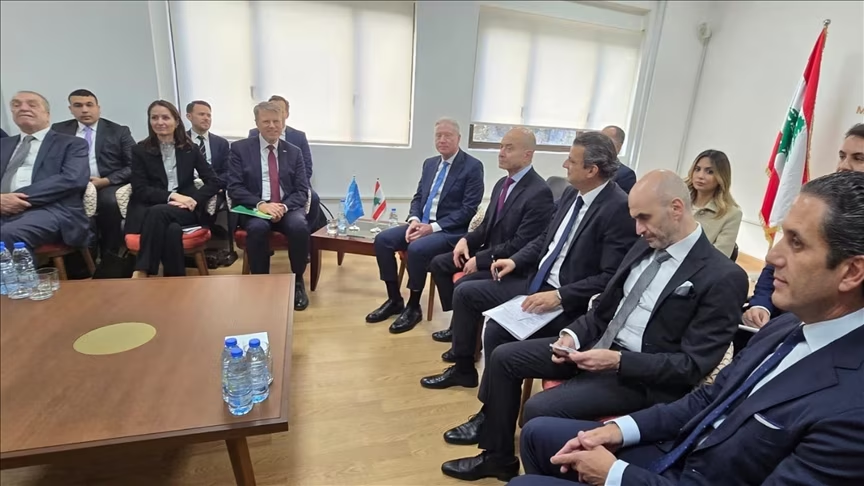
Lebanese Foreign Minister Youssef Raji affirmed on Friday that the government's decision to confine weapons to the state comes in the context of achieving the supreme Lebanese interest in building a strong and capable state, and not in response to pressure or desires from any external party.
Minister Raji's statements came during his reception of a delegation of ambassadors from the fifteen member states of the UN Security Council at the Ministry of Foreign Affairs headquarters in Beirut, according to a statement issued by the ministry.
The UN delegation's visit to Lebanon comes to discuss the stage that will follow the end of the mandate of the United Nations Interim Force in Lebanon (UNIFIL), following the UN Security Council's decision issued last August to end the force's mandate on December 31, 2026, to be followed by a withdrawal and gradual reduction plan for the forces over a full year.
Minister Raji's statements come amid increasing discussions about the arrangements related to the post-UNIFIL mission phase in southern Lebanon, where the Lebanese Prime Minister stated earlier today that his country needs a supporting international force after the end of UNIFIL's mandate, in order to prevent any security vacuum in the region after the force's departure.
The Lebanese Foreign Minister also expressed his appreciation for the continued support provided by the United Nations to his country, and for the important role played by UNIFIL forces over the past years.
The Minister pointed out that "the search is currently underway to find a suitable formula for the stage that will follow the end of UNIFIL's mission in Lebanon".
Raji stressed the need for Israel to stop its repeated attacks on Lebanon, and to "withdraw immediately and unconditionally from all the territories it occupies".
He affirmed that his country's government is "proceeding with its decision to extend its full authority over all its territories, and that it is the only one responsible for defending Lebanon and protecting its sovereignty".
In response to questions from members of the delegation regarding "Hezbollah"'s weapons, Raji explained that the government's decision to confine weapons to the state is not aimed at satisfying any external party, but rather is a "purely Lebanese interest aimed at building the state and enabling it to extend its control over all its territories and enforce the law".
According to the Foreign Ministry statement, Raji emphasized the "importance of giving a real opportunity to diplomatic solutions, especially after military options have proven their inability to defend Lebanon and deter repeated Israeli attacks".
It is worth mentioning that, under US and Israeli pressure, the Lebanese government approved last August a plan aimed at disarming "Hezbollah", which was met with rejection by the party, which described this plan as a "major sin", reiterating its demand for Israel's complete withdrawal from the occupied Lebanese territories.
In a related context, the official Hebrew Broadcasting Corporation recently announced that Israel is "preparing for a possible military escalation" to confront what it describes as "the deterioration of the security situation in Lebanon" against the backdrop of what it considers "the increasing military capabilities of Hezbollah".
It should be noted that the ceasefire agreement was supposed to end an aggression launched by Israel against Lebanon in October 2023, which turned into a full-scale war in September 2024, resulting in the death of more than 4,000 people and the injury of more than 17,000.
Since the agreement came into effect, Israel has committed thousands of violations, leading to the death and injury of hundreds of Lebanese, in addition to significant damage to property and infrastructure.
The government's decision to confine weapons to it is not aimed at satisfying any external party, but rather is a Lebanese interest to build the state and enable it to extend its control over all its territories.
ARAB AND WORLD
Fri 05 Dec 2025 7:15 pm - Jerusalem Time
Shift in U.S. Foreign Policy: Increased Focus on Latin America

U.S. foreign policy is undergoing a noticeable shift in its orientations, with an increasing focus on the Latin American region. This shift reflects a growing awareness of the importance of this region, whether from an economic, political, or security perspective.
This step comes in light of the increasing challenges facing the United States in other regions of the world, such as the Middle East and Eastern Europe. Washington seeks to strengthen its influence in its backyard and confront the growing influence of other powers such as China and Russia.
This shift is expected to include increased U.S. investments in the region, enhanced security cooperation, and support for democracy and human rights. It may also witness improved diplomatic relations with some countries that have experienced strained relations in recent years.
However, some analysts believe that this shift may face significant challenges, especially in light of the unstable political and economic conditions in some countries in the region. There are also concerns that the increased focus on Latin America may lead to the neglect of other regions of the world.
Ultimately, it remains to be seen how this new policy will develop and whether it will succeed in achieving the goals set by the United States. But it is clear that Latin America will play a more important role in U.S. foreign policy in the coming years.
The shift in U.S. foreign policy reflects a growing awareness of the importance of Latin America.
PALESTINE
Fri 05 Dec 2025 7:07 pm - Jerusalem Time
Gaza Interior Ministry calls on those involved with the occupation to surrender themselves
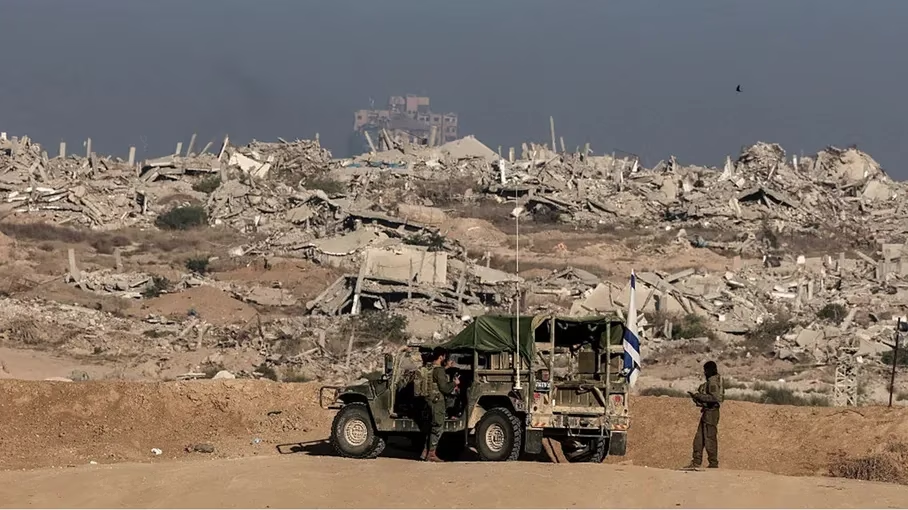
The Ministry of Interior in the Gaza Strip called on Friday on individuals involved in criminal groups linked to the Israeli occupation to take the initiative to surrender themselves to the security services as soon as possible, in order to settle their cases and facilitate the legal procedures related to their trials.
A statement issued by the ministry in response to the killing of Yasser Abu Shabab, who was considered the leader of the militias cooperating with the occupation in the Gaza Strip, who was killed on Thursday, stated that this end "is an inevitable fate that awaits everyone who finds himself involved in relations with the occupation".
The ministry affirmed in its statement: "We call on all those involved in these criminal groups that support the occupation to immediately surrender themselves to the security services, so that their cases can be dealt with in accordance with the law, and this procedure will contribute to alleviating the judicial measures taken against them".
The ministry also praised the positions taken by the families, tribes, and clans that declared their innocence of Yasser Abu Shabab, considering that the occupation formed these groups with the aim of implementing "its criminal plans that target our Palestinian people".
On Thursday, the "Tarabin" tribe in the Gaza Strip confirmed the news of Abu Shabab's death, considering that "his blood has turned a page of shame".
The tribe, to which Abu Shabab belongs, explained in a statement that his death represents "the end of a dark chapter that does not reflect the tribe's history or values", noting that he "betrayed the trust and was involved in cooperation with the occupation".
The Interior Ministry affirmed that "the occupation has not succeeded in undermining the unity of our people or the cohesion of its national fabric, or in creating any division in its social structure". It added that "the terrorist gangs created by the occupation with the aim of creating chaos internally remained completely isolated, without any popular or community support, until they ended up disappearing".
In July, the Palestinian factions in Gaza announced, in a statement issued by their joint chamber, that Abu Shabab "was recruited by the enemy army, and that its political leadership admitted to arming and activating him to serve its interests and protect its soldiers". The factions stressed that this group is "renegade and traitorous", and that it is "a tool in the hands of the usurping occupier, exploiting the presence of the occupation forces and relying on its weapons and under its protection".
The killing of Abu Shabab represents an inevitable fate for anyone who gets involved in associating with the occupation.
ARAB AND WORLD
Fri 05 Dec 2025 6:50 pm - Jerusalem Time
Upcoming Russian-American Talks on Ukraine Amid Escalating Mutual Attacks

A Russian official reported that a potential summit bringing together Russian President Vladimir Putin and his American counterpart Donald Trump may be held soon, coinciding with the conclusion of talks between Ukrainian and American officials in Florida aimed at ending the ongoing conflict in Ukraine, amid escalating field tensions and mutual shelling between Russia and Ukraine.
Yuri Ushakov, aide to the Russian President, confirmed that Moscow and Washington are making progress in negotiations related to the Ukrainian settlement with the participation of President Putin.
Ushakov pointed out that European countries are not providing the necessary assistance to reach a settlement on Ukraine, explaining that they continue to put forward unacceptable demands from Moscow.
The Kremlin had mentioned that Russia is awaiting a response from the United States regarding the talks that took place between Putin and representatives of Washington last week, without specifying a date for another meeting between Russia and the American envoy Steve Witkoff.
In a related context, the talks that took place in Miami, Florida, between Ukrainian and American envoys with the aim of ending the war in Ukraine concluded early Friday.
Ukraine was represented in these talks by the Secretary of the National Security Council, Rustem Umerov, and the Chief of the Joint Staff, Andriy Hnatov.
Ukrainian President Volodymyr Zelensky explained in his speech yesterday evening, Thursday, that the Ukrainian delegation seeks to clarify what was discussed in Moscow last Tuesday between Russian President Vladimir Putin and US envoys Steve Witkoff and Jared Kushner.
On another level, the "Wall Street Journal" newspaper reported that European leaders had issued a stern warning to the Ukrainian President in recent days, during a phone call that took place last Monday between Zelensky and European leaders, including French President Emmanuel Macron, German Chancellor Friedrich Merz, and President of the European Commission Ursula von der Leyen.
The European leaders asked the Ukrainian President not to give in to Russia's demands without obtaining American security commitments, and the newspaper quoted European officials as saying that officials in the American War Department had prepared plans regarding possible security pledges from Washington, but no political decision had been taken regarding commitment to them.
Meanwhile, Macron stated today, Friday, that consensus between Europe and the United States is necessary to support Ukraine, adding that "there is no lack of confidence", and denied a report indicating that he had warned of the possibility of Washington abandoning Ukraine.
Macron added to reporters during a visit to China that "unity between Americans and Europeans on the Ukrainian issue is necessary, and we must work together to achieve this."
He also pointed out that they welcome and support the peace efforts made by the United States, stressing that the United States needs the Europeans to lead these efforts aimed at achieving peace.
Macron called for increased pressure on Russia.
In field developments, Russian media reported that the "Grozny City" complex in the Chechen capital was attacked using Ukrainian drones, and images showed a fire breaking out on several floors of one of the complex's towers.
In the same context, the Russian Federal Air Transport Agency briefly suspended air traffic at Grozny Airport, before the airport returned to normal operation.
Also in Russia, the Emergency Center in the port of Temryuk announced today, Friday, that a Ukrainian drone attack caused a fire in the port overlooking the Sea of Azov.
The Russian Ministry of Defense reported that air defense systems intercepted and destroyed 41 Ukrainian drones overnight, including one over the Krasnodar region where the port is located.
The Ukrainian army announced today, Friday, that it had carried out long-range strikes overnight in Russia targeting an oil refinery in the city of Syzran and the port of Temryuk in the Krasnodar region.
In return, Ukrainian authorities stated that a child was killed and others were injured in a Russian attack targeting residential areas in the Dnipro province, after a drone attack destroyed a house and damaged other buildings in the province.
Ukrainian authorities indicated that Russian forces launched hundreds of attacks during the past twenty-four hours in the Zaporozhye province, including air raids and artillery shelling.
The Ukrainian army announced that it had shot down 80 Russian drones in various locations in the country.
For its part, the civil administration in the Kherson province reported that Russian shelling targeted infrastructure and residential areas, resulting in the injury of 17 people and damage to a number of buildings and service facilities.
Yuri Ushakov: Moscow and Washington are making progress in negotiations on the Ukrainian settlement with the participation of President Putin.
PALESTINE
Fri 05 Dec 2025 6:48 pm - Jerusalem Time
Forced Displacement: Bedouin Communities in the West Bank are Empty of Residents Due to Settler Violence
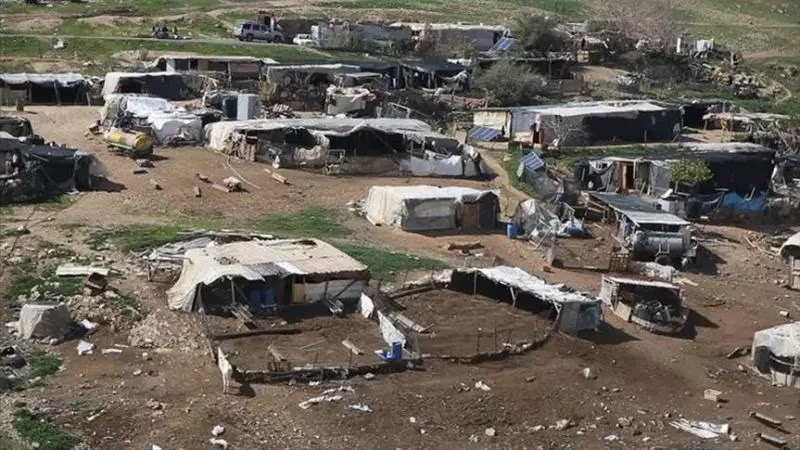
Bedouin communities in the occupied West Bank are suffering from a marked increase in the rate of violence practiced by Israeli settlers, which has led to the forced displacement of residents and the emptying of these communities of their people. These attacks come in the context of a systematic policy aimed at tightening the noose on Palestinians and displacing them from their lands.
Residents of Bedouin communities complain that settler attacks have become almost daily, and include terrorizing residents, vandalizing property, stealing livestock, burning homes, and physically assaulting children and women. Residents say they live in a state of constant fear and do not feel safe for themselves or their property.
Eyewitnesses confirm that the Israeli occupation forces often do not intervene to stop settler attacks, but rather sometimes provide them with protection and help them implement their plans. Residents accuse the occupation forces of colluding with settlers in displacing Palestinians from their lands.
The escalation of settler violence has led to the displacement of many Bedouin families from their communities, in search of a safer place. Some families have been forced to leave everything they own and live in the open, while other families have resorted to their relatives in other areas of the West Bank.
Observers warn that the continuation of settler violence and the collusion of the occupation forces will lead to the emptying of more Bedouin communities of their residents, which threatens the existence of Palestinians in the West Bank and undermines the chances of establishing an independent Palestinian state.
The situation has become unbearable; we can no longer protect our children and property from the continuous attacks of the settlers.
ARAB AND WORLD
Fri 05 Dec 2025 6:04 pm - Jerusalem Time
Trump prepares to announce the start of the second phase in Gaza in an American plan to impose a new reality

Washington – "Al-Quds" Dot Com - Saeed Erekat
The administration of US President Donald Trump is preparing to announce the transition to the "second phase" of its plan for Gaza in the coming days, in an attempt to show political progress after months of stalemate. However, this American rush does not reflect political realism as much as it reveals Washington's desire to impose a unilateral vision on a sector exhausted by war and siege, while the administration ignores that the two most influential parties on the ground—the Israeli occupation and the Palestinian factions—are still far from accepting any of the elements of this plan.
The administration is promoting a new roadmap that it claims aims to "stabilize Gaza" by creating alternative governance and security mechanisms to Hamas, but it is essentially an attempt to impose a model that serves Israeli security interests first, and provides Washington with a long-term political and security foothold in the sector. The proposed technocratic government is not the product of an internal Palestinian process, but rather an administrative body designed externally, operating under international supervision, and excludes active political forces, making the project closer to a "political engineering" process managed from abroad.
The plan reveals the extent of the disconnect between the American vision and the reality on the ground regarding the disarmament of the Hamas movement. The United States knows that disarming Hamas without a comprehensive political settlement is not on the table, yet it insists on making it a prerequisite for the new government. In contrast, Israel raises the ceiling of its demands to the maximum, demanding complete and immediate disarmament before any withdrawal from the sector, in a position that reflects its desire to keep Gaza under field control for as long as possible. Thus, Washington finds itself practically adopting Israeli conditions, and then trying to wrap them in an international cover.
Washington plans to deploy an "international stabilization force" in early 2026, in a move that reflects a false belief that imposing an external force on the sector may produce lasting stability. But the proposed force—pre-designed to please Israel and reject Turkish participation in it—will enter a complex environment, and face widespread Palestinian rejection as an extension of foreign hegemony and not a solution to the conflict. Even countries that have expressed willingness to participate, such as Indonesia and Azerbaijan, realize that deployment without a comprehensive Palestinian consensus will make them a party to an explosive equation and not a neutral force.
Within the framework of managing the sector, Washington proposes a Palestinian technocratic committee of 12 to 15 members, operating under the supervision of an "international administrative council" headed by Tony Blair, which in turn follows a "peace council" that will be led by Trump himself. This arrangement reflects a clear American desire to move the center of decision-making outside Gaza, and to entrench a superior international authority that excludes the local community from managing its affairs. Despite Washington's promotion of this as a "transitional phase," previous international experiences—from Kosovo to East Timor—reveal that such administrations often turn into bureaucratic structures separate from society, and prolong the crisis instead of resolving it.
The United States is trying to push the reconstruction file in the areas currently controlled by Israel as part of a strategy of "creating a new reality," but this step faces widespread Arab and international rejection for fear of entrenching the division of the sector into two regions: one being rebuilt under international security guardianship, and the other left hostage to the conflict. As for Israel, it originally refuses any reconstruction before complete disarmament, threatening to resume the war if Hamas does not meet the Israeli conditions—a political blackmail that undermines the basics of any real reconstruction process.
Instead of pushing a comprehensive Palestinian political track, the United States seeks to reshape the future of Gaza through external tools that are not based on local legitimacy. The American approach ignores the roots of the crisis—the occupation and the siege—and replaces them with an international guardianship model that may prolong the crisis instead of addressing it.
Israel's insistence on complete disarmament before any political step turns the plan into a mechanism to serve the occupation's goals, and allows Tel Aviv to retain the right of veto over the components of the international force and the details of the transition. In this sense, the American plan turns into a political cover for Israel's demands, and not an independent project to rebuild Gaza.
Also, the absence of effective participation of Palestinian forces—including factions and civil institutions—makes the plan imposed from above, without a popular base. Any technocratic government imposed without a Palestinian-Palestinian consensus will fail quickly, and may lead to a new confrontation, making the "second phase" a project fraught with failure mechanisms before it begins
PALESTINE
Fri 05 Dec 2025 4:45 pm - Jerusalem Time
Sharp Increase in Suicides Among Israeli Occupation Soldiers After Gaza War
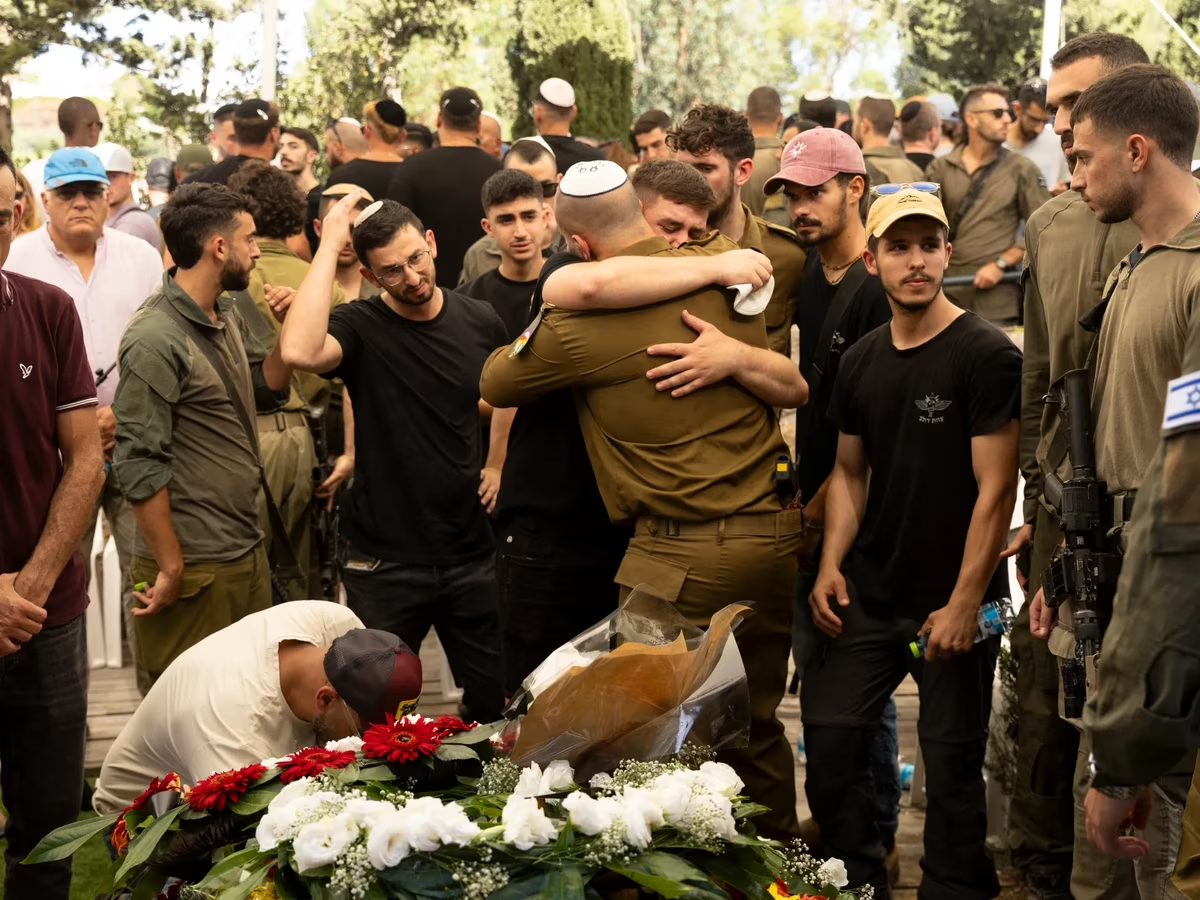
Official data issued by the Israeli occupation army revealed a significant increase in suicide rates among its soldiers since the start of the genocidal war on Gaza on October 7, 2023, as a result of the increasing psychological pressures they suffer due to the fighting.
According to the data, seven soldiers on active duty committed suicide between October 7 and the end of 2023, while 21 cases of suicide among soldiers were recorded during 2024. Since the beginning of 2025 until now, at least 20 soldiers have been recorded as committing suicide.
Before the war, the average number of suicides among Israeli soldiers was only about 12 cases, which shows that the rates have almost doubled during the past two years. The occupation army attributes this increase to the large expansion in the deployment of forces, including reserve forces, in addition to the exposure of many soldiers to violent combat confrontations inside Gaza.
Military sources indicate that internal analysis shows a decrease in suicides related to purely personal circumstances, compared to an increase in cases likely resulting from stressful combat experiences or field traumas. The Haaretz newspaper reported the suicide of a reserve officer from the "Givati" brigade after a psychological struggle that afflicted him following his participation in the genocidal war on the Gaza Strip.
The newspaper stated that soldier Thomas Edzgusks (28 years old) was discharged from service in 2024 due to his psychological injury, and was undergoing procedures to be recognized as suffering from post-combat trauma. His body was found in a park in the city of Ashdod, after he left a message saying: "I am no longer able, I have committed unforgivable things, there is a demon haunting me since October 7. Please forget me."
The newspaper indicates that he had been suffering from psychological distress for about two years, and was receiving psychological and drug treatment. Experts believe that the case of soldier Thomas Edzgusks is not an isolated case, but rather an example of the widening circle of psychological disorders among soldiers who participated in the Gaza war, in light of the continuation of operations and the increasing field and moral pressures.
Families of former soldiers and specialized therapists continue to warn that the official figures do not fully reflect reality, as organizations concerned with treating those with post-traumatic stress disorder estimate that the actual number of suicides is much higher, especially among discharged soldiers whose cases are not counted in direct military statistics.
According to a follow-up by the Haaretz newspaper, at least 15 discharged soldiers have committed suicide since the start of the war due to psychological problems related to service, and 5 policemen have committed suicide during the same period. The newspaper adds that many of these cases remain "in the shadows" and are not officially recognized as victims of service.
Since October 7, 2023, Israel, with American support, has been waging a genocidal war on Gaza, which has left more than 70,000 martyrs and more than 171,000 wounded Palestinians, most of them children and women. The war was supposed to end with a ceasefire agreement that came into effect on October 10, but Israel violates it daily, leading to the martyrdom and injury of hundreds. Israel also prevents sufficient food and medicine from entering Gaza.
I am no longer able, I have committed unforgivable things, there is a demon haunting me since October 7. Please forget me.
PALESTINE
Fri 05 Dec 2025 4:29 pm - Jerusalem Time
Injuries in Israeli bombing north of Gaza and intense raids on other areas
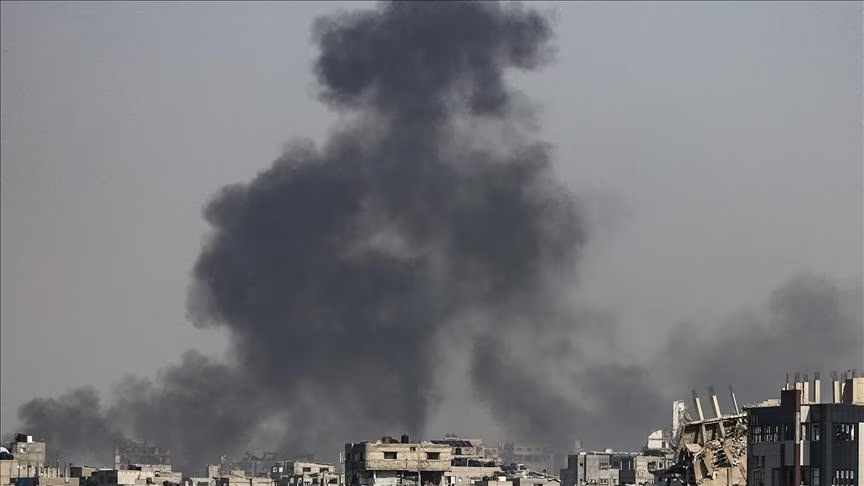
Medical sources reported that a number of Palestinians were injured as a result of Israeli artillery shelling targeting the town of Beit Lahia, north of the Gaza Strip. This coincided with intense air strikes and shooting at the area controlled by the Israeli army inside the Strip.
The sources explained that a number of wounded were transferred, without specifying the exact number, to Al-Shifa Hospital in the west of Gaza City, following the artillery shelling that targeted the outskirts of the town of Beit Lahia, north of the Strip.
Several areas east of Gaza City, including the Al-Tuffah and Al-Shujaiya neighborhoods, in addition to areas east of Deir al-Balah city in the center of the Strip, and the vicinity of the areas where the Israeli army is still stationed east of the cities of Khan Yunis and Rafah in the south, witnessed air strikes and heavy shooting from Israeli vehicles and aircraft. No further details were available about the nature of the targets.
The Israeli army continues to control the southern and eastern strips, in addition to large parts of the northern Gaza Strip, which includes more than 50% of the area of the Strip.
This comes in light of the first phase of the ceasefire agreement between Hamas and Israel, mediated by Egypt, Qatar, Turkey, and sponsored by the United States, which began implementation on October 10.
Since October 8, 2023, Israel, with American support, has been waging a war in Gaza, which has left more than 70,000 dead and more than 171,000 injured Palestinians, most of them children and women.
Israel violates the agreement on a daily basis, which has led to the death and injury of hundreds of Palestinians, and prevents the entry of sufficient quantities of food and medicine into Gaza, where about 2.4 million people live in catastrophic humanitarian conditions.
Medical sources: A number of wounded were transferred to Al-Shifa Hospital following Israeli shelling that targeted the outskirts of the town of Beit Lahia.
PALESTINE
Fri 05 Dec 2025 1:30 am - Jerusalem Time
Hamas: The killing of a collaborator with the occupation is the fate of every traitor
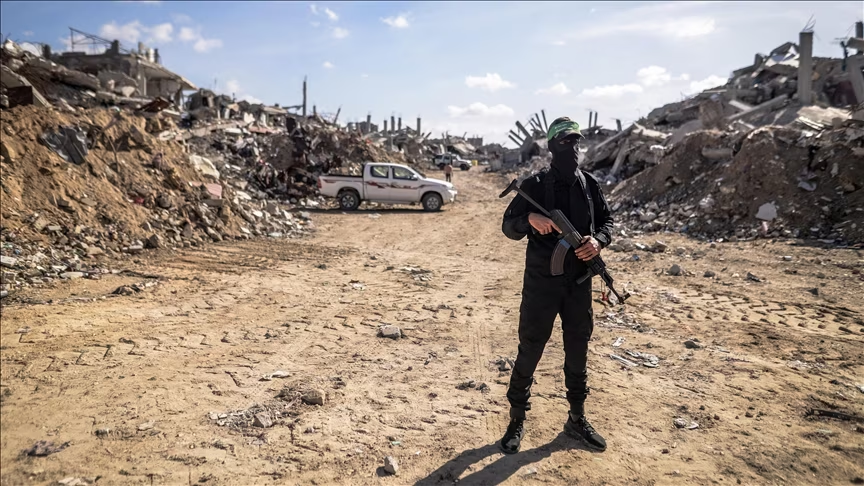
The Hamas movement announced on Thursday that the killing of Yasser Abu Shabab, whom it described as the leader of the militias collaborating with the Israeli army in the Gaza Strip, is "the inevitable fate of everyone who betrays his people and homeland and agrees to be a tool in the hands of the occupation."
In a statement, the movement explained that the fate of Abu Shabab, who cooperated with the Israeli occupation, is the fate of everyone who accepts to be a traitor to his people and homeland, and an obedient tool in the hands of the occupation.
Hamas pointed out that Abu Shabab cooperated with Israel during its commission of crimes it described as genocide in Gaza over two years, which included killing, starvation and systematic destruction.
The movement affirmed that the actions committed by Abu Shabab and his gang represent a clear departure from the Palestinian national and social ranks.
Hamas also praised the position of the families, tribes and clans that disavowed Abu Shabab and everyone involved in attacking the people or cooperating with the occupation, stressing that this isolated group represents only itself.
The movement explained that the occupation's resort to employing socially and morally degenerate gangs outside the law, and using them as a tool to implement suspicious projects in the Gaza Strip, reflects the state of helplessness it has reached in the face of the steadfastness of the Palestinian people and their resistance.
Hamas stressed that the occupation, which was unable to protect its agents, will not be able to protect any of its followers, and that the fate of everyone who tampers with the security of his people and serves his enemy is to fall into the dustbin of history and lose any respect or status in his society.
The movement affirmed that the unity of the Palestinian people with their families, tribes, clans and national institutions will remain the safety valve in the face of all attempts to sabotage the internal fabric, and will not be an incubator for criminal gangs or suspicious projects, regardless of who is behind them.
Earlier, Hebrew media reported that Yasser Abu Shabab was killed in battles between clans in Gaza.
The Tarabin tribe in the Gaza Strip also confirmed the killing of Abu Shabab, considering that his blood closed a page of shame.
In a statement published by the tribe, it stated that the killing of Abu Shabab represents the end of a black page that does not reflect the history of the tribe or its positions, noting that he betrayed the covenant of his family and was involved in associating with the occupation.
The "Yasser Abu Shabab - Popular Forces" group confirmed the killing of its leader, claiming that he was killed after being shot while in the field trying to resolve the dispute between the sons of the Abu Sunaimeh family.
The European Council on Foreign Relations had described Abu Shabab as the leader of a criminal gang operating in the Rafah area, and widely accused of looting aid trucks.
Last June, the Hebrew newspaper Maariv revealed that the Abu Shabab militia, which receives Israeli support with weapons, are criminals involved in smuggling and selling drugs and property crimes.
Israeli Prime Minister Benjamin Netanyahu admitted on June 5 that he armed militias in Gaza, claiming that they used force against Hamas.
Last July, the Palestinian factions in Gaza announced that Abu Shabab was formed by the occupation army and that its political leadership admitted to arming and operating him in its service and trying to protect its soldiers, stressing that this group is rogue and treacherous and a tool in the hands of the occupier.
Since October 8, 2023, Israel, with American support, has been waging a war of genocide in Gaza, which has left more than 70,000 dead and more than 171,000 wounded Palestinians, most of them children and women.
The fate of the dead agent who collaborated with the occupation, Yasser Abu Shabab, is the inevitable fate of everyone who betrays his people and homeland.
PALESTINE
Thu 04 Dec 2025 9:52 pm - Jerusalem Time
Egyptian-Israeli talks on recovering the remains of an Israeli soldier in Gaza
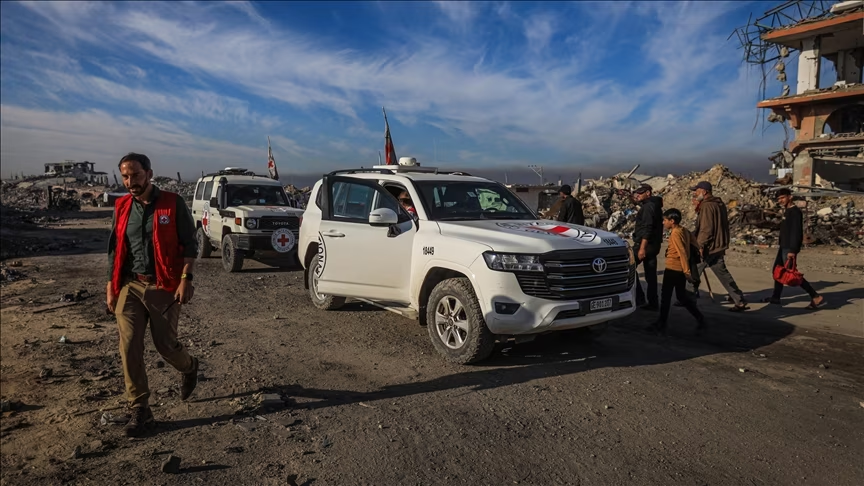
The office of Israeli Prime Minister Benjamin Netanyahu announced that an Israeli delegation held talks in Cairo, with the aim of discussing efforts to recover the remains of an Israeli soldier missing in the Gaza Strip.
A statement issued by Netanyahu's office explained that the Israeli delegation, headed by the coordinator of the Israeli General Security Apparatus, Brigadier General (Res.) Gal Hirsch, held meetings with the Egyptian and Qatari mediators concerned with the ceasefire file in Gaza, in order to secure the immediate release of the remains of First Sergeant Ran Guili.
The Israeli delegation included officials from the army, the General Security Apparatus (Shin Bet), and the Mossad, according to the statement.
The statement indicated that it was agreed at the conclusion of the talks to intensify efforts and accelerate the pace of work to complete the Shin Bet mission.
Earlier, Hamas announced that it had handed over the body of one of the Israeli prisoners, stressing its commitment to completely ending the exchange file within the framework of the ceasefire agreement.
In return, Israel stated that the remains that were handed over belonged to the Thai worker, Suthisak Rintalak, noting that the body of only one prisoner remains in Gaza, who is First Sergeant Ran Guili.
Hazem Qassem, the spokesperson for Hamas, affirmed that the movement continues to adhere to the ceasefire agreement, and that it handed over the body of one of the Israeli prisoners as part of the implementation of what was agreed upon, stressing that the movement will continue to work to completely end the exchange file.
Israel links the start of negotiations on the second phase of the ceasefire agreement in Gaza to its receiving all of its prisoners in Gaza, after the Palestinian factions handed over the twenty living Israeli prisoners and the bodies of 26 prisoners, within the first phase of the agreement.
Despite the fact that one body of its prisoners remains in Gaza, Israel insists on its intransigent position on the file of the bodies of Palestinian prisoners, as there are 9,500 missing Palestinians who were killed by its forces, and their bodies are still under the rubble of the houses that it destroyed during the war, according to the Government Media Office in Gaza.
It is worth noting that more than 9,300 Palestinian prisoners are languishing in Israeli prisons, including children and women, and they suffer from torture, starvation, and medical neglect, which has led to the death of dozens of them, according to Palestinian and Israeli human rights reports.
Since October 8, 2023, Israel, with American support, has been waging a war on Gaza, which has resulted in the martyrdom of more than 70,000 Palestinians and the injury of more than 171,000 others, most of whom are children and women.
The war was supposed to be ended by a ceasefire agreement that came into effect on October 10, but Israel violates it daily, which has led to the martyrdom and injury of hundreds of Palestinians.
Israel prevents the entry of sufficient quantities of food and medicine into Gaza, where about 2.4 million Palestinians live in catastrophic humanitarian conditions.
Hamas affirms its commitment to the ceasefire agreement and the handover of the body of one of the Israeli prisoners.
PALESTINE
Thu 04 Dec 2025 8:20 pm - Jerusalem Time
Aoun: The round of negotiations with Israel paved the way for future sessions
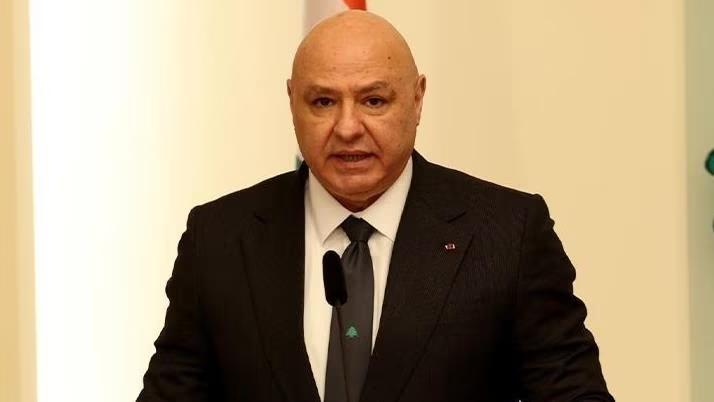
Lebanese President Michel Aoun announced on Thursday that the opening session of negotiations with Israel in the Naqoura region of southern Lebanon had laid the groundwork for future rounds of talks, which are scheduled to begin on December 19.
The Lebanese President also stressed the importance of prioritizing the language of dialogue and negotiation over the language of conflict and war.
These statements came in a statement issued by the Lebanese Presidency following President Aoun's chairing of a cabinet meeting at Baabda Palace, a day after a meeting that brought together civilian representatives from the Israeli and Lebanese sides in the presence of the United States in Naqoura, in an attempt to calm the border escalation.
The Lebanese Presidency indicated that President Aoun had informed the Council of Ministers of the assignment of Ambassador Simon Karam to head Lebanon's delegation to the Mechanism Committee, which is the committee concerned with monitoring the ceasefire between Lebanon and Israel.
The President explained that this appointment came after consultation with Parliament Speaker Nabih Berri and Prime Minister Najib Mikati, due to the importance of negotiations in Naqoura and strengthening the committee with a civilian figure.
The Presidency affirmed that the first session was a prelude to later sessions that will begin on the 19th of this month, stressing the need to prioritize negotiation instead of war.
It is obvious that the first session will not be very productive, but it paved the way for future sessions that will begin on the 19th of this month.
PALESTINE
Thu 04 Dec 2025 2:11 pm - Jerusalem Time
East Jerusalem: Strengthening Saint Joseph Hospital

Amid mounting pressure on the Palestinian health system, France – through AFD – is supporting an ambitious project to renovate and expand Saint Joseph Hospital in East Jerusalem.
With the backing of the European Union’s PEEB Med program and the cofinancing of the Qatar Fund for Development, the initiative combines upgraded infrastructure, new medical services, and cutting-edge energy efficiency solutions.
These improvements strengthen access to specialized care, enhance patient treatment, and significantly reduce the hospital’s energy consumption. Through testimonies and on-site footage, the video reflects a partnership committed to building a more modern, sustainable, and resilient hospital for the Palestinian population.
PALESTINE
Thu 04 Dec 2025 1:42 pm - Jerusalem Time
Abbas praises Chinese support for Palestine in the face of Israeli aggression
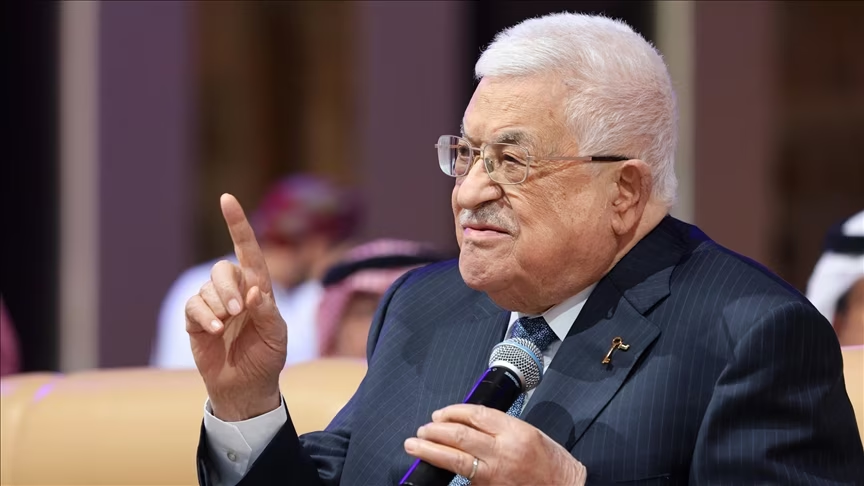
Palestinian President Mahmoud Abbas expressed his deep appreciation to China, praising its provision of $100 million in humanitarian aid to the State of Palestine, considering it a reflection of human and moral solidarity with the Palestinian people in light of the challenges and Israeli attacks they face.
This came in a letter of thanks and appreciation sent by President Abbas to his Chinese counterpart Xi Jinping, following China's announcement of this valuable assistance aimed at alleviating the worsening humanitarian crisis in the Gaza Strip, in addition to supporting early recovery and reconstruction programs in the affected sector.
President Abbas affirmed in his letter that this generous Chinese initiative embodies China's authentic and steadfast positions in supporting right and justice, and reflects the depth of human and moral solidarity shown by the Chinese leadership towards the Palestinian people, who are suffering from unprecedented aggression and humanitarian suffering.
The Palestinian President stressed the importance of the role that China plays in supporting the rights of the Palestinian people and strengthening their steadfastness on their land, in addition to alleviating the effects of the continuous Israeli attacks and aggressive occupation policies, as well as the practices of settlers in the occupied West Bank.
President Abbas considered that Chinese support in this delicate circumstance reflects the strength of the historical friendship relations between the two countries and peoples, and affirms the Chinese leadership's keenness to strengthen these relations and expand the horizons of cooperation and partnership in a way that serves the common interests of both parties, and contributes to promoting peace and stability in the region.
It is noteworthy that Israel, with the support of the United States, has been waging a devastating war on the Gaza Strip since October 7, 2023. This war has so far resulted in the death of more than 37,000 Palestinians and the injury of more than 85,000 others, the majority of whom are children and women, in addition to massive destruction of infrastructure and property.
The ceasefire agreement between Israel and Hamas, which came into effect on October 10, 2025, was supposed to end the war, but Israel violates it daily, leading to the death and injury of hundreds of Palestinians.
This generous initiative embodies China's authentic and steadfast positions in supporting right and justice.
PALESTINE
Thu 04 Dec 2025 1:06 pm - Jerusalem Time
Death toll from Israeli aggression in Gaza rises to more than 70,000 martyrs
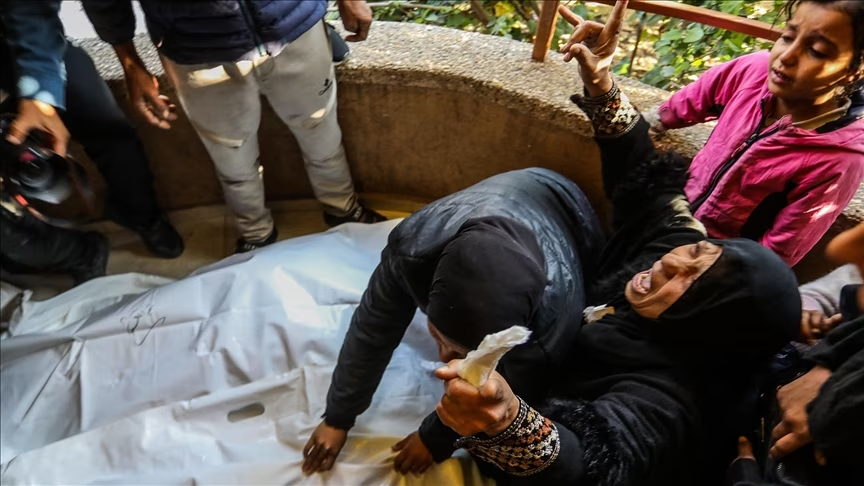
The Ministry of Health in the Gaza Strip announced the martyrdom of 366 Palestinians and the injury of 938 others as a result of violations committed by the Israeli army since the ceasefire agreement came into effect.
Since October 8, 2023, and for two years, Israel has been waging a war of genocide in Gaza, and continues to violate the agreement that began on October 10 last year.
The ministry explained in a statement that hospitals in the Gaza Strip received 8 martyrs (6 new cases and the retrieval of two bodies) and 16 injuries during the past twenty-four hours.
The statement stated that since the start of the ceasefire, the total number of martyrs has reached 366 martyrs, 938 injuries, in addition to the retrieval of 619 bodies.
According to ministry statistics, the death toll from the Israeli aggression has risen to 70,125 martyrs and 171,015 injuries since the beginning of the genocide.
The ministry confirmed that a number of victims are still under the rubble and on the roads, with the difficulty of ambulance and civil defense crews reaching them due to the massive destruction and lack of necessary equipment.
In addition to the human losses, most of whom are children and women, Israel has caused widespread destruction in Gaza, with the United Nations estimating the cost of reconstruction at about $70 billion.
In addition to the continuous bombing, Israel violates the agreement by preventing sufficient quantities of food and medicine from entering the besieged Gaza Strip, where about 2.4 million Palestinians live in catastrophic conditions.
A number of victims are still under the rubble and on the roads, as ambulance and civil defense crews are unable to reach them at the moment.
PALESTINE
Thu 04 Dec 2025 12:38 pm - Jerusalem Time
Palestine values the positions of the Gulf Cooperation Council countries supporting the cause
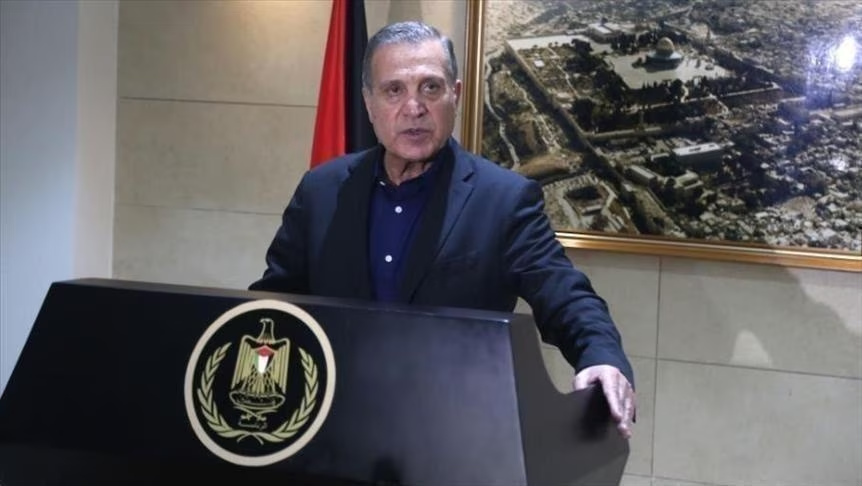
Palestine expressed on Thursday its welcome for the final statement issued by the Manama Summit, stressing that the positions of the Gulf Cooperation Council countries represent a fundamental pillar for protecting the Palestinian cause and enhancing the ability of the Palestinian people to persevere.
The official spokesman for the Palestinian Presidency, Nabil Abu Rudeineh, stated in a statement published by the official news agency, that the Palestinian leadership highly values the firm positions taken by the sisterly countries in the Gulf Cooperation Council.
Abu Rudeineh pointed out that this support reflects the firm historical commitment to supporting the Palestinian people, and embodies the depth of Arab affiliation with Palestine in various regional and international forums.
He also explained that the Gulf positions are a solid foundation for protecting the Palestinian cause and strengthening the steadfastness of the Palestinian people in the face of the occupation's policies and its continuous measures.
Abu Rudeineh affirmed that the Palestinian people will continue their legitimate struggle to achieve their inalienable national rights, with the support and assistance of the Arab countries, foremost among which are the countries of the Gulf Cooperation Council.
He added that the Gulf positions are consistent with the vision of the State of Palestine, which calls for consolidating the ceasefire in the Gaza Strip and moving to the reconstruction phase.
According to the official spokesman, these positions are also consistent with the necessity of starting a political path based on international legitimacy resolutions and the Arab Peace Initiative, with the aim of ending the occupation and establishing an independent Palestinian state with East Jerusalem as its capital.
It is worth mentioning that the forty-sixth Gulf Summit was held on Wednesday in the Bahraini capital, Manama, with the participation of leaders and representatives of the six member states of the Council, namely the Kingdom of Saudi Arabia, the State of Kuwait, the State of Qatar, the Sultanate of Oman, the United Arab Emirates, and the Kingdom of Bahrain.
The final statement of the summit affirmed the centrality of the Palestinian issue, and stressed the necessity of establishing an independent Palestinian state on the borders of 1967, with East Jerusalem as its capital.
The summit also affirmed its support for international efforts aimed at consolidating the ceasefire in the Gaza Strip, facilitating the arrival of humanitarian aid, and moving to the reconstruction phase.
The Gulf positions constitute a fundamental pillar in protecting the Palestinian cause and strengthening the steadfastness of the Palestinian people in the face of the occupation's policies.
PALESTINE
Thu 04 Dec 2025 10:14 am - Jerusalem Time
Israeli Report Reveals Harsh Conditions Experienced by Palestinian Prisoners in Prisons
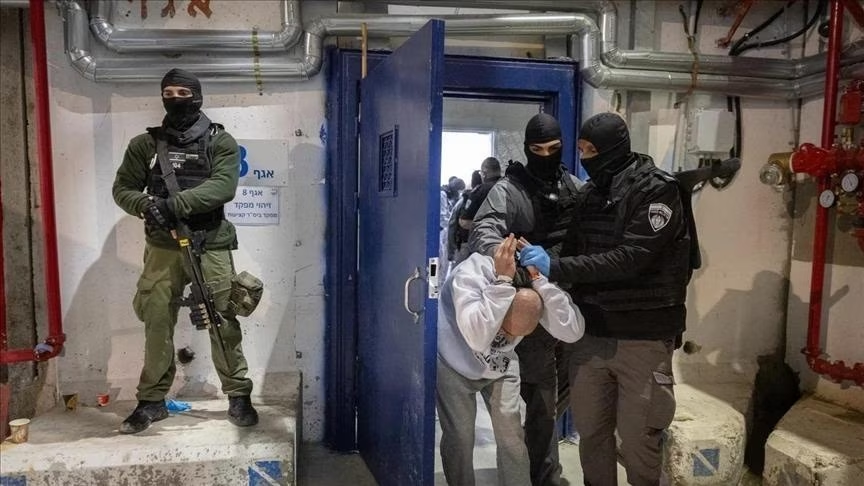
An official report issued in Israel revealed the deteriorating living conditions of Palestinian prisoners inside prisons, where they suffer from a severe shortage of food, severe overcrowding, and deteriorating health conditions.
The report, prepared by the Public Defender's Office of the Israeli Ministry of Justice and published on Thursday, was based on visits made by representatives of the office to a number of prisons.
The Public Defender's Office concluded that "the detention conditions of security prisoners (Palestinians) have deteriorated significantly since October 2023."
The office pointed out that "after the outbreak of the war, the police put in place a meager food menu for security prisoners," according to the "Haaretz" newspaper.
The report explained that this situation "caused them severe hunger, which is manifested in severe weight loss and phenomena including severe physical weakness and fainting."
In addition, the Public Defender's Office stated that "the increase in the number of prisoners and detainees has exacerbated the problem of overcrowding in prisons."
The report indicated that "as a result, 90 percent of prisoners are held in living areas of less than three square meters, and thousands of them do not have beds to sleep on."
The detention conditions of security prisoners (Palestinians) have deteriorated significantly since October 2023, leading to severe hunger and severe overcrowding.