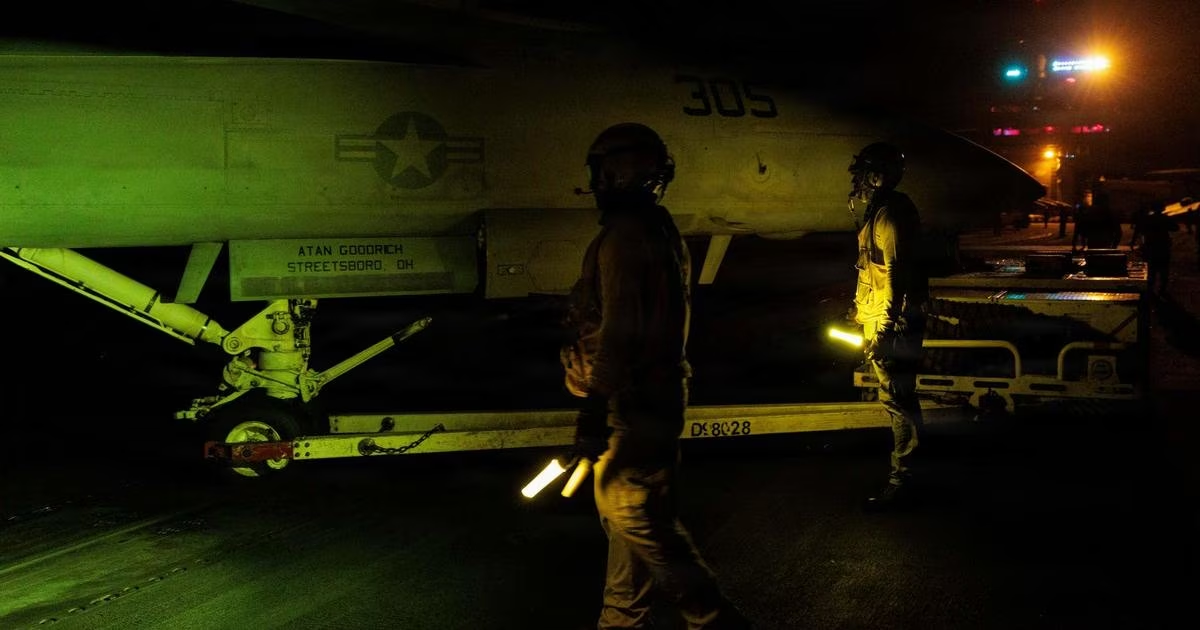







The Strait of Hormuz region witnessed a dangerous military escalation on Saturday night and Sunday morning, as the US military carried out a series of concentrated airstrikes on sites belonging to Iran. The US Central Command clarified that these operations directly targeted Iran's military surveillance infrastructure and air defense systems in the strategic region.
These US military movements came in response to an earlier attack on an oil tanker, with Washington accusing Tehran of being behind the targeting of the commercial vessel. This marks the second consecutive night that the region has slid towards direct confrontation, putting recent diplomatic understandings at risk.
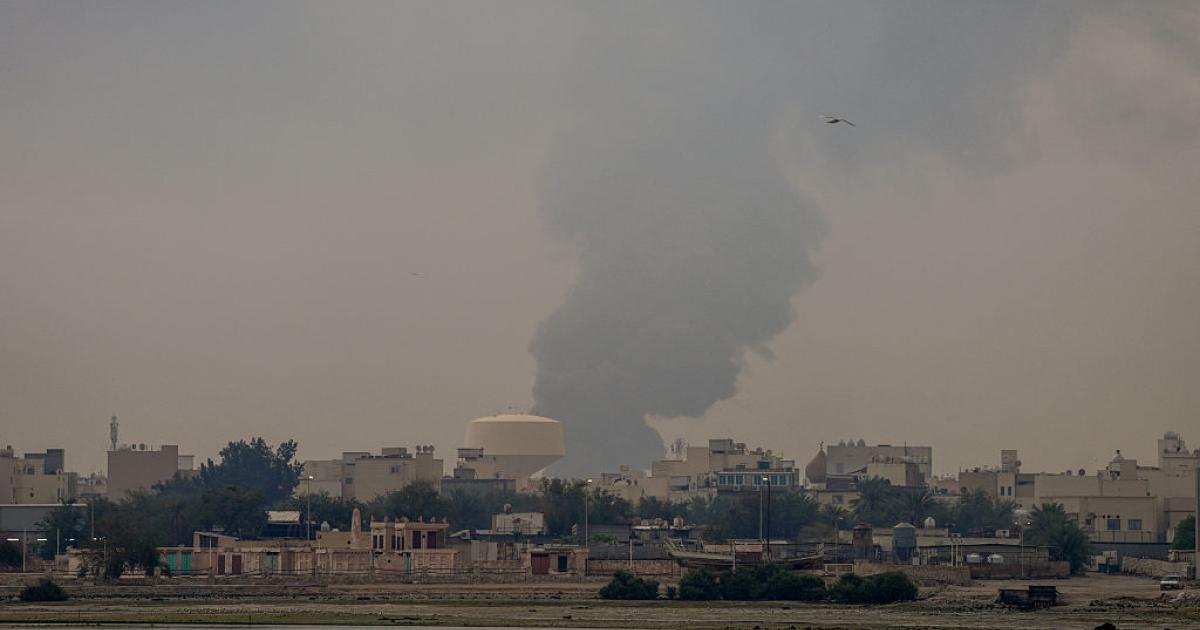
For its part, official Iranian media documented violent explosions in the city of Sirik, located in the south of the country, indicating that projectiles hit a communications tower in the vicinity of Tahrouyi village. The attacks also affected sites on Qeshm Island, reflecting the widening scope of US aerial targeting of vital Iranian facilities.
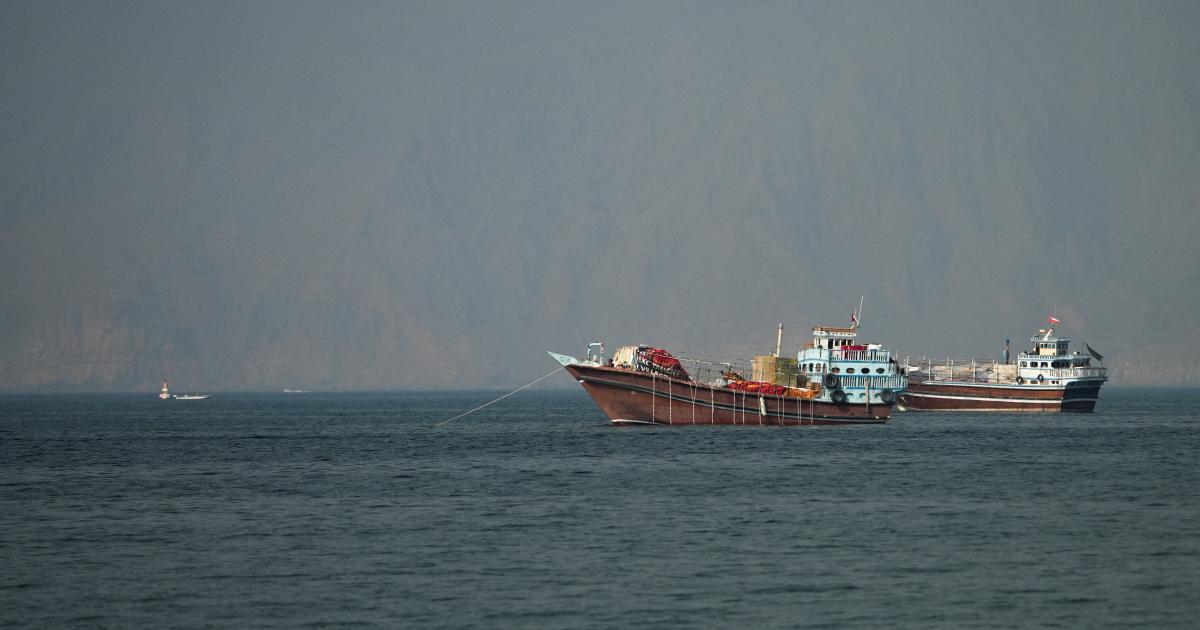
In a related context, British maritime sources reported that an oil tanker sustained a direct hit by a projectile while transiting the strait, causing material damage to the command room. Despite the severity of the attack, the Maritime Trade Operations agency confirmed that all crew members were unharmed and their safety was secured.
This explosion in the field situation comes just two weeks after the signing of a memorandum of understanding between Washington and Tehran that aimed to end a four-month conflict. Both sides exchanged accusations of violating the terms of this agreement, with each party considering the other's actions a direct threat to regional security.
Washington explicitly announced that it targeted Iranian interests overnight to deter ongoing attacks on international shipping lanes, while Tehran responded by confirming strikes on targets associated with US forces. This mutual escalation raises international concern about the stability of global energy supplies passing through this waterway.
On the maritime security front, the Combined Maritime Information Center decided to raise the security threat level in the region to higher degrees due to repeated security incidents. The center warned that targeting cargo ships and tankers now poses an imminent danger that requires high vigilance from all vessels transiting the strait.
In a move that reinforces control, Iranian television indicated that the Revolutionary Guard fired warning shots at ships attempting to pass through routes not approved by Tehran. This action forced many commercial vessels to request prior permits from Iranian authorities before attempting passage.
An crisis over navigation routes is emerging, with the United States seeking to promote a southern route adjacent to the Omani coast to secure trade movement away from interventions. In contrast, Tehran insists on the necessity for ships to take a northern route passing through its territorial waters to ensure they are subject to its direct supervision.
In a clear tone of defiance, Ibrahim Azizi, head of the National Security Committee in the Iranian Parliament, stated that his country would not tolerate any violation of navigation instructions. Azizi affirmed that the Iranian armed forces are prepared to respond with firmness and strength to any violation of sovereignty or the rules set by Tehran to regulate movement in the Strait of Hormuz.
We will respond firmly to any violation of Iranian instructions regarding navigation through the Strait of Hormuz.


Share your opinion
Military Escalation in the Strait of Hormuz: US Raids Target Iranian Sites in Response to Oil Tanker Attack