






Diplomatic movements are accelerating in the region, led by Qatar and Pakistan, aimed at curbing the escalating military tension between the United States and Iran. Informed sources reported that Doha and Islamabad are strongly pushing for new rounds of dialogue between the two parties in the coming days, in an effort to overcome obstacles threatening the continuity of existing understandings.
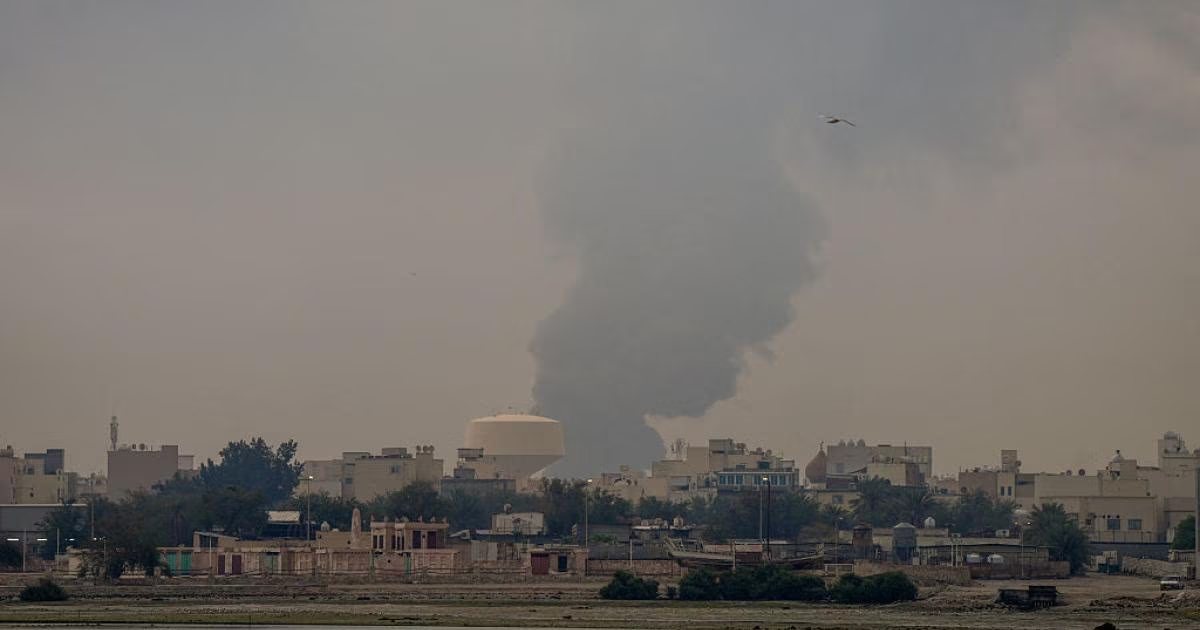
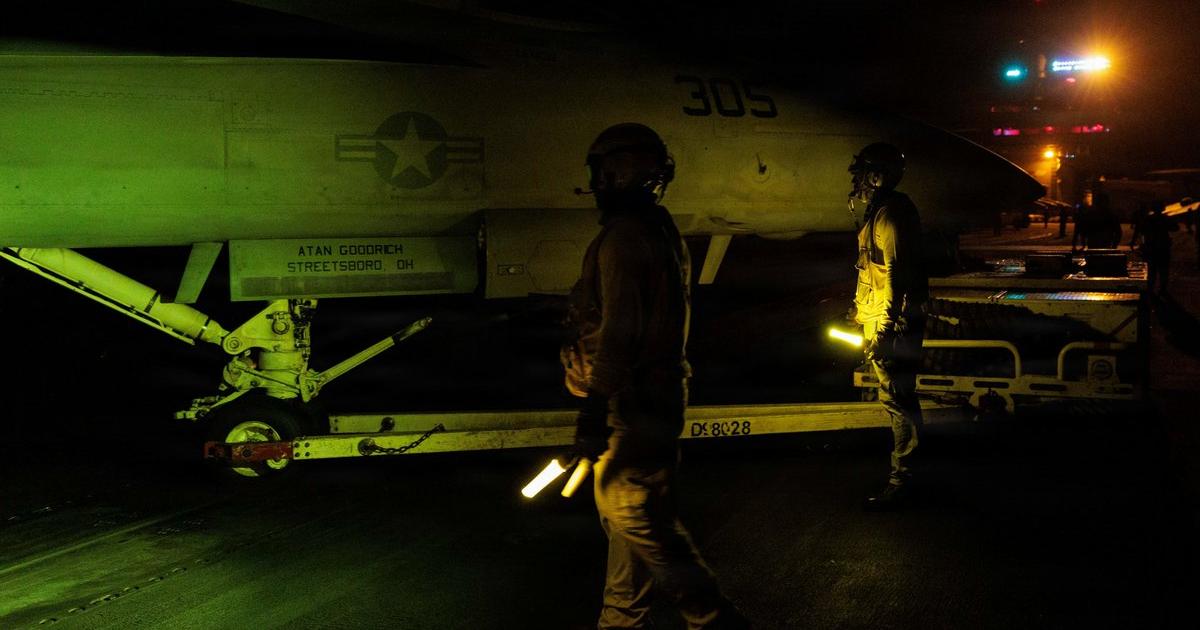
These efforts come in the wake of serious field developments, as US forces carried out military strikes targeting Iranian sites last Friday evening. This coincided with Manama's announcement that its territory had been subjected to attacks by drones launched from the Iranian side, placing the region on the brink of a comprehensive confrontation that threatens the security of international waterways.
As part of these endeavors, Sheikh Mohammed bin Abdulrahman bin Jassim Al Thani, the Qatari Prime Minister and Minister of Foreign Affairs, held intensive phone calls with his Saudi counterpart, Prince Faisal bin Farhan, and Egyptian counterpart, Badr Abdel Aty. Discussions focused on the necessity of coordinating Arab and regional positions to ensure that the region does not slide into broader conflicts that do not serve the stability of its peoples.
The Qatari Prime Minister stressed during his consultations the strategic importance of ensuring freedom of navigation in the Strait of Hormuz, considering it a vital artery for the global economy that cannot be compromised. He called for adherence to diplomacy and de-escalation of inflammatory rhetoric, while focusing on building upon the achievements previously made within the joint memorandum of understanding between Washington and Tehran.
Doha expressed its full support for the ongoing negotiations, emphasizing that sustainable solutions to outstanding issues can only be reached through dialogue and peaceful means. The Qatari Foreign Ministry indicated that the success of the diplomatic path will open new horizons for development and prosperity in the Middle East, enhancing opportunities for lasting peace and achieving the common interests of all parties.
On the regional level, there was widespread condemnation of the attack targeting the Kingdom of Bahrain, with Doha describing the incident as a blatant violation of national sovereignty and a clear breach of the principles of international law. Qatar called for the necessity of self-restraint and sparing the region the consequences of any military escalation that could lead to catastrophic results for regional security.
For its part, the Gulf Cooperation Council affirmed its full support for Manama in all measures it takes to protect its security and stability, strongly condemning the drone attacks. Saudi Arabia, the UAE, and Kuwait also issued separate statements condemning the attacks, describing them as a direct threat to regional and international security and stability and a violation of the United Nations Charter.
The current Qatari-Pakistani mediation aims to clarify fundamental points of contention, especially those related to security arrangements in the Strait of Hormuz and maritime borders. The mediating parties seek to find a consensual formula that prevents the recurrence of military friction and ensures a return to the negotiating table as the only option to end the current crisis between major and regional powers.
The region must be spared the repercussions of unjustified attacks, with the necessity of building on what has been achieved within the framework of the memorandum of understanding to consolidate regional and international security.




Share your opinion
Intensive Qatari-Pakistani Mediation to Contain Escalation Between Washington and Tehran Following Mutual Attacks