






The Islamic Resistance Movement (Hamas) announced the submission of the official response of the Palestinian factions to the 'roadmap' presented by the High Representative of the Peace Council, Nikolay Mladenov. This step came after a series of intensive consultations held in the Egyptian capital, Cairo, with the aim of reaching a comprehensive national vision regarding the proposed international proposals.
The movement affirmed in an official statement that the Palestinian response primarily focuses on the necessity of faithfully implementing the first phase of the understandings. This phase includes a comprehensive cessation of all forms of Israeli aggression against the Gaza Strip, and ensuring the complete withdrawal of occupation forces from all areas of the Strip without exception.
Mladenov's map, which was presented last May, comes as an executive framework consisting of 15 clauses aimed at implementing the broader plan proposed by US President Donald Trump. This map seeks to establish specific mechanisms for thorny issues including reconstruction, the deployment of an international stabilization force, and the rebuilding of police agencies in Gaza.
The unified Palestinian position stressed the importance of adhering to the urgent humanitarian measures that were pledged at the start of the ceasefire. This includes the flow of relief aid, the provision of fuel, the permanent opening of crossings, and the securing of shelters for displaced persons who lost their homes during the years of war.
Informed sources explained that the meetings hosted by Cairo since June 6 included representatives of the factions and mediators from Egypt, Qatar, and Turkey. These efforts resulted in the crystallization of a unified political position that expresses the aspirations of the Palestinian people to obtain their legitimate rights and self-determination.
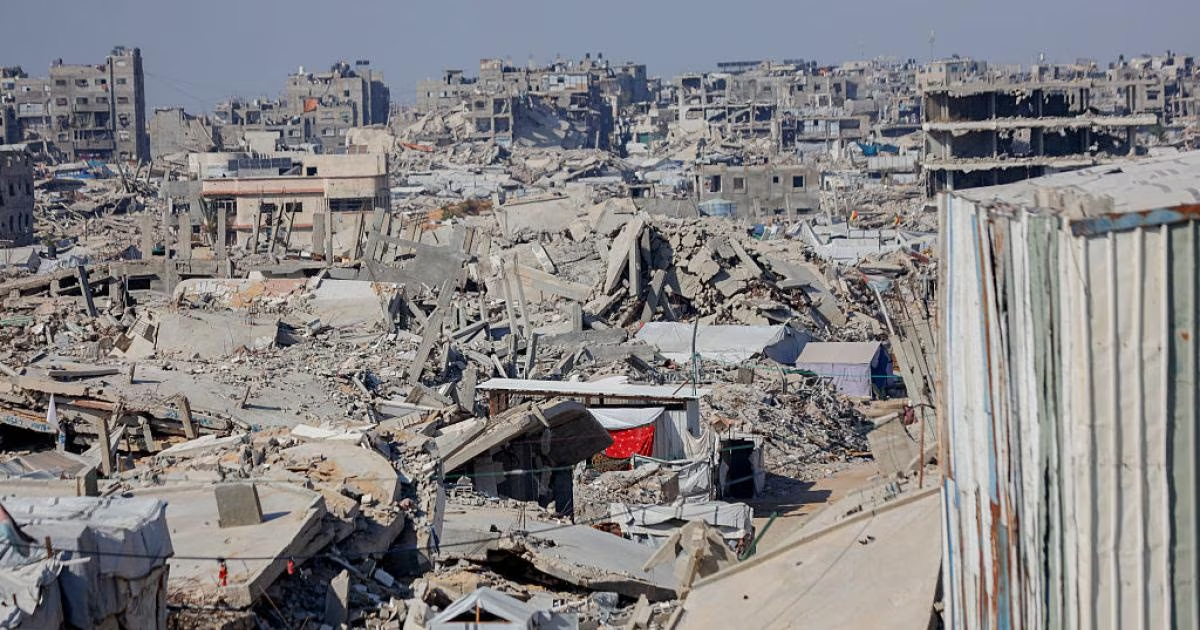
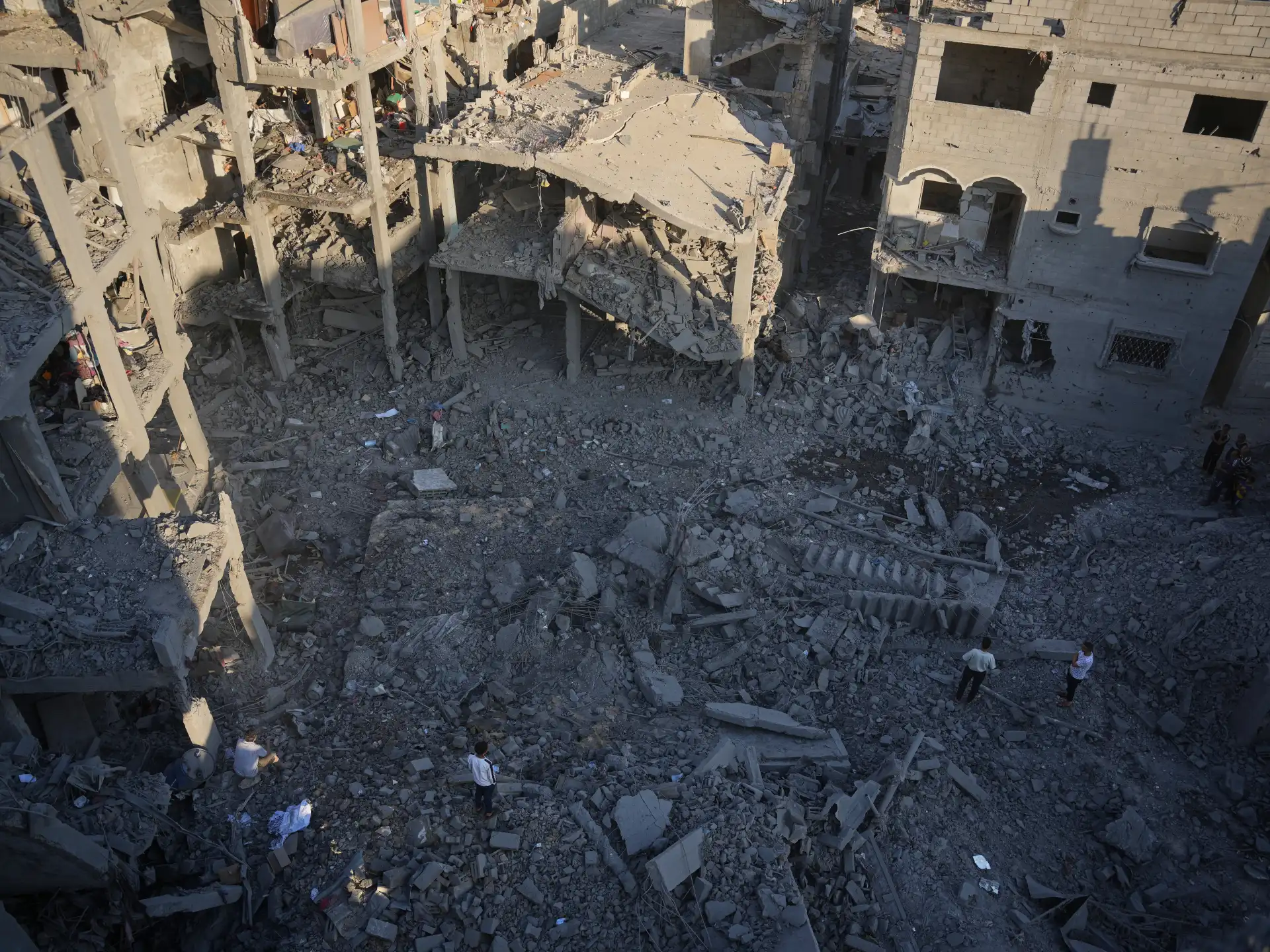
Hamas indicated that the factions dealt with the proposals with high national responsibility, considering that the success of any agreement depends on Israeli adherence to the humanitarian protocol. It also demanded the necessity of immediately starting comprehensive reconstruction operations to compensate for the massive destruction that affected civilian infrastructure.
The movement's delegation in Cairo is scheduled to continue its consultations with international mediators to follow up on implementation mechanisms and ensure that the occupation does not renege on its commitments. These moves aim to transform paper understandings into a tangible reality that ends the suffering of the residents of the besieged Strip.
The first phase of Trump's original plan came into effect in October 2025, but the Palestinian side accuses Israel of procrastination. Despite the factions' adherence to the requirements of that phase, the occupation continued its aggressions and reneged on the partial withdrawal pledges stipulated in previous agreements.
In a related context, Israel insists on presenting the disarmament of the factions as a prerequisite for moving to advanced stages of reconstruction. This is rejected by the Palestinian forces, who see the resistance's weapons as a fundamental guarantee in light of the continued Israeli threats to resume military operations.
These political developments come two years after a devastating war that left unprecedented human and material losses in modern Palestinian history. Statistics indicate the martyrdom of about 73,000 people and the injury of more than 173,000 others, the vast majority of whom are women and children.
On the ground, media sources reported that the Israeli army chief of staff, Eyal Zamir, has already approved new operational plans to return to fighting. The Israeli military establishment is monitoring what it describes as Hamas's attempts to restore its military capabilities and tunnel networks that were damaged during previous confrontations.
For his part, Hamas political bureau member Hussam Badran stated that the atmosphere in Cairo was very positive and constructive. Badran affirmed that the national consensus reached strengthens the supreme interests of the Palestinian people and places the international community before its responsibilities to end the occupation.
Anticipation remains the master of the situation, awaiting the Israeli and mediators' response to the newly submitted Palestinian position. While the factions seek to establish their political and humanitarian rights, Israel brandishes the option of military force, placing the region at a crucial crossroads between sustainable peace or a return to escalation.
The Palestinian factions dealt with the roadmap with high responsibility and positivity, while emphasizing the necessity of implementing the first phase in all its details.
Share your opinion
Palestinian factions submit their response to 'Mladenov's map' and insist on full Israeli withdrawal