







The temporary ceasefire agreement between Lebanon and the Israeli occupation state came into effect at midnight Thursday-Friday, following US President Donald Trump's announcement of a ten-day truce. This development came after a series of direct and rare talks hosted in Washington between the ambassadors of the two countries, in an attempt to break the intensity of the ongoing military escalation.
The concerned parties are scheduled to resume a second round of discussions at the White House in the coming two weeks, with the aim of drafting a framework for a comprehensive agreement to end the conflict. Despite the optimism expressed by the US administration, describing the talks as fruitful, press reports warned that this truce might be merely a cover for managing the crisis rather than resolving it.
Analytical readings indicate that the current ceasefire may pave the way for a long-term occupation in South Lebanon, similar to what is happening in the Gaza Strip. These fears are based on statements by security officials who confirmed that the occupation army does not intend to withdraw from the areas it penetrated during the announced truce period.
In a related context, Israeli Defense Minister Yisrael Katz affirmed that Tel Aviv intends to maintain its field control up to the Litani River. Katz explained that military plans include destroying villages near the border to ensure that threats do not return, which reinforces the hypothesis of seeking to impose a new geographical reality.
For his part, Israeli Prime Minister Benjamin Netanyahu clearly announced his country's intention to maintain a 'buffer zone' extending six miles into Lebanese territory. This approach reflects a long-term strategy aimed at securing the northern borders through direct control, away from traditional diplomatic understandings.
Observers believe that what is happening in South Lebanon goes beyond a confrontation with Hezbollah, reaching a 'scorched earth' policy that targets infrastructure and civilians. Field investigations conducted by journalistic sources revealed widespread destruction in border villages, making the return of displaced persons almost impossible at present.
Historically, the scene of the Israeli invasion of Lebanon has been repeated seven times over the past five decades, including an 18-year occupation that ended in 2000. Political circles fear that history may repeat itself under new security pretexts that legitimize a permanent military presence deep inside Lebanon.
On the Lebanese side, the government faces a complex equation amid international and local pressures aimed at dismantling Hezbollah's military capabilities. Beirut has taken unprecedented steps, including banning the party's armed activities in certain areas and reducing Iranian diplomatic influence.
Despite these official moves, the Lebanese reality remains fragile due to the weak capabilities of the national army and fears of the country sliding into civil war. The government lacks the necessary executive tools to impose its full sovereignty, which puts any future agreement to the real test.
In contrast, the occupation government views the current moment as a strategic opportunity to reshape the balance of power in the region after weakening its adversaries. Opinion polls within Israeli society show widespread support for the continuation of military operations, which reduces the scope for sustainable political solutions.
Researchers residing in Beirut warned that the current course of negotiations could lead to increased internal tensions rather than de-escalation. They pointed out that the conditions imposed on the Lebanese state could put it in direct confrontation with active political and military forces, threatening national stability.
Former security experts in Tel Aviv believe that the options available to Lebanon are limited to two bitter paths; either accepting Israeli military operations or facing the risk of internal conflict. This escalatory vision highlights the absence of a genuine will to reach a settlement that respects Lebanese sovereignty.
Meanwhile, civilians in South Lebanon continue to pay the highest price for the conflict, facing an unknown future amidst the destruction of their properties. The scenes coming from the border villages resemble those witnessed in Gaza, where de-escalation becomes merely a time interval between rounds of fighting.
The fate of the South remains suspended between American diplomatic promises and the military reality imposed on the ground. If the upcoming talks at the White House fail to set a clear timetable for withdrawal, the current truce may be nothing more than a prelude to a broader and more complex confrontation.
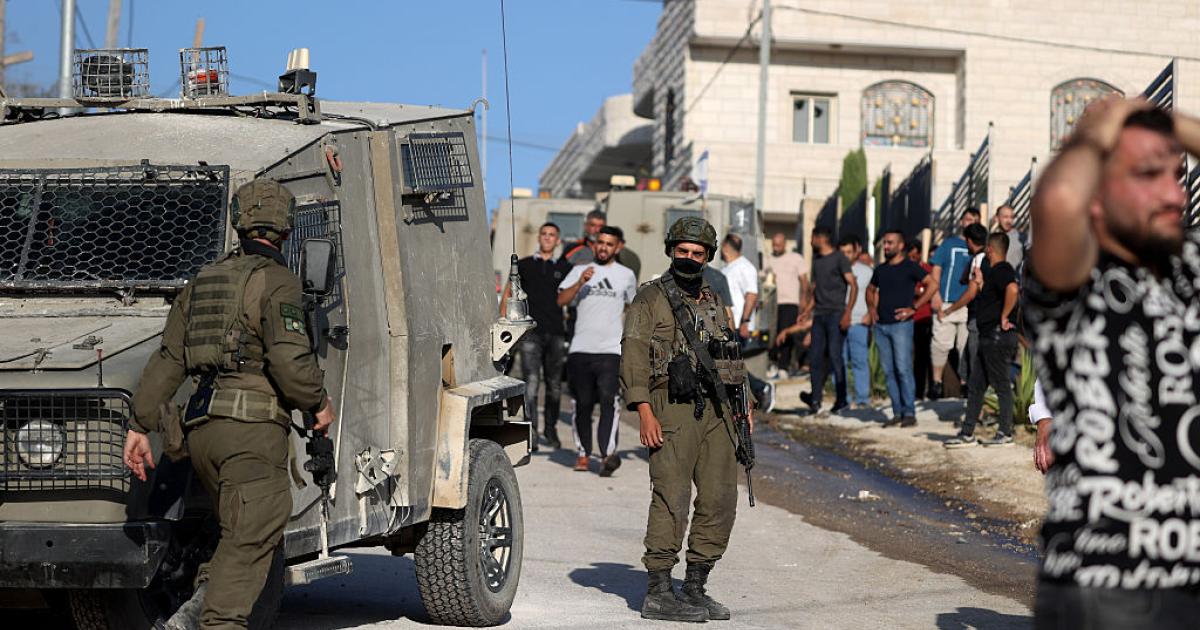
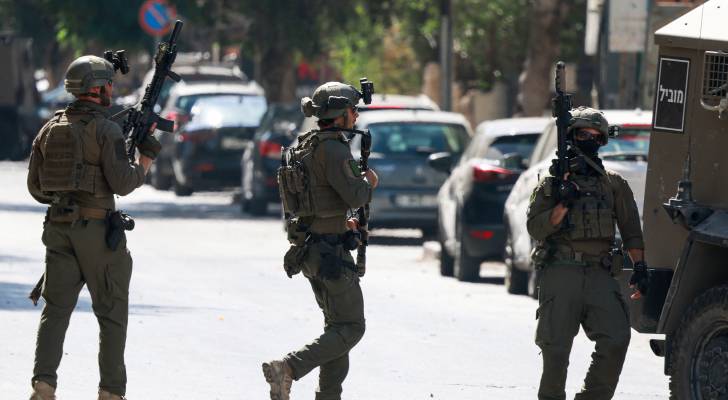
Israel has no plans to withdraw its army from South Lebanon during the announced 10-day ceasefire.
Share your opinion
The 10-Day Truce in Lebanon: A Path Towards De-escalation or a Cover for Long-Term Occupation?