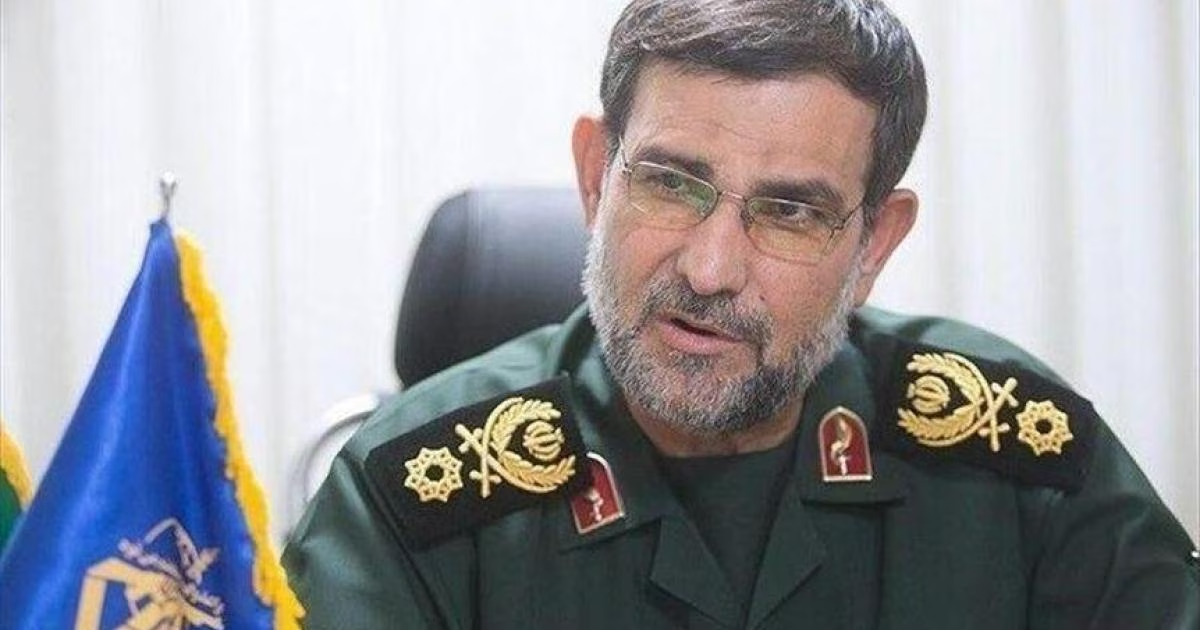







Hebrew media sources, quoting officials in Tel Aviv, reported the assassination of the commander of the Iranian Revolutionary Guard Corps (IRGC) Navy, Ali Reza Tangsiri, during an attack in the coastal area of Bandar Abbas. Tangsiri is considered one of Iran's most prominent military leaders, having been responsible for strategic and sensitive files, most notably the threat to close the Strait of Hormuz to international navigation.
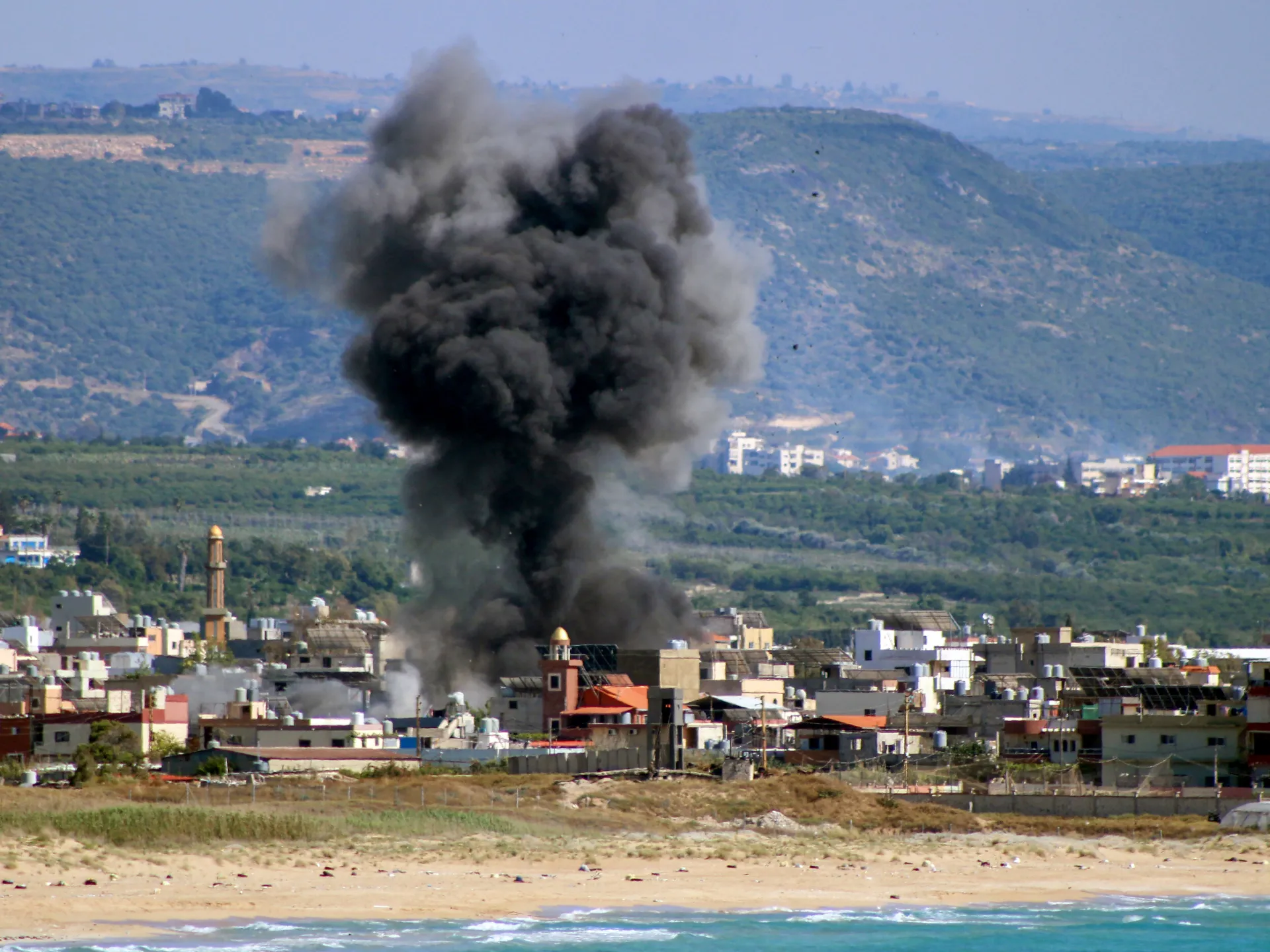
The reports circulating in the Hebrew media did not specify the exact timing of the attack targeting the Iranian commander, amidst conflicting news about the party responsible for the operation. While some analyses suggest that the US military is targeting Iranian coastal areas, other sources confirm that Israel is leading qualitative assassination operations deep inside Iran.
In a related context, diplomatic sources revealed that Israel has backed down from plans to target high-ranking Iranian political figures, including Foreign Minister Abbas Araghchi and Parliament Speaker Mohammad Bagher Ghalibaf. This retreat came after pressure exerted by Pakistan on the US administration, warning that the elimination of these leaders would lead to the absence of any party with whom to negotiate to end the conflict.
American press reports confirmed that the removal of Araghchi and Ghalibaf's names from the Israeli targeting list is a temporary measure that may last only a few days. This step, according to US officials, aims to test the possibility of opening political communication channels leading to a comprehensive de-escalation in the region, away from the language of direct military escalation.
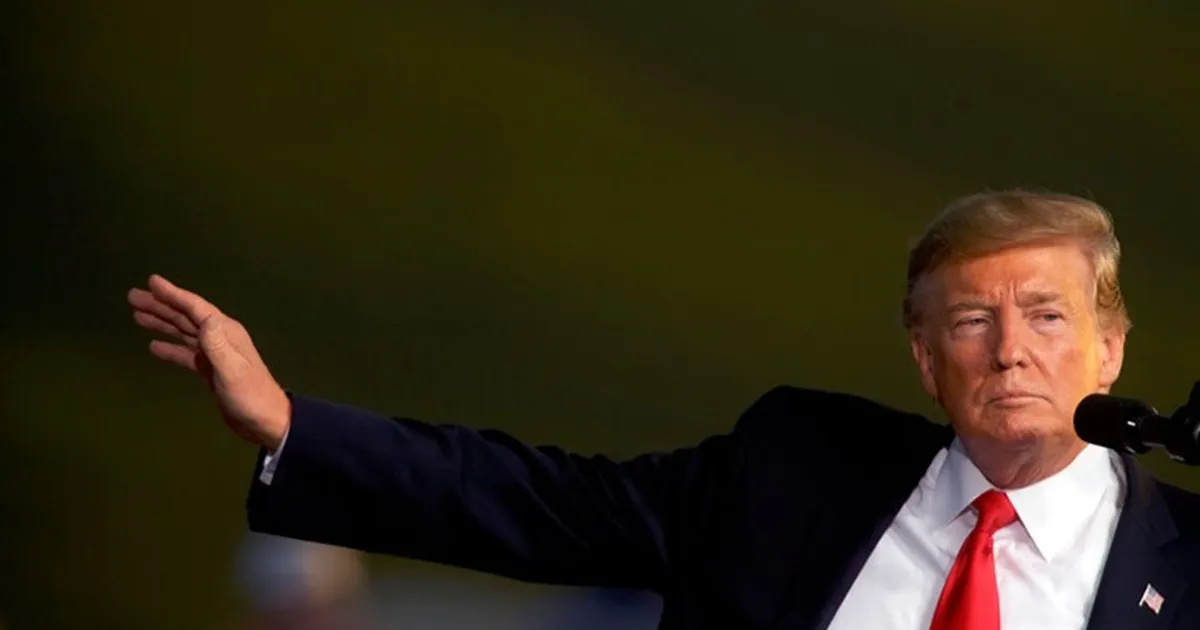
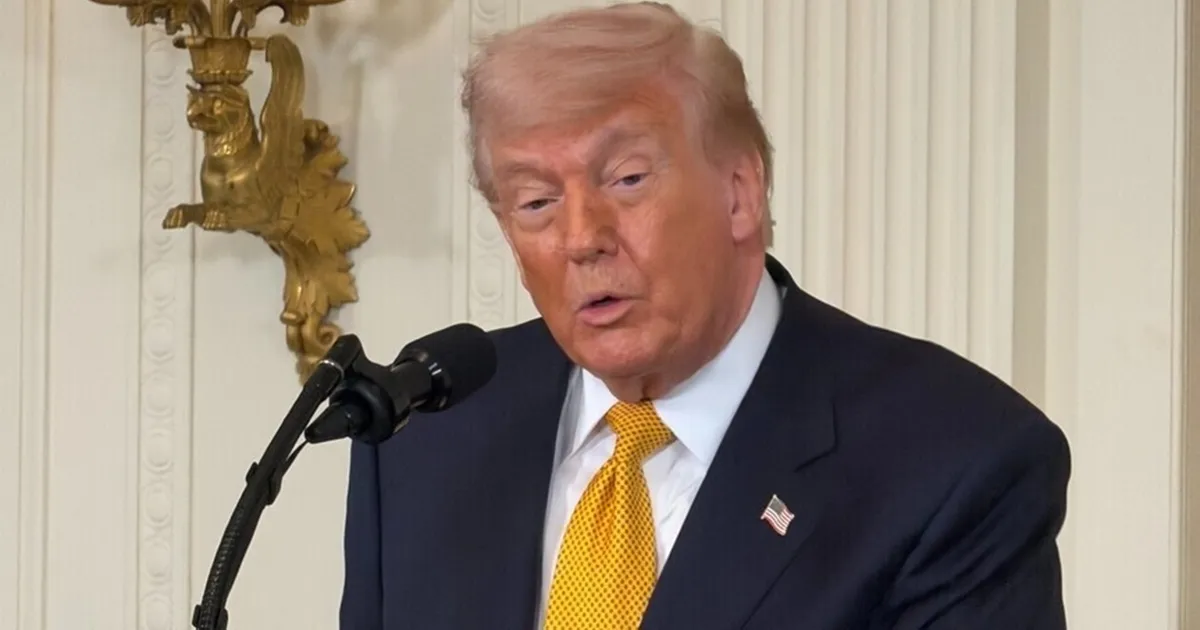
For his part, US President Donald Trump expressed his explicit desire to end military operations against Iran as soon as possible. Informed sources reported that Trump set a timeline of four to six weeks to complete this mission, indicating that the current attacks should enter their final stages according to the pre-established plan.
The US President believes that the continued aggression against Iran represents a political drain that distracts the administration from pressing domestic issues. Irregular migration files and preparations for the upcoming midterm elections are at the top of the White House's priorities, pushing Trump to press for a resolution of the Iranian file through a mix of military force and diplomacy.
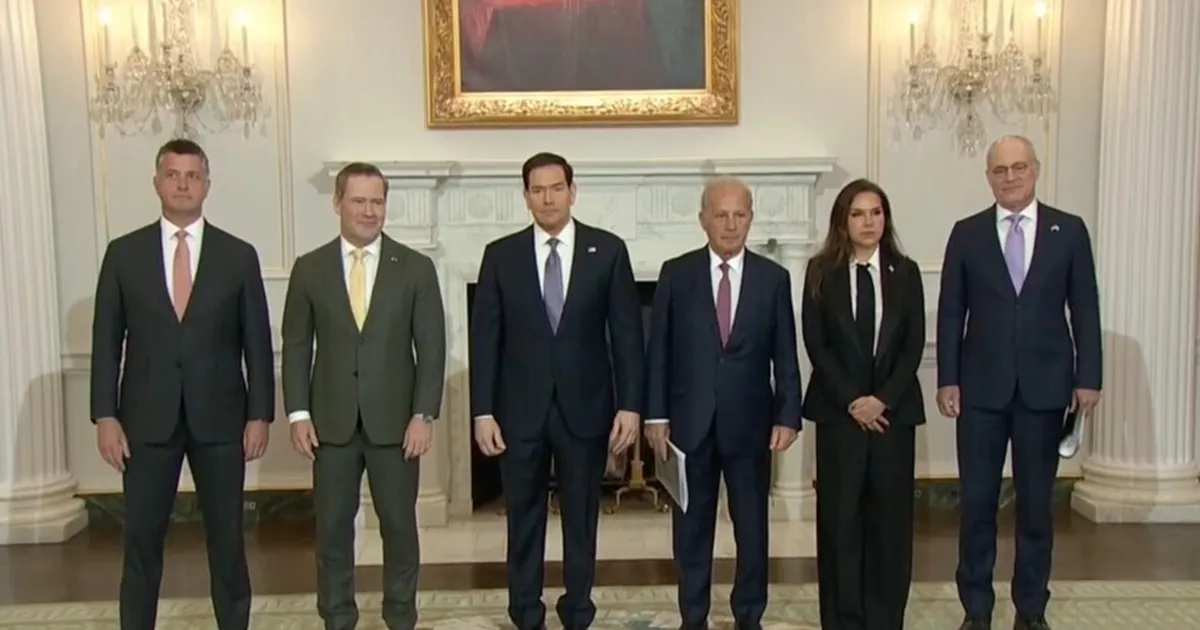
On the diplomatic front, Pakistan emerged as a pivotal player in mediating between Tehran and Washington, alongside supporting roles from Egypt and Turkey. Islamabad maintains direct and effective communication channels with both parties, making it the most prominent candidate to host any potential peace talks aimed at stopping the bleeding of war in the Middle East.
As part of these efforts, Washington sent a 15-point proposal to the Iranian leadership via the Pakistani mediator, including conditions for ending the confrontation. The US administration claimed that the Iranian side is showing a desire to reach an agreement that would end the state of isolation and successive military strikes that the country's infrastructure and leadership have been subjected to.
Despite these moves, Tehran maintained a cautious stance, with Foreign Minister Abbas Araghchi stating that his country is carefully studying the US proposal but has not yet decided to enter into direct negotiations. Araghchi denied any current dialogue with Washington, stressing that Iran does not intend to make concessions under the weight of continuous military threats.
Sources indicate that predicting Trump's final decisions remains difficult, especially given the overlap between political statements and field operations. While the White House talks about a desire for peace, airstrikes continue to target strategic locations, leaving the region facing open scenarios between comprehensive de-escalation or a major explosion.
Regional and international capitals are cautiously monitoring the outcomes of these developments, especially with the approaching deadline set by Trump to end the war. Fears are growing that any miscalculation in the field, such as the confirmation of Tangsiri's assassination, could lead to a widespread Iranian reaction that could derail all current Pakistani and American mediation efforts.
The assassination file remains the primary driver of the escalation level, as Tehran considers targeting IRGC leaders a red line that requires a response. If the death of the naval commander is confirmed, this could push the IRGC to carry out retaliatory operations in international waterways, which would complicate Trump's mission to end the war in the next six weeks.
The Israelis had the coordinates of Araghchi and Ghalibaf and wanted to eliminate them, but Washington asked them to back down to ensure there was a party they could talk to.

Share your opinion
Israeli claims of IRGC Navy commander assassination and Trump seeks to end war