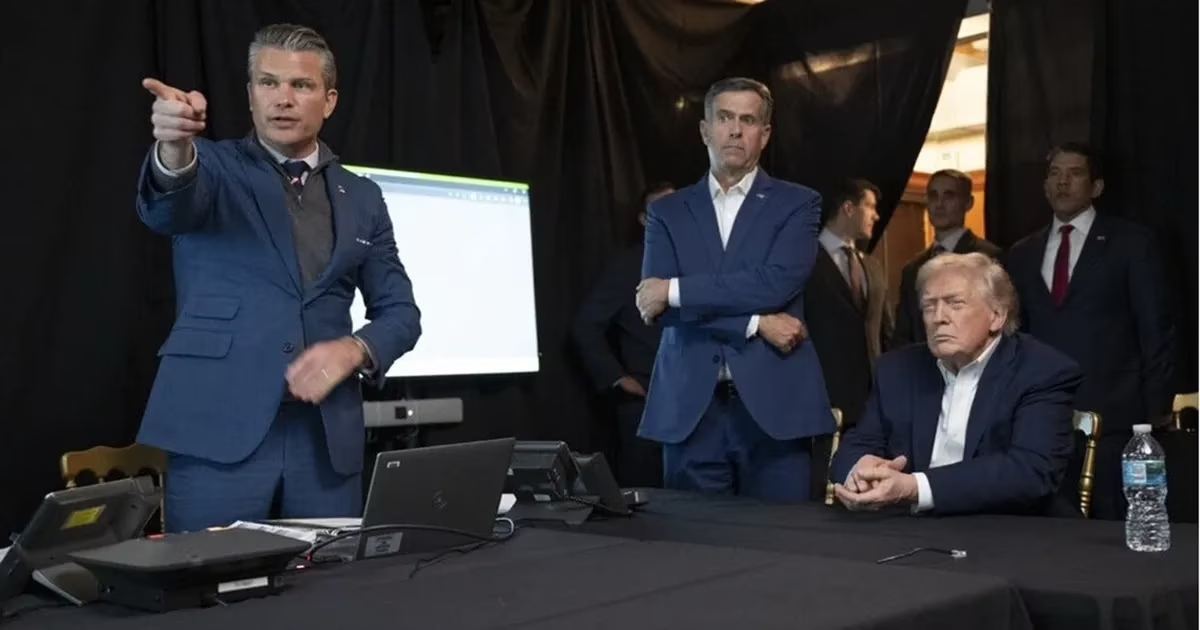







International press reports stated that US President Donald Trump engaged in a wide-ranging military confrontation against Iran without presenting a clear strategy to the American people or the international community. Sources indicated that field developments after three weeks of fighting point to a lack of an integrated vision to achieve the stated goals, foremost among them ending the Iranian regime or controlling its nuclear program.
The editorial of the 'New York Times' considered that Trump can no longer manipulate facts to escape the dilemma of this war, which it described as chaotic. It noted that the US administration failed to predict the side effects of the conflict, especially regarding the disruption of global energy supplies, which led to a significant jump in prices.
Sources reported that the US President relied on a very narrow circle of advisors in making his military decisions, bypassing the usual institutional processes aimed at assessing risks. This approach led to contradictory statements, including claims of achieving war goals despite the ongoing crisis and its escalating intensity on the ground.
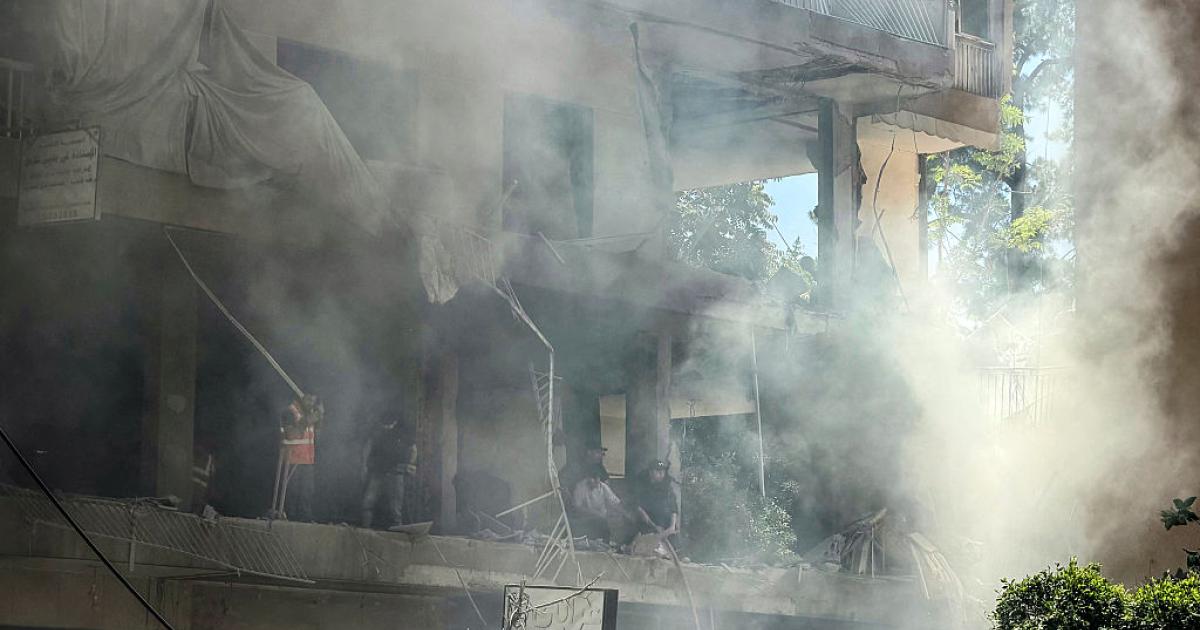
Reports revealed civilian casualties as a result of military operations, with dozens of Iranian children killed by an American missile that missed its target in one of the strikes. The newspaper accused the US administration of attempting to mislead global public opinion about this incident, which weakened confidence in Washington's official narrative about the course of the battles.
Despite the criticism, sources acknowledged limited tactical successes resulting from previous pressures, as successive sanctions and military strikes weakened Iran's defensive capabilities. The value of the Iranian currency sharply declined, and the regime lost a number of its leaders and nuclear scientists in operations targeting its infrastructure.
However, Trump's declared ambitions went beyond mere containment, as he called on the Iranian people for a 'hour of freedom' and demanded the unconditional surrender of the regime. Nevertheless, the White House has not yet begun to explain the realistic mechanisms for achieving these promises, amid accusations that the ambiguity surrounding the situation is not a tactic but evidence of a lack of vision.
The first strategic problem arises from Washington repeating historical mistakes made in Vietnam and Afghanistan, by assuming that regime change is an easy process. Sources confirm that air power alone is not enough to overthrow a controlling government, and that betting on the defection of security forces or the movement of minorities has not yielded tangible results so far.
The nuclear file poses the biggest challenge, as Iran's stockpile of highly enriched uranium remains intact within fortified facilities under the mountains in Isfahan. Reports warned that ending the war without controlling this stockpile would give Tehran a greater incentive to acquire nuclear weapons as a reaction to the military humiliations it suffered.
In the same context, Secretary of State Marco Rubio acknowledged that controlling nuclear materials might require ground troop intervention, an option that Trump seems to be avoiding focusing on currently. This divergence in positions within the administration reflects the extent of confusion in dealing with the most dangerous files of the ongoing conflict in the Middle East.
Economically, the war caused a global crisis after oil prices rose by more than 40% due to threats to shipping traffic. Iran succeeded in carrying out its threats to disrupt ships in the Strait of Hormuz, a scenario that senior military advisors had warned about before the start of military operations.
Sources indicated that Trump's reactions to the economic crisis were characterized by confusion, as he eased sanctions on Russia in a move described as a 'gift to an adversary.' He also resorted to seeking military assistance from countries he constantly criticized, such as China and his allies in Europe and East Asia, to secure waterways.
Despite the possibility of field surprises, such as a sudden collapse of the Iranian regime similar to what happened in Syria in late 2024, initial indicators are not reassuring. Behind-the-scenes planning in the White House is described as reckless, especially with the disregard for coordination with Congress or international allies.
The newspaper concludes its analysis by noting that Trump has tried throughout his career to create a virtual reality that serves his interests and ignores uncomfortable facts. But in the case of war, field realities impose themselves strongly, as political marketing cannot cover up the absence of an effective military strategy.
The question remains about how the United States will exit this confrontation without sliding into a long-term war of attrition. The current reality indicates that the grand promises made by the US President clash with the complexities of geography, politics, and economics that were not taken into account before the first shot was fired.
War is less susceptible to manipulation than politics or marketing, and the early reality of this confrontation does not align with Trump's exaggeration.
Share your opinion
New York Times: Trump faces a strategic dilemma in his war against Iran, and the absence of vision threatens the global economy