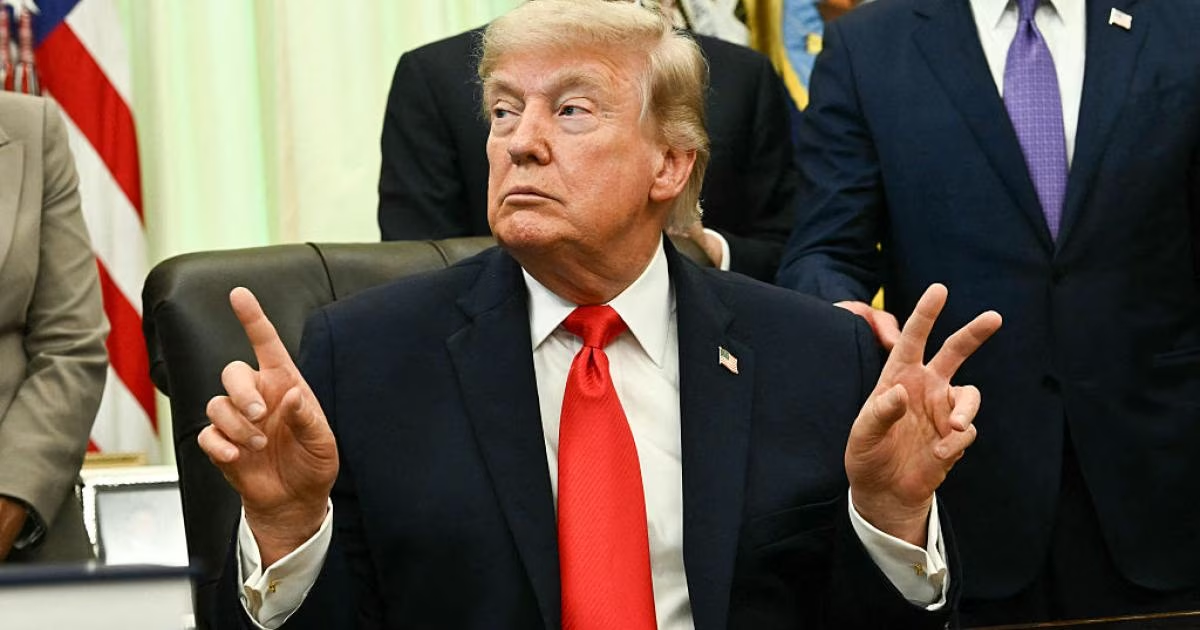







Media sources revealed a state of intense anger felt by US President Donald Trump towards Israeli Prime Minister Benjamin Netanyahu, following the aerial raid carried out by the occupation army on the southern suburb of Beirut. Trump confirmed in phone calls and press statements that this attack caused a disruption to a precise timeline for signing a historic agreement with the Islamic Republic of Iran.
The US President clarified that the agreement with Tehran is still in place and on track, expecting it to be signed electronically within two to three hours from now. He indicated that the Israeli strike did not cancel the agreement, but rather delayed it for a few hours at a time when the world was anticipating an official announcement that would end decades of tension.
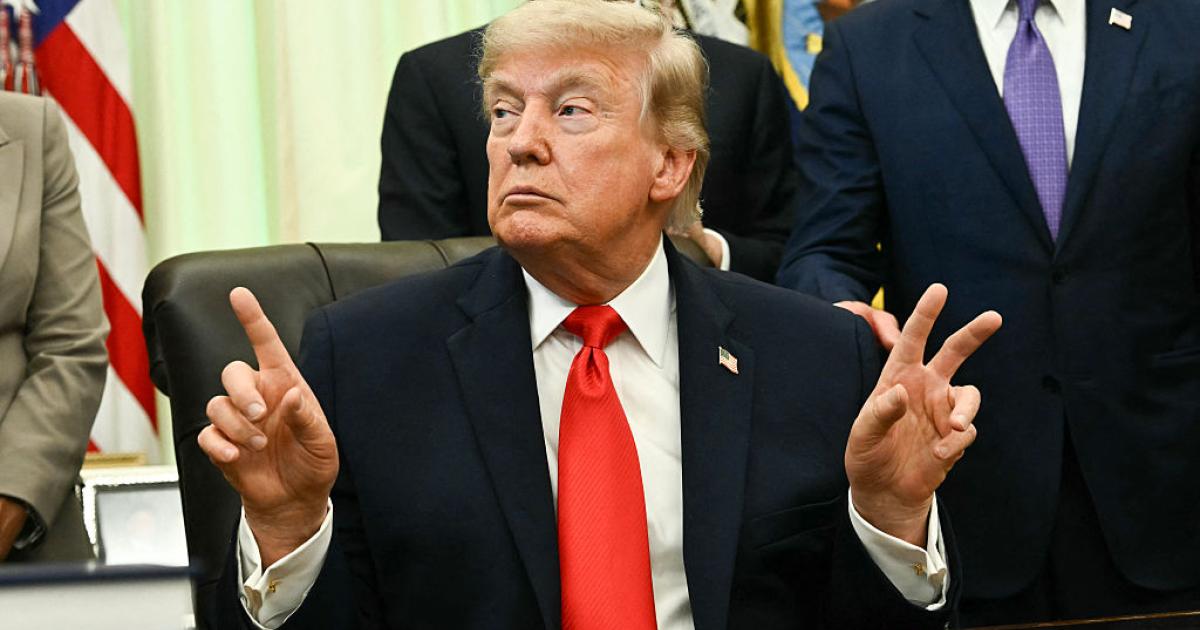
Trump described the timing of the Israeli attack as 'extremely bad,' expressing his astonishment at Netanyahu's decision to make this move just one hour before the scheduled signing of the framework agreement. According to informed sources, Trump used harsh and expletive language in his description of Netanyahu, expressing his displeasure at the Israeli leadership's lack of 'good judgment' in this sensitive circumstance.
In a related context, sources stated that the US administration is closely monitoring the field and political repercussions of the raid that targeted a residential building in Beirut. Trump affirmed that he would directly request the Iranian leadership to exercise restraint and not respond to the Israeli strikes that targeted sites linked to Hezbollah, to ensure that the ongoing understandings do not collapse.
For his part, Trump stressed via his 'Truth Social' platform that the Beirut attack should not have happened, especially given the intensive efforts to reach what he described as a 'peace agreement' with Iran. He added that this agreement would achieve comprehensive stability in the region, including the Lebanese arena, calling on all parties for an immediate ceasefire to allow for diplomacy.
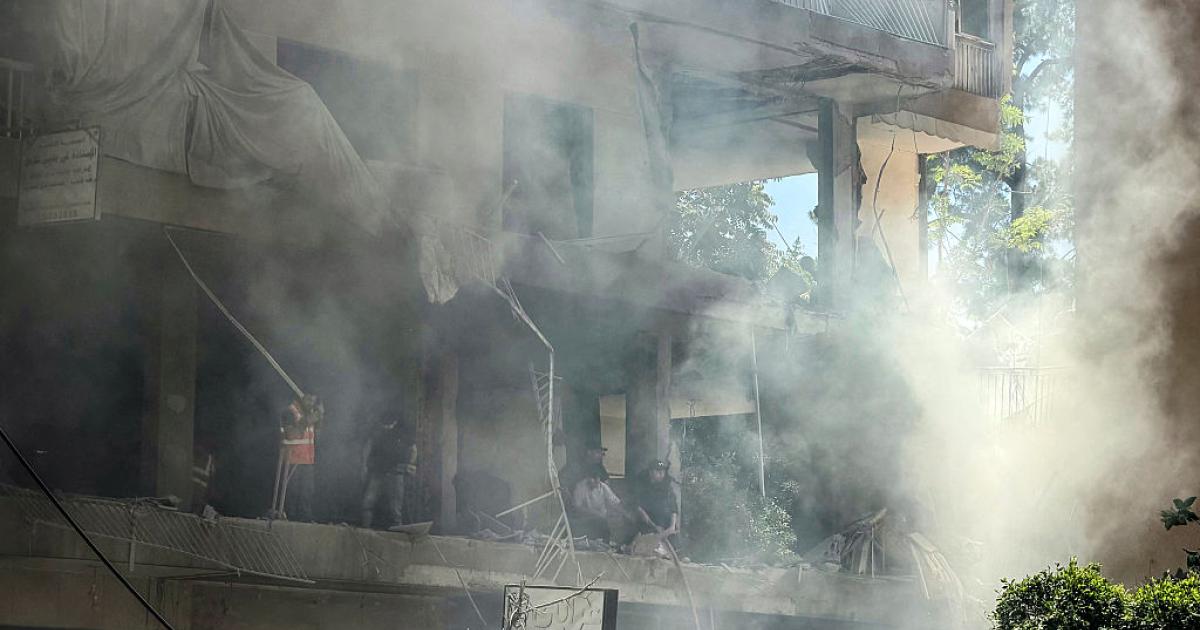
On the ground, the Israeli raid on Beirut's southern suburb resulted in the martyrdom of three people and the injury of others, according to Lebanese civil defense teams. The occupation authorities justified the attack as a response to the infiltration of three Hezbollah drones into Israeli airspace, which Tehran considered an escalation that would not go unpunished.
In the first official Iranian reaction, Mohammad Jafar Asadi, Deputy Commander of the Central Operations Room of the Iranian Armed Forces, stated that the Israeli aggression against Lebanon would not go unanswered. These statements come at a sensitive time when Washington and Tehran are trying to finalize a draft agreement that would end hostilities and open new horizons for bilateral relations.
In turn, Iranian President Masoud Pezeshkian affirmed that Iranian state institutions are working with a unified vision aimed at protecting national interests and preserving state sovereignty during the negotiation process. Despite the field escalation, it appears that the Iranian leadership remains committed to the negotiation path, which may lead to tangible results in the coming hours.
In contrast, Iranian Parliament Speaker Mohammad Bagher Ghalibaf questioned the seriousness of the American commitment to peace efforts, considering that the Israeli attack reflects a contradiction in positions. Observers believe that these statements reflect the extent of internal pressures facing the Iranian government to balance military response and the anticipated political gains from the agreement.
Press reports quoted Israeli officials as saying that Netanyahu strongly opposes any American-Iranian rapprochement, fearing that it would ease pressure on Tehran and enable it to support its allies in the region. It appears that the recent Israeli military action was aimed, in part, at sending a clear message of objection to the path Trump is taking.
Political assessments in Washington indicate a sharp division within American circles regarding the current Israeli government's policies and their impact on US national security. A team of advisors believes that Netanyahu's actions have become a burden on Trump's ambitions to achieve a 'grand bargain' in the Middle East before the end of his term.
Despite the escalating tension, the US President insists on describing this day as 'exceptional and important,' expressing great optimism about the possibility of overcoming the obstacle of the Beirut raid. Trump is betting on his ability to convince the various parties that lasting peace is the only option available to avoid a comprehensive regional war that no one desires.
Global capitals are awaiting the outcome of the coming hours, as a joint statement is expected to announce the details of the American-Iranian understandings. The success of this agreement, if signed, would be a major strategic shift that redraws the map of alliances in the region, despite continuous field obstruction attempts.
The Beirut attack should not have happened this morning, especially on a special day when we are close to reaching a peace agreement with Iran.
Share your opinion
Trump harshly attacks Netanyahu: Beirut raid delayed a historic agreement with Iran that was to be signed within hours