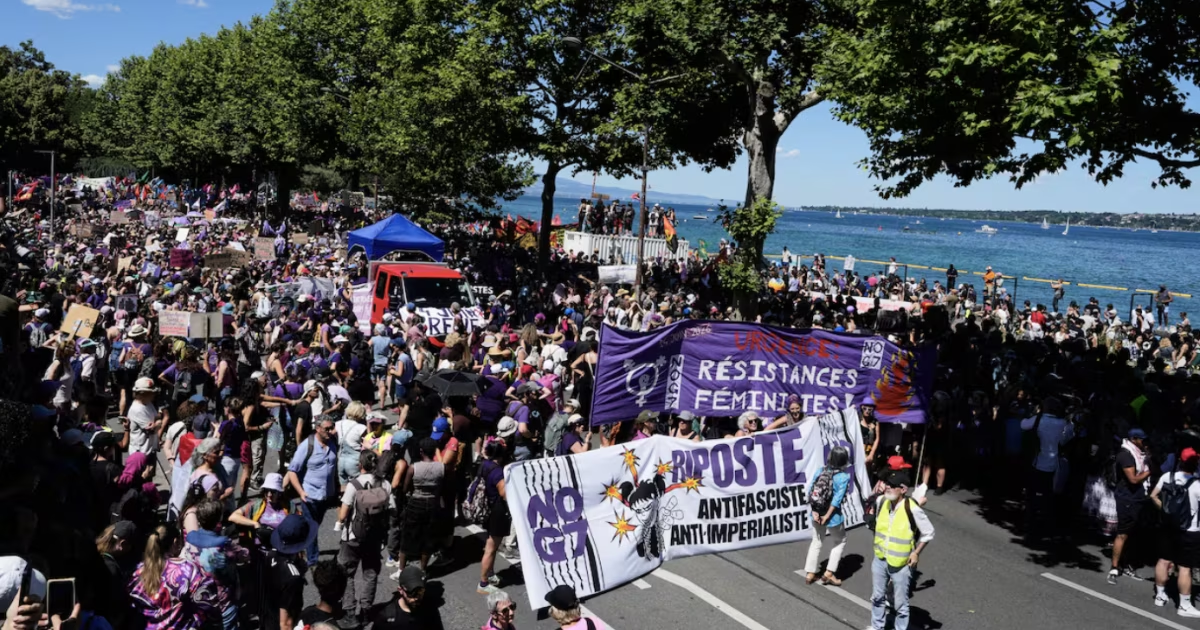







The streets of the Swiss city of Geneva turned into an arena for open confrontations between security forces and thousands of protesters, who gathered on the eve of the G7 summit in the neighboring French city of Evian. Approximately 15,000 demonstrators participated in the massive marches, expressing their categorical rejection of the economic and political policies pursued by the major powers in the world.
Participants in the demonstration, which started from a park on the shores of Lake Geneva, raised banners denouncing 'imperialist alliances' and calling for the cancellation of the summit, amidst an intensive security presence that included continuous helicopter flights and the erection of iron barriers at vital city junctions. An atmosphere of extreme tension prevailed, fearing a repeat of the violence scenarios witnessed in the region in previous years.
The protesters' demands were not limited to economic issues; voices resonated with chants supporting the Palestinian people, condemning the occupation and international policies towards the Middle East. Slogans also included issues of climate justice, women's rights, and opposition to global capitalism, which demonstrators believe increases the poverty gap in the world.
Field sources reported that violent clashes erupted around the United Nations headquarters, where police used tear gas to disperse groups of protesters. This security response came after demonstrators pelted forces with stones, bottles, and firecrackers in an attempt to breach the imposed security cordons.
Buildings belonging to international companies and technology organizations were attacked, including the headquarters of 'PricewaterhouseCoopers' and the International Telecommunication Union, where protesters smashed glass facades. These targeting reflect the anger towards institutions that demonstrators consider arms of the global financial system represented by the G7.
The 'No to G7' alliance, which includes dozens of trade unions and leftist associations, condemned what it described as 'fascism and imperialism,' calling for a popular international response to confront the leaders' decisions. The alliance affirmed that the policies proposed at the summit serve only the interests of political and financial elites at the expense of oppressed peoples.
As a precautionary measure, major stores, theaters, and university buildings in Geneva covered their facades with wooden panels, in anticipation of looting or vandalism that might affect properties. The city's main hospital also declared a state of alert and set up field tents to receive any injuries that might result from the ongoing clashes.
Swiss police confiscated quantities of what they described as dangerous tools, including knives, axes, gas canisters, and highly explosive fireworks found in the possession of some groups. Authorities affirmed that they would not allow a repeat of the 2003 events, which caused massive material losses estimated at millions of dollars due to riots.
For her part, the Swiss Security Minister, Carole Anne Kast, criticized the strict French measures that prevented the holding of a 'counter-summit' on its territory, which led to the concentration of protests on the Swiss side. She said that the lack of sufficient coordination to create conditions for dialogue and a popular forum contributed to escalating the tension in the streets.
On the political front, this summit comes at a very sensitive time, as it is the first major international gathering since the escalation of military tensions in the Middle East earlier this year. The issue of war and its repercussions on the global economy is expected to dominate the discussion tables among the seven leaders and invited guests.
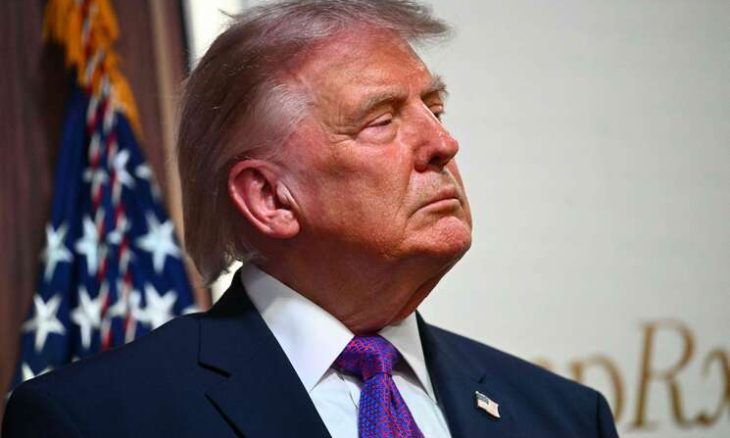
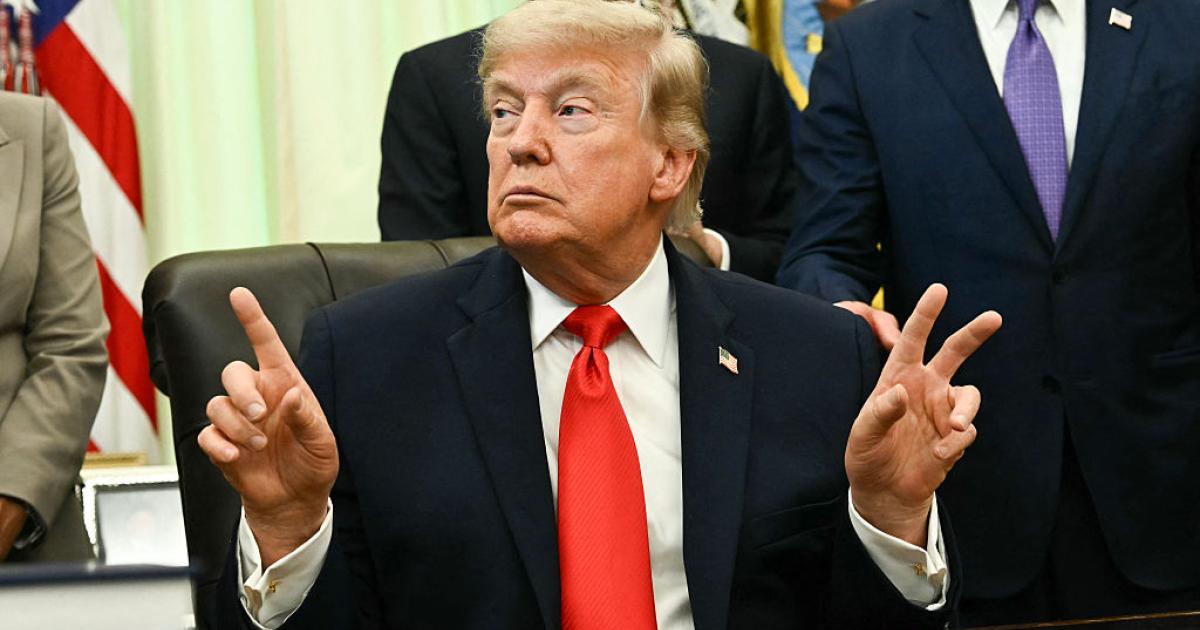
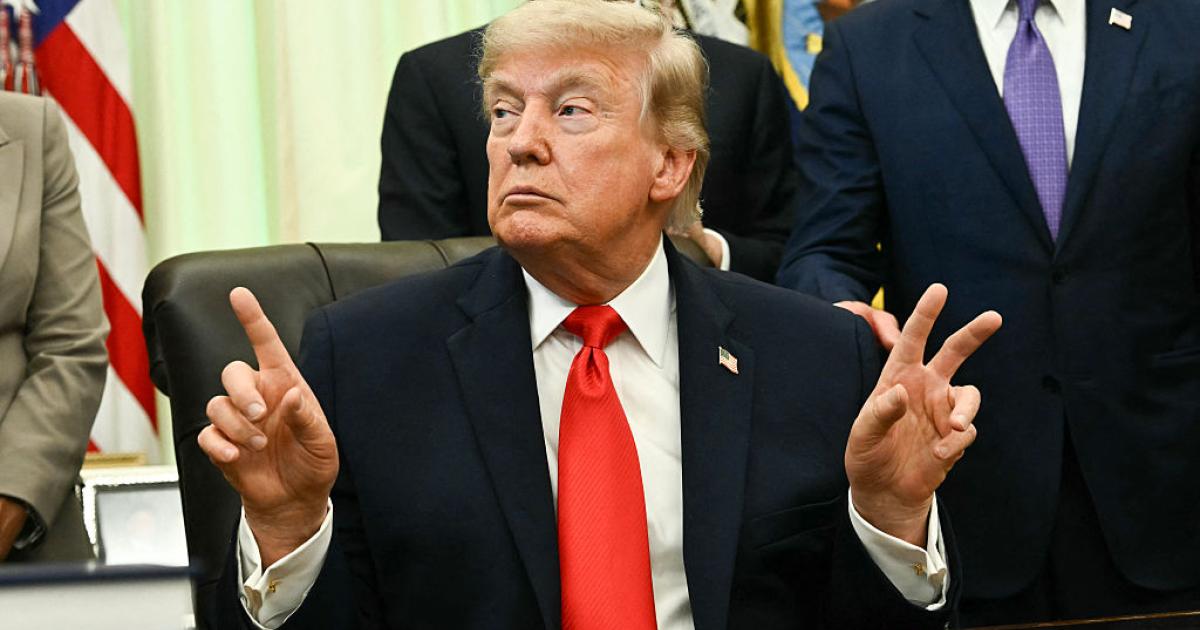
Leaders from the United States, France, Britain, Germany, Italy, Canada, and Japan are participating in the Evian summit, in addition to leaders from emerging countries such as Brazil and India. French President Emmanuel Macron is scheduled to arrive at the summit venue on Sunday evening, followed by the arrival of US President Donald Trump and the rest of the leaders.
The summit agenda includes thorny issues, most notably an attempt to reach an agreement to end the war with Iran and re-secure navigation in the strategic Strait of Hormuz. The US President stated before his arrival that the parties are 'very close' to an agreement, despite international skepticism about the possibility of a quick diplomatic breakthrough.
In the streets of Geneva, camera lenses captured groups wearing black clothes and masks, who set fire to a 'Tesla' electric car and wrote anti-rich slogans on it. Despite these isolated incidents, the organizers of the demonstration insisted that the general nature of the protest remains peaceful and celebratory, aiming to convey a clear political message.
To ensure the security of the summit, Switzerland deployed about 4,000 soldiers to support the local police, while France mobilized nearly 16,000 personnel from various security and military agencies. The border region between the two countries is in a state of maximum alert to secure international delegations and ensure that protesters do not reach the summit area.
No to the G7 summit and all imperialist alliances... thwart the summit of the powerful that ignores the rights of peoples and the climate.
Share your opinion
Clashes in Geneva Ahead of G7 Summit: Thousands of Protesters Denounce 'Imperialism' and Support Palestine