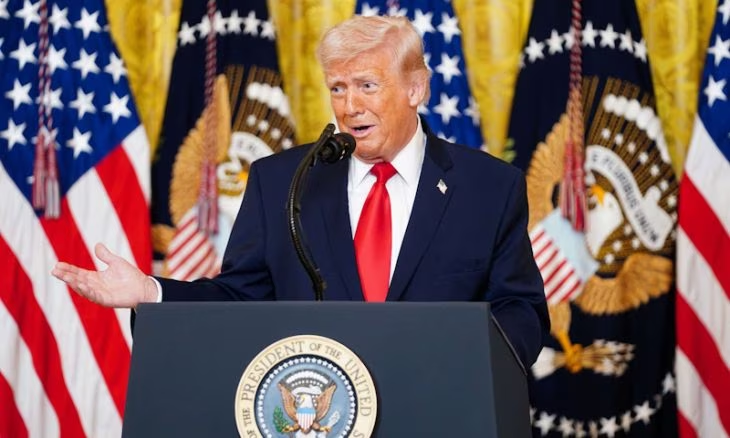







In a recent editorial, the 'Financial Times' asserted that US President Donald Trump is systematically undermining the United States' national security apparatus. The newspaper explained that Washington's recent war on Iran did not undergo the usual stress tests and scrutiny that precede major military decisions, raising questions about the efficacy of these moves.
The newspaper pointed out that Trump engaged in a military confrontation with Tehran without a strategic objective or a clear post-strike plan. This unilateral decision-making and proceeding without sufficient consultation raise major question marks about the effectiveness of constitutional oversight over the president's war-making powers at present.
The editorial believes that resorting to military action should be a last resort after exhausting all diplomatic avenues and possible alternatives. However, the current administration has not only ignored alternatives but has deliberately stripped itself of the tools and expertise necessary to understand the complexities of the regional landscape and achieve its political goals.
These policies, according to the newspaper, have left the US security apparatus in a state of weakness and confusion, negatively impacting the country's ability to manage conflicts. The main reason for this is the administration's pursuit in its second term to eradicate any dissenting voice within national security institutions, prioritizing blind ideological loyalty over professional competence.
American institutions witnessed a widespread wave of dismissals, including thousands of experienced diplomats and civil servants. With their departure, the country lost a significant portion of its institutional memory and specialized knowledge necessary to avoid falling into the trap of wrong decisions and inaccurate intelligence assessments.
This trend was clearly evident in the Iranian nuclear file, where Trump entrusted sensitive negotiations to his envoy Steve Witkoff and his son-in-law Jared Kushner. Despite both lacking any technical background or experience in nuclear affairs, they chose to proceed with negotiations without consulting federal experts specializing in this complex field.
At the State Department, the Under Secretary of State under Marco Rubio dismissed more than 1,300 employees last July in a wide-ranging purge of experts. These dismissals particularly focused on specialists in Middle Eastern affairs, creating a huge knowledge gap at a critical time for the region.
It didn't stop there; the US President recalled about 30 ambassadors last December, leaving Washington with 80 vacant diplomatic posts around the world. These vacancies included allied and pivotal Gulf countries such as Saudi Arabia, Qatar, and the UAE, countries that had been urging Washington to exercise restraint towards Tehran.
In contrast, US Ambassador Mike Huckabee stands out as a fierce defender of Israeli Prime Minister Benjamin Netanyahu's policies in the region. This appointment reflects a clear bias that prioritizes narrow interests over the diplomatic balance required to de-escalate rising regional tensions.
Regarding the administration's structure, Marco Rubio has held the positions of Secretary of State and National Security Advisor simultaneously since last May. Observers believe that merging diplomatic duties with intelligence coordination has led to a lack of thorough scrutiny of military options and the marginalization of the National Security Council's role.
Despite the technical strength of US military strikes, the newspaper points to a lack of planning to confront worst-case scenarios, such as Iran closing the Strait of Hormuz. This strait is the world's oil lifeline, and any disruption there would lead to catastrophic economic repercussions that the administration has not shown sufficient preparedness to face.
At the Department of Defense (Pentagon), Pete Hegseth led a campaign to reduce the workforce, including the dismissal of military judges responsible for legal review of combat orders. The role of the Office for the Protection of Civilians was also curtailed, reflecting a desire to remove any legal or ethical obstacles to the use of excessive military force.
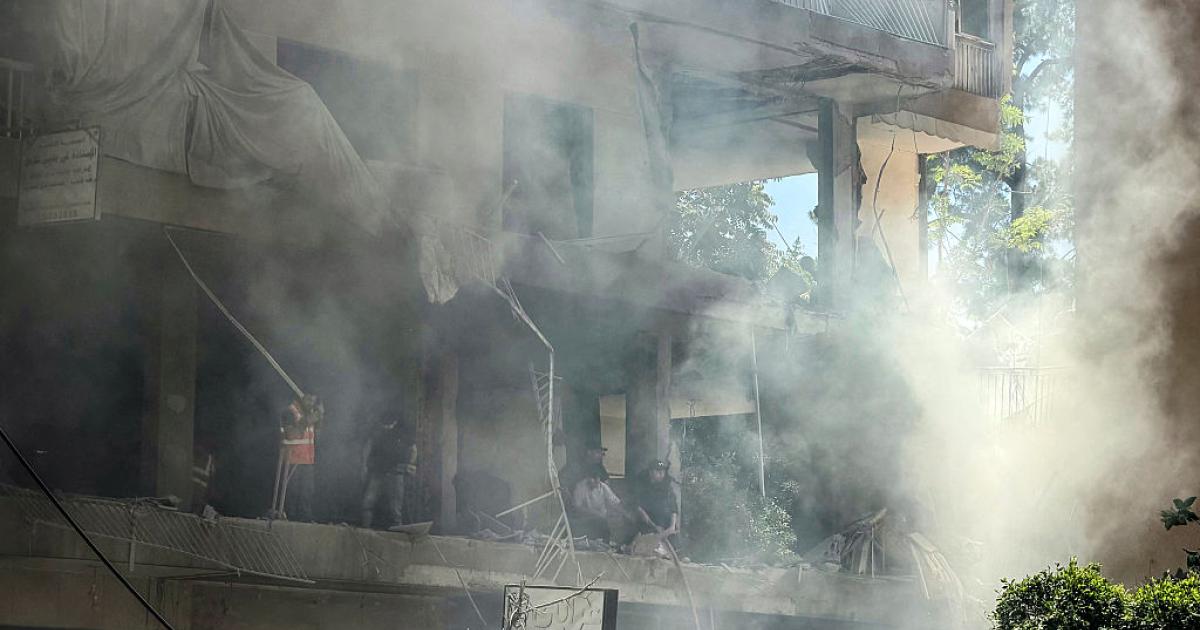
Reports indicate that this approach may be responsible for civilian casualties in Iran, including a missile strike that targeted a girls' school. Critics believe that the focus on the 'warrior spirit' and the marginalization of civilian protection standards have led to a tragic increase in the number of non-combatant casualties during recent operations.
The 'Financial Times' concluded that Trump has openly adopted the principle of 'might is right,' disregarding the rules of international law that Washington claimed to uphold. It affirmed that this frantic pursuit of freedom from military and legal constraints has ultimately weakened the United States' ability to use its power wisely and effectively.
Trump's adoption of the 'might is right' principle has weakened the United States' ability to effectively use its influence and harmed its long-term national interests.
Share your opinion
Financial Times: Trump's 'Might is Right' Policies Undermine US National Security