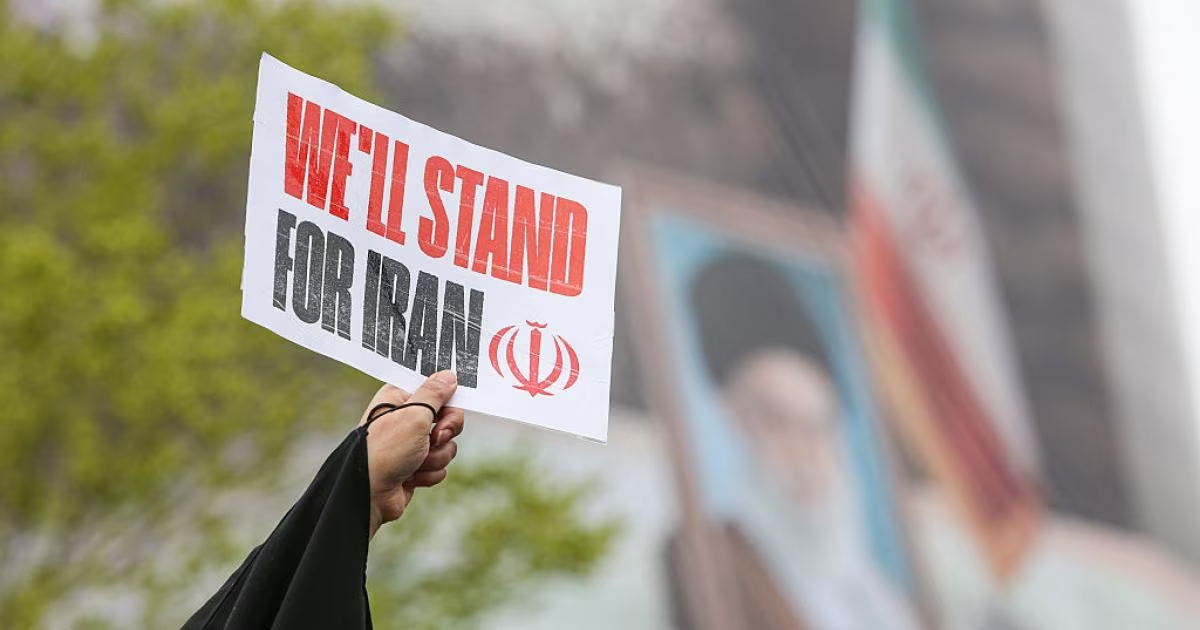







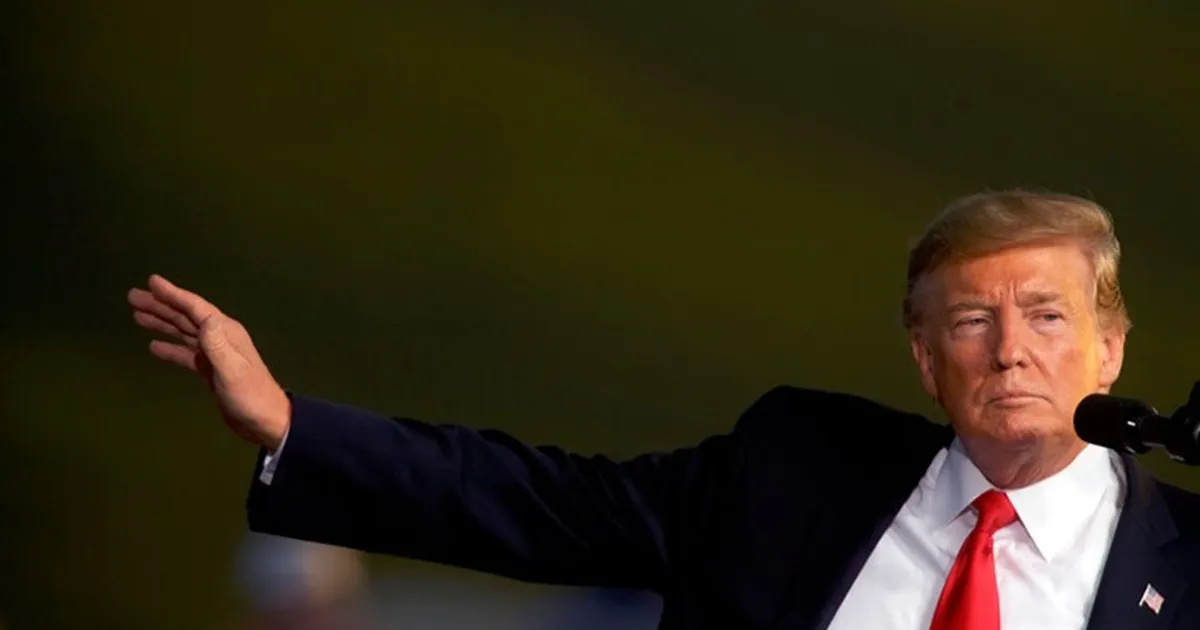
US President Donald Trump expressed his conviction in the Iranian people's ability to act to overthrow the ruling regime in Tehran, considering that current military pressures may pave the way for this transformation. Trump explained in radio statements that the absence of weapons among civilians represents a major obstacle at present, which may delay the expected results of this popular movement.
Regarding the nuclear file, Trump indicated that Washington does not prioritize seizing Iranian uranium at this stage, but he did not rule out focusing on this goal in the future. These statements come at a time when the region is witnessing unprecedented escalation, including targeting vital sites and high-ranking leaders in the Iranian regime's structure.
For his part, Israeli Prime Minister Benjamin Netanyahu expressed reservations about the speed of the regime's collapse in Tehran, emphasizing his uncertainty about it happening in the foreseeable future. Tel Aviv is currently adopting a dual strategy aimed at weakening security forces and the regime's infrastructure, to reduce obstacles to any potential internal protests that may erupt in the Iranian street.
Informed sources indicate that the Israeli leadership places the uranium file at the top of its priorities, with hints of operational surprises that may include elite units. Security circles in Tel Aviv are studying three scenarios for dealing with nuclear reactors, ranging from concentrated air strikes to swift ground operations by commando forces.
On the ground, media reports revealed the extent of the widespread destruction caused by recent attacks, with about 9,000 targets inside Iranian territory being hit during the first ten days of the confrontation. This figure represents a huge leap compared to previous rounds of escalation, reflecting a desire to completely and quickly cripple Iranian military capabilities.
In contrast, Tehran is adopting an asymmetric warfare strategy to exhaust the Washington-led coalition, exploiting the large differences in the cost of military equipment. While the cost of an Iranian drone is a few thousand dollars, air defenses are forced to use interceptor missiles worth millions of dollars, raising the cost of daily American operations to about one billion dollars.
International concerns extend to global energy security, as the Strait of Hormuz represents a strategic pressure card in Iran's hand, being a passage for 20% of global oil supplies. Sources reported that Tehran aims, by prolonging the conflict, to drain the massive US military budget and use the 'alliance trap' to destabilize the financial stability of countries participating in military operations.
Israel faces a strategic dilemma in balancing intense military pressure with avoiding a comprehensive regional war whose consequences cannot be controlled. Intelligence agencies are closely monitoring any signs of a return of popular demonstrations, considering that weakening the grip of the Revolutionary Guard is the real key to changing the political equation in Tehran, away from traditional military solutions.
In conclusion, the diplomatic path remains an option, although its chances of success have diminished amid continued mutual shelling and targeting of vital interests in the region. With the parties adhering to their positions, the confrontation appears to be heading towards further escalation, awaiting the results of economic and military pressures on the structure of the Iranian regime and its ability to withstand.
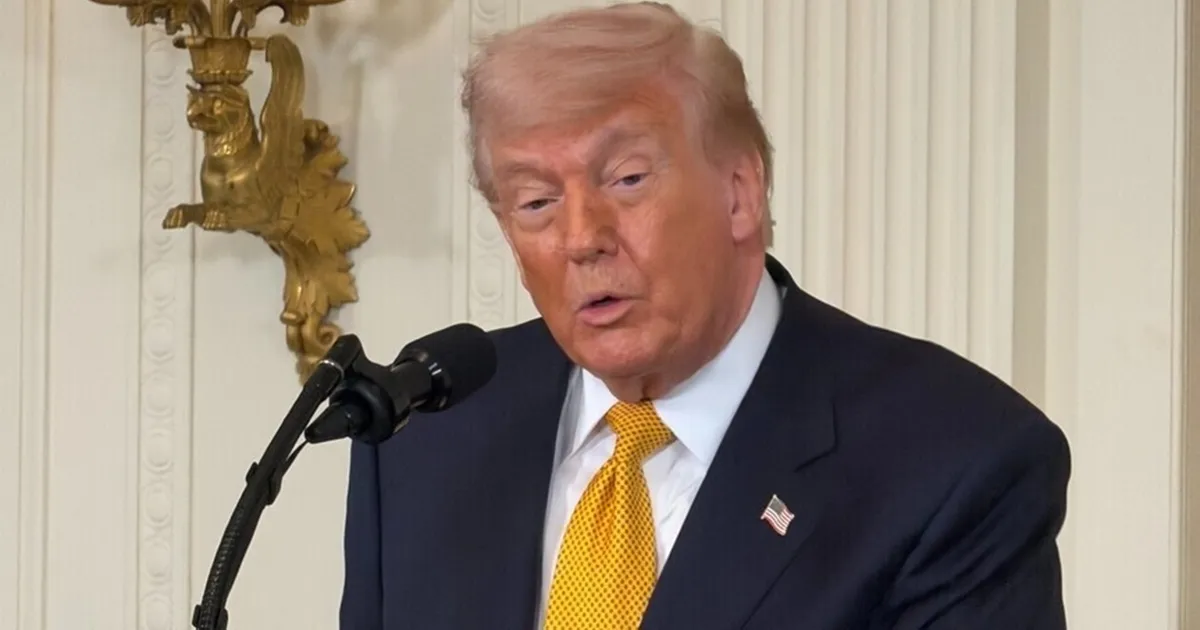
I really think it's a big obstacle that is difficult to overcome for those who don't have weapons.. that (the fall of the regime) will happen, but perhaps not immediately.
Share your opinion
Between betting on popular movement and military action.. Trump's and Netanyahu's strategies to confront Iran