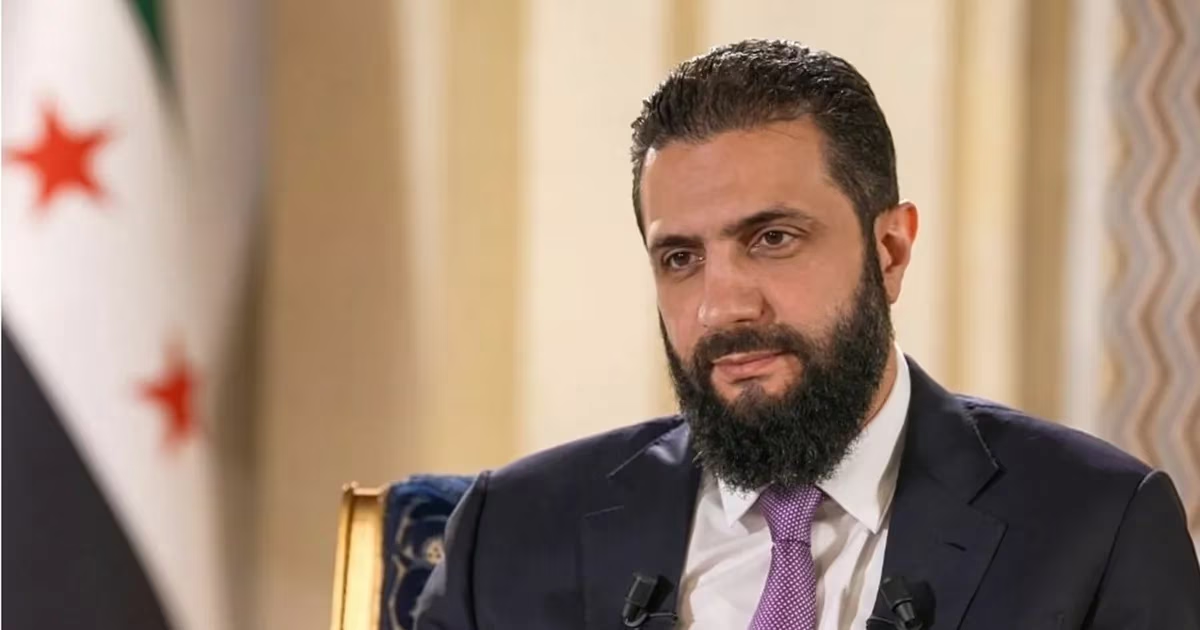







The Coordination of the Islamic Resistance in Iraq, which includes an alliance of armed factions, issued a strongly worded statement addressed to Syrian President Ahmed Al-Sharaa. In its statement, the Coordination warned against any military movement targeting Lebanese territories, indicating that such a step would be met with a decisive and unprecedented response.
The Iraqi factions considered any Syrian military activity towards Lebanon as a clear declaration of war on all parties of what is known as the 'Axis of Resistance'. They stressed that this warning represents the final ultimatum to the Syrian leadership to avoid sliding into a direct confrontation that could ignite a widespread regional conflict that cannot be controlled.
The statement indicated that any hostile movement towards Lebanon, regardless of the justifications given, would be viewed as an act coordinated with international powers and the Israeli occupation. Sources confirmed that the Iraqi Resistance is closely monitoring field movements and will not hesitate to turn the region into an open battlefield if the red lines are crossed.
These developments come amid escalating regional tensions, as Iraqi factions with close ties to Iran are active within the strategy of unity of fronts. These forces have expressed their full readiness for direct military intervention if the scope of the confrontation expands to include new parties in the ongoing conflict in the region.
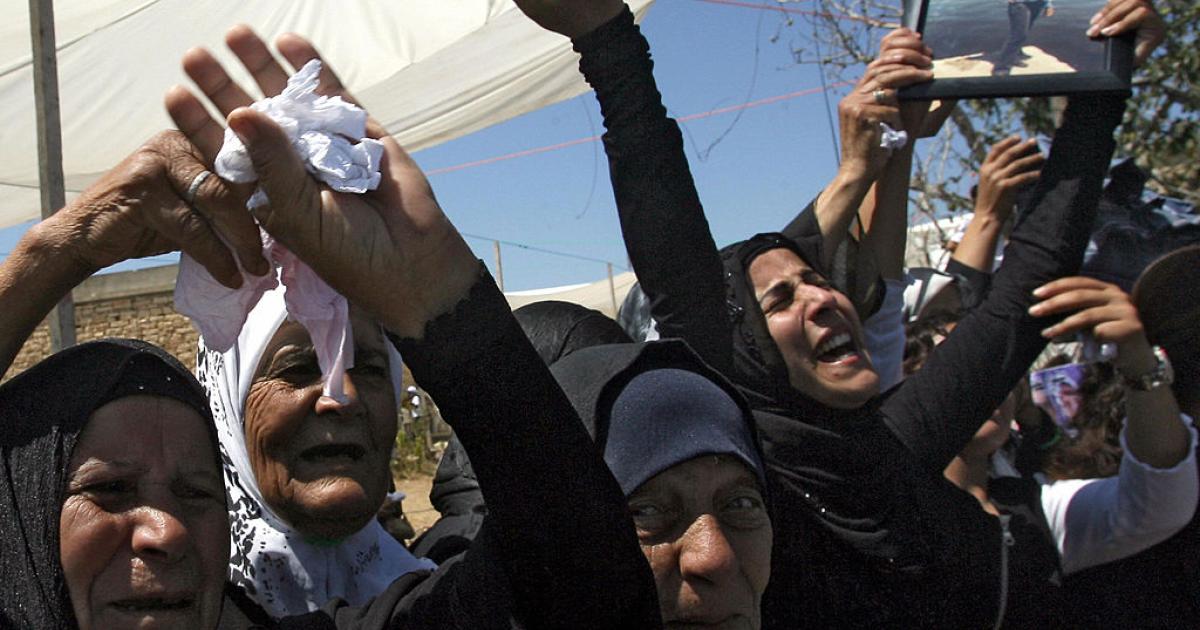
On the ground, Israeli military attacks continued in various areas of Lebanon, leading to significant human and material losses among civilians. According to data issued by the Lebanese Ministry of Health, recent raids caused a number of casualties, further complicating the security and humanitarian situation on the ground.
In a related context, the United Nations witnessed a prominent diplomatic move, as the Security Council approved a draft resolution condemning recent Iranian missile attacks. The resolution targeted condemnations related to strikes that hit Gulf countries hosting American military bases, considering them a threat to regional security and stability.
The draft resolution, submitted by the Kingdom of Bahrain on behalf of the Gulf Cooperation Council, was supported by 13 out of 15 Security Council members. In contrast, both Russia and China chose to abstain from voting, reflecting a divergence in international positions on how to deal with the recent Iranian escalation in the region.
Regional parties criticized the formula of the UN resolution, as it focused exclusively on Iranian attacks without addressing military operations carried out by the United States or Israel. Observers believed that this approach gives the resolution a unilateral character, as it ignores strikes that targeted Iranian depth and interests linked to Tehran in neighboring countries.
It is worth noting that the draft resolution received widespread support outside the Security Council, with more than 130 member states of the United Nations General Assembly endorsing it. The move came on behalf of the Gulf Cooperation Council countries, which include Saudi Arabia, the UAE, Qatar, Kuwait, and Oman, in addition to the Hashemite Kingdom of Jordan, reflecting a relative Arab and international consensus.
The region is in a state of maximum alert with the intertwining of military and political fronts, where the direct conflict between Iran and the Israeli occupation intersects with internal issues in countries such as Syria and Lebanon. International powers fear that any miscalculation on the ground could lead to a comprehensive explosion affecting energy sources and international shipping lanes.
Amid these threats, concerns arise about the transformation of Syrian territories into a launching pad for military operations that may target Lebanese depth or vice versa. Field reports confirm that armed factions in Iraq have already begun to strengthen their presence and operational coordination with their allies in the region to confront any emergency scenarios that political shifts in Damascus may impose.
For its part, the Syrian presidency did not issue an immediate official response to the threats of the Iraqi Resistance, but the political atmosphere indicates a state of cautious anticipation. The Syrian government faces increasing pressure to balance its regional and international relations in light of the rapid changes that followed recent developments in the power structure in Damascus.
On the humanitarian front, international organizations warned that the expansion of the war to directly include Iraq, Syria, and Lebanon would lead to an unprecedented catastrophe. International calls for restraint and recourse to diplomatic solutions continue, although the language of military threat has become dominant in the official discourse of conflicting factions and regional powers.
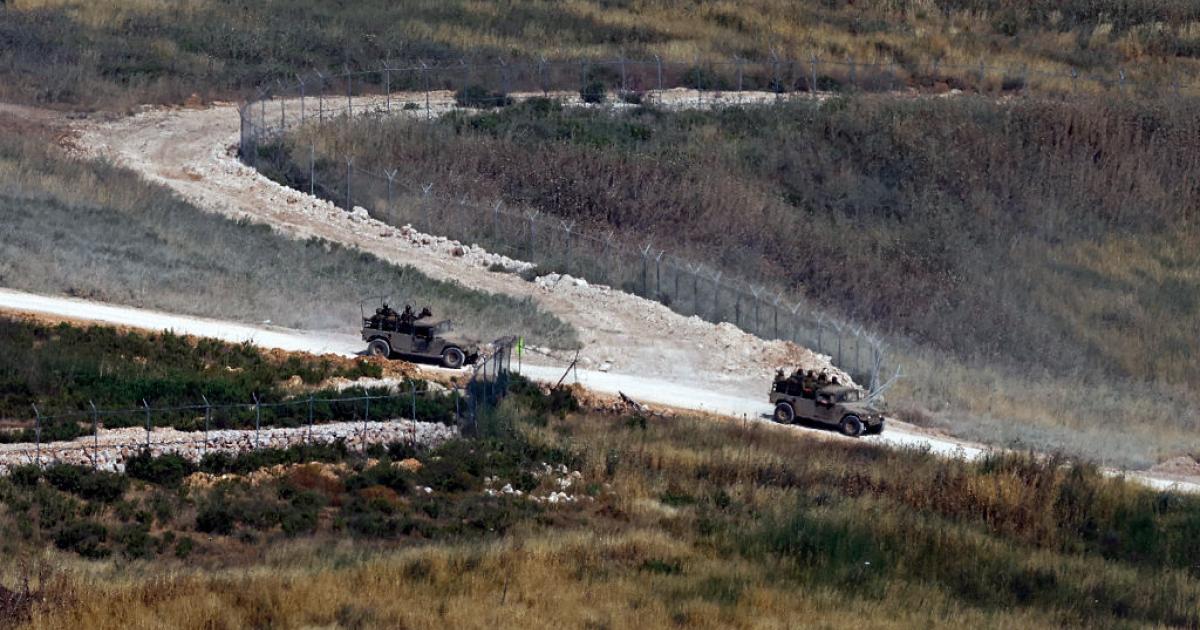
In conclusion, the scene remains open to all possibilities, awaiting what the coming days will bring in terms of movements on the ground or political initiatives behind the scenes. All eyes remain on the Lebanese-Syrian border, which has become a focal point in the escalating geopolitical conflict between major powers and their allies in the Middle East.
Any hostile movement towards Lebanese territories, whatever the pretexts, will be considered an all-out declaration of war that turns the region into an open battlefield.


Share your opinion
Iraqi Resistance warns Al-Sharaa against moving towards Lebanon, considers it a declaration of all-out war