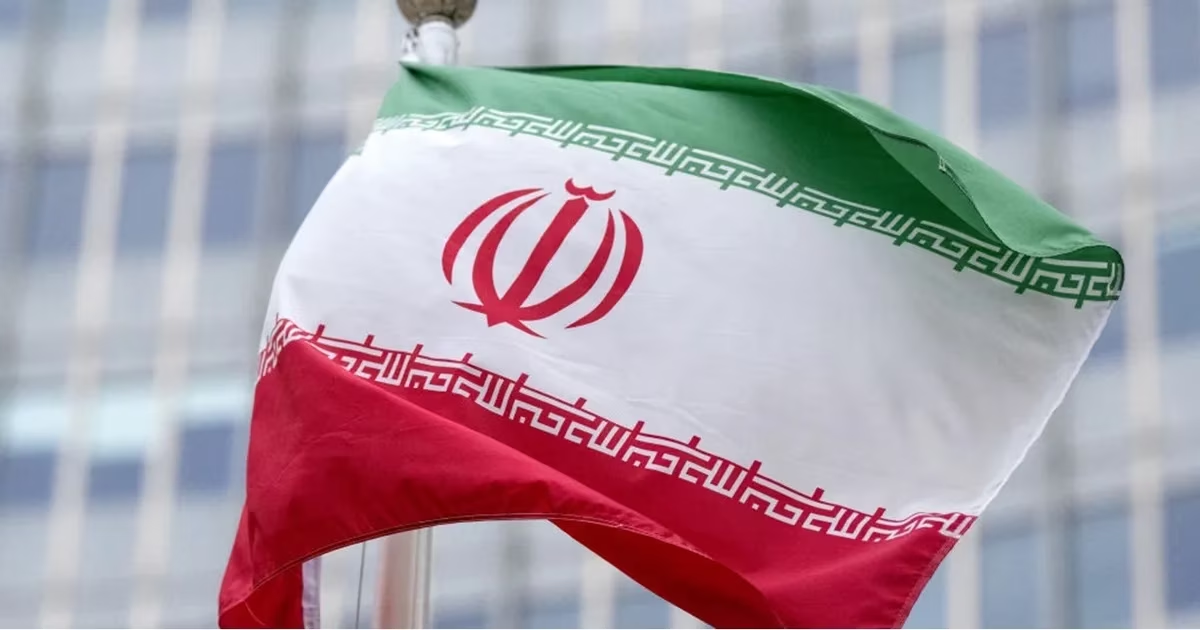







The 'Financial Times' affirmed in its editorial that US President Donald Trump faces real dilemmas in his attempt to find a way out of the war he has engaged in alongside Israel against Iran. The newspaper indicated that this conflict has put the Middle East in a state of severe turmoil, amidst the absence of a clear vision for the end.
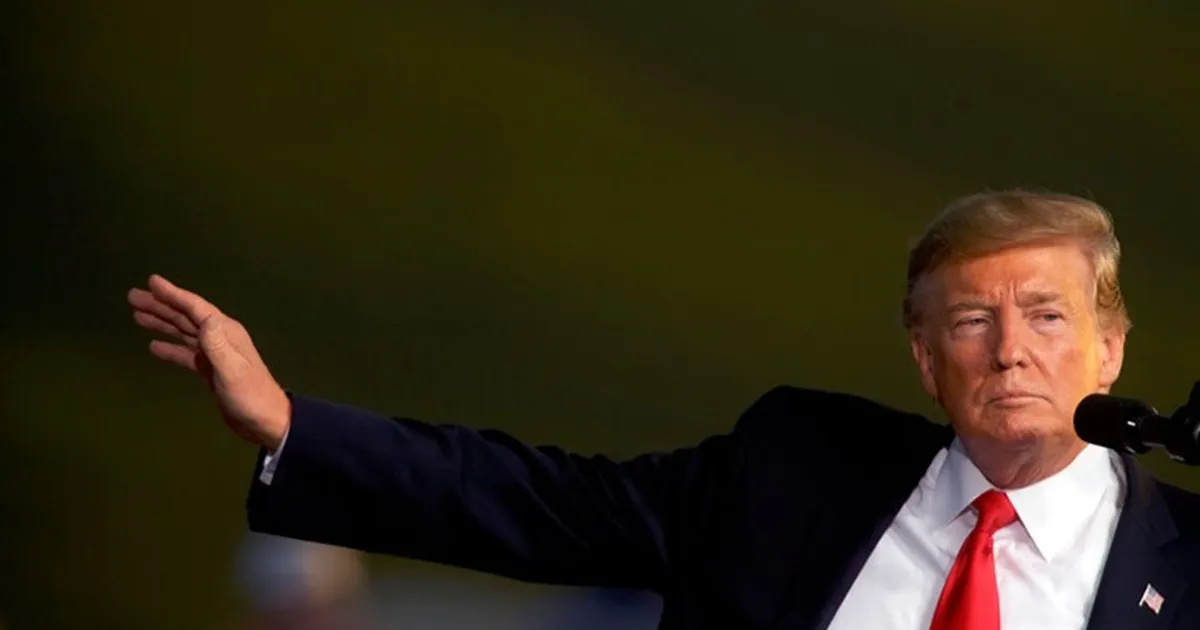
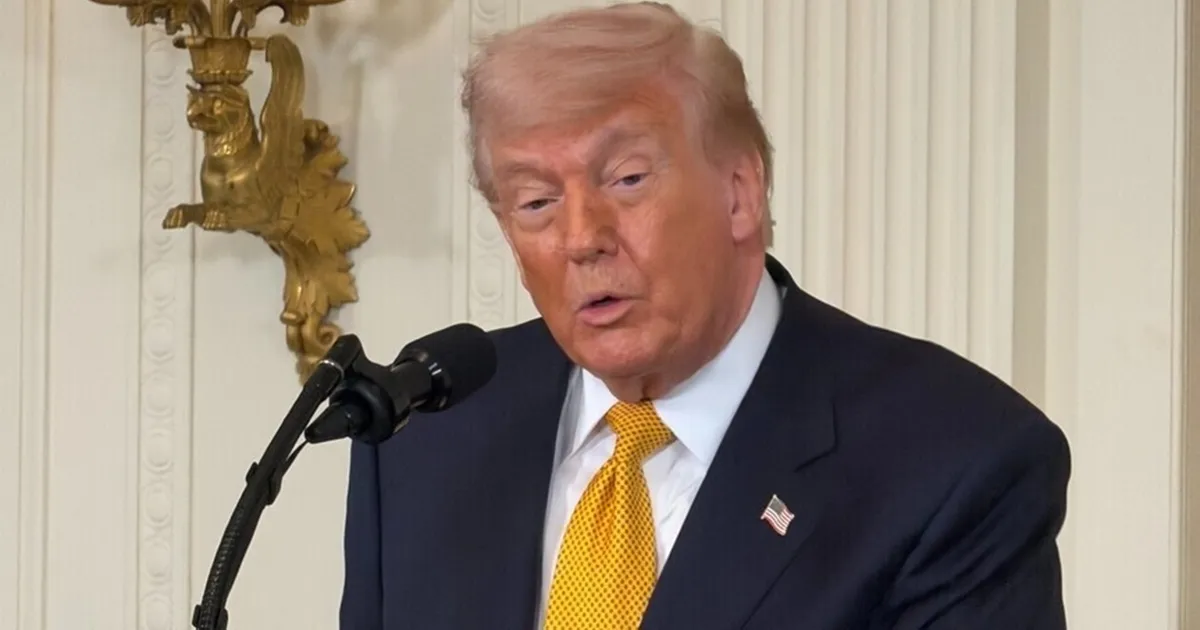
Trump has shown striking contradictions in his statements in recent days, hinting at times at his desire to stop military operations, describing the conflict as 'completely over.' These words immediately reflected on energy markets, as the price of a barrel of oil fell below $90 after touching the $120 ceiling.
However, the calm did not last long. As soon as financial markets closed, the US President returned to adopting an aggressive and hardline rhetoric, asserting that the United States would not back down until achieving a 'complete and decisive defeat' of the enemy. Trump considered the victories achieved so far insufficient, reflecting a state of confusion in crisis management.
The newspaper believes that these fluctuations confirm the American administration's recklessness with a devastating war launched at the direct instigation of Israeli Prime Minister Benjamin Netanyahu. Trump's behavior since the beginning of the conflict has been characterized by aggression and boasting, without providing decisive answers on how to end this major military confrontation.
The White House failed to formulate a clear set of strategic objectives or to develop a post-war plan, despite talk of destroying Iran's nuclear program and ballistic arsenal. Trump also put forward ambitious goals such as changing the leadership in Tehran, similar to the Venezuelan model, and demanding unconditional surrender.
Despite continuous bombing and the assassination of Supreme Leader Ali Khamenei and an elite group of leaders on the first day, the Iranian regime showed no signs of imminent collapse. Instead, Tehran quickly appointed Mojtaba Khamenei as his father's successor, a clear indication of the regime's continuity and its ability to adapt to the blows.
Iran is currently fighting an existential battle through an asymmetric attrition strategy it had prepared for for many years, expanding the battlefronts to include Washington's allies. Iranian missiles and drones continue to target Israeli depth and vital interests in the Gulf region, leading to a partial paralysis of trade movement.
Navigation in the Strait of Hormuz has been significantly affected, forcing Gulf countries to reduce their oil and gas production to confront security threats. These countries are now bearing the brunt of the conflict, despite their prior warnings to Trump about the risks of sliding into an uncontrollable, comprehensive regional war.
On the internal Iranian front, the bet on a popular uprising to overthrow the regime during the war appears to be a losing one, as anxiety about personal safety dominates the Iranian street. The chances of a transition to a moderate government also seem very slim, as analysts predict that the disintegration of the regime would turn Iran into a failed and fragmented state.
Trump faces increasing political pressure as the midterm elections approach, with the escalating energy crisis threatening Republican chances of staying in power. Ultimately, any decision to stop the war will leave the Iranian regime weak but will give it an opportunity to claim steadfastness and a historic victory against American power.
Whatever path Trump chooses, others will pay the price for his folly towards Iran in a conflict with no happy ending.
Share your opinion
Financial Times: Trump faces the dilemma of difficult choices in his war against Iran