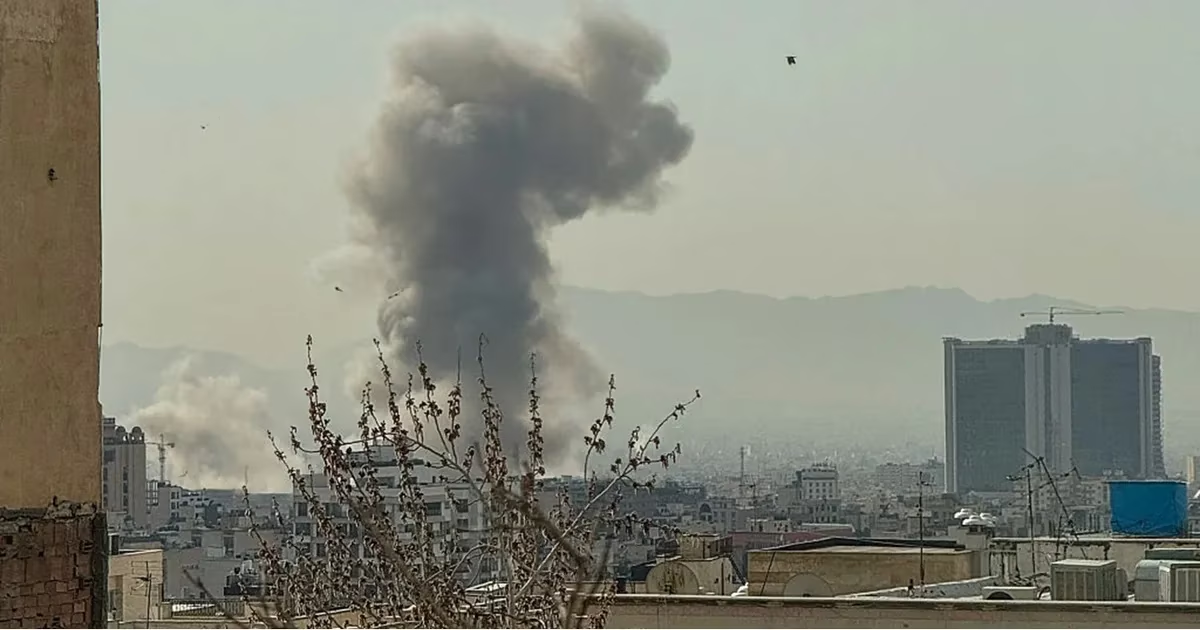







International press reports revealed new details concerning the first American-Israeli strike that targeted the Iranian capital, Tehran, last Saturday. Sources indicated that the bombing resulted in the killing of a group of Iranian officials who were holding a meeting in a targeted complex, noting that some of these casualties were classified by the White House as figures willing to negotiate.
American officials stated that the killing of these officials might hinder efforts to end the conflict quickly, as they were seen as potential diplomatic channels compared to hardline leaders. This information is based on interviews conducted with dozens of officials in the United States, the occupying state, and Iran, reflecting the complexity of the field and political scene after the escalation of violence.
In the context of military capabilities, intelligence estimates presented to the US Congress indicate that Iran still retains about 50% of its missile arsenal. Reports also confirmed that Tehran possesses a larger stock of drones, which was evident in the attack that targeted American soldiers in Kuwait last Sunday, killing six of them.
Financially, Pentagon officials informed Congress that the cost of the first week of military operations amounted to about $6 billion. Observers expect the US administration to request additional funding from lawmakers to ensure the continuation of military operations amid the ongoing escalation in the region.
For its part, the Iranian leadership expressed confidence in the ability of state institutions to withstand intensive aerial bombing campaigns. Iranian officials affirmed that their strategy relies on exhausting the desire of the United States and the occupying state to continue the war by raising the human and economic cost of the conflict to an unprecedented level.
Under the name 'Madman Operation,' Tehran began implementing a plan aimed at igniting the region and expanding the scope of military confrontation to include unconventional targets. This plan includes several stages, starting with striking deep into Israel, then moving to target American military bases spread across neighboring Arab countries.
Reports indicated that the Iranian plan is not limited to military targets but also includes attacking civilian locations frequented by Americans, such as hotels, airports, and embassies. Iran has already begun using missiles and drones to strike vital oil and gas infrastructure in Gulf countries, creating immense economic pressure on global markets.
Iranian attacks have choked shipping traffic in the Strait of Hormuz, leading to the closure of international transit centers, a halt in tourism, and a sharp rise in energy prices. Military leaders in Tehran believe that this path is the only way to force Washington and Tel Aviv to retreat from their military campaign.
Regarding the leadership structure, sources revealed that Ayatollah Khamenei had issued preemptive orders before his death to ensure the continuation of military operations. Khamenei established four layers of alternative leadership to avoid any power vacuum, with explicit directives to escalate attacks if the country faced major strikes.
On the other hand, American military leaders believe that the coming days will be crucial in determining Iran's ability to continue its retaliatory strikes. General Kenneth McKenzie described the current situation as a 'race' between the ability to destroy and the ability to respond, with the number of American forces in the region reaching over 50,000 soldiers.
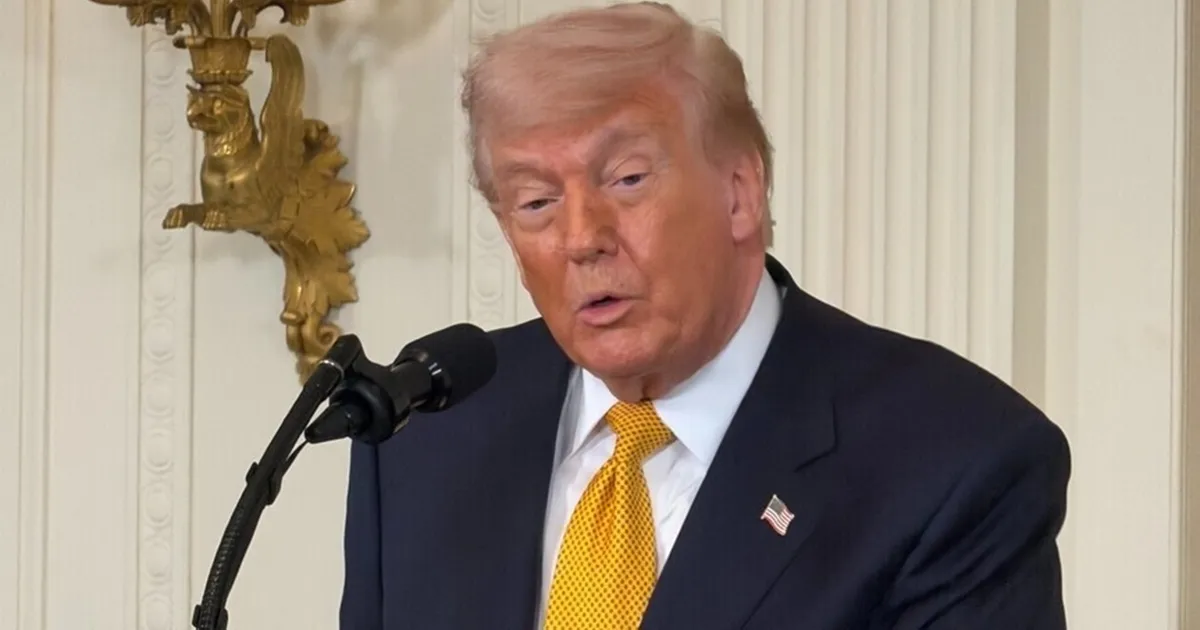
The American political scene is in a state of confusion due to President Donald Trump's fluctuating positions on the ultimate goals of the war. While Trump initially called for a popular uprising within Iran, he later reaffirmed his desire for direct intervention to choose the country's next leadership, demanding unconditional surrender.
Trump warned in his latest statements that the United States and Israel might expand the target bank to include areas and groups not previously targeted. This verbal escalation coincides with American preparations for a long-term conflict that could extend for several weeks, despite widespread popular opposition to the war within the United States.
On the ground, the occupying forces and the US military divided geographical tasks, with the former focusing on targeting military and religious leaders in the north. In contrast, US forces undertook the destruction of air defense systems and ballistic missile launch platforms in the southern regions of Iran.
Despite the intensity of the strikes, reports confirm that the basic structure of political power in Iran remains intact, with the heads of government branches remaining in their positions. However, a large number of military commanders who fell in the first waves of bombing have been replaced, leaving the region open to further escalation scenarios.
Our plan is to expand the war and prolong its duration; it is the biggest blow we can deal to Trump, and we have no other option.

Share your opinion
Behind the Scenes of Tehran's First Strike: Washington Killed 'Negotiators' and Iran Activates 'Madman Operation'