







The features of a new phase of Israeli military escalation on Lebanese territories are unfolding, as the occupation army has deployed two additional military divisions to reinforce its field operations. These movements aim to impose a new geographical reality that goes beyond previous deployments, seeking to expand the scope of influence and control deep within Lebanese territory.
Reports from informed sources indicate that the current Israeli plan aims to control areas extending up to eight kilometers at some points. Through this distance, the occupation seeks to secure complete freedom of movement for its forces and prevent any direct threats that might target border settlements in the north.
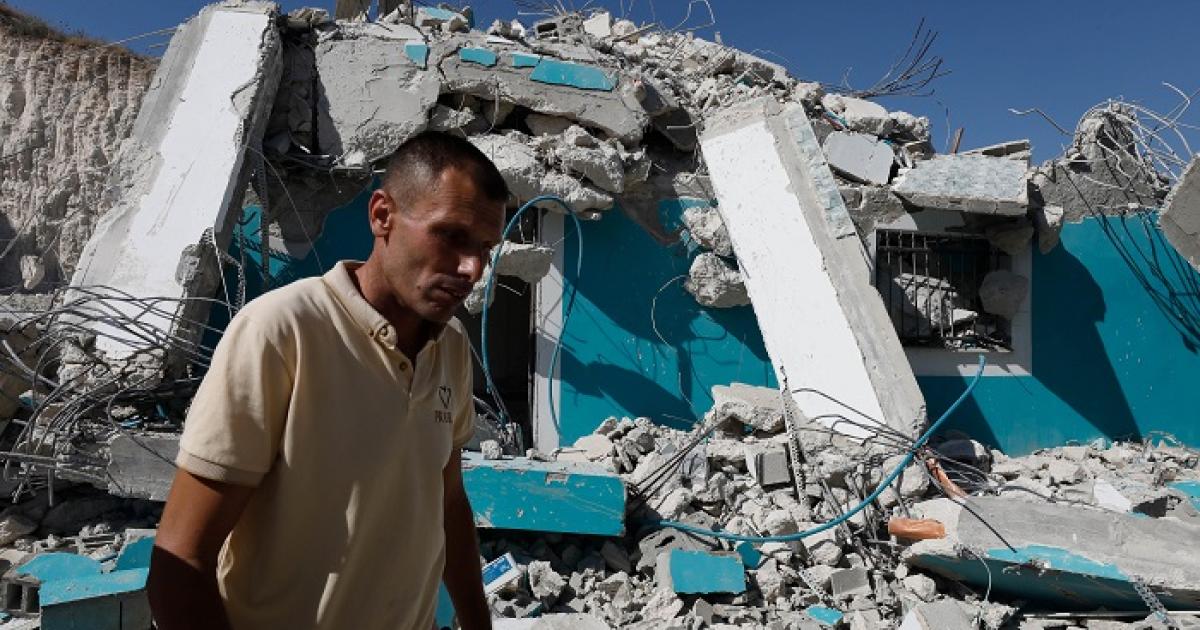
The Israeli strategy relies on what is known as the 'scorched earth' policy, which aims to transform border villages and towns into a buffer zone completely devoid of residents and buildings. Occupation forces are using heavy 'D9' bulldozers to destroy infrastructure and what remains of Hezbollah facilities in those areas.
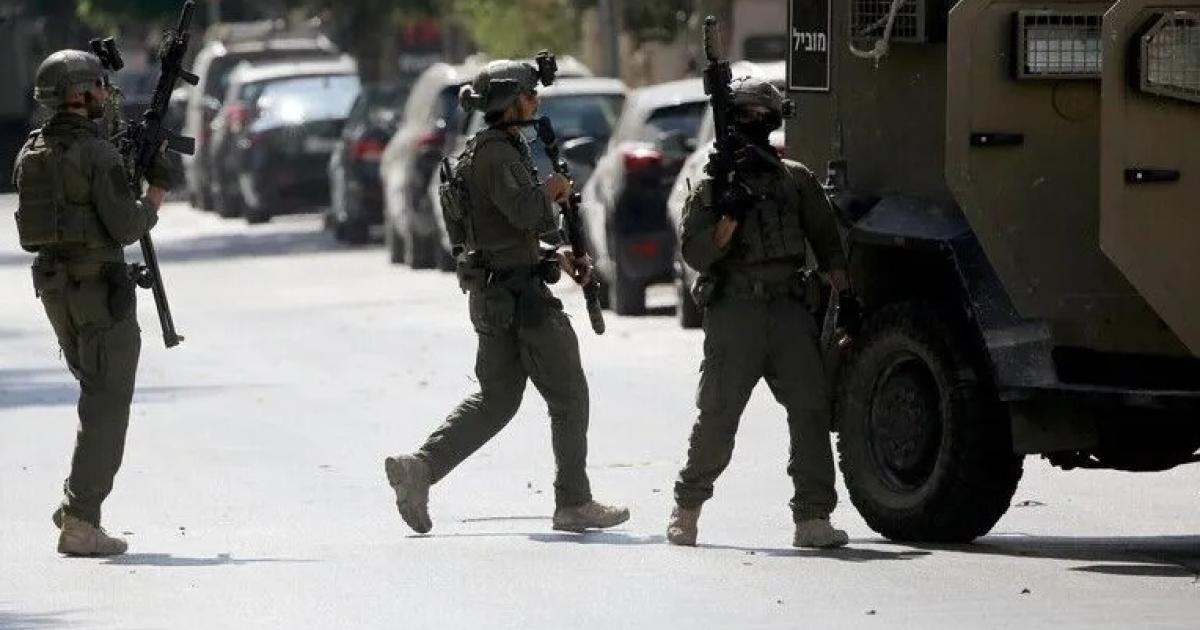
In the context of field operations, sources reported that the occupation has already established five fixed military positions inside Lebanese territory to secure its defensive and offensive lines. This step aims to enable forces to confront anti-tank missiles and provide direct lines of sight and fire towards any hostile movements.
On the intelligence front, occupation estimates indicate that a few hundred 'Radwan Force' fighters are still deployed in the border area. These estimates confirm that these fighters operate individually without clear central command, making them rely on ambush tactics and surprise attacks.
As part of psychological and military pressure, the occupation army issued evacuation orders for residents of Beirut's southern suburb before carrying out intensive airstrikes. These strikes, according to media sources, aim to send pressing political and military messages rather than seeking a direct and comprehensive military decisive action at present.
On the joint diplomatic and military track, eight American officers met with Israeli army leaders at a northern military base to coordinate positions. These officers belong to a specialized unit established to monitor ceasefire agreements, and their duties are distributed between Beirut and Galilee under the supervision of the US Central Command.
Sources clarified that the American side expressed support for Israeli operations against Hezbollah's infrastructure, while placing strict reservations regarding harming the Lebanese state. Clear messages were conveyed to the Lebanese army about the necessity of evacuating some of its positions near the border to avoid engaging in direct confrontations.
For his part, Israeli Security Minister Yisrael Katz affirmed that military operations will continue and expand to additional points until their final objectives are achieved. Katz stressed the necessity for residents of northern settlements to remain in their homes, considering that reinforcing forces inside Lebanon is the only guarantee to change the security reality.
In contrast, Hezbollah did not stand idly by, issuing urgent warnings to residents of Israeli settlements within a five-kilometer range about the necessity of immediate evacuation. These mutual warnings reflect the escalating tension and the desire to impose new deterrence equations on both sides of the Lebanese-Palestinian border.
The plan aims to create a new type of security strip, without local residents or homes, to turn the area into a scorched earth.



Share your opinion
'Scorched Earth' Plan: Occupation Seeks to Expand Control 8 Kilometers Deep into Lebanon