






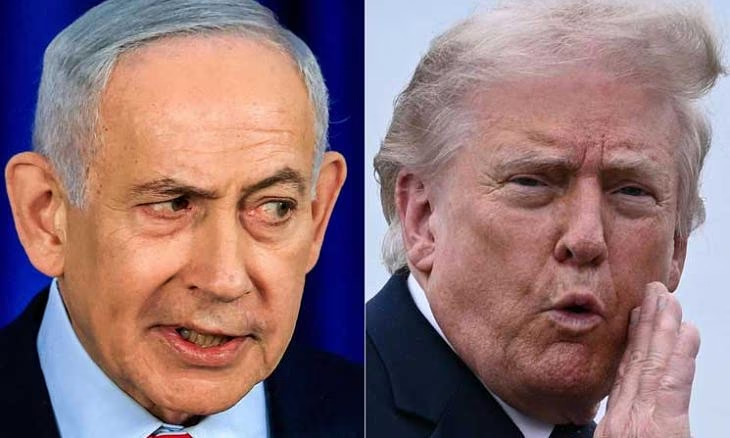
The White House is preparing to host Israeli Prime Minister Benjamin Netanyahu and Ukrainian President Volodymyr Zelensky on Tuesday, a visit that comes at a pivotal time for conflicts in both the Middle East and Eastern Europe. These official meetings are taking place on the sidelines of the two leaders' participation in the memorial service for the late Republican Senator Lindsey Graham, who was one of Trump's most prominent allies and advocates for strengthening foreign military support.
Informed sources indicate a clear divergence in the nature of Trump's relationship with his two guests; while relations with Zelensky are witnessing a remarkable improvement after Ukraine's recent field successes, a kind of frustration prevails within the American administration towards Netanyahu. This tension stems from the stalled diplomatic efforts to reach a comprehensive settlement in the confrontation with Iran, in addition to pressure from the isolationist wing of the Republican Party opposing expanded military intervention.
Regarding the Iranian front, President Trump clarified that he decided to temporarily suspend US airstrikes, a step aimed at giving diplomatic efforts a last chance to break the current stalemate. This move comes after the collapse of previous ceasefire understandings, leaving the region facing open scenarios ranging from comprehensive escalation to political settlement.
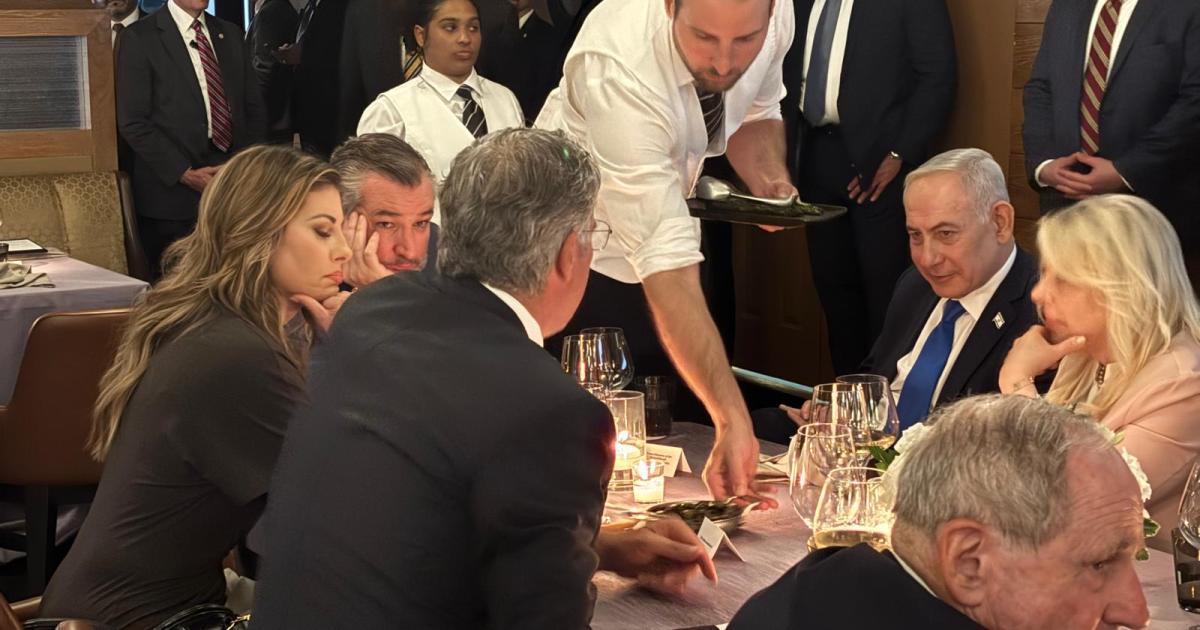
For his part, Benjamin Netanyahu seeks through this meeting to regain political momentum within Israel, especially with the upcoming elections on October 27. Opinion polls show a decline in Netanyahu's popularity, making his image alongside Trump in Washington an important electoral card to reassert the strength of the strategic alliance between the two parties.
Netanyahu stated before his departure to Washington that the discussions would primarily focus on the Iranian file, ways to protect Israeli security, and expanding the circle of regional peace. He affirmed in a video statement that the current phase requires acting with great determination and wisdom to confront the complex challenges surrounding Israel from several fronts.
Despite previous tensions in which Trump reportedly called Netanyahu 'crazy' in leaked calls, the US President's tone has recently taken a positive turn. Trump praised Netanyahu's performance, describing him as a 'wartime prime minister,' emphasizing the successes they achieved together during his first term, which reflects a desire to coordinate positions for the next phase.
In a related context, the 'Abraham Accords' file stands out as one of the main discussion points, as Trump aspires to include Saudi Arabia in the normalization process. However, Riyadh remains committed to its position linking any progress in this path to a clear and specific roadmap leading to the establishment of an independent Palestinian state.
On the Ukrainian side, President Zelensky carries with him a list of urgent military demands, foremost among them obtaining US approval to purchase additional missiles for the 'Patriot' air defense system. Kyiv considers strengthening its defensive capabilities a top priority to protect civilians and infrastructure from continuous Russian missile strikes targeting the energy sector.
Zelensky is expected to push for the activation of a previous promise from Trump to grant Ukraine a license to produce Patriot missiles domestically, in addition to finalizing a deal for advanced drones. These demands come at a time when reports indicate consultations between US envoys and the Ukrainian side to discuss prospects for resuming peace talks with Moscow to end the war.
In contrast, Zelensky faces challenges within Washington regarding the mechanism for disbursing military aid, as Pentagon documents revealed a delay in spending hundreds of millions of dollars allocated to Ukraine. This delay has drawn widespread criticism from Democrats and some Republicans who believe that Kyiv urgently needs these weapons now, not in subsequent fiscal years.
Zelensky will hold an extensive meeting at the Capitol with all 100 senators, in an attempt to rally bipartisan support and ensure the continued flow of military supplies. This move aims to overcome bureaucratic and political obstacles that could hinder the arrival of vital aid to the Ukrainian army amid a severe shortage of ammunition.
White House officials confirmed that Trump will discuss the 'ongoing peace process' with Zelensky, stressing that the time has come to end the years-long conflict. These statements reflect the US administration's desire to push the parties towards the negotiating table, despite the continuation of military operations on the ground and Ukraine's achievement of some breakthroughs deep within Russia.
The discussions also include the issue of tension between Israel and Lebanon, as Trump seeks to calm the northern front and prevent the region from sliding into a wider regional war. Trump hosted the Lebanese President last week as part of Washington's mediation efforts to contain the escalation between the Israeli army and Hezbollah fighters.
This summit in Washington brings together two thorny issues that represent the core of current US foreign policy, as Trump tries to balance military support for his allies with his stated desire to reduce foreign interventions. The outcomes of these meetings will shape the future diplomatic and military moves in Gaza, Ukraine, and the Lebanese border.
'Bibi was great... He was a wartime prime minister, and we had great success together.'


Share your opinion
Washington Summit: Trump Hosts Netanyahu and Zelensky Amid Crucial Shifts in Ukraine and Iran Wars