







The US Senate failed to pass a bipartisan resolution aimed at activating 'war powers' and halting ongoing military strikes against Iran, with 53 members voting against the resolution compared to 47 in favor. This vote came at a time when Washington is experiencing a sharp division over the utility of continuing military operations without a clear exit strategy or defined end goals for a conflict that is expanding at an alarming rate.
The session saw differing stances within both camps, with Senator Rand Paul being the only Republican to join Democrats in supporting a halt to the war, arguing that the current administration had abandoned its electoral promises to end foreign wars. In contrast, Democratic Senator John Fetterman deviated from his party's position and voted in favor of continuing operations, while Democratic leader Chuck Schumer warned of the dangers of sliding into a full-scale regional war with an unpredictable end.
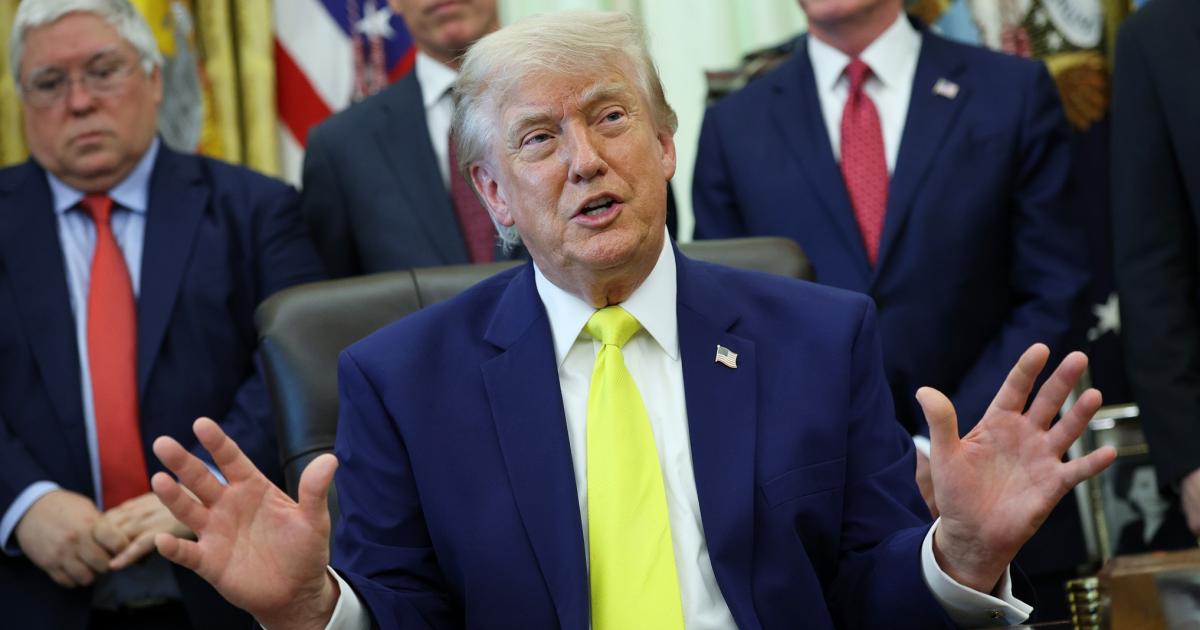
Republican leaders fiercely defended President Donald Trump's powers as Commander-in-Chief, with Senator Lindsey Graham describing any attempt to restrict his actions as unconstitutional and weakening the American position. Majority Leader John Thune emphasized the need to provide full support to troops in the field, considering that passing such resolutions sends messages of weakness to Tehran and undermines the military deterrence Washington seeks to establish.
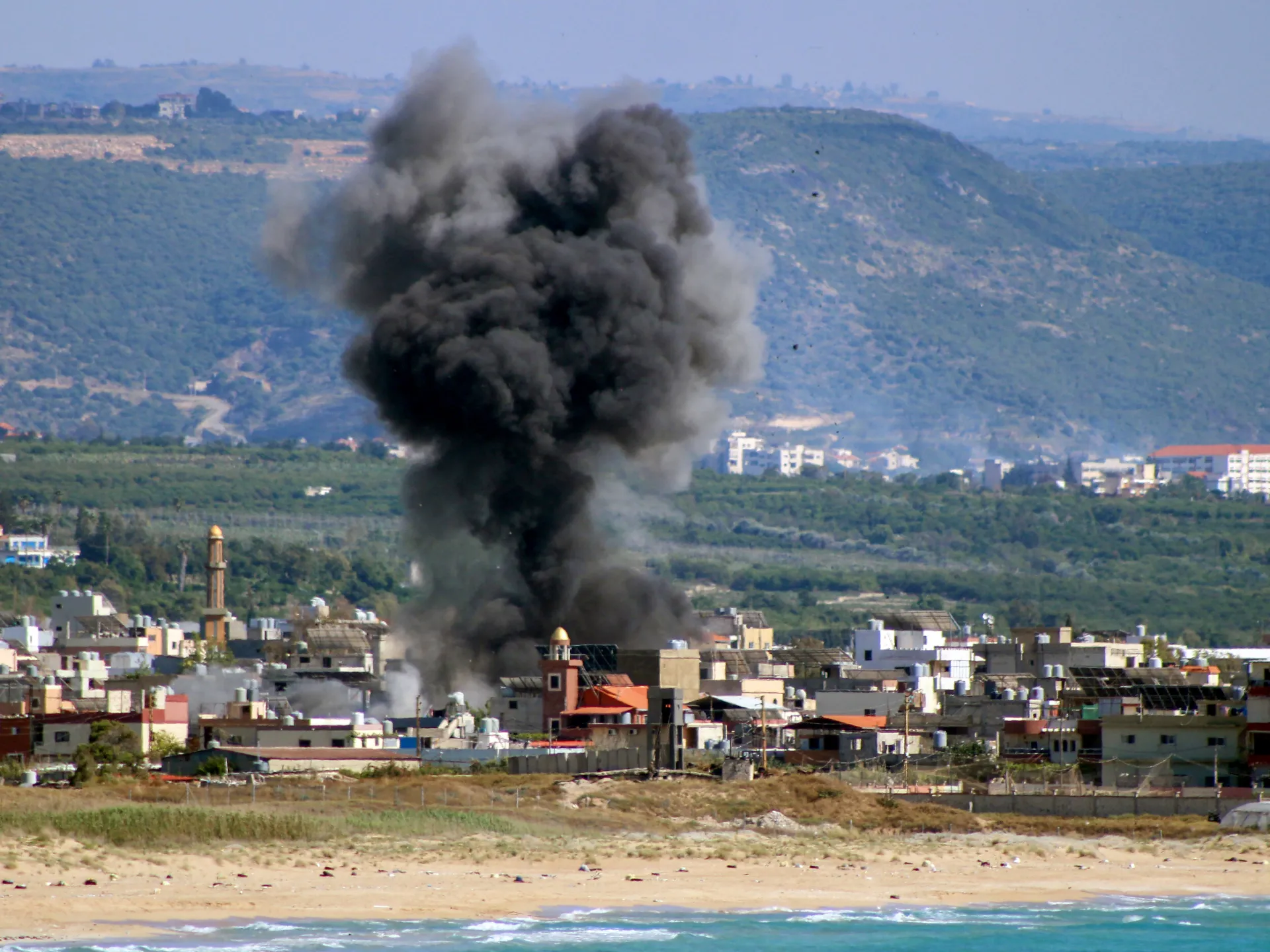
On the ground, reports indicate that the military confrontation peaked with the bombing of over 2000 targets inside Iranian territory, resulting in the death of Supreme Leader Ali Khamenei, which prompted Tehran to respond by launching hundreds of ballistic missiles and thousands of drones. These developments led to severe disruptions in global markets, with oil prices jumping by 6%, while American defense industry companies such as 'Lockheed Martin' and 'RTX' recorded record profits and significant growth in their annual sales.
In the context of regional alliances, Israeli Prime Minister Benjamin Netanyahu is seeking to form a six-party alliance comprising international and regional powers to confront Iranian influence, at a time when fears are emerging of Turkey transforming into a 'new Iran' according to statements by Naftali Bennett. Despite improved Turkish-American relations, Ankara's possession of Russian S-400 systems and its military strength within NATO makes it a complex player in the calculations of the ongoing conflict, especially with its adherence to the two-state solution in Palestine.
American public opinion polls reflect a significant gap between voter sentiments and congressional decisions, with a recent poll showing that only 27% of Americans support continued military strikes. Observers warn that the absence of a 'clear end' to the war could turn the conflict into a long-term attrition, similar to the Afghan scenario, placing immense political and economic pressure on the US administration amidst geopolitical shifts towards global multipolarity.
No one knows how long this fighting will continue, and we fear a repeat of the long-running Afghanistan scenario.



Share your opinion
US Senate Rejects Restricting Military Strikes Against Iran Amidst Partisan Divide