






The Iranian negotiating delegation, led by Foreign Minister Abbas Araqchi, departed from the capital Tehran heading to the Swiss city of Geneva, to participate in the third round of talks related to the nuclear file. This step comes at a sensitive time when the region is witnessing sharp political and military tensions between Tehran and Washington.
Before his departure, the Iranian Foreign Minister affirmed that his country still believes in the possibility of reaching common understandings with the American side, emphasizing the necessity of prioritizing the diplomatic path over the language of escalation. Araqchi indicated that the success of the Geneva round primarily depends on the seriousness of the other parties in prioritizing political solutions.
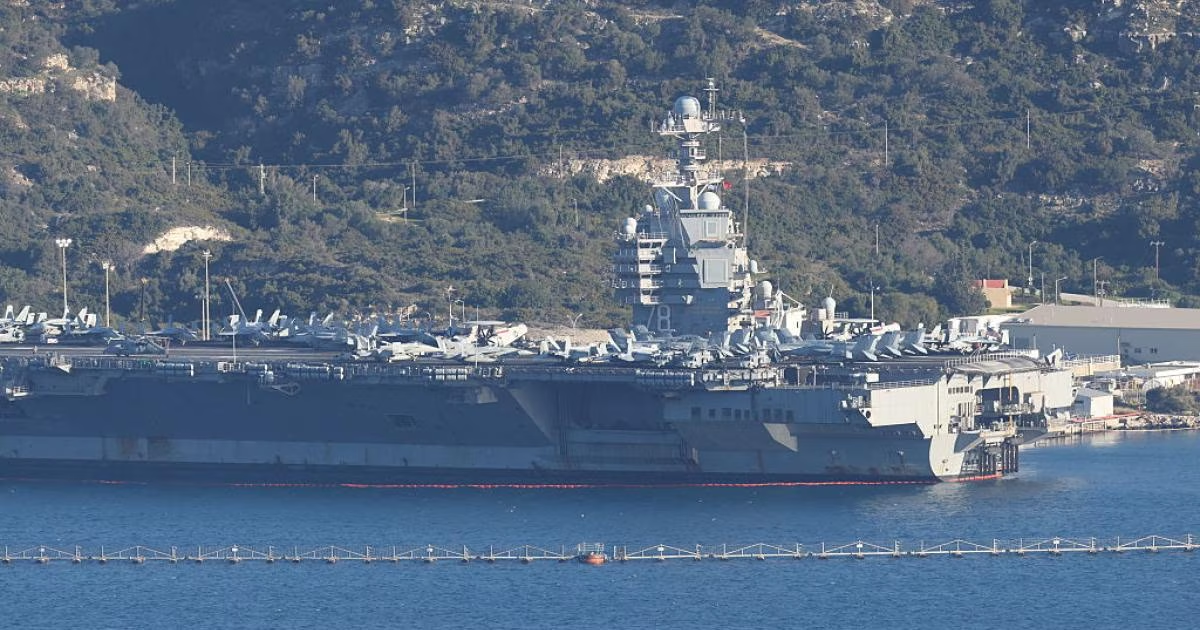
On the ground, converging reports stated that the United States has deployed a massive naval force near the Iranian coasts, in a move observers considered a direct deterrent message. These movements coincide with intensive military preparations indicating the possibility of resorting to alternative options if the negotiation track falters.
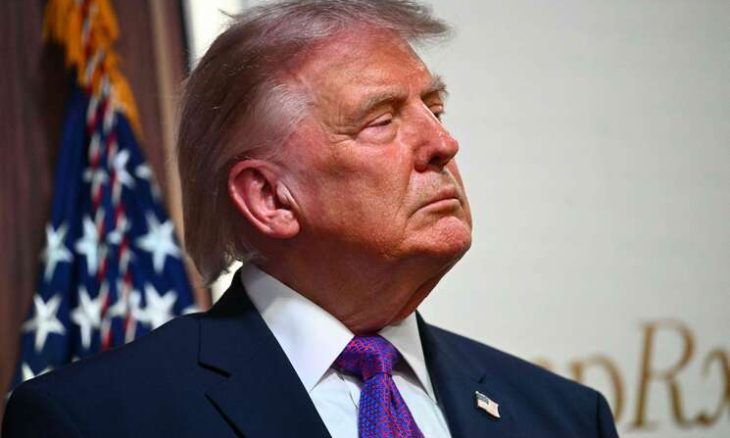
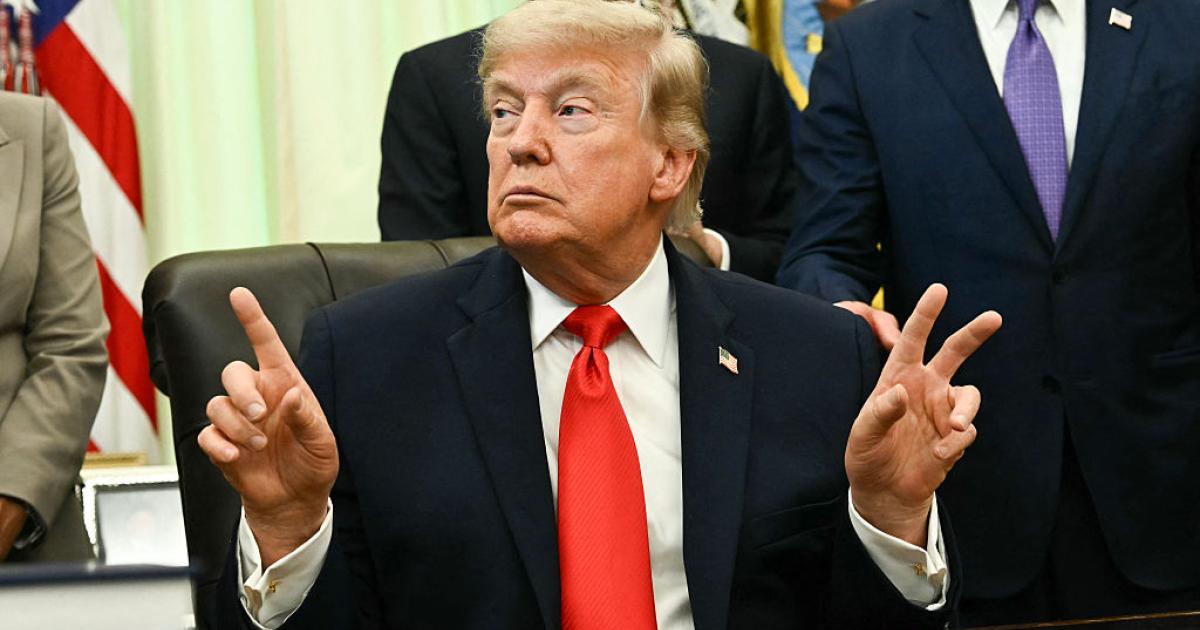
US President Donald Trump had set a time limit for the negotiations, giving Tehran a deadline of ten to fifteen days to conclude a final agreement. Trump warned that failure to reach a consensual formula within this period would open the door to more stringent measures, the nature of which he did not specify.
The official talks are scheduled to begin on Thursday in Geneva, with the participation of a high-level American delegation including envoys Steve Witkoff and Jared Kushner. The international community awaits the outcome of these meetings, amid fears that the current tension could turn into an open military confrontation if the political horizon is blocked.
Military experts believe that the current scale of the American military buildup in the Middle East is the largest of its kind since the invasion of Iraq in 2003. This buildup includes the deployment of advanced F-22 fighter jets to strategic airbases located south of the occupied territories, enhancing air offensive capabilities.
Informed sources explained that the deployment of this type of aircraft, designed for air superiority, cannot be considered merely a symbolic deterrent measure, but rather part of an integrated operational plan. More than 100 refueling aircraft have also been observed in the region, a technical indicator of readiness to carry out long-range air raids.
In a related context, the geopolitical reading of the scene indicates that American moves go beyond merely pressuring the nuclear file to reshaping alliances in the region. Reports speak of efforts to form a new regional axis aimed at isolating Iranian influence and radically reducing the capabilities of its allies in the Middle East.
For its part, Israeli circles are awaiting the results of the Geneva talks with great caution, considering that the American military reinforcements provide strategic cover for any future move. The occupation government is pushing for increased pressure on Tehran, exploiting the high coordination with the current American administration to achieve security and political gains.
Media sources observed a state of maximum alert within the Israeli Air Force, where the Chief of Staff conducted inspection tours of major airbases. These tours included meetings with pilots who had carried out previous offensive missions against Iranian targets, a clear indication of readiness to repeat such operations if necessary.
The question remains whether diplomacy in Geneva will succeed in defusing the explosion, or whether military buildup will be the decisive word in this confrontation. While Tehran speaks of opportunities for understanding, the facts on the ground indicate that the region stands on the brink of a major strategic shift that could change the balance of power for years to come.
Reaching an understanding with the United States remains possible, provided that diplomacy takes precedence during the upcoming Geneva talks.
Share your opinion
Geneva Negotiations Under the Shadow of Cannons: Unprecedented American Military Buildup Accompanies Diplomatic Track with Iran