







The Israeli occupation government has opened a new front targeting the bodies of Palestinian prisoners, as abuse has transformed from isolated practices behind walls into a spectacle broadcast by Hebrew channels. This inflammatory media pumping coincides with urgent efforts to adopt laws for the execution of prisoners and exceptional trials for elite Qassam Brigades fighters.
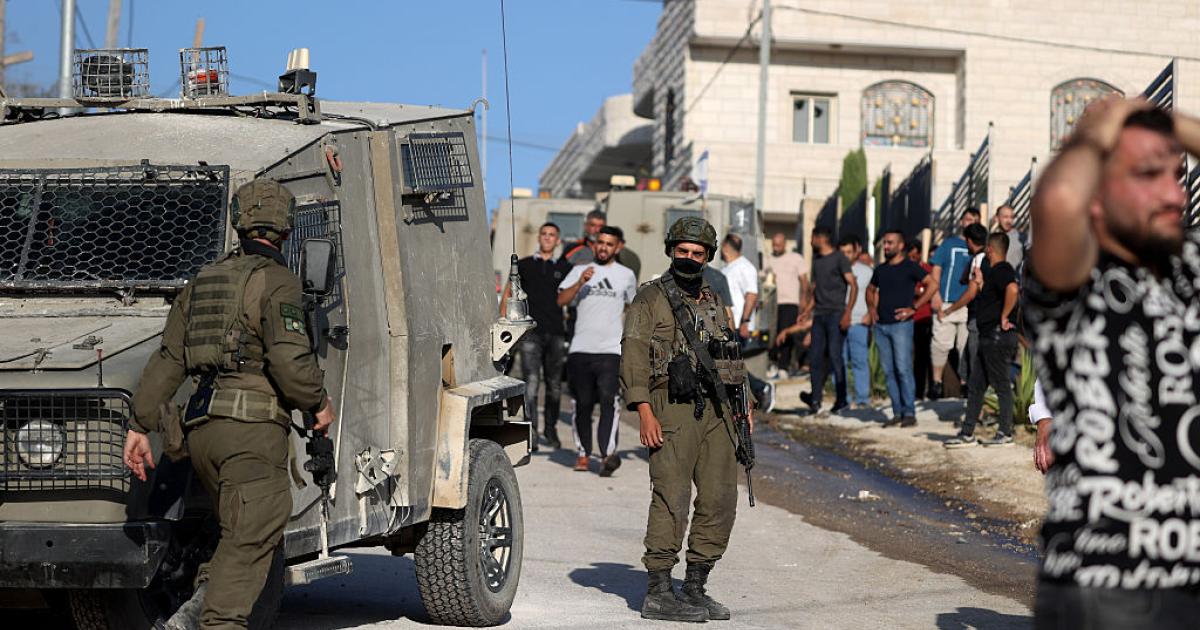
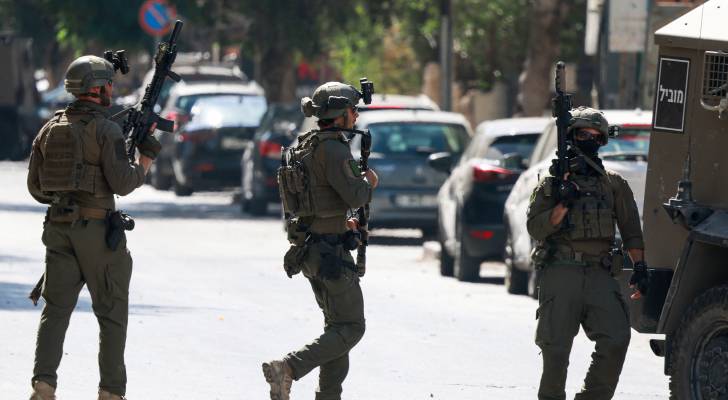
Current data indicates that the number of Palestinian prisoners in occupation prisons has reached approximately 10,000, the majority of whom are from the West Bank and Jerusalem. In contrast, the occupation authorities continue to classify Gaza Strip prisoners as 'unlawful combatants,' holding them in ambiguous detention pathways that lack the minimum international standards of transparency.
Israel officially lists 1249 prisoners under the classification of unlawful combatants according to February 2026 statistics, but this number does not reflect the actual reality. There are hundreds of missing persons from the Gaza Strip whose fate the occupation authorities refuse to disclose, amid fears of their exposure to field executions or enforced disappearance in military detention centers.
Human rights reports issued by the 'HaMoked' organization confirmed the disappearance of hundreds of Gazans after their arrest by the occupation army, where judicial appeals were met with denials of the existence of arrest records for them. This ambiguity surrounds the fate of detainees in facilities such as 'Sde Teiman,' which witnessed deaths resulting from severe torture and harsh detention conditions.
The prisoner movement recorded the martyrdom of 88 individuals inside prisons and detention centers from October 7, 2023, until mid-February 2026. Among these martyrs, 52 prisoners from the Gaza Strip died as a result of systematic torture, deprivation of medical care, and the policy of extreme starvation pursued by the prison administration.
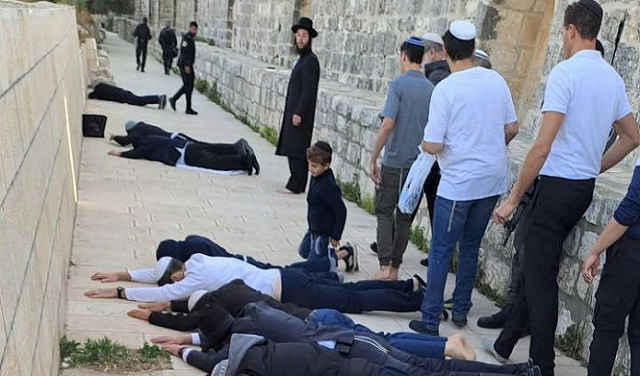
National Security Minister Itamar Ben-Gvir is leading a fierce campaign to approve the law for the execution of Palestinian prisoners, using scenes of repression as a tool for political propaganda. Leaked clips show repression units forcing prisoners to kneel and be humiliated under threat of death, in an attempt to restore the image of Israeli deterrence that was shattered in October.
The death penalty law is no longer just a demand of the far-right; it now enjoys broad consensus within the Israeli Knesset, having passed its preliminary reading last November. This law aims to transform the judiciary into a vengeful arm that legitimizes the killing of Palestinians under a legal cover that bypasses all usual procedures and evidence.
In parallel, the occupation approved the 'Qassam Elite' trial law, which represents a dangerous judicial shift that establishes an exceptional system combining security and political ideology. These trials will take place before special courts with public broadcast sessions, transforming the judicial process into part of the psychological warfare against the Palestinian people.
Observers believe that electoral competition within the Israeli entity is now fueled by the abuse of prisoners, as the coalition and opposition compete to prove who is more resolute and extreme. Ben-Gvir uses the prisoner file to compensate for his failure in internal security matters, achieving quick populist gains in opinion polls at the expense of the detainees' suffering.
The Palestinian prisoner has become, in Israeli consciousness, a symbol of the process of restoring 'national prestige' that was shattered on October 7. The Israeli leadership seeks, through the pumping of cruelty scenes, to fuel collective revenge and divert public attention away from the military and political failures suffered by the Hebrew state.
After the announcement of a ceasefire in October 2025 as part of an international plan, hopes for the release of prisoners in upcoming exchange deals became complicated. The fate of thousands of detainees, especially from the Gaza Strip, has become subject to unilateral Israeli measures that are moving towards tightening penalties and actually implementing death sentences.
The Israeli judicial system has abandoned the minimum procedural integrity, as the Supreme Court rejected dozens of appeals to improve living conditions inside prisons. Lawyers and human rights organizations have become unable to extract any basic rights for prisoners amid the spirit of revenge dominating the entire judicial institution.
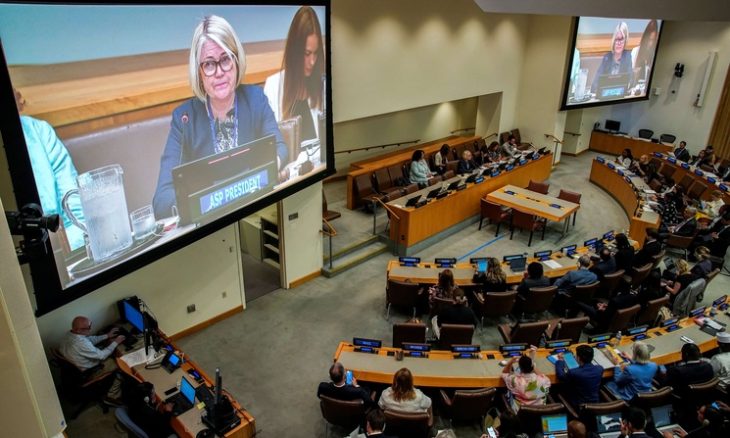
UN reports describe what is happening in prisons as 'systematic abuse that requires immediate cessation,' warning of the repercussions of the lack of transparency in military detention centers. Turning the martyrs of the prisoner movement into numbers in enforced disappearance records complicates international accountability efforts and obscures the features of the crimes committed against them.
Palestinian human rights organizations warn that the continuation of repression and starvation policies may push conditions inside prisons to an imminent explosion. With detention centers turning into 'silent execution centers,' prisoners find themselves facing zero options to defend their dignity and lives in the face of the escalating Israeli repression machine.
The combination of execution and special trials redefines the prisoner as sovereign material through which the right tests its ability to impose its definition of deterrence.


Share your opinion
Palestinian Prisoners in Occupation Prisons: Policies of Systematic Abuse and the Dangers of Execution Laws