







The Guardian newspaper revealed in an investigative report that the administration of US President Donald Trump is considering a plan to build an American military base inside the Gaza Strip, comprising approximately 5,000 personnel, to serve as the headquarters for a proposed international force within the framework of what is known as the "Peace Council." The report is based on official contracting records showing that the project is not merely temporary arrangements, but a comprehensive vision for a long-term military presence in the southern part of the Strip, placing it at the heart of the political and security transformations related to Gaza's future after the war.
According to the documents, the base will be built on an area exceeding 350 acres, with dimensions up to 1400 meters in length and 1100 meters in width, with construction to be carried out in stages. The facility includes 26 armored observation towers mounted on trailers, a small arms firing range, fortified bunkers, military equipment warehouses, in addition to a complete barbed wire fence surrounding the site. This description reflects an advanced operational structure closer to a complete combat base than a traditional peacekeeping mission with a monitoring or logistical support character.
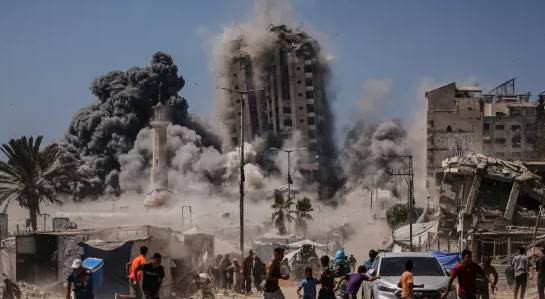
The project's sensitivity increases with the inclusion of a special protocol in the contracting documents for dealing with the possibility of finding human remains during construction work, given estimates of thousands of victims under the rubble of the Strip. Instructions stipulate immediate cessation of work, securing the site, and notifying the contracting officer upon discovery of any remains or cultural artifacts. The inclusion of this clause not only reflects a legal awareness of the risks but also highlights the ethical paradox of building a military facility on land where search, recovery, and documentation operations have not yet been completed.
Financially, the project cost has not been officially announced, although previous estimates spoke of a major military facility costing between $500 and $600 million. At the first meeting of the "Peace Council" in Washington, Trump pledged $10 billion to support the council, without clarifying disbursement mechanisms, management structure, or oversight system. This institutional ambiguity raises questions about the nature of the American commitment: are we facing a multilateral framework with clear authority, or an initiative led by Washington that later seeks partners to provide political cover?
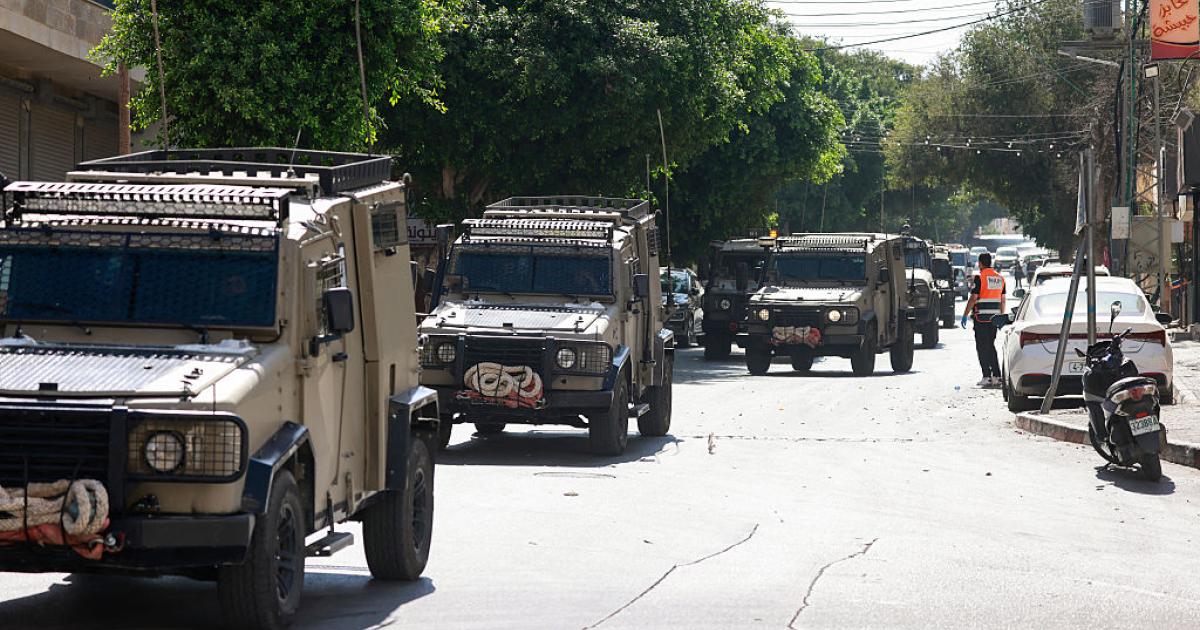
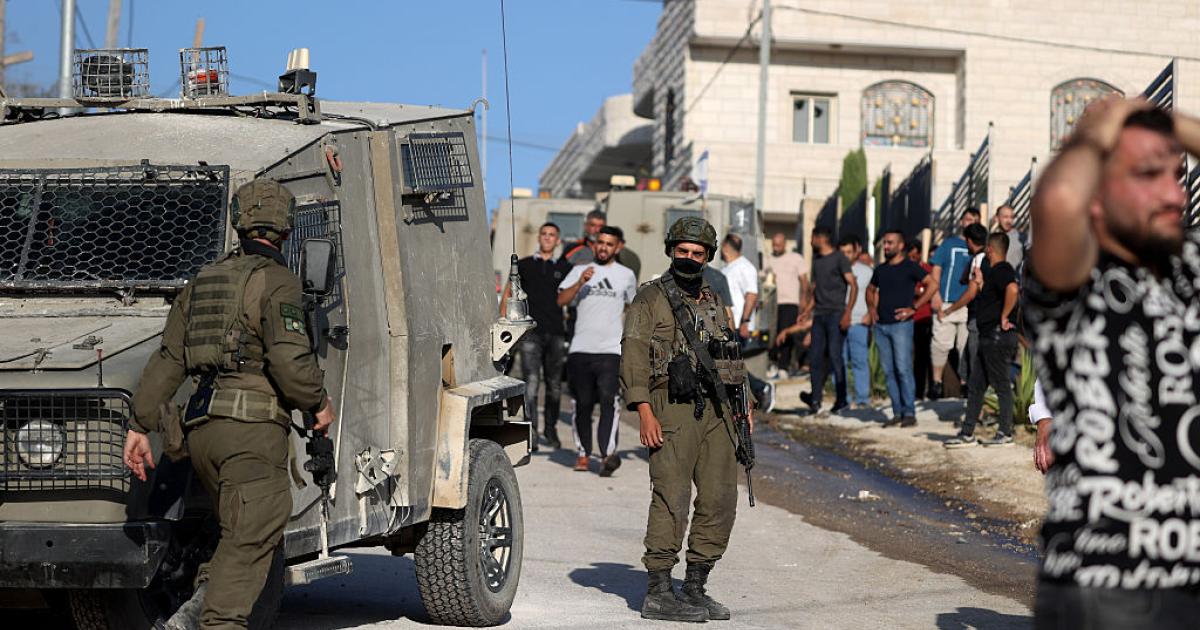
Politically, the plan stipulates that the international force will replace Israeli forces that still control more than half of the Strip's area. However, the absence of a binding timetable for this transition, and the continued Israeli threats to resume widespread operations, place the project in a gray area. Establishing an international base under an existing military reality might make it part of the control equation rather than a tool for dismantling it, undermining the stated goal of restoring stability and creating a new political environment.
Furthermore, the limited international response — with only Indonesia initially declaring its readiness to participate — reflects coolness or caution from other capitals. Multinational forces require clear legal authorization, local acceptance, and agreed-upon political guarantees, conditions that have not yet materialized. Amid ongoing violations and exchanged threats, any deployed force might find itself caught between the parties to the conflict, without a defined political horizon.
Observers believe that prioritizing the establishment of a military base of this size, at a time when the features of reconstruction or the form of civil governance are not yet clear, reflects a distortion of priorities. Instead of starting by addressing the political and humanitarian roots of the crisis, a security approach is being consecrated that elevates the logic of deterrence and control. This path may create a permanent security reality that will be difficult to dismantle later, transforming the international presence from a bridge towards settlement into a fixed element in the structure of the conflict.
Likewise, the absence of a clear timetable and a comprehensive political roadmap weakens the project's credibility. Military bases do not create peace by themselves; rather, they can turn into temporary management of an open crisis. If the proposed deployment is not accompanied by international legal guarantees and explicit Palestinian consent, it may be seen as a repositioning of power rather than a mechanism for transitioning towards ending the occupation, deepening doubts and increasing the fragility of any future arrangements.
Share your opinion
United States to Build Military Base in Gaza