







The latest package of decisions by the Israeli Ministerial Committee for Political and Security Affairs, the 'Cabinet', has sparked widespread concern in Palestinian and international circles, as they represent a blatant violation of legal references in force since before 1967. These measures, pushed by the Defense and Finance Ministers in the occupation government, aim to bring about a radical and comprehensive change in the civilian and legal reality in the occupied West Bank.
These decisions include the annulment of the historical Jordanian law that prohibited the sale of Palestinian lands to Jews in the West Bank, which opens the door to widespread acquisition operations. The measures also included declassifying land records, which allows settlers and Israeli entities direct access to owners' data and facilitates pressure on them to seize their properties.
In an escalatory step in the city of Hebron, the occupation decided to transfer building permit powers in settlement blocs from the Palestinian municipality to the Israeli Civil Administration. This measure also applies to the Rachel's Tomb area in Bethlehem, representing a direct seizure of sovereign powers approved by international agreements signed between the two sides.
The legalization of 'random' settlement outposts and the expansion of existing settlements through the construction of thousands of new housing units are among the most prominent violations included in the decisions. This step violates Article 49 of the Fourth Geneva Convention, which prohibits the occupying power from transferring its civilian population into the territory it occupies, and also disregards Security Council Resolution 2334.
The decisions extended to include the withdrawal of administrative powers in areas classified as (B) and (C), where the occupation authorities granted themselves the right to demolish Palestinian buildings under the pretext of protecting antiquities and the environment. This approach violates the Oslo II Accord, which grants the Palestinian Authority full civil control over Area (B), and transforms them into areas targeted for demolition and prevention of development.
On the financial front, the occupation authorities continue the policy of collective punishment by unilaterally and illegally withholding and deducting clearance funds. These practices violate the 1994 Paris Economic Protocol, which obliges Israel to regularly transfer taxes collected on behalf of the Palestinian Authority without prior political conditions.
The Israeli government also approved a new mechanism that allows settlers to purchase properties directly without the need to obtain prior transaction permits, as was previously the case. This legal amendment aims to accelerate the pace of settlement deep within Palestinian neighborhoods and facilitate the task of settlement associations in controlling vital lands.
The measures were not limited to land and money but also affected the political aspect by restricting the movement of Palestinian officials and withdrawing VIP cards. This step contradicts the security and political understandings attached to the transitional agreements, which guarantee the freedom of movement of Authority officials to carry out their administrative and service tasks.
Informed sources reported that these decisions come in the context of attempts to effectively annex the West Bank and undermine any opportunity for the establishment of a geographically contiguous Palestinian state. The Palestinian Presidency considers these moves 'criminal' and targeting the historical Palestinian presence on the land, warning of their catastrophic repercussions on stability in the region.
For their part, observers affirmed that granting the Civil Administration powers in the Ibrahimi Mosque and Islamic heritage sites in Bethlehem represents an assault on cultural and religious identity. Through these changes, Israel seeks to impose new realities that allow it to develop settlements within major Palestinian cities without the need for approval from local municipalities.
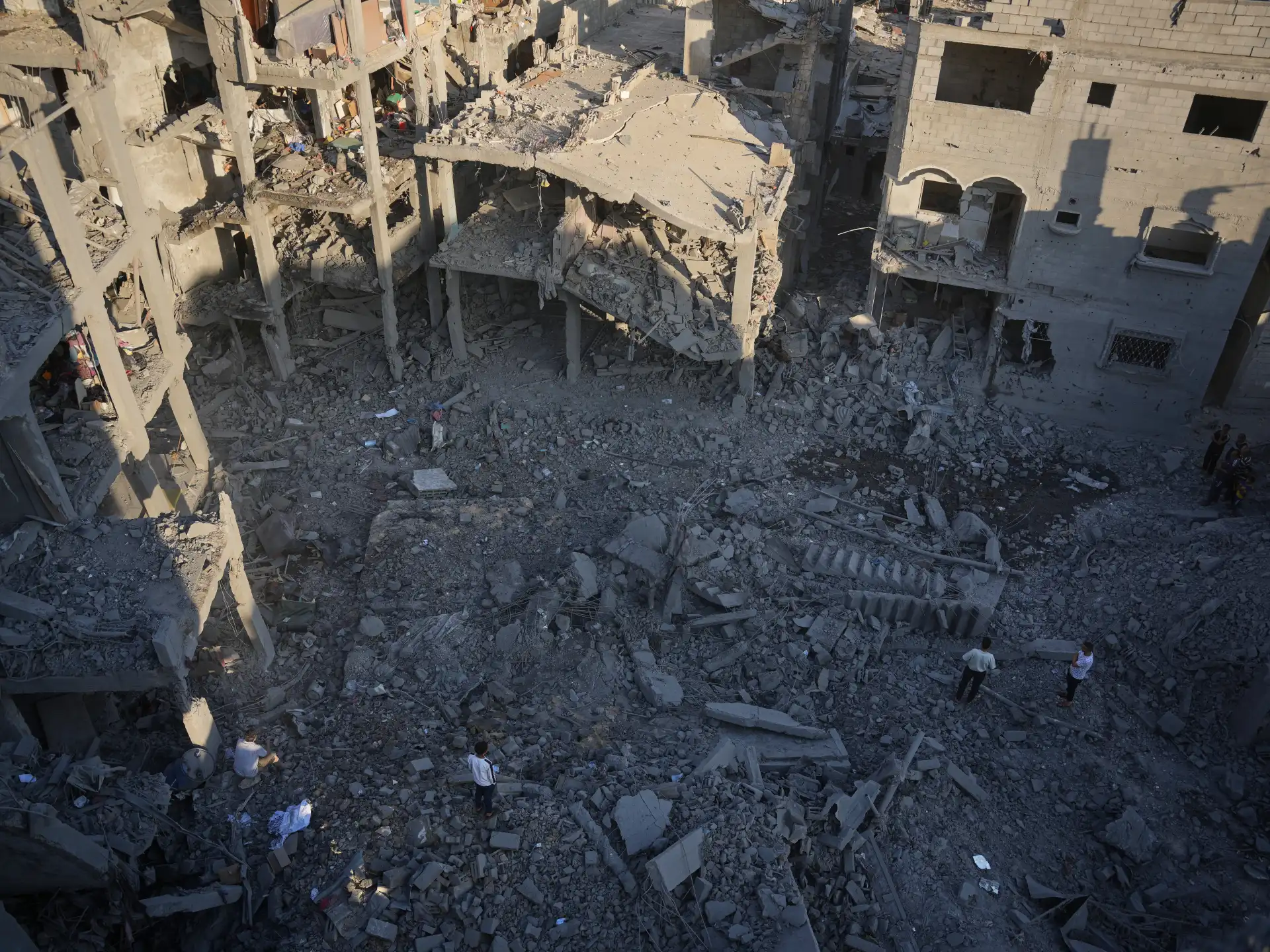
Meanwhile, Palestinian factions described these decisions as aiming to swallow what remains of Palestinian land and displace the indigenous population through livelihood and legal restrictions. These developments come at a time when the West Bank is witnessing unprecedented military escalation coinciding with the ongoing war on the Gaza Strip since last October.
Field data indicates that the occupation has intensified its attacks in the West Bank, with more than 1112 Palestinians martyred since the start of the recent aggression. Arrest campaigns have also targeted more than 21,000 citizens, amid a frantic settlement expansion exploiting international preoccupation with the deteriorating humanitarian situation in the Strip.
Legal experts believe that the annulment of Jordanian laws and the opening of land records represent 'legal piracy' aimed at legitimizing the theft of private property under Israeli judicial cover. Experts emphasize that all these measures lack international legitimacy and are considered null and void under United Nations resolutions that consider the West Bank occupied territory.
In conclusion, these decisions place the international community before its responsibilities to stop Israeli encroachment on international law and signed agreements. With the continued policy of imposing a fait accompli, Palestinians face existential challenges that require urgent legal and diplomatic action to protect their national rights and prevent the liquidation of their cause through the gateway of 'settlement laws'.
Israeli decisions aim to bring about a radical change in the legal and civilian reality in the West Bank to enhance full control over it.





Share your opinion
6 Serious Legal Violations in Recent 'Cabinet' Decisions Regarding the West Bank