







Washington – Said Arikat
In a long-awaited move by hardliners in Washington, the administration of US President Donald Trump has fulfilled its pledge to designate three regional branches of the Muslim Brotherhood as terrorist organizations. This decision carries political and security dimensions that extend beyond the legal framework and may have direct implications for the United States' relations with prominent regional partners, particularly Qatar and Turkey.
On Tuesday, the US Departments of State and Treasury announced sanctions on the Brotherhood's branches in Lebanon, Jordan, and Egypt, considering them a direct threat to the United States and its interests in the Middle East. Under the decision, the State Department designated the Lebanese branch as a "Foreign Terrorist Organization," the highest level of designation, which criminalizes any form of material or logistical support for it. In contrast, the Treasury Department listed the Brotherhood's branches in Jordan and Egypt on the list of "Specially Designated Global Terrorists," citing their involvement in providing direct or indirect support to Hamas.
US Secretary of State Marco Rubio said in an official statement, a copy of which Al-Quds newspaper received, that this step represents "only the beginning of a long-term effort aimed at curbing the acts of violence and destabilization in which the branches of the Muslim Brotherhood are involved wherever they are found." He added that Washington would use "all available tools" to prevent these organizations from accessing resources that enable them to carry out or support terrorist activities.
The decision came months after Trump tasked both Rubio and Treasury Secretary Scott Bessent, under an executive order issued last year, with studying the most appropriate legal and practical ways to punish these groups. The executive order is based on US intelligence assessments that the Brotherhood branches concerned either directly engage in violence or contribute to environments of regional instability, contrary to US interests.
The US administration justified the designation of the Lebanese branch by pointing to the involvement of one of its wings in launching rockets towards Israel following the Hamas attack on October 7, 2023, an attack that ignited the ongoing war in Gaza. The decision also indicated that Brotherhood leaders in Jordan had provided, according to Washington, forms of political and logistical support to Hamas.
In contrast, Muslim Brotherhood leaders denied these accusations, asserting that the group, in its various branches, rejects violence and does not adopt armed action as a means to achieve its goals. However, this stance was not enough to change the conviction of the US administration, which treated the group as a transnational ideological network capable of influencing multiple hotspots.
Historically, the Muslim Brotherhood was founded in Egypt in 1928, but it has faced an official ban in the country since 2013, following the overthrow of the late President Mohamed Morsi. Jordanian authorities also announced a comprehensive ban on the group last April, in the context of increasing regional pressure on it.
Nathan Brown, a professor of political science and international affairs at George Washington University, told the Associated Press that some US allies, such as the United Arab Emirates and Egypt, would welcome the new US designation, as it aligns with their domestic policies towards the group. However, he warned at the same time that other countries that deal more flexibly with the Brotherhood, such as Qatar and Turkey, might consider the move a "real thorn" in their bilateral relations with Washington.
Brown added that the repercussions of the decision would not be limited to foreign policy but would extend to immigration and asylum issues. Designating the group's branches as terrorist organizations could give immigration authorities in the United States, and perhaps in European countries and Canada, a stronger legal basis to tighten visa issuance or accept asylum applications from individuals suspected of belonging to or sympathizing with the Brotherhood.
During his first term in 2019, Trump had explored the idea of designating the entire Muslim Brotherhood as a terrorist organization, but he backed down at the time due to legal and diplomatic complexities. However, pressure from his political base and prominent right-wing figures such as activist Laura Loomer remained. In an indication of the escalation of this trend, the Republican-led states of Florida and Texas designated the group as a terrorist organization at the local level this year.
The Trump administration's decision reflects a tough security approach that views the Muslim Brotherhood as a long-term ideological threat, not just scattered local organizations. This vision intersects with the demands of regional allies who have sought for years to dry up any international legitimacy for the group. However, the problem lies in generalizing the designation to branches that differ in their roles and contexts, which may conflate political action with armed support and further complicate the regional scene instead of simplifying it.
Politically, the decision puts Washington to a delicate test in its relations with Qatar and Turkey, both of which maintain relations with parties associated with the Brotherhood. While the Trump administration bets that firmness will deter extremist behaviors, these countries may view the move as interference in their sovereign choices. Ultimately, the designation may turn from a tool to combat terrorism into an additional element in the game of regional and international polarization.
Share your opinion
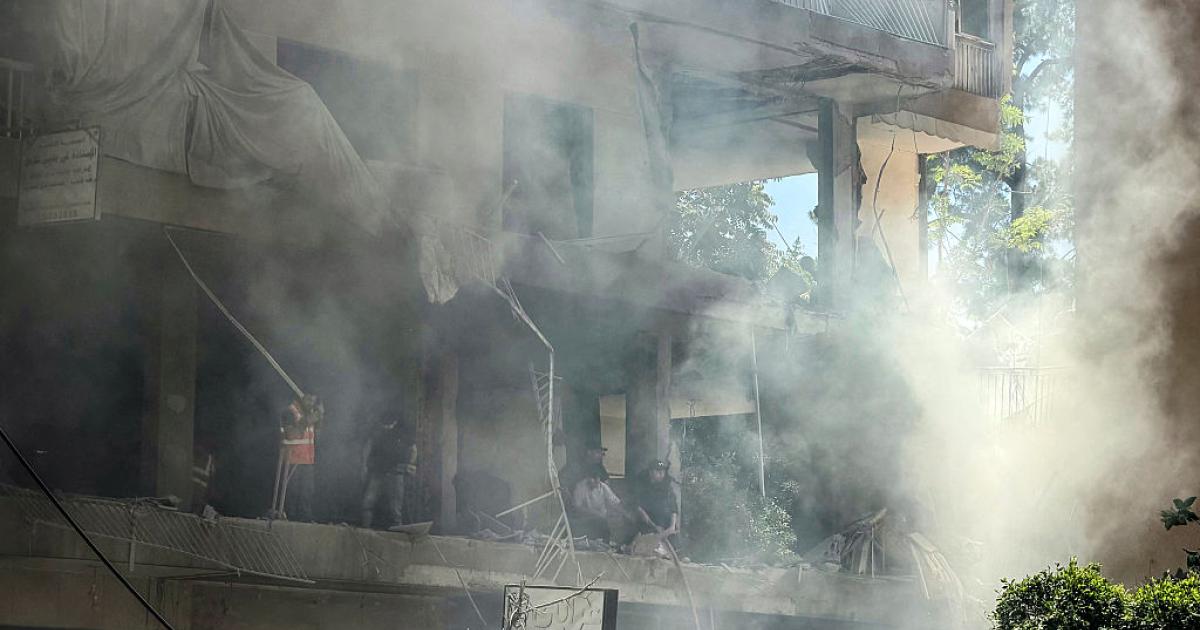
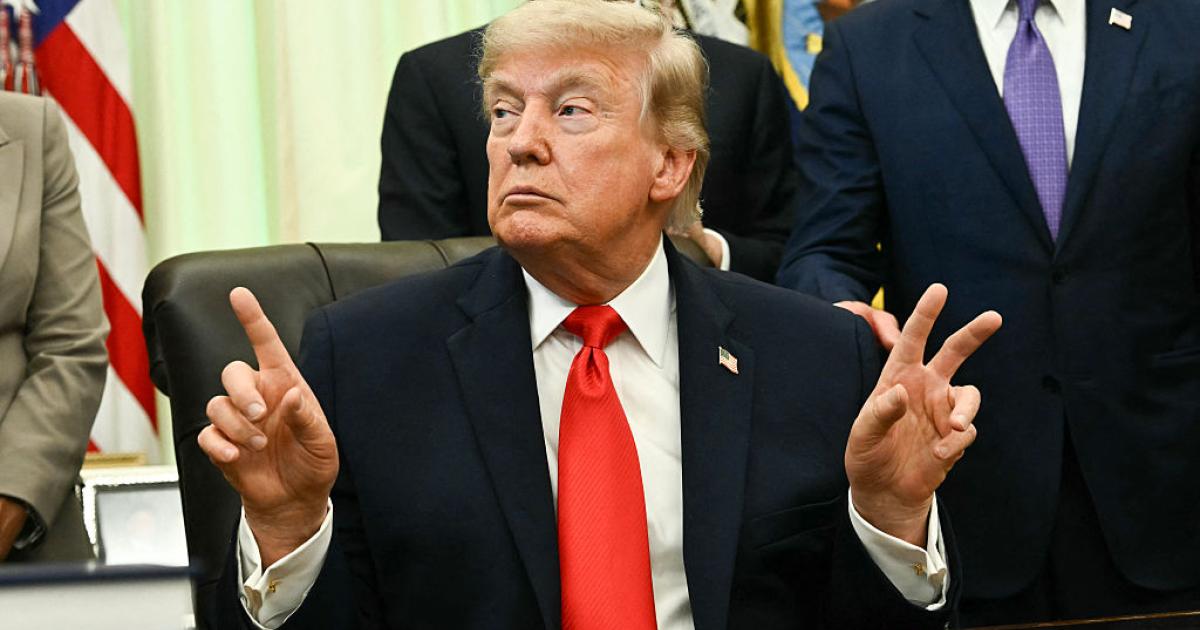
Trump administration designates three branches of the Muslim Brotherhood as terrorist organizations.