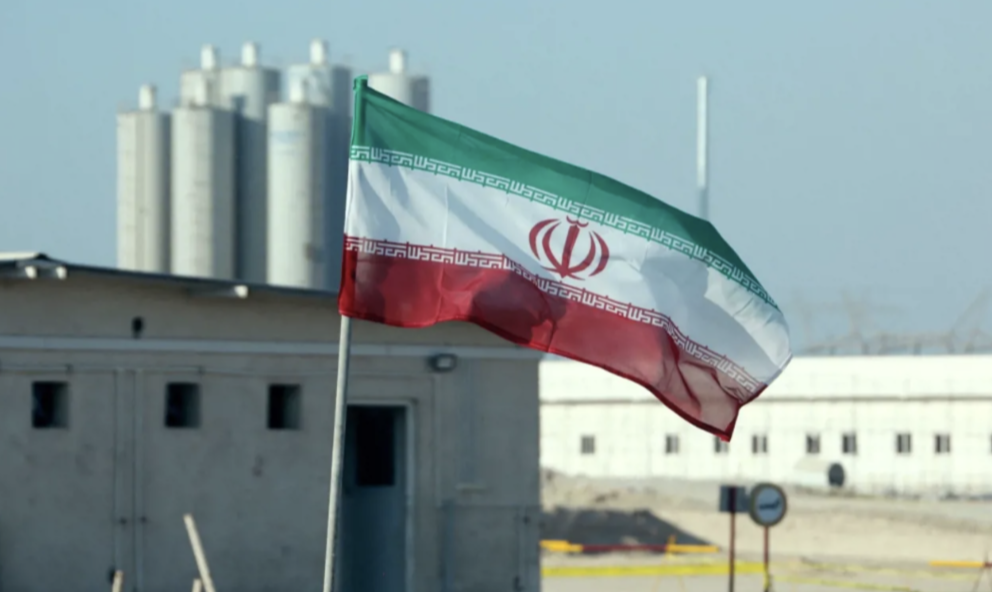







Reuters reported on Monday that an Iranian diplomat stated that Iran is prepared to reject a US proposal to end the dispute over its nuclear program, describing the proposal as "unworkable" and not meeting Tehran's interests or softening Washington's position on uranium enrichment.
"Iran is preparing a negative response to the US proposal, which could be interpreted as a rejection of the US offer," a senior diplomat close to the Iranian negotiating team told Reuters.
Omani mediator, Foreign Minister Badr al-Busaidi, who was on a brief visit to Tehran, presented the US proposal for a new nuclear agreement to Iran on Saturday. After five rounds of discussions between Iranian Foreign Minister Abbas Araqchi and President Donald Trump's Middle East envoy, Steve Witkoff, numerous obstacles remain, according to experts, including Iran's rejection of a US demand to halt uranium enrichment and its refusal to ship its entire current stockpile of highly enriched uranium abroad—a potential raw material for nuclear bombs.
The United States, Israel, and other Western countries claim that Iran is seeking to develop nuclear weapons, a charge Tehran has repeatedly denied, insisting that it needs uranium for civilian energy production. The United States and Israel accuse Iran of enriching uranium to 60%, a level that has no civilian uses and is just below weapons-grade, according to experts.
Iran has prevented international inspectors from examining its nuclear facilities and expanded its ballistic missile capabilities, while Western officials claim that Iran "may" be seeking to acquire the bomb.
Washington's proposal for an agreement came after leaked UN reports last week indicated that Iran had ramped up production of highly enriched uranium and carried out covert nuclear activities. The diplomat, who requested anonymity due to the sensitivity of the issue, told the agency: "In this proposal, the US position on enrichment on Iranian soil remains unchanged, and there is no clear explanation for lifting sanctions (on Iran)."
In turn, Araghchi confirmed that Tehran would officially respond to the proposal soon.
Tehran is demanding the immediate lifting of all US-imposed restrictions that are hampering its oil-dependent economy. However, the United States says that nuclear-related sanctions must be lifted in stages.
The United States has blacklisted dozens of institutions vital to the Iranian economy, including the central bank and the national oil company, since 2018, when US President Donald Trump withdrew from the 2015 nuclear agreement Tehran concluded with six world powers, including the United States, for what Washington called "support for terrorism or weapons proliferation."
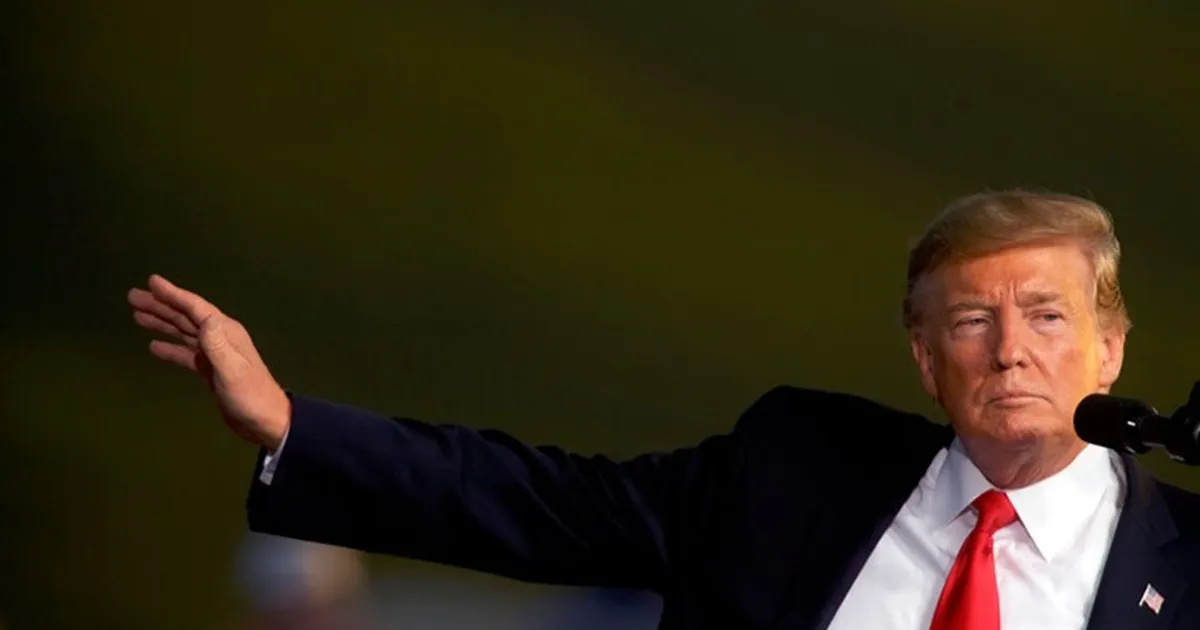
Trump's revival of the "maximum pressure" policy against Tehran since returning to the White House last January has included tightening sanctions and threatening to bomb Iran if negotiations do not produce an agreement.
Under the agreement, Iran had limited its sensitive nuclear activities until 2018 in exchange for the easing of US, European, and UN economic sanctions.
The diplomat said that the assessment of the Iranian Nuclear Negotiations Commission, overseen by Supreme Leader Ayatollah Ali Khamenei, is that the US proposal is "completely biased" and cannot serve Tehran's interests. Therefore, the diplomat said, Tehran considers this proposal "unworkable" and believes it is an attempt to unilaterally impose a "bad deal" on Iran through exaggerated demands.
Iran says it is willing to accept some restrictions on enrichment, but needs firm guarantees that Washington will not back down from any future nuclear agreement.
Two Iranian officials told Reuters last week that Iran might halt uranium enrichment if the United States released frozen Iranian assets and recognized Tehran's right to refine uranium for civilian use under a "political agreement" that could lead to a broader nuclear deal.
Share your opinion
Iran prepares to reject the US nuclear proposal due to its complete bias towards Israel.