






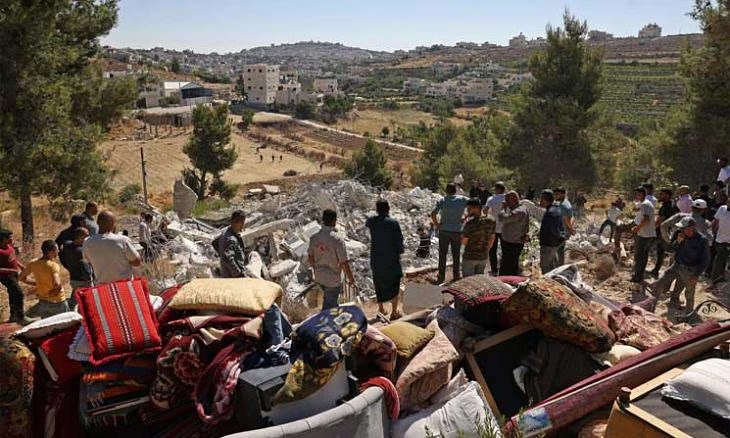
Settler attacks in the West Bank are no longer isolated incidents carried out by extremist groups; they have become an expression of a comprehensive political project led by the Israeli government. With the growing influence of settlement leaders in decision-making centers, field attacks now coincide with legislative and financial decisions aimed at completely changing the face of the region.
Journalistic sources revealed that the Ministerial Committee for National Security Affairs (the Cabinet) approved a massive budget of 1.3 billion shekels, equivalent to 370 million dollars, to boost settlement construction. This decision was kept secret for a period to avoid international pressure, especially from the American side, as the funding aims to establish new outposts and expand existing ones.
Data indicates that this budget will be allocated to building new settlement neighborhoods and developing advanced infrastructure that exclusively serves settlers. This move comes as part of a joint proposal submitted by Prime Minister Benjamin Netanyahu in cooperation with the Ministers of Finance and Settlement, confirming the government's adoption of the settlement project as a top priority.
The current government prides itself on being the most supportive of settlements in the history of the occupation, with the West Bank and occupied Jerusalem witnessing an unprecedented acceleration in construction activities since the end of 2022. Approximately 750,000 settlers currently reside in hundreds of settlements and outposts, which the United Nations considers a flagrant violation of international law.
Observers believe that the ascension of figures representing the settlement movement to sensitive ministerial positions has settled the debate about the relationship between the state and the settlers. Extensive powers in civil administration and planning have been transferred to Minister Bezalel Smotrich, granting settlers direct legal and administrative cover to implement their plans.
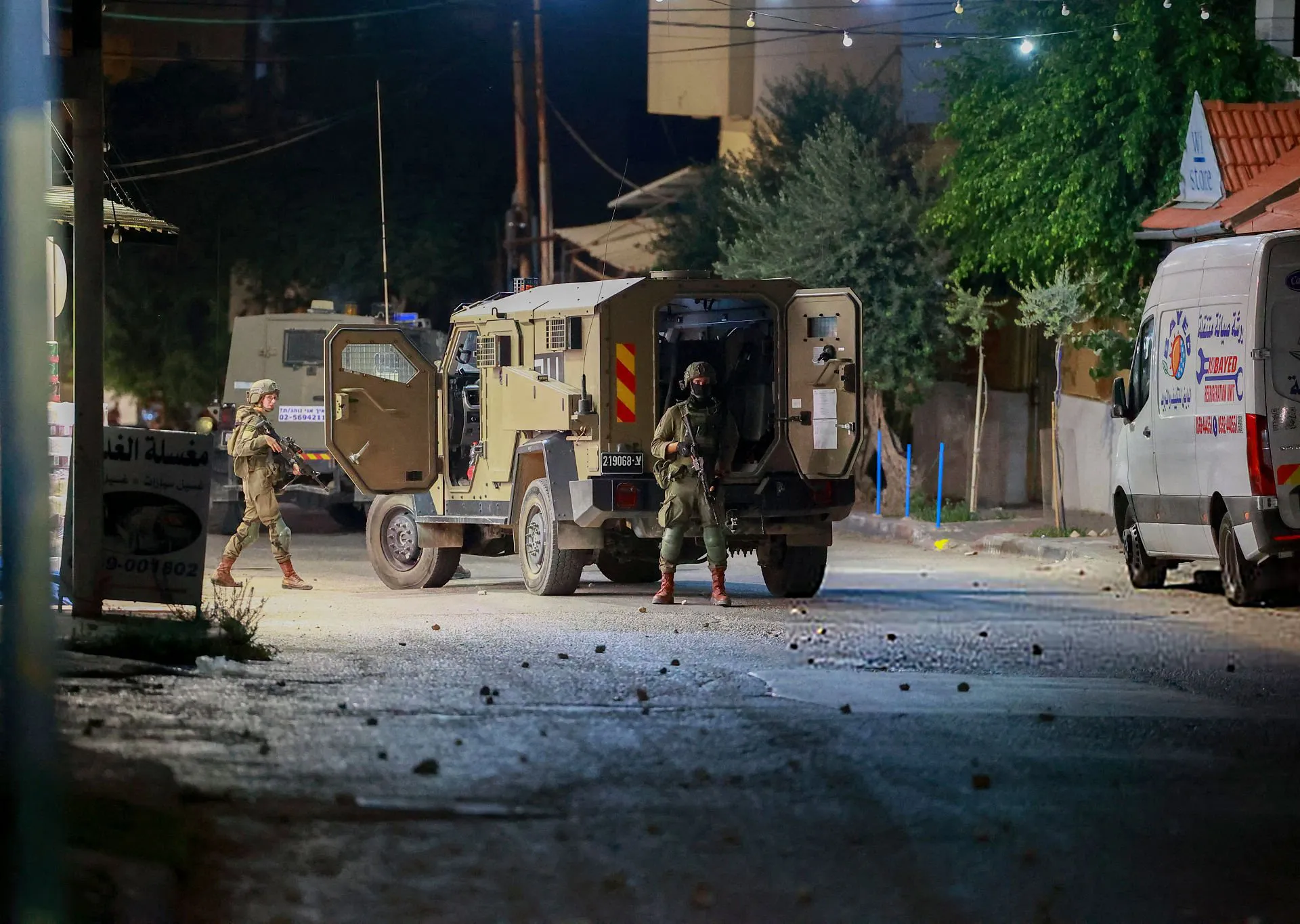
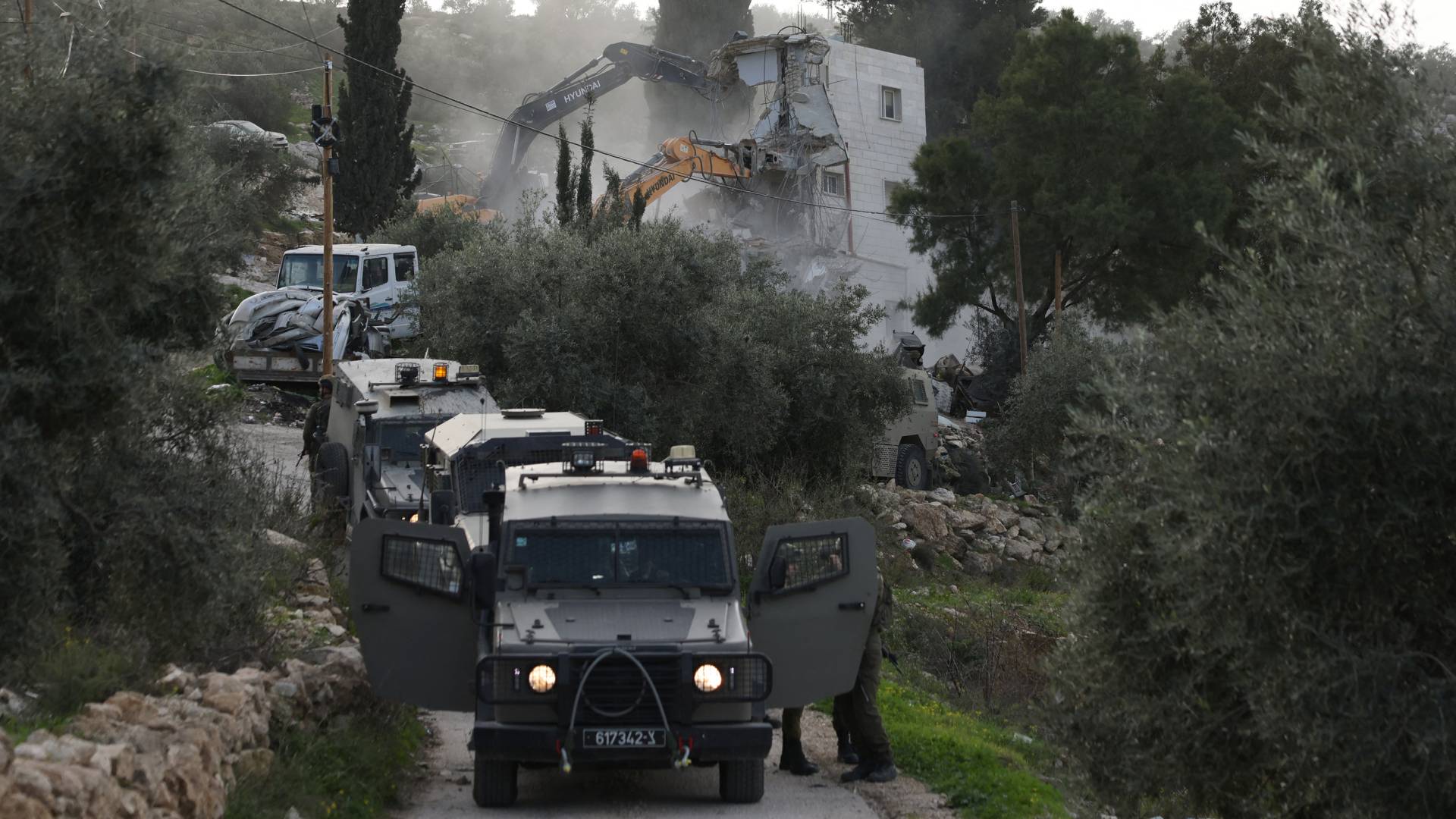
Sources reported that the overlap between military and civilian institutions in the West Bank has reached unprecedented levels, with the army protecting outposts funded by the Ministry of Finance. This integration aims to create geographical contiguity between settlement blocs, leading to the fragmentation of Palestinian lands and their transformation into isolated enclaves.
The occupation authorities are working to reshape the West Bank's infrastructure through a massive network of bypass roads aimed at connecting settlements to the occupied interior. Israeli symbols are also being imposed on vital areas and main intersections, in an attempt to erase Palestinian identity and change the visual and urban landscape of the region.
Israeli policies target the control of strategic natural resources, including mountain peaks, groundwater sources, and valleys. These operations have accelerated over the past two years to include thousands of dunams, depriving Palestinians of the most basic elements of economic and agricultural development in their areas.
In a related context, human rights activists warned that these measures constitute a blatant violation of Article 49 of the Fourth Geneva Convention, which prohibits the transfer of the occupying power's population to occupied territory. Israel also completely disregards Security Council Resolution 2334, which calls for an immediate halt to all settlement activities in the Palestinian territories.
Field reports indicate that Bedouin communities in Area C are subjected to a systematic campaign of forced displacement led by settler militias under army protection. Thousands of attacks have been documented, including property destruction and physical assault, leading to the evacuation of dozens of Palestinian residential communities from their historical locations.
Area C, which constitutes about 60% of the West Bank's area, is considered the main arena for demographic conflict, where Israel prevents Palestinians from building while granting settlers extensive facilities. This blatant discrimination aims to empty the land of its indigenous inhabitants in favor of rapid settlement expansion.
International and Israeli human rights organizations warned that what is happening is a process of 'de facto annexation' of the West Bank without official declaration, undermining any future opportunity for a Palestinian state. Investing in roads, electricity, and water for settlements reinforces the long-term Israeli presence and makes withdrawal almost impossible.
Palestinians fear that these policies will lead to a 'new Nakba' that will uproot thousands of families from their villages and towns, especially in the absence of international accountability. Settlement outposts, which were considered illegal even under Israeli law, are now being legalized and granted official government budgets.
The current situation in the West Bank reflects a radical shift in the occupation's strategy, moving from conflict management to an attempt to resolve it by imposing facts on the ground. With continued financial and political support for settlers, the prospects for peace remain elusive amidst the fragmentation of Palestinian geography.
The question is no longer about the extent of settler influence in the government, but about whether there is any difference between the two parties; the political project has become one.
شارك برأيك
Government-Settler Partnership: An Israeli Plan to Impose a New Reality in the West Bank