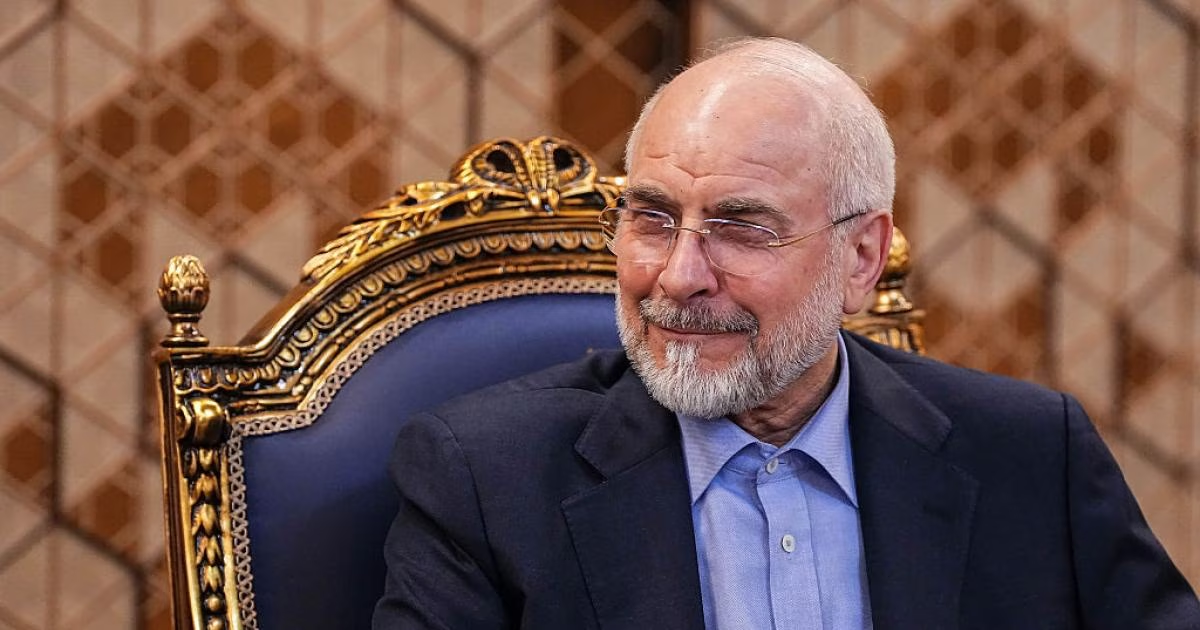







The Speaker of the Iranian Parliament, Mohammad Bagher Qalibaf, emphasized his country's firm stance on the security of waterways, asserting that Tehran will not tolerate any attempts at American intervention in the Strait of Hormuz. Qalibaf clarified that Iranian authorities have successfully addressed issues related to the passage of Chinese ships through the strait, ensuring the stability of trade movement in accordance with the Iranian vision.
The Iranian official revealed details of coordination with the Sultanate of Oman, indicating that the recent visit to Muscat resulted in an agreement to regulate the mechanism for ship passage based on Article Five of a joint memorandum of understanding. He affirmed that these steps are part of Tehran's commitment to continuous consultation with littoral states of the Gulf to ensure regional security away from external interventions.
In the context of escalation with the Israeli occupation, Qalibaf accused Tel Aviv of attempting to sabotage existing understandings between Iran and the United States. He viewed Iran's possession of a strategic deterrent force as the only guarantee to prevent Israel from dragging the region into new military conflicts, calling for the adoption of precise political tactics to reduce regional tension.
Regarding the Lebanese file, Qalibaf held discussions with a delegation from the Amal Movement and a representative of the Lebanese Parliament Speaker Nabih Berri, on the sidelines of the funeral ceremony for Supreme Leader Ali Khamenei. The discussions covered the first item of the Iranian-American memorandum of understanding, which focuses on supporting the sovereignty of the Lebanese state and securing the withdrawal of Israeli occupation forces from its territories.
The Speaker of the Iranian Parliament warned against Washington and Tel Aviv reneging on their commitments, affirming that Iran is ready to resume appropriate countermeasures if obligations are not met. Press sources quoted Qalibaf as saying that the implementation of the terms of the understandings serves the interests of the stability of allies in the region, especially the Lebanese state.
For his part, US President Donald Trump expressed cautious optimism about the course of negotiations with Tehran, considering that the Iranian side has agreed to Washington's basic requirements. Trump affirmed in media statements that his primary goal is limited to preventing Iran from acquiring nuclear weapons, denying any American desire to change the existing regime there.
Despite signs of de-escalation, a fundamental point of contention emerged regarding the mechanism for disbursing released Iranian funds, with Trump proposing to direct them to purchase American agricultural products as part of a comprehensive peace agreement. In contrast, Tehran rejected this proposal, indicating the continued complexities in the economic file related to the nuclear deal and broader political understandings.
Tehran will not allow any American intervention in the Strait of Hormuz, and the deterrent power we possess will prevent Israel from igniting a new war in the region.
شارك برأيك
Qalibaf warns against US intervention in the Strait of Hormuz and affirms readiness for deterrence