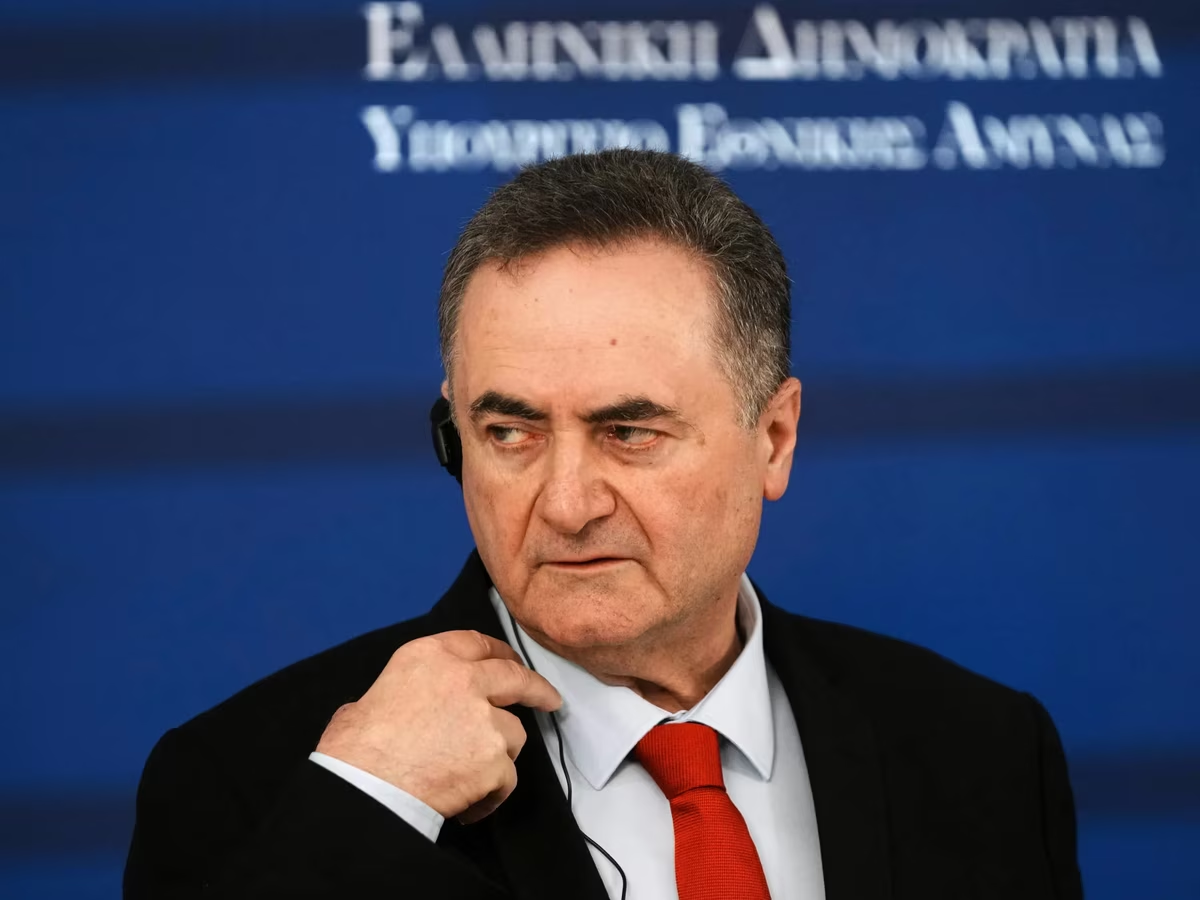







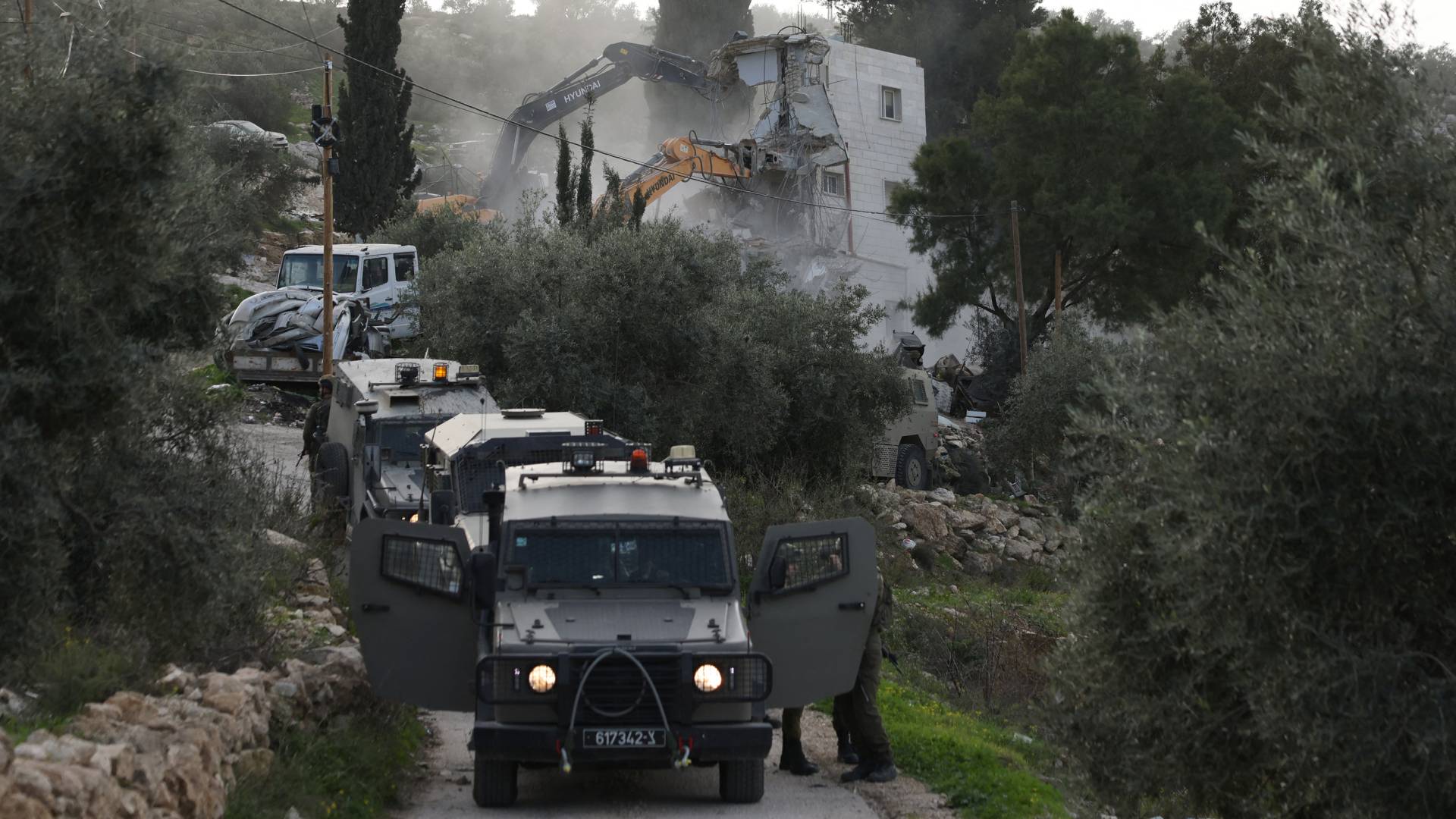
Israeli Defense Minister Israel Katz reiterated his commitment to the continued presence of his military forces in what he described as 'security zones' within Lebanon, Syria, and the Gaza Strip. Katz clarified in his statements today, Wednesday, that this presence will continue until further notice, without specifying a timeline for withdrawal, considering this step essential to protect Israeli towns from attacks by armed and jihadist elements.
In a related context, the Israeli minister issued a direct and stern warning to the Iranian leadership, emphasizing that Tehran would face strong and violent strikes if it decided to retaliate against the military operations carried out by the Israeli army in Lebanon. These threats come amid escalating regional tension and ongoing confrontations on multiple fronts, through which Israel aims to change the security reality on its borders.
Katz's statements align with the positions announced by Prime Minister Benjamin Netanyahu, who in turn stressed the continued presence of forces in Lebanese territories as long as the Hezbollah threat remains. Informed sources indicate that the political establishment in Tel Aviv links any future withdrawal from southern Lebanon to the complete disarmament of Hezbollah, which complicates diplomatic de-escalation efforts.
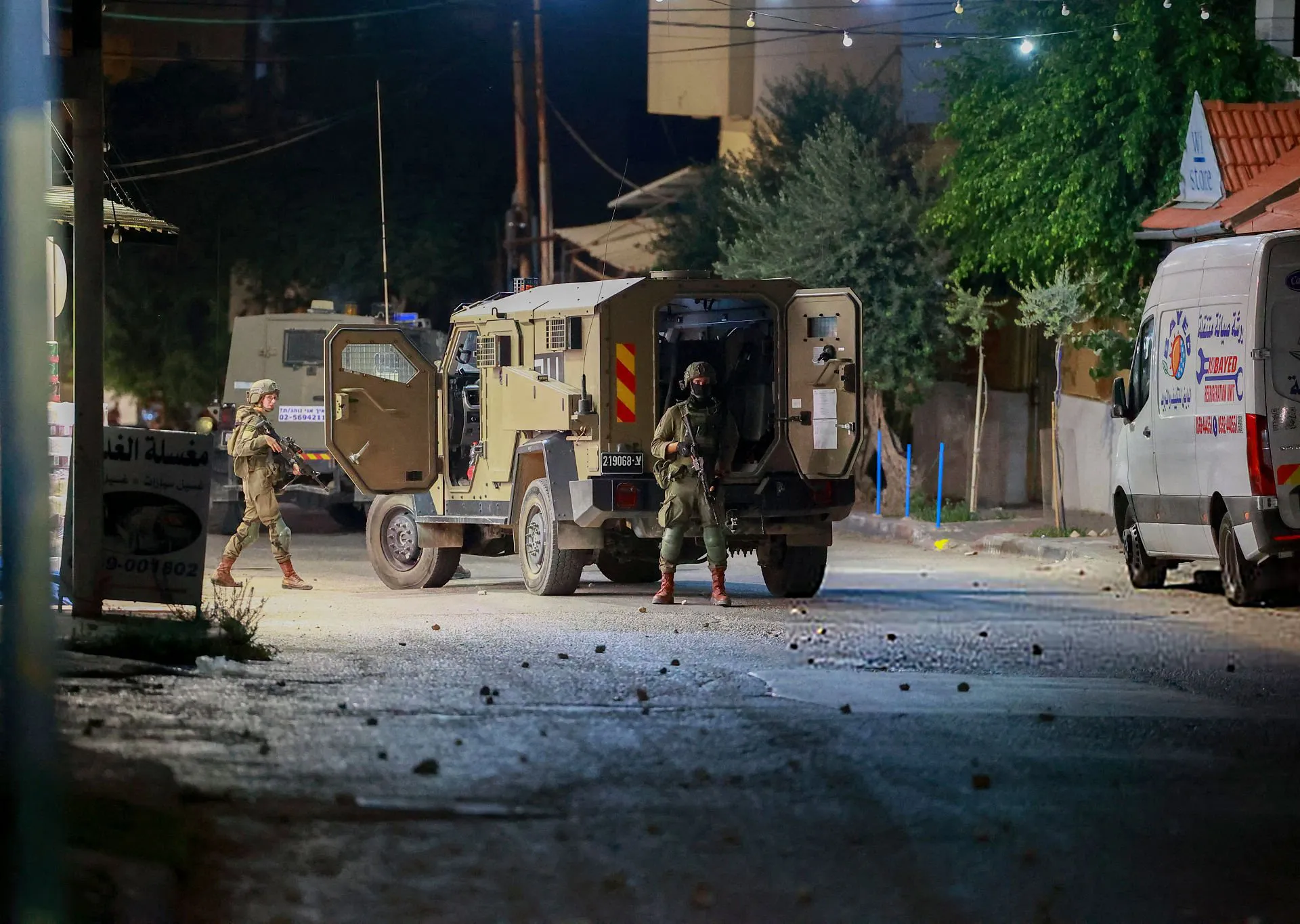
On the ground, sources reported that Israel postponed the start of the experimental phase of a gradual withdrawal from Lebanon, despite the agreement recently signed in Washington under American auspices. Israeli authorities demanded that the Lebanese army take immediate action against Hezbollah's infrastructure as a condition for proceeding with the implementation of the framework agreement overseen by US Secretary of State Marco Rubio.
As for the Syrian front, the Israeli army expanded its deployment in the southern regions up to Mount Hermon, exceeding the boundaries of the buffer zone in the occupied Golan. This military move follows significant field changes witnessed in Syria after the fall of Bashar al-Assad's regime in 2024, as Israel seeks to proactively secure its northeastern borders.
In the Gaza Strip, Israeli forces continue to control about 70% of the Strip's area, with military operations and airstrikes ongoing despite previous ceasefire understandings. Katz's statements reflect an Israeli insistence on retaining extensive field gains in the Strip, which places additional obstacles before relief and reconstruction efforts and political solutions to the escalating humanitarian crisis.
We will not withdraw from the security zones in Lebanon, Syria, and Gaza, and we will remain there until further notice to protect our residents and towns.
شارك برأيك
Katz pledges Israeli army to remain in Gaza, Lebanon, and Syria, warns Iran against retaliation