






The terms of the ceasefire agreement in the Gaza Strip remain mere unactivated texts on the ground, as field reports confirm the continuation of Israeli military operations and the escalating pace of the humanitarian catastrophe. More than two million Palestinians live in a reality that grows harsher day by day, where survival has become a difficult daily battle amidst continuous bombing and displacement.
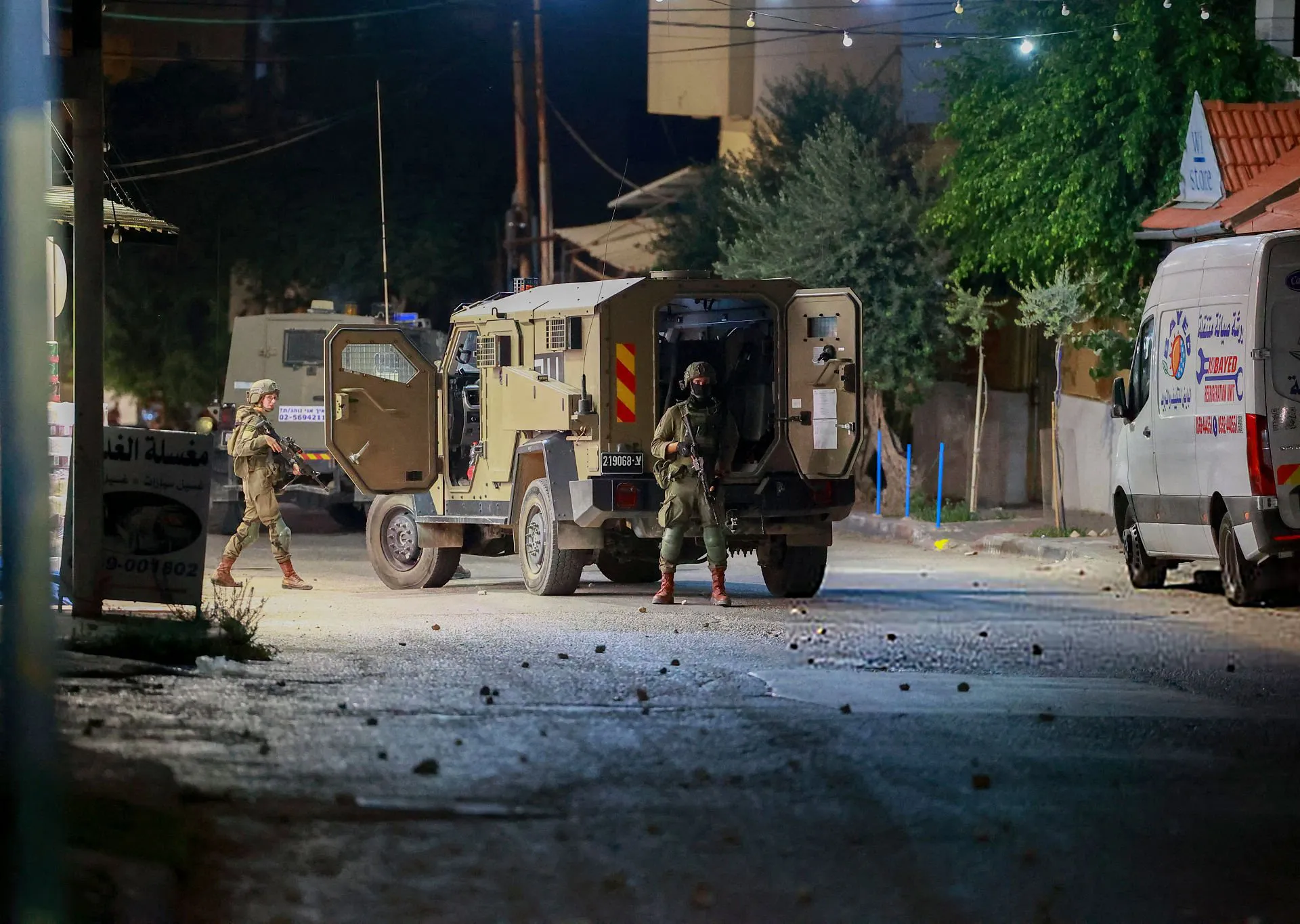
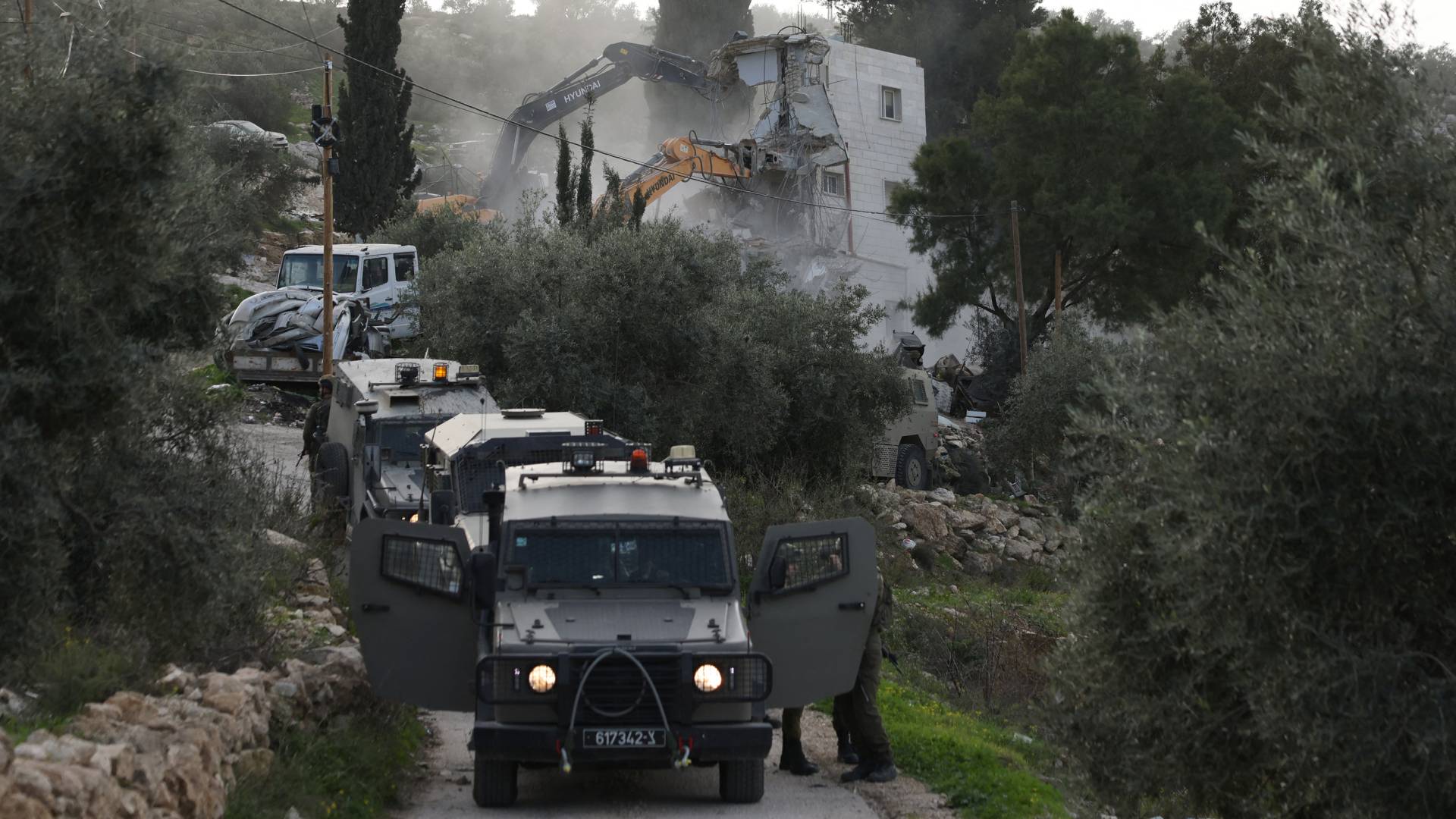
Despite the announcement of understandings for a ceasefire last October, the field has recorded the fall of more than a thousand martyrs since then as a result of continuous airstrikes and targeting. Local sources reported that violations did not stop at bombing but included extensive geographical changes aimed at imposing a new reality within the Strip.
In statements reflecting expansionist intentions, Israeli Prime Minister Benjamin Netanyahu affirmed that his army currently controls about 60% of the Gaza Strip's area. Netanyahu indicated that there are military directives to raise this percentage to 70%, by pushing front lines and expanding what is called the 'Yellow Line' to restrict the movement of residents.
These field movements impose immense pressure on the residents, leading to the deepening of the forced displacement crisis and depriving residents of access to already scarce humanitarian aid. These developments are accompanied by continuous Israeli threats to resume comprehensive military operations under security pretexts, placing the Strip before an unknown future.
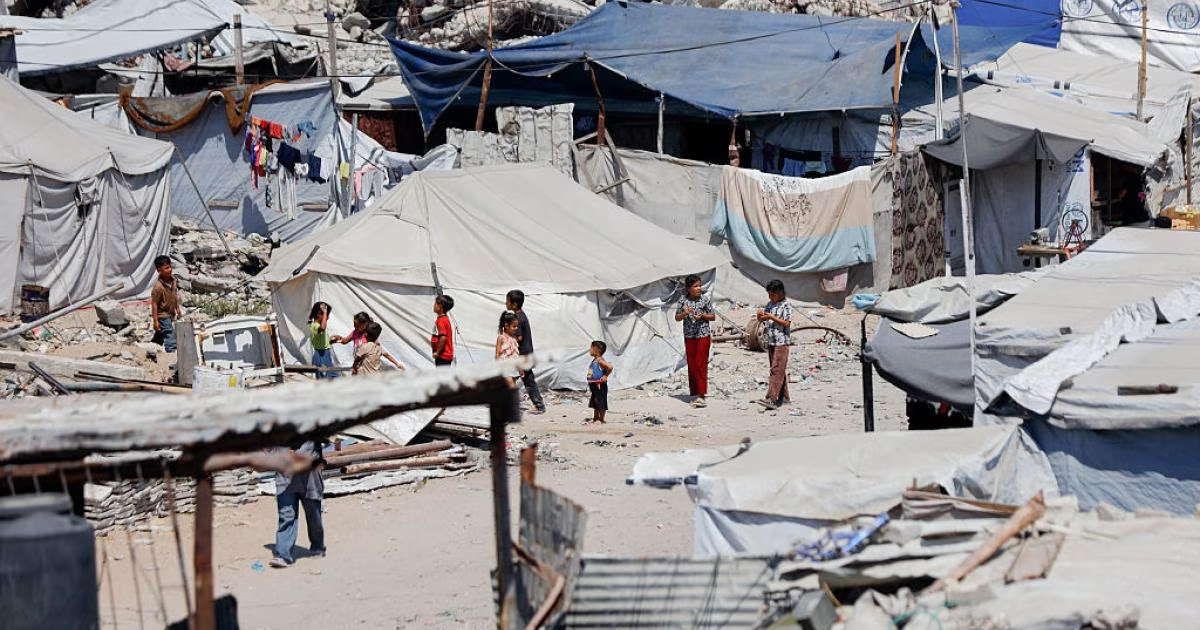
On the humanitarian front, hundreds of thousands of displaced people face extremely dire conditions in cramped geographical areas lacking the most basic necessities for a dignified life. The collapse of sewage networks and the accumulation of waste, especially with rising temperatures in the summer, have led to the spread of epidemics and infectious diseases among children and the elderly.
Displacement camps are witnessing an unprecedented deterioration, with residents living in dilapidated tents that offer no protection from weather fluctuations or extreme heat. Electricity is completely absent from these gatherings, while obtaining clean water is a daily challenge that requires standing in long queues for hours.
International organizations have warned that the continuation of this situation portends an uncontainable catastrophe, with the Norwegian Refugee Council describing what is happening in Gaza as an 'international scandal.' The council confirmed that about 170,000 families live in very harsh shelter conditions, with the continued closure of crossings that are the only lifeline for the besieged population.
For its part, the Hamas movement stated in a statement that the genocide, starvation, and systematic destruction that the Strip is subjected to constitute a blatant violation of all international laws. The movement stressed that these Israeli policies aim to break the will of the Palestinian people, but they will not succeed in achieving their political goals through humanitarian pressure.
In a field testimony, Raafat Al-Majdalawi, Director General of the Al-Awda Health Association, confirmed that killing, home destruction, and siege have not stopped for a single moment despite talk of a truce. Al-Majdalawi clarified that the full responsibility for the continuation of the aggression lies with the occupation, describing the international community's silence regarding the suffering of millions as a 'stain of shame.'
Al-Majdalawi described life inside the tents as 'extremely harsh,' with entire families forced to live in areas not exceeding nine square meters, which eliminates any privacy. He pointed out that the per capita share of space inside the tent may not exceed one meter, a situation that lacks the simplest standards of human dignity.
These camps lack safe cooking facilities or regular bathing, as families suffer from a severe shortage of water, fuel, and cooking gas. Medical sources added that the current environment has become unfit for human life due to the unprecedented spread of insects and rodents, threatening a comprehensive health catastrophe.
Regarding food security, more than 700,000 families rely on one simple meal a day provided by charity kitchens, which in turn suffer from a lack of resources. Limited food items such as rice and lentils are repeated, while many families fail to get their share due to severe overcrowding and insufficient quantities.
The education sector was not immune to this suffering, as thousands of students are forced to travel long distances in search of an internet signal to take their online exams. Students often fail to complete their academic tasks due to communication and electricity outages, threatening the loss of the academic future for an entire generation of Palestinians.
In conclusion, observers and local officials agree that the war in Gaza has gone beyond military action to become a war on every detail of daily life. The lack of health services and medical diagnosis makes access to treatment impossible, confirming that what is happening is a process of 'breaking humanity' in all its dimensions.
What is called a ceasefire is not reflected on the ground, and the humanitarian situation represents a breaking of humanity in every sense of the word.
شارك برأيك
Gaza.. Ceasefire 'Ink on Paper' and Occupation Expands Geographical Control