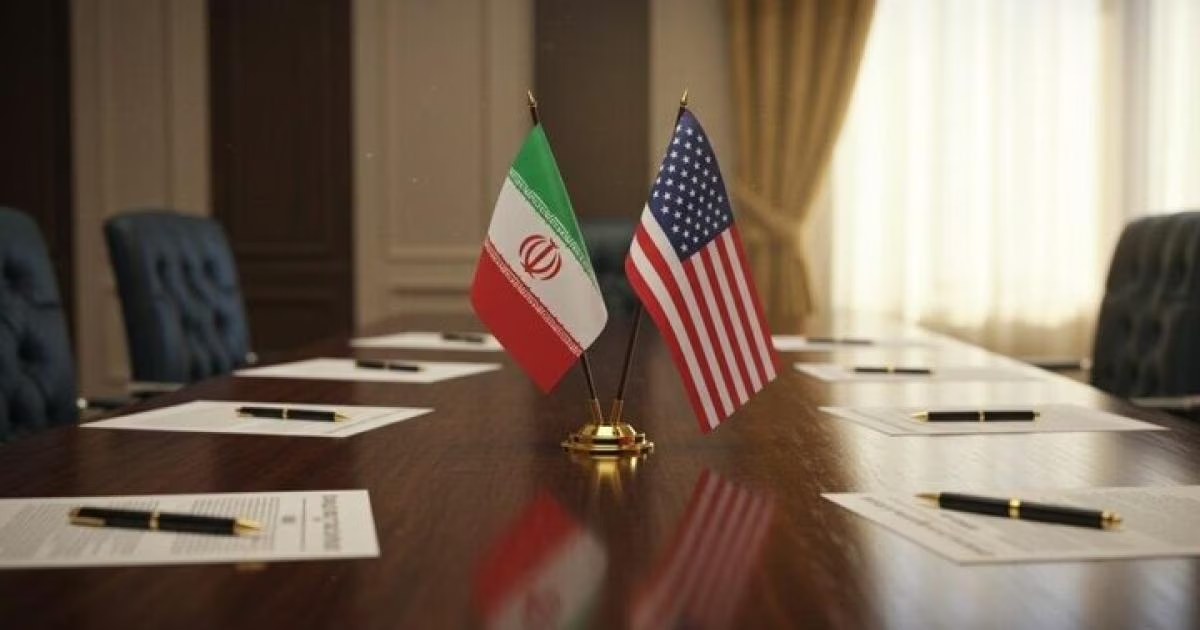







US-Iranian relations entered a new phase with the start of a round of official negotiations in the Swiss resort of Bürgenstock, today, Sunday. This step comes after the memorandum of understanding signed between the two parties came into effect, amidst international anticipation of what these talks will yield in redrawing the balance of power in the Middle East.
Pakistan had officially announced the start of these talks, which fall under the framework of what is known as the 'Islamabad Memorandum of Understanding'. This memorandum, signed electronically by Presidents Donald Trump and Masoud Pezeshkian, aims to put an end to escalating tensions and open a sustainable negotiation path between the two powers.
The first technical sessions in Switzerland focus on developing precise mechanisms for implementing the memorandum's provisions and ensuring both parties adhere to mutual commitments. This path represents a necessary prelude to moving on to more complex and sensitive issues in later stages of the ongoing diplomatic dialogue.
Qatari and Pakistani mediation played a pivotal role in bridging the views between Washington and Tehran to reach this point. Sources reported that regional efforts focused on formulating flexible positions that allow overcoming initial obstacles and building trust bridges lost for many years.
Despite the optimistic atmosphere, challenges arise regarding the definition of 'allies' in the memorandum, which has sparked reservations and escalation from the Israeli side. Observers believe that the ambiguity in some texts was intentional to facilitate signing, but it now faces difficult tests on the ground.
The presence of the Qatari Prime Minister and Foreign Minister, Sheikh Mohammed bin Abdulrahman, in Switzerland reflects the seriousness with which mediators view the success of this round. Doha, through its long experience in this file, seeks to ensure that fragile understandings do not collapse under the pressure of field escalation.
For its part, Tehran views this memorandum as a gateway to broader agreements that guarantee its national security and enhance its regional presence. Iranian sources confirm that adherence to the diplomatic path is linked to the extent of the other party's response to demands for lifting the suffocating economic blockade.
The past period witnessed field tension, represented by Iran's closure of the Strait of Hormuz, a step it described as a response to Israel's non-compliance with the truce provisions. This escalation is closely linked to the situation in southern Lebanon, placing the Lebanese front as a pressure element on the negotiating table.
Analyses indicate that the current memorandum guarantees a sixty-day truce on various fronts, but it does not mean a definitive end to the conflict. The primary goal is to provide a calm environment that allows discussion of major issues of concern to the international community, foremost among them navigation security.
The issue of the Strait of Hormuz stands out as a top priority in the first phase of negotiations due to its direct impact on global energy prices. Washington seeks to secure the flow of oil, while Tehran demands guarantees that end its imposed economic isolation and allow it to freely export its resources.
The second phase of the dialogue is scheduled to open the thorny Iranian nuclear file with all its technical and political details. This phase includes discussions on freezing enrichment operations and the fate of major nuclear facilities such as 'Natanz' and 'Fordo' that Washington demands be dismantled.
The United States stipulates the establishment of surprise and direct inspection mechanisms for Iranian facilities, in addition to addressing the fate of tons of enriched uranium. In contrast, Iran insists that any concession in this file must be met with a comprehensive and complete lifting of all sanctions imposed for decades.
Experts believe that the success of the Switzerland negotiations depends on the parties' ability to separate regional issues from the bilateral track. However, the close link between Tehran and its allies in the region, such as Hezbollah, remains a crucial factor that could lead to the success or failure of the entire process.
The real test for the international community and mediators lies in transforming this temporary truce into lasting and comprehensive peace. The intertwined interests and historical complexities make the journey to finding a final agreement a perilous path, but it remains the only option to avoid a widespread military confrontation.
The current phase requires pushing for the start of negotiations between Washington and Tehran, where sovereign issues such as the Strait of Hormuz and regional security will be put on the table for discussion.
شارك برأيك
Switzerland Negotiations Between Washington and Tehran Begin: Will the 'Islamabad Memorandum' End Decades of Conflict?