







Questions are escalating regarding the future of the Palestinian cause in light of the open conflict between Israel and Iran. Observers believe that the occupation has diligently sought to exploit this confrontation as a smokescreen to divert attention from what is happening in the Gaza Strip. With international powers preoccupied with monitoring the hot fronts in Tehran and Lebanon, Tel Aviv found a wider space to isolate Palestinians away from intense international scrutiny.
The decline in media coverage momentum for the Gaza Strip has given the Netanyahu government complete comfort in evading its humanitarian and legal obligations. No real breakthrough was seen at the crossings, and humanitarian aid remained trapped by Israeli restrictions, bringing back the specter of famine to loom over the Strip once again, despite repeated talks of calm understandings.
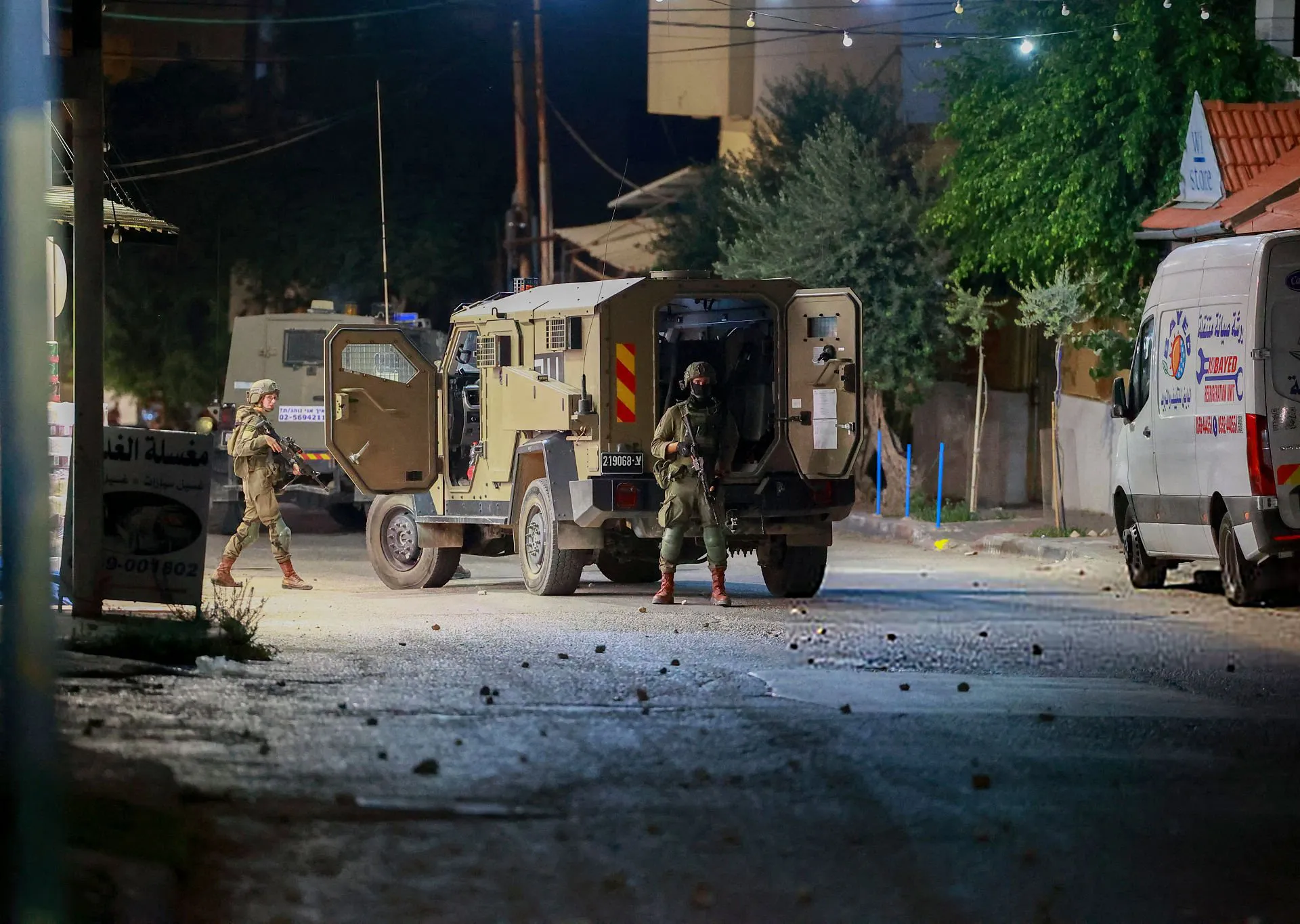
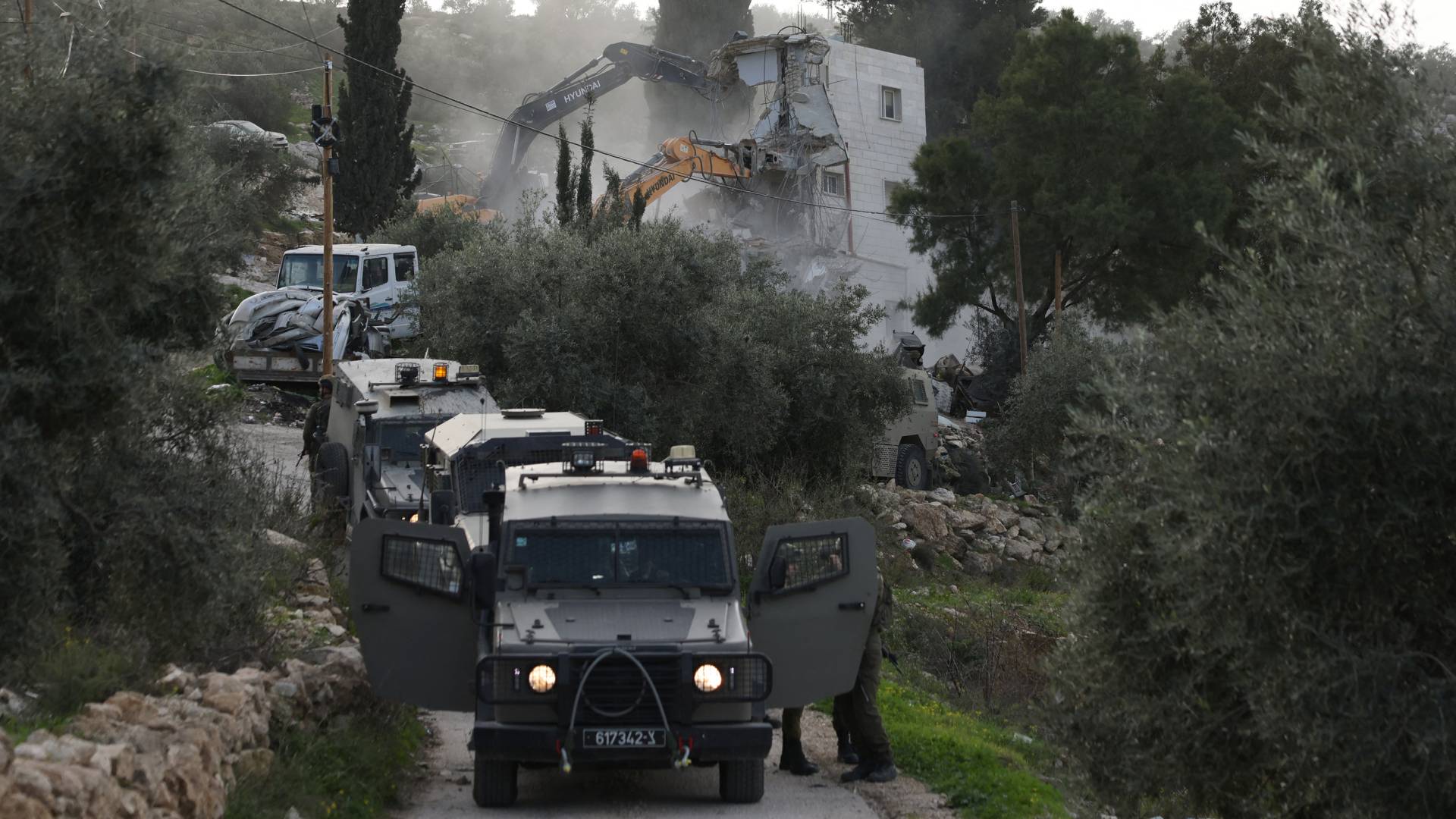
On the ground, Israeli violations in Gaza did not stop, as systematic assassination operations continued, targeting resistance elements and government administrative cadres. Occupation forces also continued their scorched-earth policy by detonating residential blocks and demolishing homes, exploiting the general military alert in the region to justify their continuous escalation against civilians and displaced persons.
On the political and legislative fronts, the far-right government exploited these circumstances to pass dangerous strategic decisions, most notably the Knesset's approval of the prisoners' execution law. This racist trend coincided with repressive measures in occupied Jerusalem, including the closure of Al-Aqsa Mosque throughout Ramadan and Eid al-Fitr, in a move aimed at imposing a new temporal and spatial reality.
In the context of political pressures, the American role emerged as a tool to maximize pressure on Palestinian resistance factions, specifically the Hamas movement. Washington put forward what was known as the 'Mladenov paper,' which included explicit demands for disarmament, accompanied by threats of a return to all-out war if the proposal was rejected, which Palestinians considered an attempt to impose surrender.
In parallel with these pressures, the region is awaiting the results of the upcoming talks in Pakistan, where US Vice President J.D. Vance is leading a high-level delegation to negotiate with the Iranian side. These moves come before the expiration of the current ceasefire scheduled for next Wednesday, amid Israeli assessments indicating the possibility of these diplomatic efforts failing.
The Israeli army, for its part, raised its alert level to the maximum, imposing strict military censorship on the movements of reserve forces and air defense units. These preparations come amid monitoring of exceptional Iranian movements described as a prelude to a potential attack, in response to the non-inclusion of the Lebanon front in previous calm agreements.
Despite these challenges, analysts believe that the war has produced results that may benefit the Palestinian cause in the long run, the most important of which is the erosion of American deterrence power in the region. Developments have shown Washington's inability to impose its absolute will, which opened the door for other international powers such as China and Russia to strengthen their presence as strategic alternatives in regional balances.
Israel's failure to militarily end what it describes as 'threats' in Lebanon, Yemen, and Gaza reinforces the idea of exhausting the occupation on multiple fronts. This long-term attrition directly affects the military, security, and economic structure of the occupying state, and makes the option of absolute military decisive action a distant prospect in light of the steadfastness of the resistance.
There is a growing state of apprehension among major regional countries such as Turkey, Saudi Arabia, Egypt, and Pakistan towards Israeli expansionist ambitions. These countries have come to realize that Israel's success in liquidating the Palestinian cause may make them subsequent targets in the regional hegemony project, creating an intersection of interests with the steadfast Palestinian position.
The regional anxiety about 'Greater Israel' gives the Palestinian side room for political maneuver if it manages the current phase well. The resistance in Gaza and the West Bank today represents the last line of defense that protects the entire region from violation, which requires intermediary and guarantor countries to bear historical responsibility to fortify the Palestinian negotiating position.
The Palestinian negotiator today faces a fateful challenge: the necessity of steadfastness and hardening positions to extract the entitlements of the first phase of calm. This position must be based on rejecting any concessions that affect the essence of national rights, while emphasizing that the will of the occupation and the American administration is not an inevitable fate that can be imposed by force.
Ultimately, Gaza remains the compass despite attempts at marginalization, as events have proven that any regional stability that does not pass through the gateway of Palestinian rights is fragile stability. The interconnectedness of fronts from Tehran to Gaza confirms that the Palestinian cause remains the primary driver of conflict in the Middle East, no matter how many attempts are made to circumvent it.
Attention is now turning to what the next few days will bring, whether in the negotiation halls in Pakistan or on the confrontation field in the Gaza Strip. While Netanyahu tries to buy time, the Palestinian resistance continues to bet on the factor of time and the changing international and regional balances to break the cycle of siege and continuous aggression.
The occupation government exploited the circumstances of the war and the preoccupation with it to impose paths with a strategic negative impact on the Palestinian cause, benefiting from the decline of Gaza in the global coverage agenda.
شارك برأيك
Intersection of Fronts: How Israel Used Escalation with Iran to Tighten the Noose on Gaza?