







Signs of an undeclared settlement between Washington and Tehran began to emerge after the Islamic Republic announced the full opening of the Strait of Hormuz to international shipping. This Iranian move came as a signal linked to the ceasefire in Lebanon, which US President Donald Trump responded to by directly thanking Tehran, despite his subsequent confirmation of continued individual maritime sanctions against it.
International shipping data tracked three Iranian oil tankers, previously under sanctions, moving from Kharg Island, carrying about five million barrels of oil through the strait. This field development reflects a surprising flexibility in the American handling of Iranian oil exports, indicating the existence of behind-the-scenes understandings aimed at de-escalating the inflamed regional fronts.
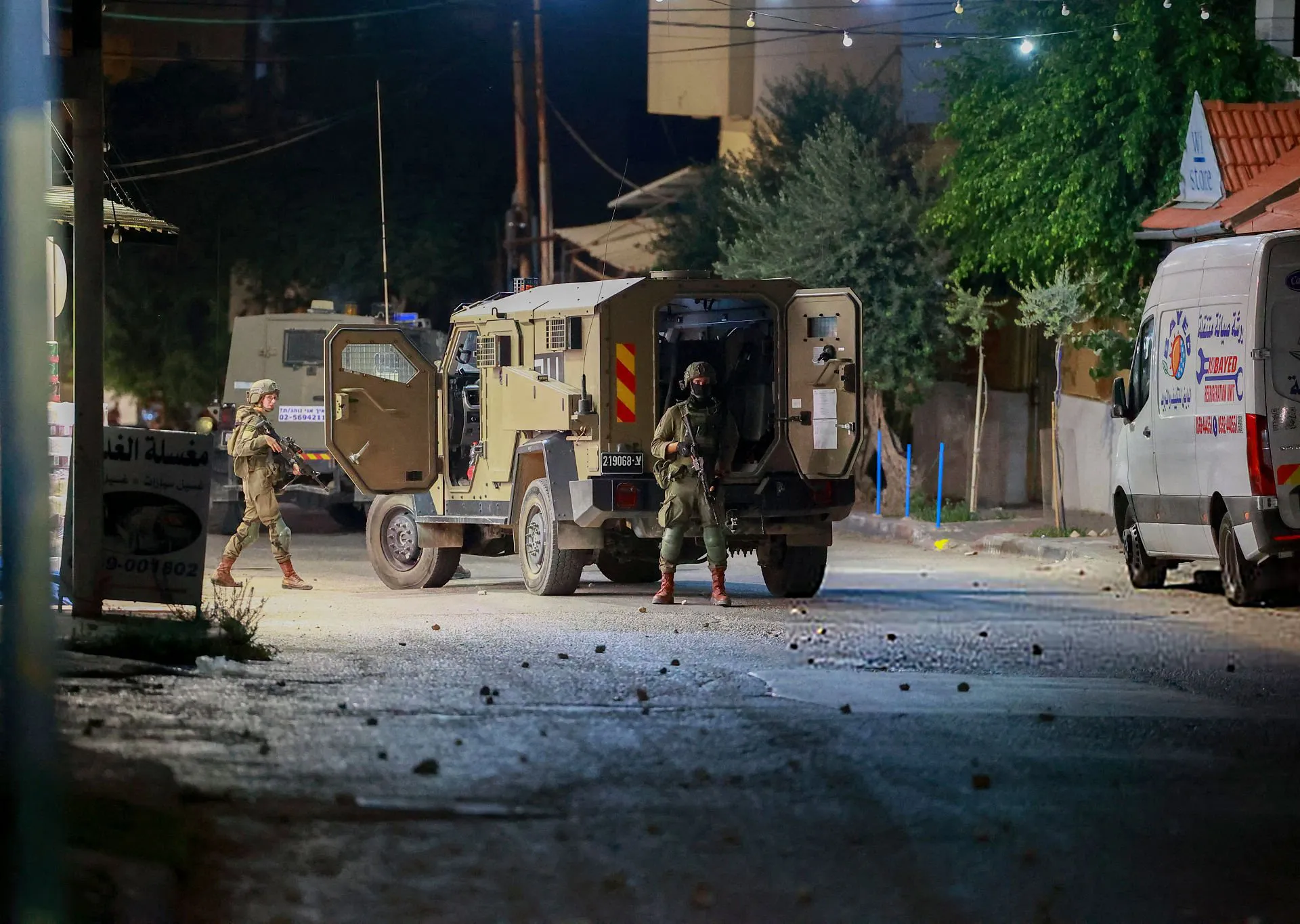
In contrast, a growing gap is emerging between the White House and Benjamin Netanyahu's government, with the latter quickly asserting that the military mission in Lebanon is not yet over. Defense Minister Yoav Gallant joined this stance, emphasizing that ground operations will continue to eliminate militants in southern Lebanon, in a clear challenge to the declared American desire to end the escalation.
President Trump issued statements described as the sharpest towards the Israeli ally, confirming that the United States would take unilateral measures to ensure Lebanon's stability. Trump went so far as to announce a US ban on bombing Lebanon again, using expressions that suggest American impatience with Israeli military policies that disregard international interests.
The Israeli field response to these statements was not delayed, as drones launched a raid in southern Lebanon, resulting in a casualty just minutes after Trump's words. It seems that this raid was a direct test of the seriousness of American threats, and a message from Tel Aviv that its military decision remains independent of Washington's political will.
On the diplomatic front, US Special Envoy to Syria Thomas Barrack sharply criticized Netanyahu's approach, considering that he disregards all border lines and international agreements. Barrack pointed out at the Antalya Diplomatic Forum that current Israeli policy is out of sync with the regional consensus and does not align with general trends aimed at de-escalation in the region.
Domestically in the United States, popular and political bases are witnessing unprecedented shifts, as discontent has begun to creep into Trump's pro-Israel right-wing circles due to absolute subservience to Israel. Trump recently attacked influential media figures who criticized his administration, in an attempt to control the growing division within his election camp over unconditional support for Tel Aviv.
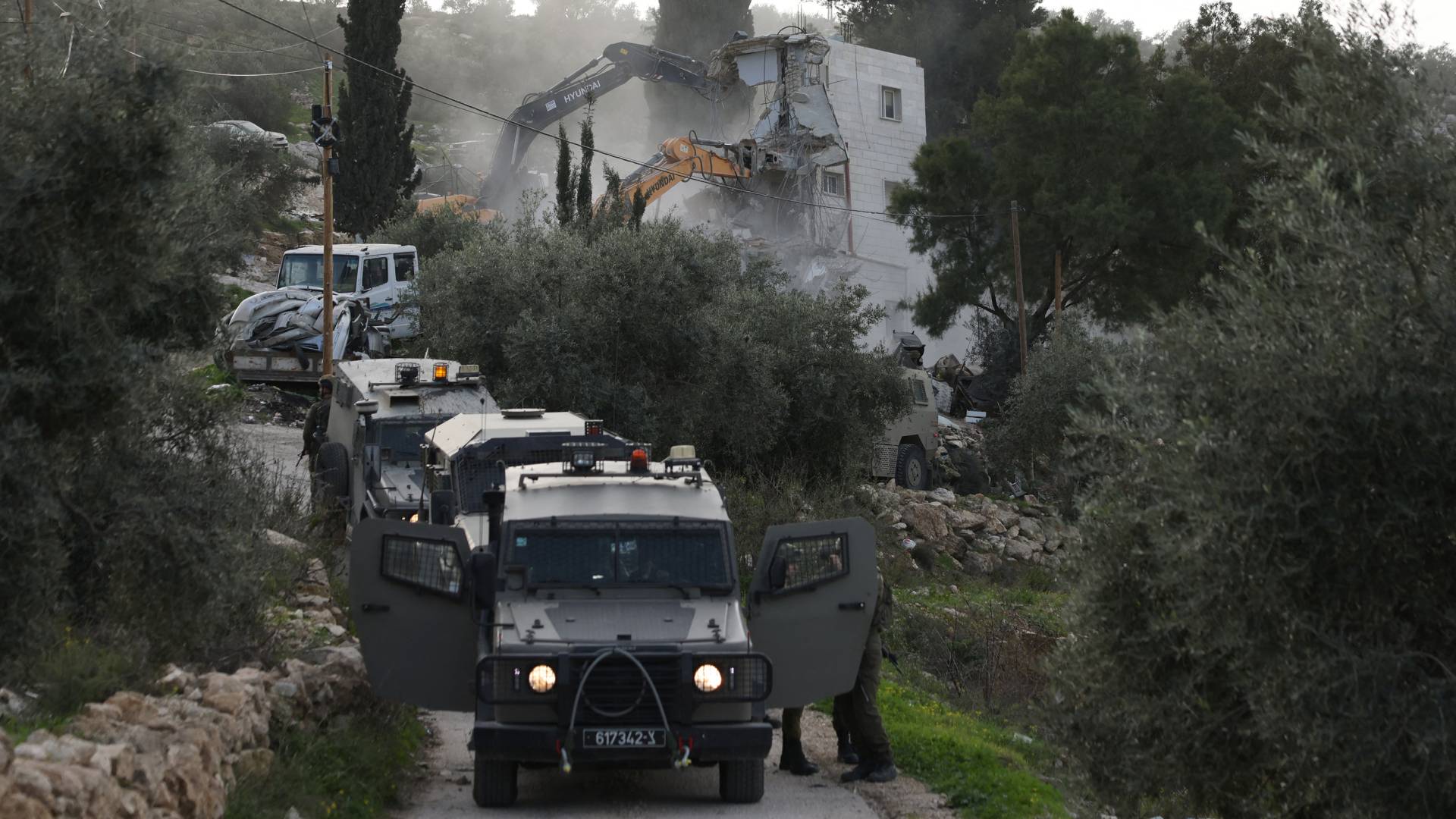
In a remarkable parliamentary move, the vast majority of the Democratic bloc in the Senate voted in favor of resolutions preventing the sale of offensive weapons and military bulldozers to Israel. This vote, which included 40 members, reflects a fundamental change in the position of the Democratic Party, which historically competed with Republicans to show absolute loyalty and support for the Israeli side.
These political shifts coincide with the continuation of Israeli attacks on Syrian territories, where field sources monitored the arrival of reinforcements and bulldozers to the Quneitra Governorate. The intertwining of these issues indicates that Israeli arrogance may lead to an exacerbation of Tel Aviv's international isolation, even within the decision-making circles in Washington, which has begun to grow weary of the continuous transgressions.
Israel will not bomb Lebanon again; it is forbidden from doing so by America... Enough is enough.
شارك برأيك
Cracks in the US-Israeli Relationship: Is the Era of the Blank Check Over?