







Hezbollah carried out a series of large-scale attacks today, Wednesday, including more than 11 operations using drones and advanced missiles. These attacks targeted strategic sites and military command headquarters in central and northern areas, reflecting an escalation in the pace of field operations.
In official statements, the party announced that it targeted vital air and naval bases, including 'Ramat David' base and 'Haifa' naval base. The strikes also hit 'Tel Hashomer' base, located 120 kilometers from the Lebanese border, and 'Ein Shemer' air defense base east of Hadera.
In a significant development, kamikaze drones were used to strike Iron Dome radars at the 'Kiryat Eliezer' site in occupied Haifa. The party also announced targeting the headquarters of the Israel Aerospace Industries (IAI) company in central occupied Palestine, confirming accurate hits on the targeted sites.
On the ground, the attacks targeted Israeli military vehicles in the village of Houla, where a 'Merkava' tank and an armored personnel carrier were targeted with appropriate weapons. The operations also included 'Geva' drone control base and 'Dado' base, which serves as the northern command headquarters of the occupation army.
For its part, Hebrew media sources revealed Hezbollah's use of a cluster missile for the first time since the start of the current confrontations. Reports indicated that the missile fell in the Metula area near the border, causing extensive material damage to the targeted site.
In the context of ground confrontations, the occupation army admitted that two of its soldiers were moderately wounded after their forces were exposed to anti-tank fire in southern Lebanon. The military statement confirmed that the injured were evacuated by helicopters to hospitals for necessary treatment under tight security.
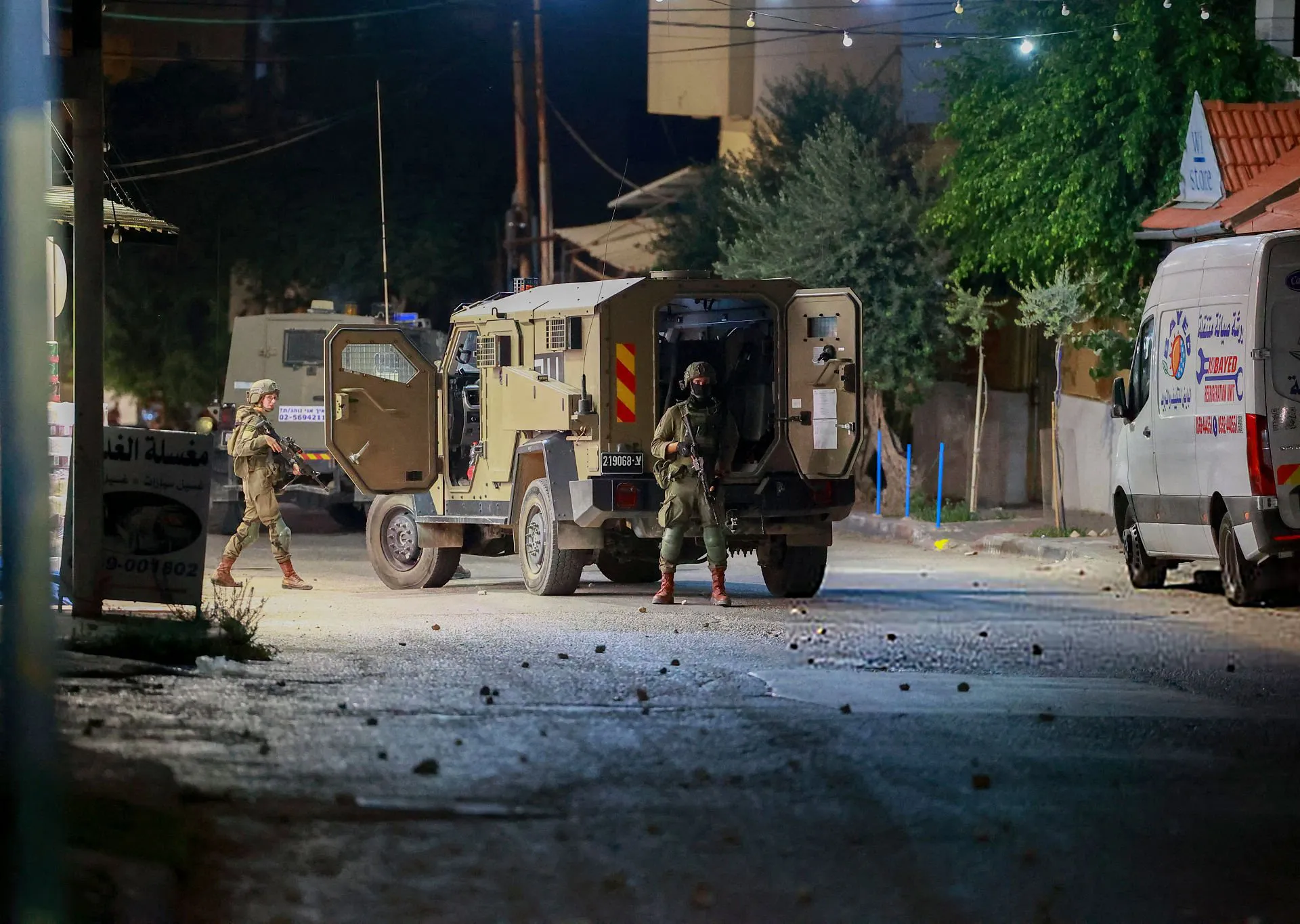
Regarding ground movements, international sources confirmed the incursion of Israeli forces into several towns and villages within the scope of UNIFIL operations. The incursion included the towns of Houla, Kafr Kila, Kafr Shuba, and Yaroun, reaching the town of Khiam, which is about six kilometers from the border line.
Local sources reported that the occupation army began establishing new strongholds, placing a military post in front of the Khiam municipality building. This move coincided with a redeployment of the Lebanese army in some border locations to keep pace with the rapid field developments in the southern region.
These movements come in implementation of instructions from Israeli Security Minister Yisrael Katz, who ordered his forces to advance and seize new positions. The occupation aims through these operations to try to impose a buffer zone in southern Lebanon, despite the fierce resistance it faces in the border villages.
Specifically, the town of Khiam is witnessing the most prominent confrontations, as Israeli forces try to control it after previous failed attempts last September. Field sources stated that the occupation advanced from Hamamis Hill towards the center of the town under heavy fire cover and concentrated artillery and aerial bombardment.
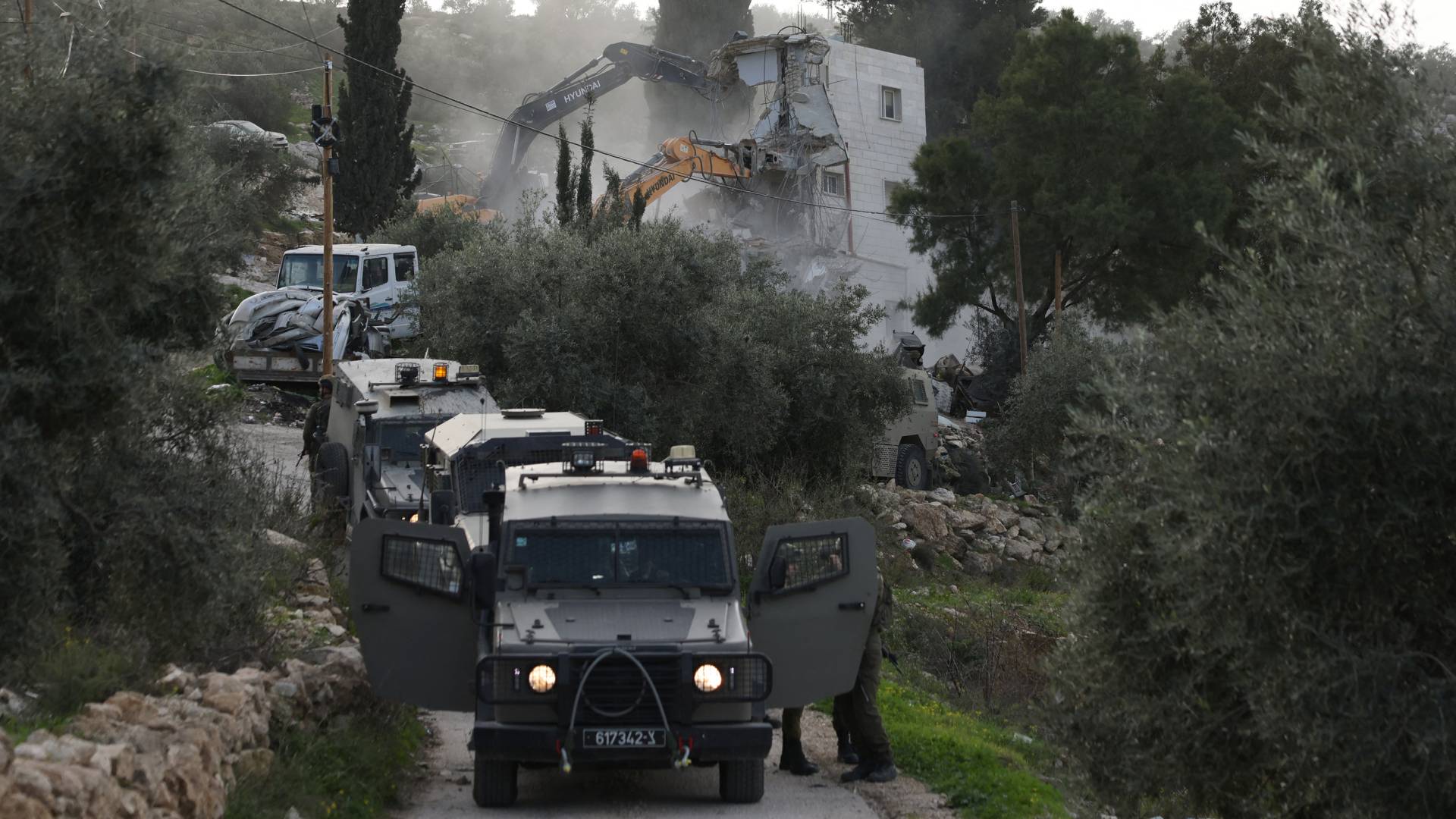
In the Kafr Shuba axis, sources recorded an incursion of military vehicles and bulldozers belonging to the occupation into the southern part of the town within the Arqoub area. Israeli forces positioned themselves at strategic points after extensive bulldozing operations of green areas and properties in the targeted area.
In parallel with ground operations, Israeli warplanes continued to launch intense raids targeting dozens of villages and towns deep in the south. The bombardment also extended to the southern suburb of Beirut, resulting in widespread destruction of residential buildings and infrastructure amid the ongoing military escalation.
Sources reported that Israeli forces are present today in a number of villages and towns, including Houla, Kafr Kila, Kafr Shuba, Yaroun, and Khiam, about six kilometers from the border.

شارك برأيك
Widespread Field Escalation: Hezbollah Shells Israeli Depth and Occupation Advances into Khiam