







American legal expert Kenneth Roth believes that international humanitarian law remains the only necessary tool to address atrocities and grave violations in the Gaza Strip, Sudan, and Ukraine. Roth, the former director of Human Rights Watch, explained that this law is currently facing unprecedented challenges that threaten its effectiveness in protecting civilians during armed conflicts.
Roth based his analysis on a comprehensive study of current conflicts, noting that humanitarian law has reached a 'critical breaking point' due to major powers ignoring international standards. However, he considered that the widespread global reactions to the targeting of civilians confirm that it is too early to declare the death of this global legal system.
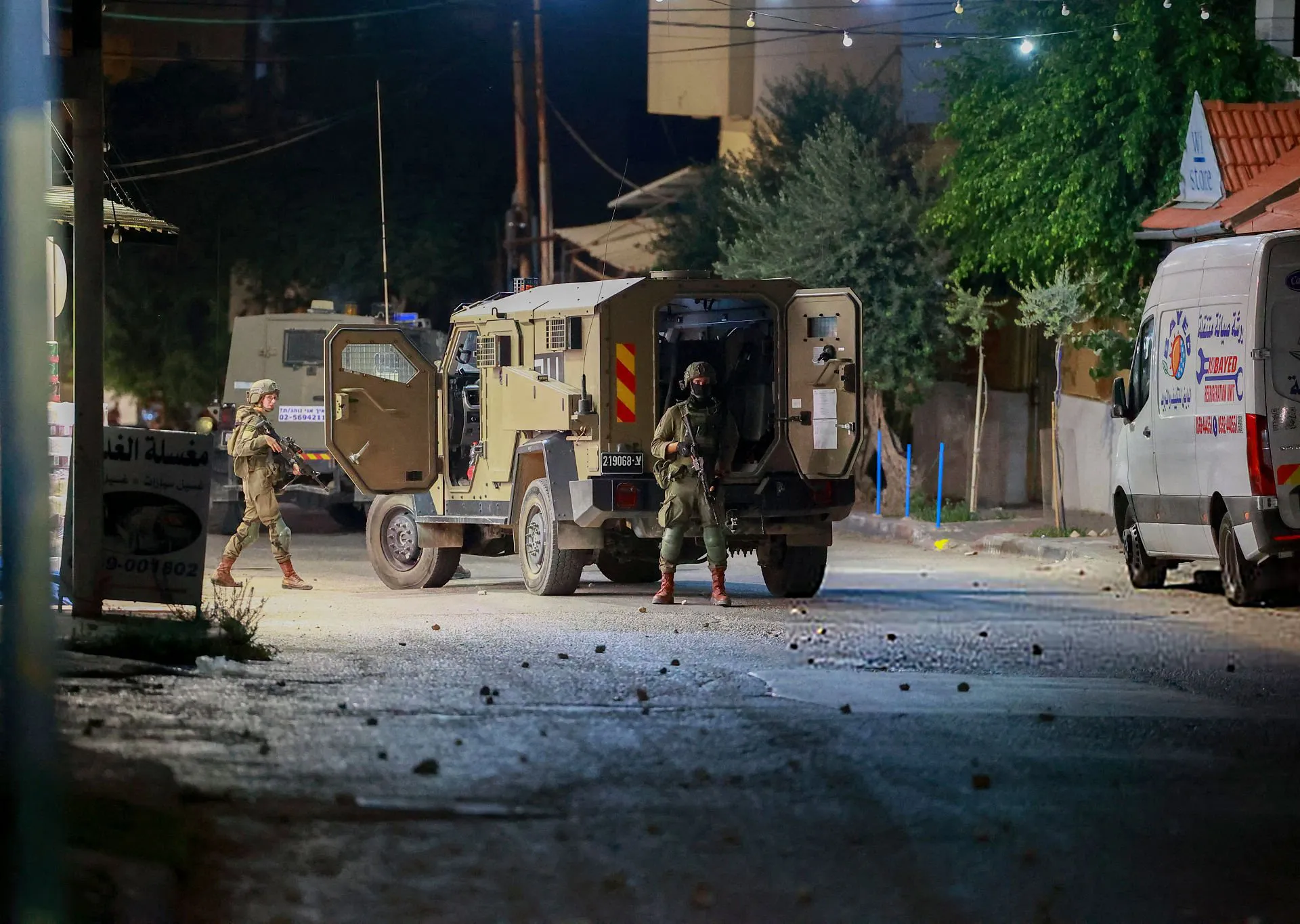
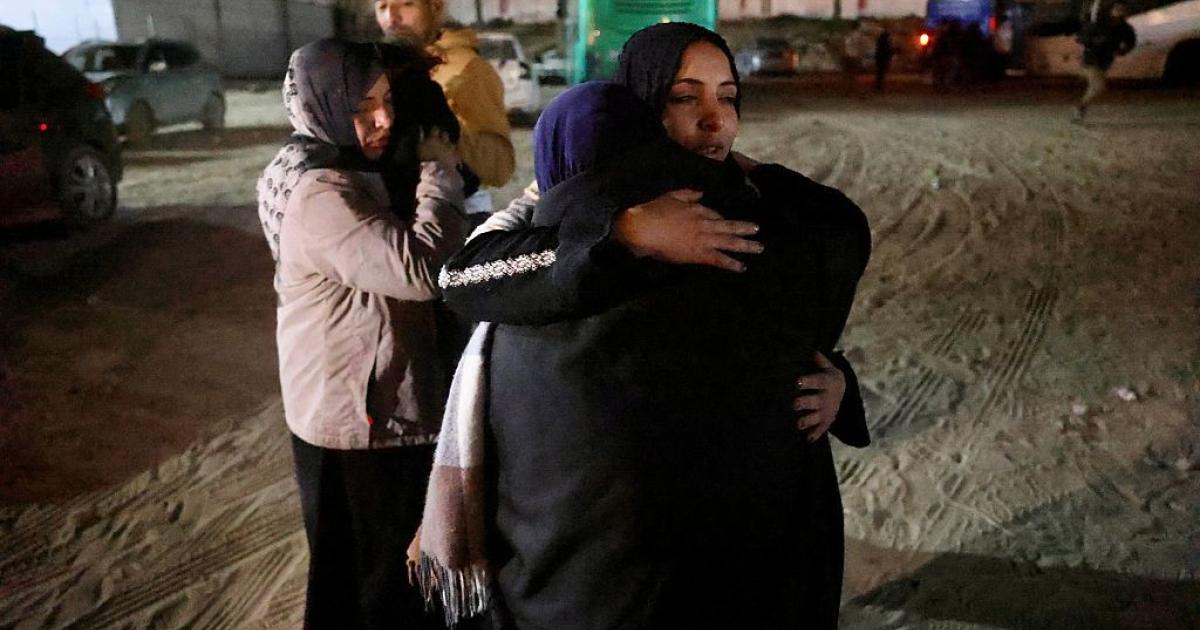
Regarding the aggression on the Gaza Strip, Roth affirmed that Israel flagrantly violated the Geneva Conventions, which are the cornerstone of international law. He pointed out that the occupation army adopted a policy of indiscriminate bombing of residential areas, directly targeted civilians, and used starvation as a weapon through the deprivation of food and necessities.
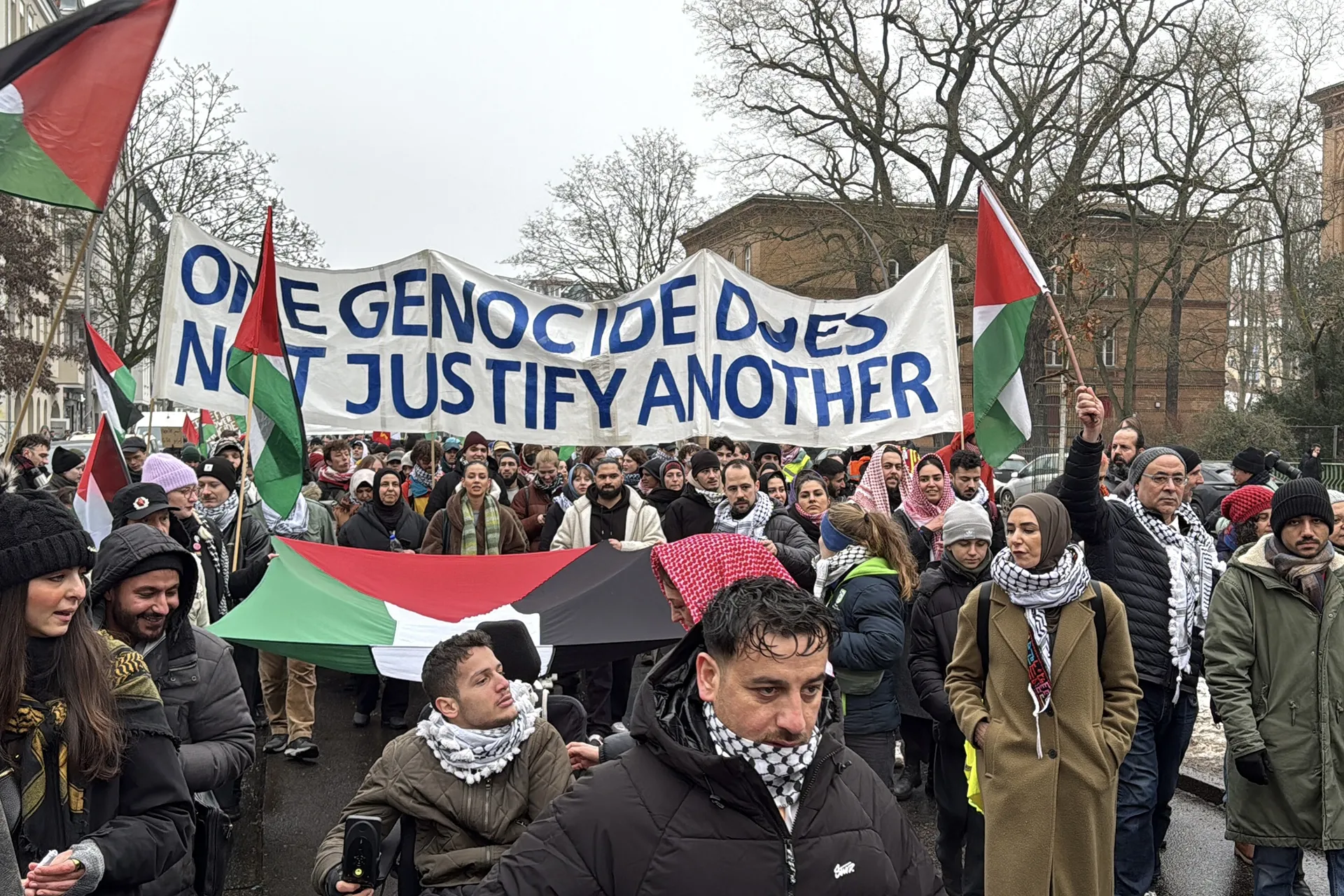
The legal expert criticized the paralysis that has afflicted the UN Security Council as a result of Washington's use of the 'veto' to protect Israel from accountability. Despite this obstruction, Roth noted that the UN General Assembly and the Human Rights Council continued to issue repeated condemnations and activated monitoring mechanisms that confirmed the occurrence of genocide.
The article touched upon the international judicial process, where the International Court of Justice is considering genocide accusations against Israel, with a clear demand to end the illegal occupation. The movements of the International Criminal Court also emerged, which directly accused Benjamin Netanyahu and Yoav Gallant of committing crimes against humanity.
In the context of the American position, Roth observed a sharp contradiction, as Washington continued to provide absolute military support to Israel despite documented crimes. He considered that this behavior made the United States appear as a partner in the atrocities committed, which weakened the prestige of international law that it claims to protect.
Roth drew a comparison between the international reaction to Gaza and to the Russian invasion of Ukraine, where Moscow faced widespread sanctions and international prosecutions. He believed that this response, despite the obstruction of the Security Council, proves that the international community does not accept illegal behaviors when there is political will.
As for the African continent, Roth noted a significant weakness in the international response to the bloody civil war in Sudan and military interventions in eastern Democratic Congo. He considered that this disparity in dealing with humanitarian crises fuels the feeling of double standards and undermines the universality of international law.
Regarding the role of the International Criminal Court, the Princeton University professor affirmed that it is the most appropriate body to enforce justice and prosecute war criminals. However, he warned against continuous attempts to undermine it, especially by the American administration which imposed sanctions on court officials to deter them from prosecuting Israeli leaders.
Roth revealed an internal crisis within the International Criminal Court, as it suffers from a vacancy in the position of the chief prosecutor since May 2025. This obstruction comes against the backdrop of investigations into prosecutor Karim Khan for harassment allegations, which prevented decisive action on the Gaza and Sudan files.
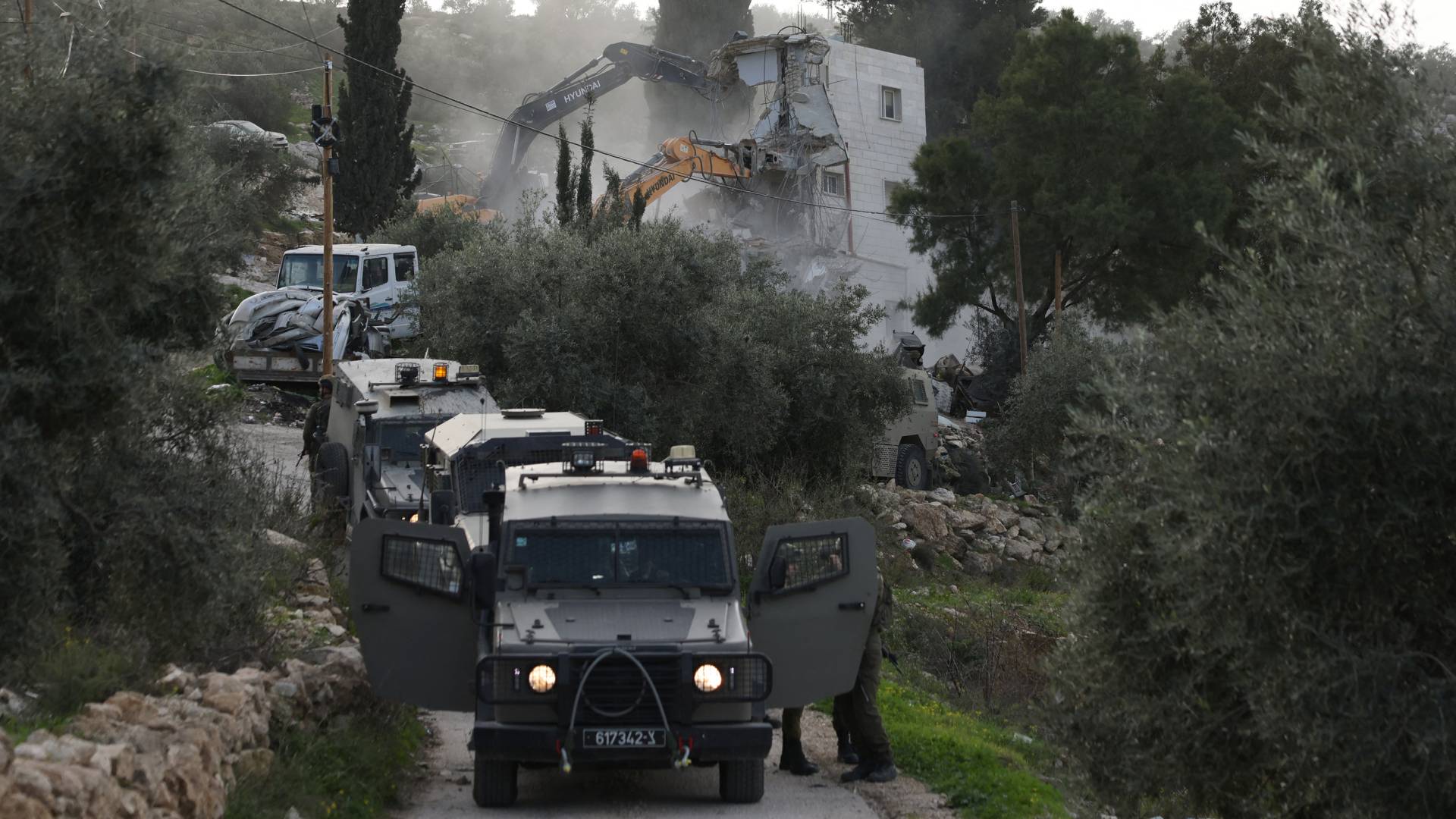
The article explained that this deteriorating situation prevented the court from issuing public accusations regarding the violent bombing campaigns in Gaza or the settlement expansion in the West Bank. Prosecutions were also absent for perpetrators of atrocities in Sudan, which gave the perpetrators a sense of permanent impunity.
In conclusion of his analysis, Kenneth Roth called on the 125 member states of the International Criminal Court to take urgent action to appoint a permanent prosecutor. He stressed the need to unite international efforts to defend victims and ensure the consistent enforcement of law, away from narrow political calculations.
International humanitarian law does not face an existential threat, but it has reached a critical breaking point in light of what is happening in Gaza and Sudan.
شارك برأيك
Kenneth Roth: International Law Faces a 'Breaking Point' in Gaza and Sudan, and the ICC is Shackled