







On Monday, the movement of individuals through the Rafah border crossing between the Gaza Strip and the Arab Republic of Egypt will resume in both directions, within a limited scope and under strict security restrictions, after a period that witnessed violations leading to the martyrdom of individuals in the Strip, amid widespread condemnations from the European Union and Arab and Islamic countries.
This step comes after the Israeli occupation army announced on Sunday the completion of establishing a screening and inspection corridor for those coming from Egypt, named 'Rigavim', which will be managed by Israeli security agencies in an area under army control; to verify the identities of those crossing based on pre-approved lists.
For his part, the coordinator of the occupation government's activities in the Palestinian territories clarified that the opening of the crossing on Sunday was a trial phase in coordination with the European Union mission and Egypt, noting that the return of those who left the Strip during the war requires Egyptian coordination and Israeli security approval, with the European mission undertaking the initial screening of travelers.
In contrast, Hazem Qassem, spokesman for the Hamas movement, warned that any Israeli obstruction or conditions regarding the crossing constitute a blatant violation of the ceasefire agreement, calling on mediators and guarantor states to monitor the occupation's field behavior.
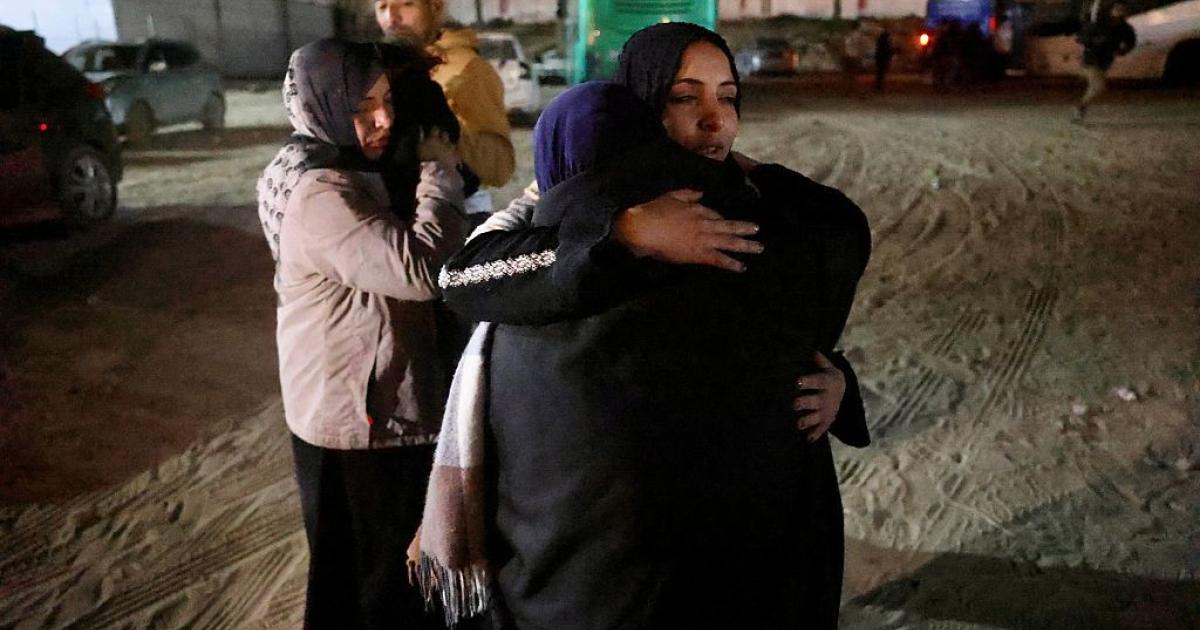
On the medical front, the opening of the crossing offers a glimmer of hope for transferring the wounded and sick for treatment abroad, as Adnan Abu Hasna, media advisor to the 'UNRWA' agency, confirmed that the World Health Organization will supervise these operations, while emphasizing the need to evacuate large numbers due to the inability of local facilities to provide services.
A wide gap emerges here; Israeli estimates set the ceiling for departures at about 150 people daily, while Ismail Al-Thawabta, director of the Government Media Office, confirms the presence of about 22,000 patients and wounded in urgent need of travel, meaning that their evacuation according to current rates may take nearly five months, in addition to the urgent need for 600 aid trucks to enter daily.
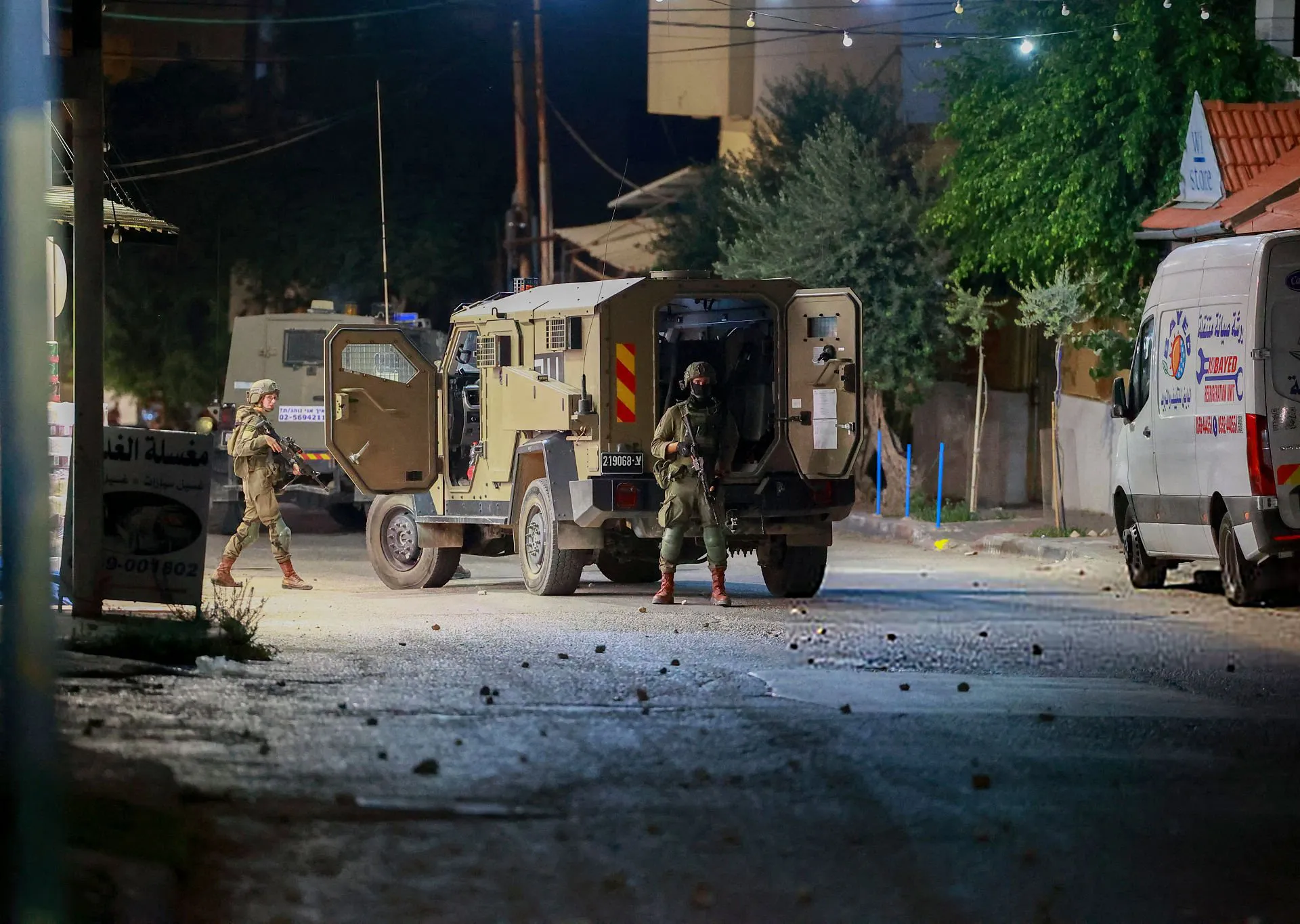
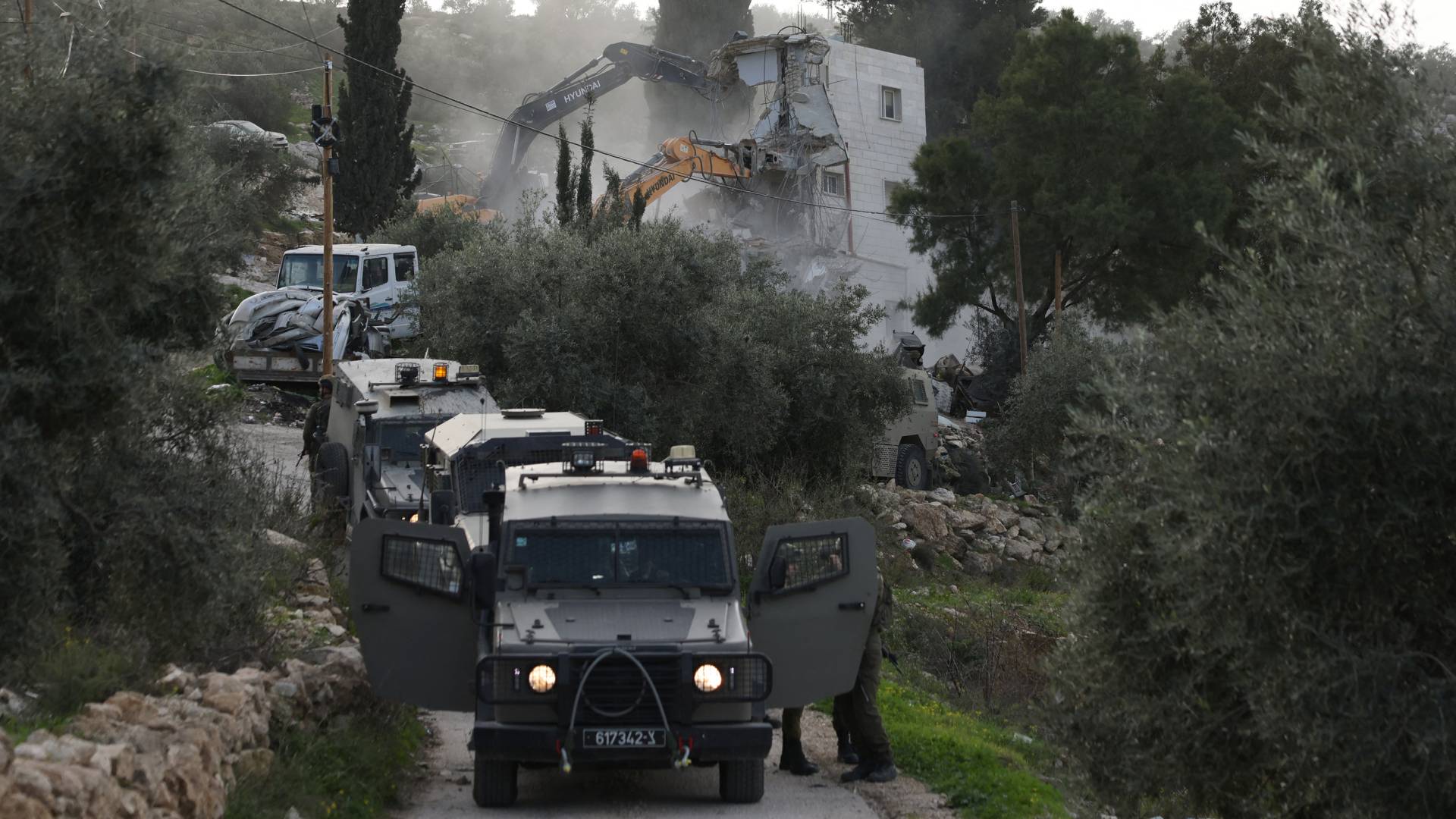
On the ground, the occupation army continued its violations of the ceasefire agreement, as medical sources reported the martyrdom of a Palestinian in a drone strike northwest of Rafah, and occupation forces also blew up residential buildings in the Al-Tuffah neighborhood in Gaza.
The Ministry of Health in the Strip announced an increase in the number of casualties since October 7, 2023, to 71,795 martyrs and 171,551 injured, explaining that the truce violations alone have claimed the lives of 523 martyrs so far.
In a diplomatic reaction, foreign ministers of eight Arab and Islamic countries, in a joint statement, condemned these violations, considering them a dangerous escalation that threatens the political process and hinders stability efforts. The European Union also reiterated its call for respect for international humanitarian law, denouncing the repeated violations that undermine peace opportunities.
Any Israeli obstruction or conditions regarding the crossing constitute a blatant violation of the ceasefire agreement.
شارك برأيك
Resumption of individual movement through Rafah crossing amid tight security restrictions and continuous violations