






The Israeli occupation war on the Gaza Strip has left serious health consequences affecting the most vulnerable groups, especially pregnant women and newborns. Hospitals in the Strip recorded an unprecedented increase in premature births, a decrease in birth weights, in addition to a significant increase in cases of birth defects and child deaths, amid a severe shortage of health care and food insecurity.
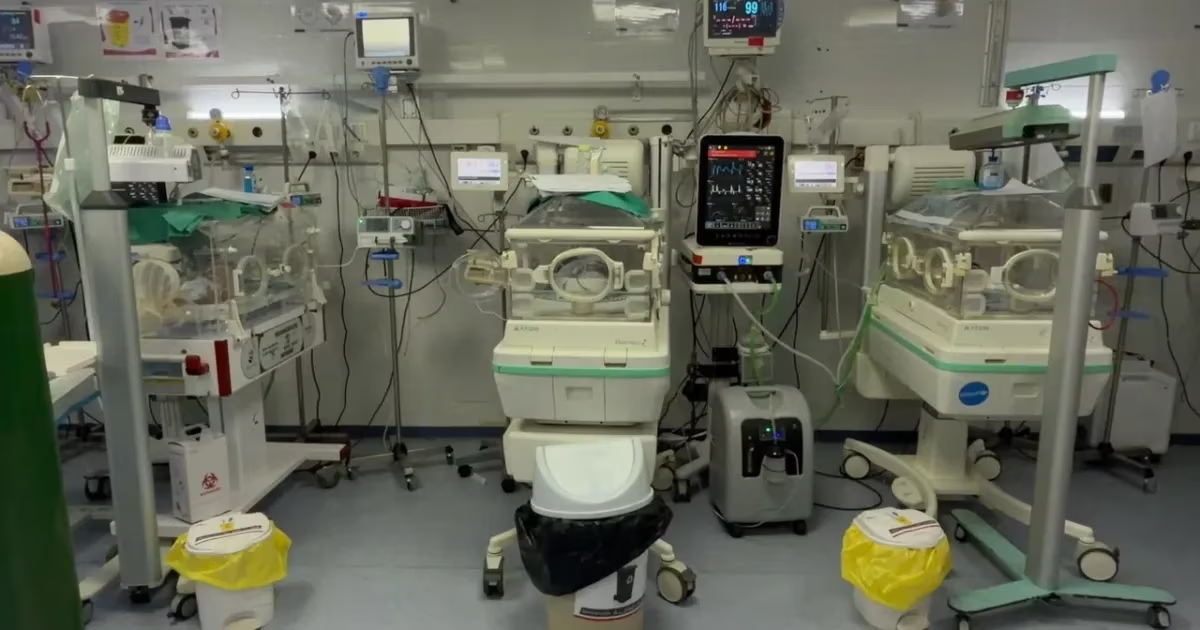
Dr. Ziad Al-Masry, a consultant pediatrician and neonatologist at the Ministry of Health, confirmed that most of the cases admitted to Al-Shifa Hospital's nursery are premature babies under 30 weeks old and weighing less than two kilograms, explaining that the majority of children admitted "were born below normal age and weight," under harsh conditions that the Strip had not witnessed before the war.
Al-Masry linked this deterioration to multiple factors, most notably malnutrition, water scarcity, difficulty in providing basic needs for pregnant women, and constant fear, noting that "the fumes resulting from bombing, and the smoke from burning wood and alternative fuels, directly affect the mother's health, and thus the fetus inside the womb."
He added that one of the most dangerous complications facing premature babies is "incomplete lung development, which forces us to keep them on ventilators for long periods," in addition to recording deformities in the digestive system that required urgent surgical interventions, at a time when hospitals suffer from a severe shortage of vital medicines, ventilators, and broad-spectrum antibiotics.
For his part, Zaher Al-Wahidi, director of the Health Information Center at the Palestinian Ministry of Health, revealed figures reflecting the scale of the disaster. He stated that the ministry recorded more than 4,900 births of underweight babies, and more than 4,100 premature births before completing "38 weeks," an increase of more than 52% compared to the year before the war.
Al-Wahidi also pointed to the recording of 315 cases of birth defects, an increase of more than 56%, and an increase in infant deaths after one week of birth by more than 90%, noting the recording of more than 616 intrauterine deaths, and more than 67% of pregnant women suffering from anemia.
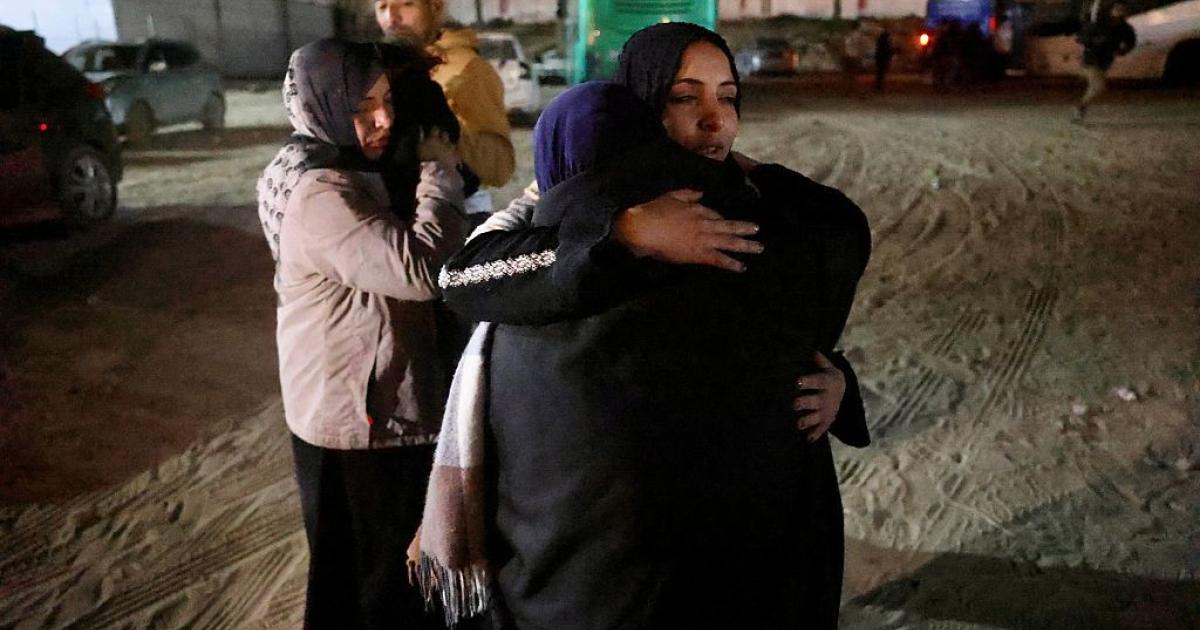
The crisis is not limited to numbers, but is clearly reflected in the testimonies of mothers. Ahed Khalil Musbah, one of the displaced, recounted her experience with pregnancy amidst bombing and displacement. She said, "I carried my son during months of famine, displacement, and continuous bombing. I suffered from dehydration and fatigue, and after birth, doctors told me he had water on his brain."
She added that the scarcity of food and the lack of basic necessities increased her suffering, explaining that "flour and lentils were all that was available, and I was shocked by the large size of my baby's head, but we try to be patient despite everything."
In light of this reality, the Ministry of Health warns against the continued repercussions of the war and siege on the health of mothers and children, demanding the opening of crossings, especially the Rafah crossing, to allow medical evacuation and the entry of medicines and medical consumables, at a time when data indicate that the continuation of the current situation portends a generation suffering from long-term health consequences, whose effects may extend for years to come.
The fumes resulting from bombing, and the smoke from burning wood and alternative fuels, directly affect the mother's health, and thus the fetus inside the womb.
شارك برأيك
Premature births and deformities.. catastrophic effects of Israel's war on the Gaza Strip