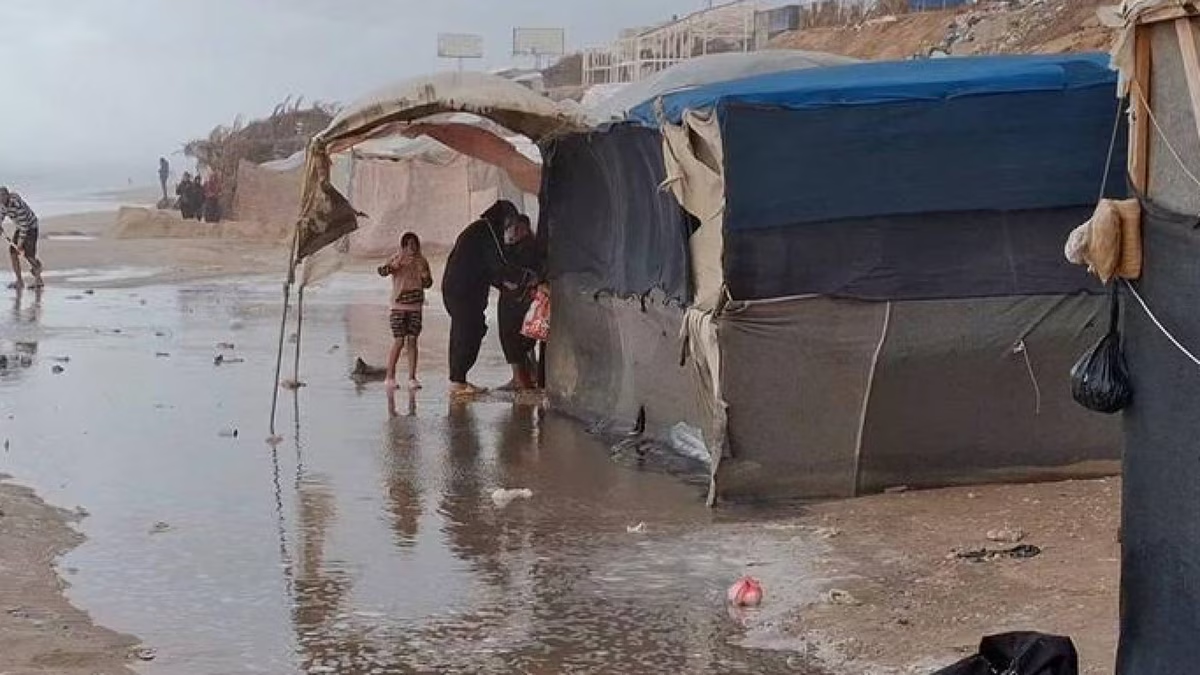







Amid the harsh conditions in the Gaza Strip, thousands of displaced Palestinian families are facing a tragic situation with the continued heavy rainfall. The tents that shelter them are turning into pools of water, exacerbating their suffering and making their lives more difficult. Every flooded tent tells a story of loss and pain, and every step in the camps becomes a test of survival and patience. Children in Gaza lack safety, as every drop of rain turns into a threat, reminding them of the loss of their homes and memories.
Rainwater easily seeps into the crowded tents, accumulating on the plastic floors, flooding the children's sleeping areas and hindering movement inside the narrow tents. The people try to use primitive tools and pieces of cloth to prevent water leakage, but they are unable to face the force of the rain and wind. Residents suffer from a lack of privacy and security, moving cautiously between tents in search of safe shelter or a place to relieve themselves, amid low temperatures that increase their daily suffering.
In the face of this humanitarian disaster, the world's silence seems like a barrier. Hearts in Gaza are calling for rescue, but this call is not heard, and the screams fade between the flooded tents and the rising water. However, the spirit of resilience remains present, clinging to hope despite all the difficulties.
Displaced people appealed to international organizations for immediate intervention, warning of an imminent humanitarian catastrophe. The spokesman for the Palestinian Civil Defense in the Gaza Strip, Mahmoud Basal, confirmed that the situation in Gaza is very dangerous, and that the aid that has reached the Strip does not match the size of the needs, calling on the world to take urgent action to save the population.
Since the early hours of Wednesday and Thursday, the Gaza Strip has been witnessing heavy rains as a result of a polar depression, which is expected to continue its impact until Friday evening.
The Gaza Strip currently needs about three hundred thousand tents and prefabricated housing units to meet the basic shelter needs of the population. United Nations estimates indicate that the cost of reconstruction is about seventy billion dollars, as a result of the long war and the widespread destruction of infrastructure and vital services.
In light of these conditions, residents express their urgent need for durable tents that provide protection and warmth, instead of temporary solutions or caravans that have not reached everyone. Children are looking forward to better tents made of rain-resistant materials, after seeing the difference between modest tents and tents capable of resisting water and cold.
With the continued siege and the difficulty of bringing in alternative shelter materials, residents feel that reconstruction efforts are delayed and that their suffering is worsening day after day, awaiting real international aid that breaks the cycle of pain and cold.
Children in Gaza do not know the meaning of safety, as every drop of rain turns into a threat, and every splash of water reminds them of what they have lost.
شارك برأيك
Gaza Under the Weight of Winter: The Suffering of the Displaced Worsens with Continuing Rain