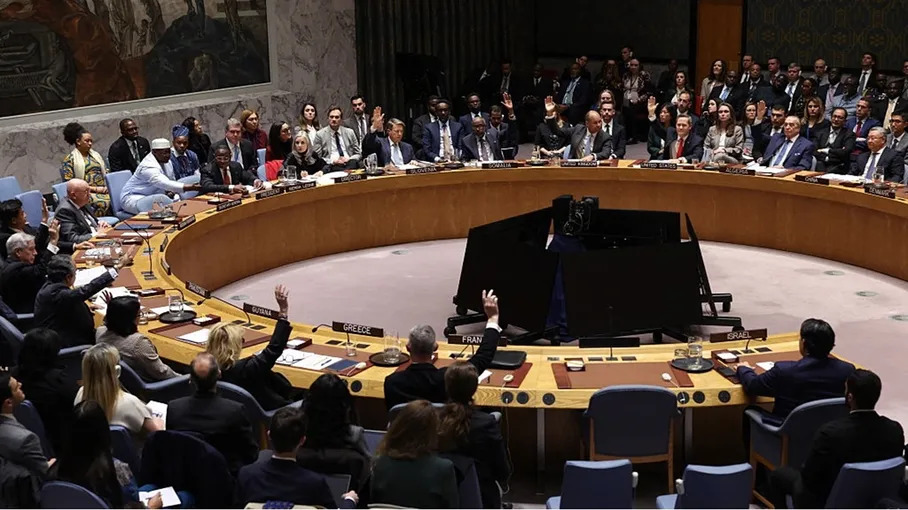







The British newspaper "The Guardian," in a report prepared by Julian Borger, described the United Nations Security Council's decision regarding Gaza as the strangest and most ambiguous, especially since it mandates the "Peace Council" in Gaza to oversee an international stabilization force, the countries willing or ready to participate in which remain unclear.
The newspaper stated that "the UN resolution aims to transform the fragile ceasefire in Gaza into a real peace plan, and is one of the strangest decisions in the history of the United Nations," adding that "it grants Donald Trump absolute control over Gaza, and Tony Blair may be directly subordinate to him in the Peace Council, which will oversee multinational peacekeeping forces, a committee of Palestinian technocrats, and a local police force for two years."
The report noted that "no one knows who will participate in the Peace Council; it is only as Trump announced on social media, that it will be chaired by the American president and will include the strongest and most respected leaders from around the world," pointing out that the council will report to the Security Council, but will not be subordinate to the United Nations or bound by its previous resolutions.
It continued: "It will oversee the international stabilization force, the number of whose members has not yet been specified, and which the United States wishes to deploy by January. The countries that the United States has contacted, including Egypt, Indonesia, Turkey, and the United Arab Emirates, have expressed hesitation so far."
It highlighted that the resolution stipulates that the international stabilization force will ensure a "disarmament process" in Gaza, indicating that it will have to withdraw weapons from "Hamas," which immediately insisted after the UN vote that it would not disarm.
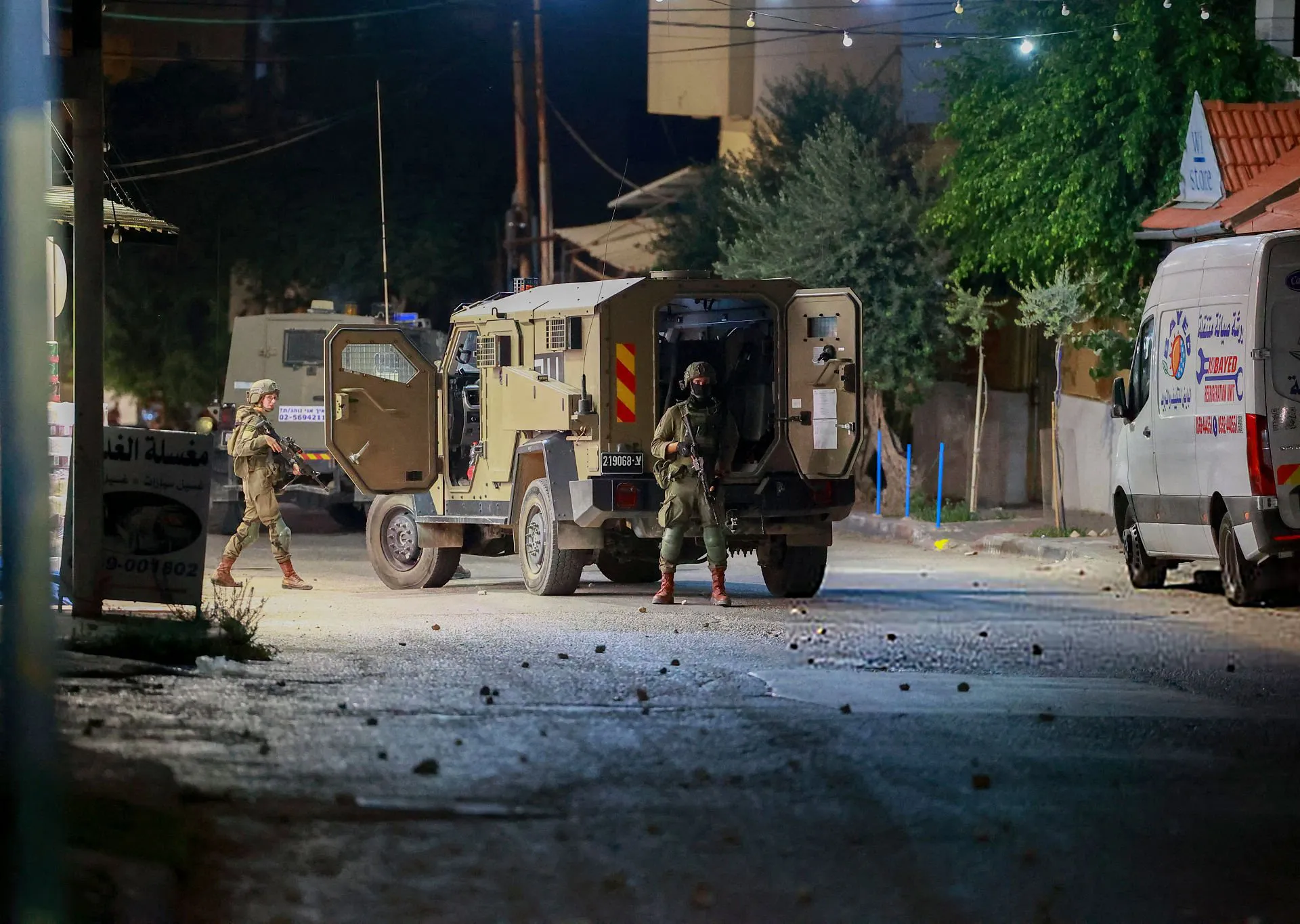
The report's author commented: "There is no appetite among the countries that will participate in the international force to confront the seasoned fighters of the movement. In the meantime, Israeli security forces are expected to take responsibility for security in the territories currently occupied by Israeli forces, but this too could serve as a recipe for clashes, especially if the Israelis hesitate to leave."
It continued: "There is no greater clarity regarding the committee of Palestinian technocrats that will be tasked with managing the daily affairs of the Gaza Strip, under the guidance of Trump and his fellow leaders. It will be difficult, to say the least, to find any of these technocrats willing to work with Trump, who may have any influence over the 2.2 million Palestinians living in Gaza. The same applies to the alleged police force."
The Guardian emphasized that "despite the stifling ambiguity, Security Council Resolution 2803 has granted all these ambitious bodies the force of international law, in an attempt to transform Trump's 20-point peace proposal into a plan and to bolster the fragile ceasefire mediated by the United States last month into a lasting peace."
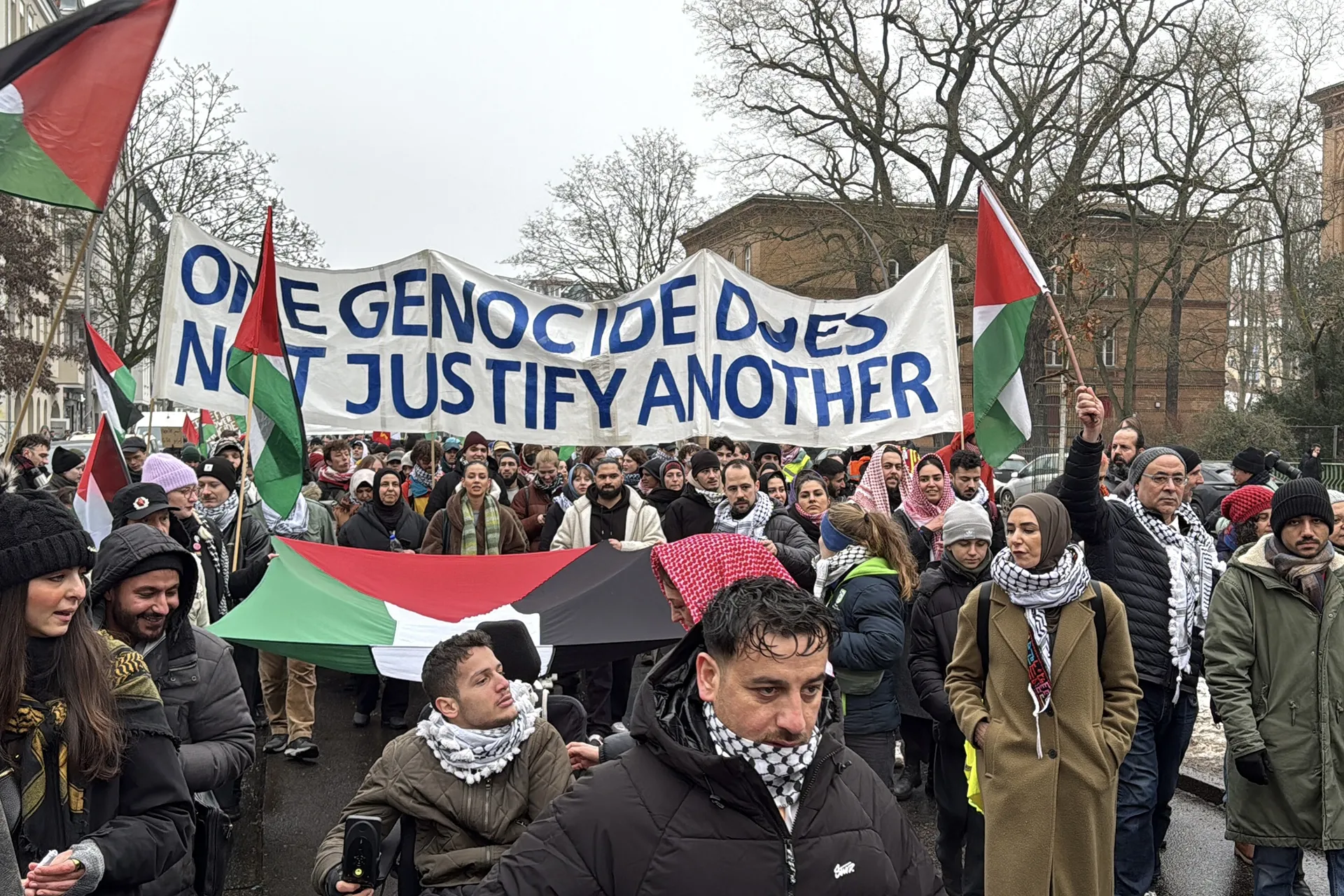
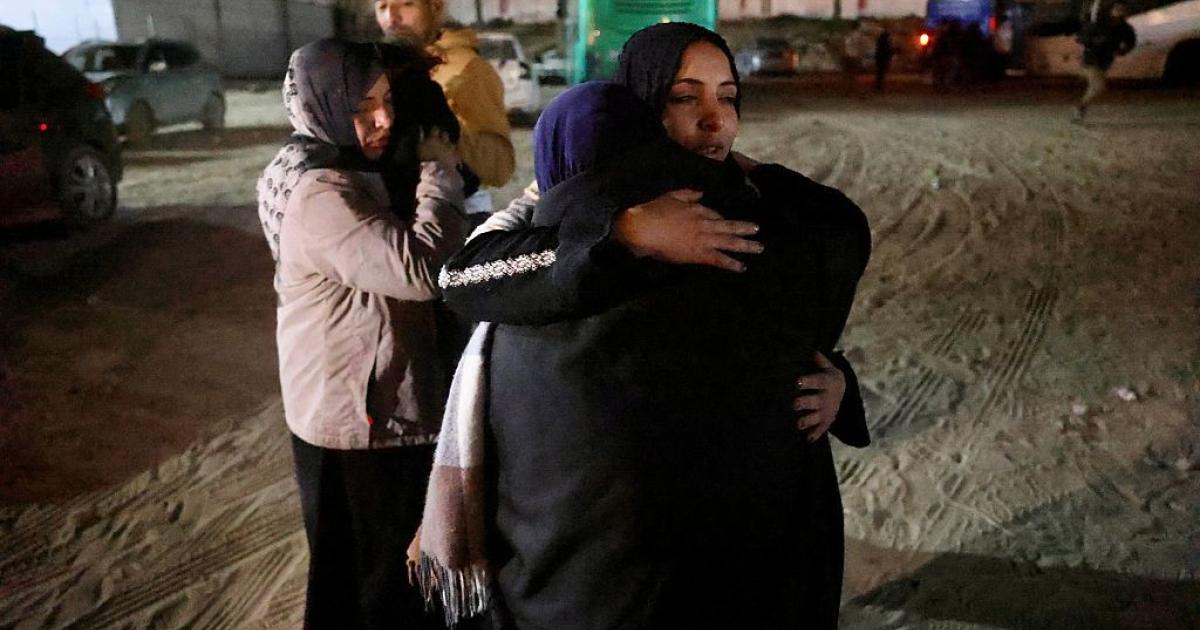
It explained that "the resolution was adopted by a majority of 13 votes to none, with Russia and China abstaining, which is evidence of its intended ambiguity, as well as the global fatigue and despair from the war in Gaza that has lasted for more than two years. This war has left over 70,000 dead and destroyed about 70% of the coastal strip's buildings, while a committee in the United Nations concluded that Israel committed genocide in Gaza."
It noted that "after the vote, the U.S. envoy to the international organization, Mike Waltz, described the resolution as a new pivot and path in the Middle East, for both Israelis and Palestinians and all the peoples of the region alike. When it was the turn of other council members to speak, they were more cautious, framing their support or approval based on what the resolution might entail, rather than what was stated in its text."
It indicated that "this was particularly evident regarding the Palestinian state. Based on the insistence of Arab and Islamic countries, the resolution was amended in recent days to include a mention of the future State of Palestine, at least. However, it did not do so by referring to the Palestinians' fundamental right to self-determination and the international commitment to a two-state solution, but rather in broad, conditional, and unconvincing language. If the Palestinian Authority satisfactorily reformed itself and advanced the reconstruction of Gaza, the resolution stipulated that conditions might be ripe for a reliable path toward Palestinian self-determination and statehood."
The newspaper added: "Although this seems merely talk, European diplomats saw a victory in convincing a Trump administration envoy to say the phrase 'Palestinian self-determination and statehood' out loud, regardless of the caveats," referring to what former U.S. negotiator and Middle East expert Aaron David Miller wrote, that the resolution is a step toward a future Palestine.
The newspaper added that "the wording of Resolution

شارك برأيك
The Guardian: The Security Council's decision is strange and gives Trump absolute control over Gaza.