






The issue of the bodies of Israeli prisoners has resurfaced amid Tel Aviv's threat to resume military operations in the Gaza Strip if the remains of its captives who were killed during the war are not recovered.
Experts point out that there are many challenges that must be overcome in conflict areas to extract the bodies, including procedures used by the Red Cross and the United Nations, which are: securing the site to protect the body, ensuring the presence of specialized engineers, and securing the site from unexploded ordnance.
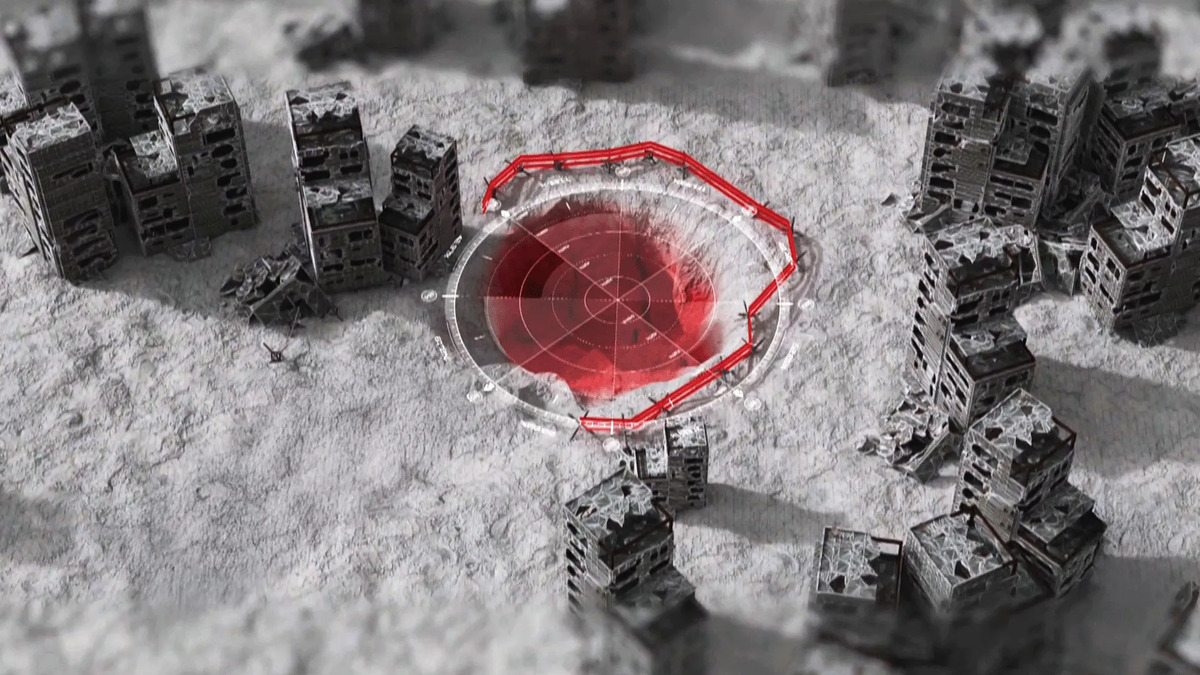
Estimates from the government media office in Gaza indicate that there are about 20,000 unexploded ordnance scattered throughout the Strip, posing a significant danger to those searching for the remains.
Additionally, there are more than 200,000 tons of explosives that were dropped on the Gaza Strip throughout the war, which is equivalent to about 13 nuclear bombs.
Securing the area from ordnance requires a set of equipment that is not available in the Gaza Strip, such as multi-sensor flashlights, ground radars, tomography, and robots.
Moreover, extracting bodies from tunnels that have been targeted by anti-bunker munitions means they could be buried at depths exceeding 30 meters underground, complicating the excavation processes that require specialized heavy equipment that is rare in the Strip.
Furthermore, digging without specialized engineers increases the likelihood of collapse or the presence of explosive gas pockets at these depths.
Consequently, these logistical complications make the extraction of bodies under such conditions a challenging task, compounded by a lack of equipment and vast amounts of rubble.
Since last Monday, the Al-Qassam Brigades - the military wing of the Islamic Resistance Movement (Hamas) - have released 20 live Israeli prisoners as part of a ceasefire agreement regarding Gaza and a prisoner exchange.
They also handed over the remains of 13 out of 28, most of whom are Israelis, stating that they need time, advanced equipment, and heavy machinery to retrieve the remaining bodies, and they delivered the remains of two Israeli prisoners on Saturday evening.
The process of extracting bodies requires advanced equipment and heavy machinery, which the Gaza Strip lacks.
شارك برأيك
Procedures and equipment required for exhuming bodies in Gaza areas