







Dr. Hussein Al-Daik: Trump's plan came to contain the international recognition of the state and the division within the historically united Western camp behind Israel.
Majid Hdeib: What Netanyahu announced was expected because he was not under pressure, thus he succeeded in emptying Trump's plan of content that does not align with the vision of the Israeli right.
Dr. Ahmed Rafiq Awad: Washington seeks to maintain its regional position and prevent the erosion of its relationships with its allies, while ensuring it monopolizes any upcoming solution.
Nizar Nazzal: The American moves led by Trump are a political maneuver aimed at reducing Israel's isolation and thwarting international recognition of Palestine.
Dr. Suhail Diab: The goal of the proposal is to prevent a tsunami of the two-state solution, delay it, and impose arrangements that keep American control over the post-war scene.
Mohammed Joudah: Implementing the plan on the ground is fraught with significant complexities despite the existence of factors that may push towards engagement with it.
With the launch of President Donald Trump's proposal for a new plan aimed at stopping the war and rearranging the political scene in Gaza, there are significant doubts about its success, especially as it comes amid a rise in international recognition of the Palestinian state and a division in the Western stance on that. The question arises: is this proposal a political maneuver or a serious step to end the war?
The initiative, which includes 20 points ranging from a ceasefire, reconstruction, and a temporary administration with international participation, seems, according to writers, political analysts, specialists, and university professors who spoke to "Y," not aimed at ending the conflict, but rather at managing the crisis in a way that preserves the interests of Washington and its allies, and prevents any actual progress in the path of the Palestinian state.
They point out that the plan's provisions impose strict restrictions on "Hamas," such as disarming it and removing its leaders, while granting Israel the right to resume military action if the conditions are not met, placing the practical implementation of the plan in the face of significant difficulties and raising questions about the seriousness of its commitment on the ground.
Writers, analysts, specialists, and university professors confirm that the initiative has a clear maneuvering character: it seeks to temporarily curb international recognition of Palestine, delay any radical solution, and ensure continued American control over the scene after the war.
They see that the chances of Trump's plan succeeding remain linked to Washington's true will and the ability of regional and international parties to pressure Israel to implement its provisions, but the biggest challenge is the absence of actual Palestinian participation in discussions about the plan, whether from the Palestinian Authority or Hamas.
Trump's plan regarding Gaza is not an isolated initiative.
The writer, political analyst, and specialist in American affairs and international relations Dr. Hussein Al-Daik confirms that President Donald Trump's plan regarding Gaza is not an isolated initiative, but rather came to contain international recognition of the Palestinian state and the division within the Western camp, which has historically been united behind Israel.
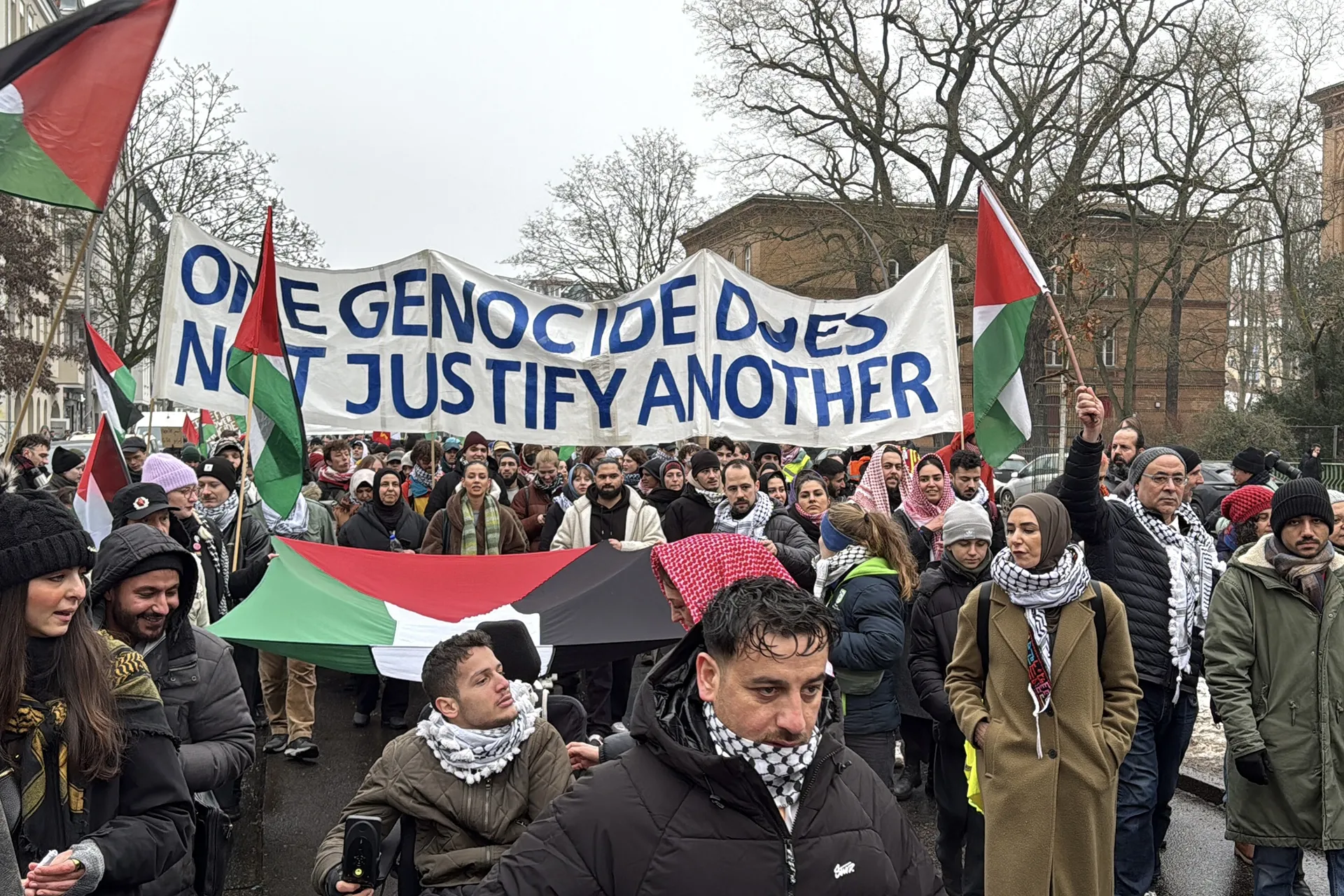
Al-Daik points to the unprecedented rift in the Western position caused by the approval of the French-Saudi initiative and the voting of European countries in favor of the two-state solution, forcing Washington to seek a new path after it found itself alongside only Israel, Germany, Italy, and Hungary, in the face of the majority of EU countries and the Arab, Islamic, Latin American, and Asian worlds.
He clarifies that the shift in the positions of influential countries such as France, Britain, Spain, Belgium, the Netherlands, and Portugal forced Washington to present a new initiative that preserves its position and prevents the loss of its traditional allies.
The plan takes into account Israel's core demands.
According to Al-Daik, Trump's plan came to take into account Israel's core demands, foremost among them: disarming Hamas, releasing Israeli prisoners, ensuring freedom of movement and security control within Gaza, destroying Hamas's capabilities, and removing its leaders from the sector.
In contrast, according to Al-Daik, the plan notes clear Palestinian demands related to stopping the war, rejecting displacement, reconstruction, and the retention of the population in Gaza, without any reference to deportation or expulsion, which is a good thing for the Palestinians.
Al-Daik points out that some provisions of the plan remain vague or controversial, such as the new provision 19 that talks about "dialogue among followers of religions" aimed at forming a new awareness and changing the culture of Palestinian upbringing, which some see as an attempt


شارك برأيك
Trump's plan for Gaza... a political maneuver and an attempt to contain the tsunami of recognitions.