






In a new step towards stabilizing the situation in Syria, media reports have indicated that the occupying state and Syria are nearing the signing of a new security agreement mediated by the United States. This agreement aims to enhance security in Syria after years of civil war, reduce threats on Syria's northern borders, and distance Damascus from the Iranian axis.
The terms of the agreement include preventing Turkey from rebuilding the Syrian army, which the occupying state considers strategically important. The agreement also prohibits the deployment of strategic weapons within Syrian territory, including missiles and air defense systems. These terms reflect the security concerns of the occupying state regarding the strengthening of Syrian military capabilities.
Among the sensitive issues addressed in the agreement is the establishment of a humanitarian corridor to Mount Druze in Sweida, amid current security tensions. The agreement also includes disarmament in the Syrian Golan Heights, reflecting the parties' desire to achieve some form of stability in the region.
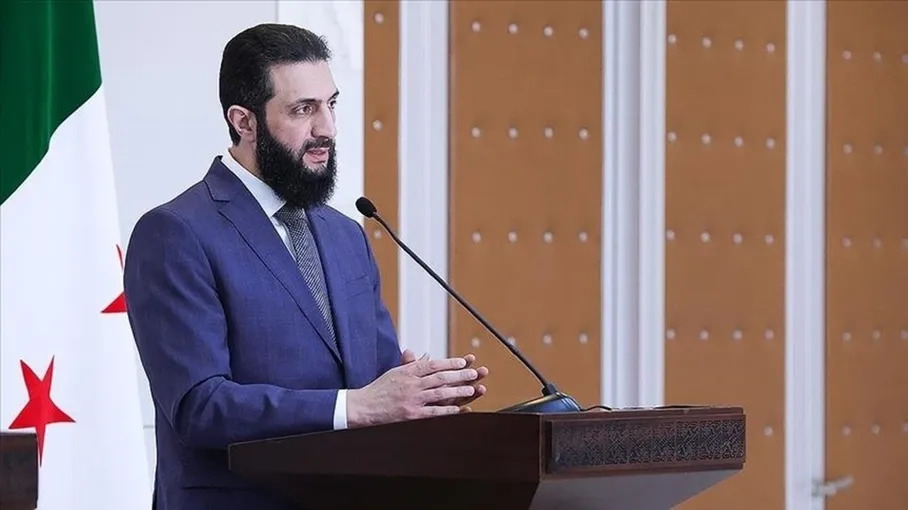
Syrian President Ahmad al-Shara confirmed that there is advanced discussion regarding the security agreement, noting that it is based on the 1974 ceasefire line. He explained that he would not hesitate to make any decision that serves the interests of Syria and the region, despite not seeing the current circumstances as sufficient for concluding a peace agreement with the occupying state.
Syrian Foreign Minister Asaad al-Shaybani accused the Israeli occupation of violating the 1974 separation of forces agreement, pointing to the establishment of intelligence centers and military points within prohibited areas. This statement reflects the ongoing tensions between the two sides and indicates that Damascus still clings to its rights in the face of occupation.
At the same time, the Syrian Foreign Ministry denied the circulating news about the anticipated signing of a security agreement on September 25, confirming that the agreement will be limited to the security aspect to stop tensions between the two countries. This denial reflects the uncertainty surrounding the negotiation process.
Syrian sources confirmed that Foreign Minister Asaad al-Shaybani met with the Israeli Minister of Strategic Affairs in Paris to discuss security arrangements in southern Syria, including de-escalation and non-interference in Syrian internal affairs. These meetings reflect joint efforts to achieve stability in the region.
Developments continue in this context, as the question remains about the success of these negotiations in achieving security and stability in Syria, and whether they will lead to a real change in relations between Syria and the occupying state.
I will not hesitate to make any decision or agreement that serves the interests of Syria and the region.
شارك برأيك
Hebrew media publishes the terms of the security agreement with Syria.. and Al-Shara: "According to the 1974 ceasefire