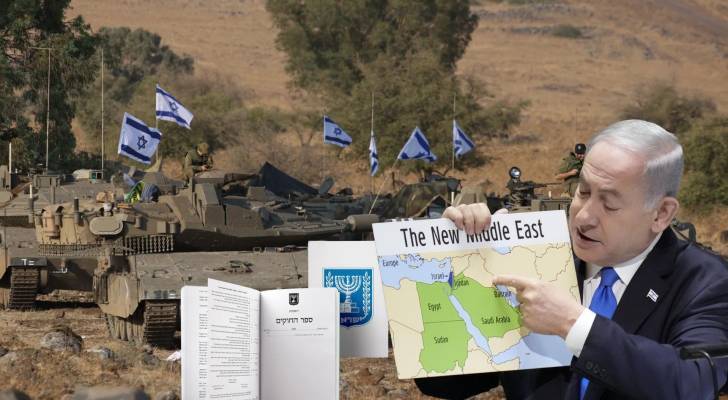







Palestine is considered a unique case among most countries in the world, as the occupying entity does not have a single, official written constitution. This absence is not a coincidence, but rather a result of deep ideological conflicts that date back to its founding moment, and it is closely linked to another issue that is no less complex: the lack of officially and legally defined borders.
Upon the establishment of the occupying entity in 1948, a fundamental disagreement arose among its leaders regarding the nature and identity of the state, which prevented the writing of a unified constitution. The debate was divided between two main currents: the religious current, which viewed the Torah and Jewish law as the supreme constitution, and the secular current, which sought a modern democratic constitution.
To reach a compromise, the Knesset adopted in 1950 a settlement known as the "Harari Compromise," which stipulated that a unified constitution would not be written at that time, but rather the constitution would be prepared "chapter by chapter" through the enactment of a series of "basic laws." To this day, these laws have not been compiled, making them function as an unofficial constitution.
As for the borders of the occupying entity, the question of the state's borders as stipulated in the constitution cannot be answered, simply because there is no constitution to delineate these borders. The absence is not only a result but also a deliberate policy pursued by the leaders of the Zionist movement from the beginning.
David Ben-Gurion, one of the founders of the occupying entity, refused to define the state's borders at the time of its declaration, allowing for future expansion. This policy, known as "strategic ambiguity," enabled the occupying entity to expand and occupy new lands without a legal commitment to specific borders.
Historically, there have been several conceptions of borders, such as the borders of the 1947 partition plan, but none have been adopted as final borders. The "Green Line," which represents the 1967 borders, is considered by the international community as the basis for a two-state solution, but the occupying entity refuses to recognize it as final international borders.
The issue of borders is further complicated by the influence of the "Greater Israel" doctrine, which sees "the historical land of Israel" extending from the Nile to the Euphrates, making it impossible to recognize final borders. This expansionist ideology reflects the internal conflicts between the religious and secular identity of the state.
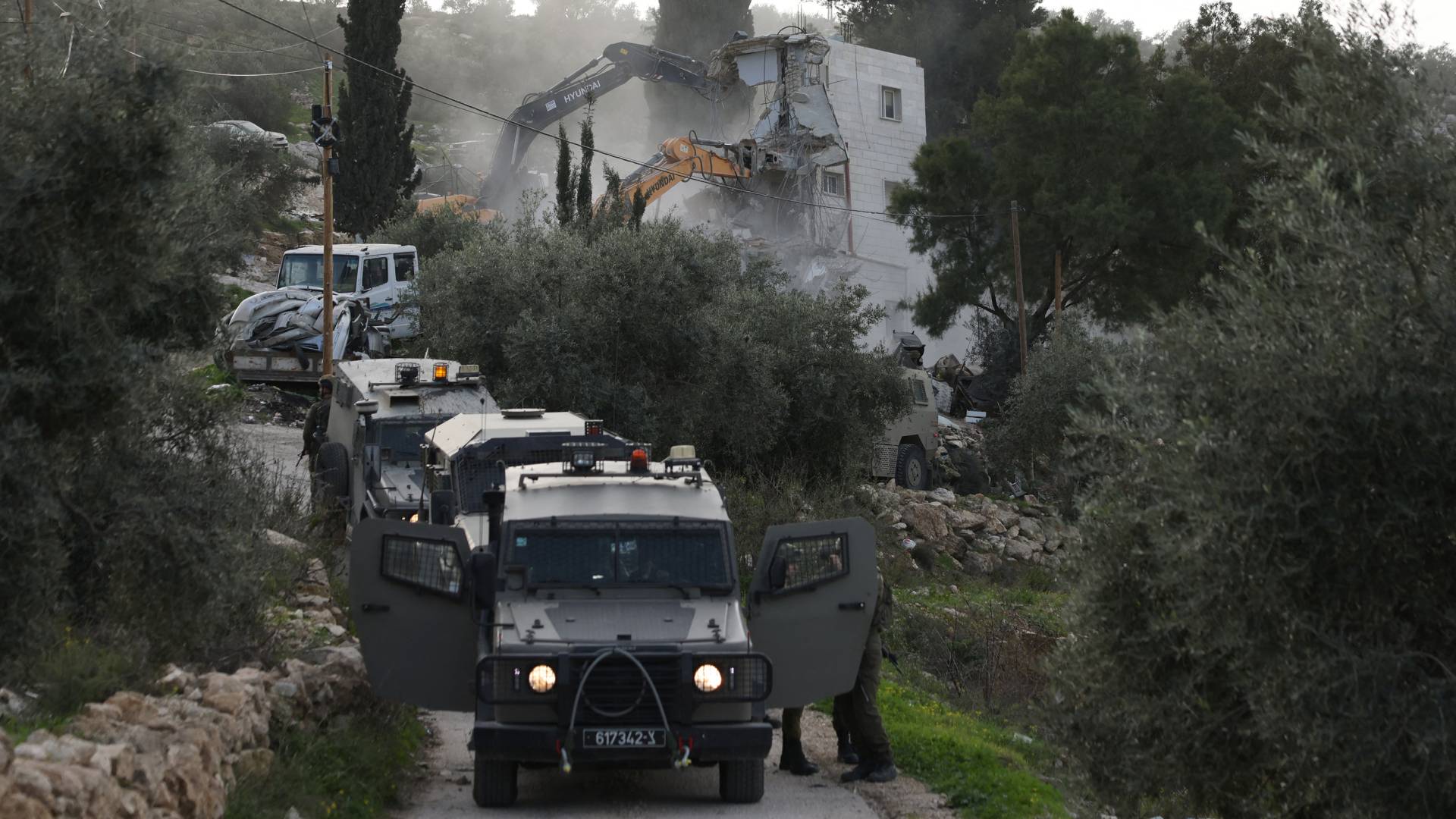
The absence of a constitution and the lack of defined borders reflect the foundational conflicts that remain unresolved within the occupying entity, serving the policy of imposing facts on the ground and allowing for the continued expansion of settlements in the occupied Palestinian territories.
The absence of a constitution and the lack of defined borders are two sides of the same coin, reflecting the foundational conflicts that remain unresolved within the occupying entity.
شارك برأيك
Why does the occupying entity "Israel" not have a written constitution... and why has it not set borders for its entity?