






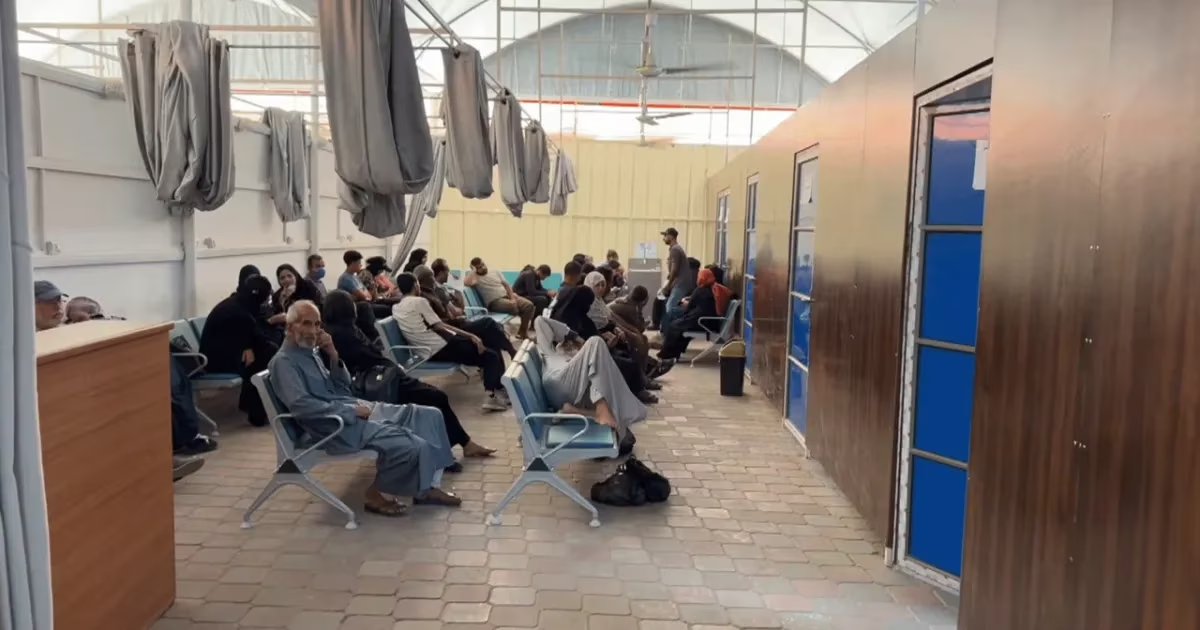
Thousands of tumor-stricken patients in the Gaza Strip face imminent death due to a severe and unprecedented shortage of cancer medications and essential medical supplies. This crisis comes amid intensified restrictions by the Israeli occupation forces on the entry of humanitarian aid, leading to a near-total paralysis in hospitals' ability to provide the necessary healthcare to save lives.
The Ministry of Health in Gaza confirmed that the lives of over 4,000 cancer patients are at stake, describing the health and humanitarian situation for this group as having reached a 'catastrophic deterioration.' Medical sources explained that about 66% of the cancer medication stock has already run out from the Strip's warehouses, leaving patients without real treatment options.
In field testimonies from the Gaza Cancer Center in Khan Yunis, the wife of a patient recounts her husband's suffering. He underwent a pancreatectomy and requires daily treatments for kidney disease and cancer. She bitterly noted that they stand helpless as his health deteriorates, as he has only been able to receive three chemotherapy doses since the beginning of the current crisis.
For his part, patient Faraj Mohammed Abdel Qader summarized the tragedy of forgotten patients, stating that he has not received any treatment dose since last September despite suffering from the disease for five years. Abdel Qader appealed to human rights organizations and the World Health Organization for urgent intervention to facilitate the entry of medications, emphasizing that Gaza's patients suffer from deadly marginalization.
Dr. Saleh Sheikh Al-Eid, head of the Oncology Department at the Gaza Cancer Center, warned that the picture is growing bleaker with a noticeable increase in new cases of the disease. Sheikh Al-Eid explained that the severe scarcity of treatments has led some essential varieties to 'zero stock,' making medical intervention often futile.
The medical official revealed a shocking reality regarding the currently followed treatment protocols, where doctors are forced to give patients traditional chemotherapy doses as 'temporary resilience doses.' These doses are only intended to help the patient endure pain while awaiting an uncertain opportunity to travel to complete radiation or targeted immunotherapy, techniques entirely unavailable within the Strip.
Sheikh Al-Eid pointed out that most prescriptions currently dispensed are nothing more than pain relievers, which completely lose their effectiveness when cases reach advanced stages of the disease. He stressed that the continued closure of crossings and preventing patients from traveling abroad for treatment has directly led to a continuous rise in death tolls among tumor patients.
In conclusion of his humanitarian cry, the head of the Oncology Department appealed to the international community and relief organizations to act immediately and pressure the occupation authorities to open the crossings. He affirmed that allowing the entry of medical equipment and modern treatments is the only way to save thousands of lives being ravaged by disease on one hand, and killed by the suffocating siege on the other.
The lives of more than 4,000 cancer patients are threatened due to medication shortages, and the situation has reached a catastrophic deterioration.
שתף את דעתך
Health Catastrophe in Gaza: Death Looms Over Thousands of Cancer Patients as Medications Run Out