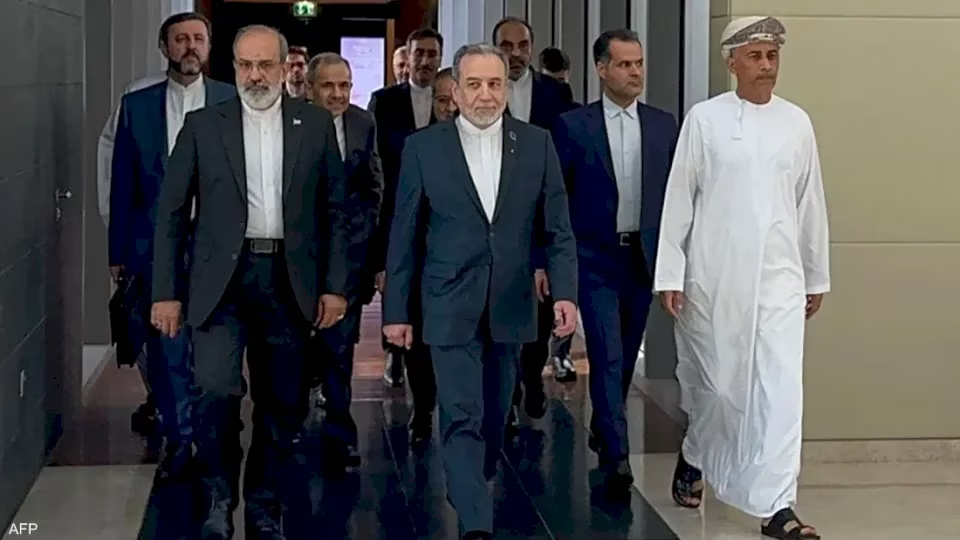







Tehran intensified its diplomatic moves in the region ahead of an anticipated visit by Israeli Prime Minister Benjamin Netanyahu to Washington, where the Iranian Foreign Ministry warned of pressures and influences it described as destructive, aimed at undermining ongoing diplomatic efforts. The Foreign Ministry spokesperson, Ismail Baqaei, affirmed that the responsibility lies with the United States to make independent decisions away from interventions that harm regional stability.
In this context, Ali Larijani, Secretary of Iran's Supreme National Security Council, began a tour that included the Qatari capital Doha and the Sultanate of Oman, as part of a pre-planned program to strengthen bilateral relations and regional consultations. These visits come to complete the diplomatic path related to the nuclear file, as Tehran seeks to ensure the support of neighboring countries for the dialogue process and reduce the intensity of escalating tensions.
Iran's Foreign Ministry stressed that the Israeli regime has proven on several occasions its opposition to any diplomatic process that could lead to peace in the region, describing it as a disruptive party. Sources clarified that the current Iranian move aims to block any attempts to obstruct potential understandings between Tehran and international powers, especially in light of the intensive Israeli activity in Washington.
Baqaei pointed out that the fundamental problem lies in the seriousness of the American administration in returning to the right path, especially after previous experiences described by Tehran as bitter. He noted that last year's talks ended with attempts at military action, which necessitates a comprehensive and accurate assessment by the Iranian side before proceeding with any new steps.
The Sultanate of Oman is considered a vital center for these talks, where Tehran appreciated Muscat's historical role in mediation and its continuous efforts to bridge viewpoints. The current discussions in the Sultanate are taking place in an atmosphere described as positive, with Iran emphasizing its commitment to red lines that prevent discussing any files outside the framework of the nuclear program.
In parallel with the political movement, Iran affirmed the continuation of its consultations with active countries in the region, including Egypt, Turkey, the UAE, and Saudi Arabia, to ensure comprehensive regional stability. Tehran believes that the security of the region must stem from the cooperation of its countries, away from external interventions aimed at inciting conflicts or imposing specific agendas.
On the military front, the commander of the Iranian Air Force announced that the armed forces are on high alert and fully prepared to confront any aggressive action that may target the country. These statements come as a deterrent message coinciding with political pressures, to emphasize that the diplomatic option does not mean a weakening of the Islamic Republic's defensive posture.
In the context of strengthening trust with neighboring countries, the Iranian Minister of Defense visited Azerbaijan to discuss military cooperation in the South Caucasus region. These moves aim to build a regional security system based on mutual trust and contribute to promoting peace and stability away from border tensions.
Iran's Foreign Ministry reiterated its emphasis on the peaceful nature of its nuclear program, noting that it is seriously striving to remove any artificial global concerns about possessing nuclear weapons. It called on Washington to focus on actions, not words, stressing the need to curb the practices of lobbies that try to sabotage the course of diplomatic talks.
Informed sources reported that recent meetings between Iranian and American officials, including the meeting between Araghchi and Witkoff, showed an understanding on Washington's part of the necessity of continuing dialogue. However, Tehran remains wary of potential contradictions in American policy, insisting that the lesson lies in the actual implementation of international commitments.
The party we are negotiating with is the United States, and the decision is theirs to act independently of the destructive pressures and influences that harm the region.
שתף את דעתך
Iranian Diplomatic Movement in Muscat and Doha to Save Nuclear Negotiations