






Jakob Silvers, the special representative of the UN Development Programme's director-general in the Palestinian territories, painted a grim picture of the situation in the Gaza Strip following the implementation of the ceasefire agreement, emphasizing that what he witnessed during his recent visit reflects an unprecedented level of destruction and human suffering.
Silvers described the Strip as "the most devastated place on Earth," noting that the scenes of rubble scattered everywhere embody the magnitude of the disaster that has befallen civilians.
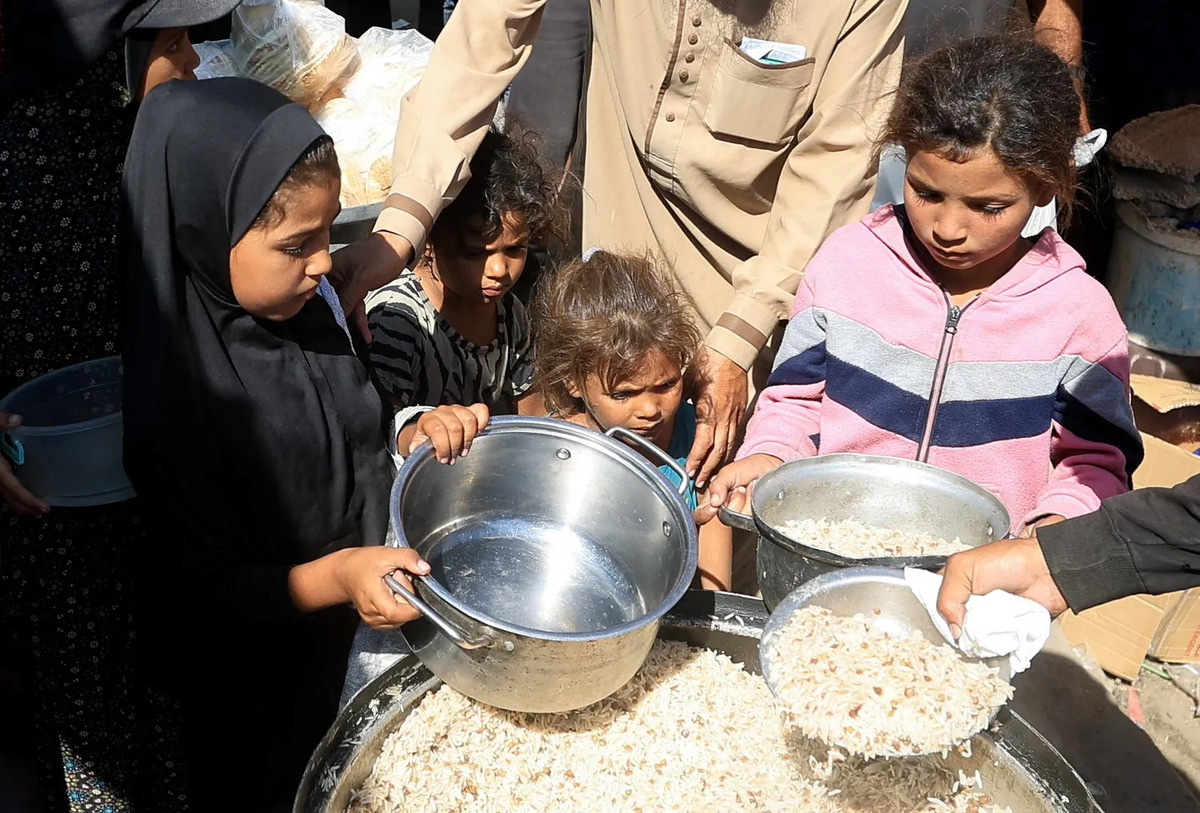
He explained that residents are searching through the debris for remnants of their belongings, while children stand in long lines to obtain food and water.
He confirmed that the people of Gaza are facing enormous humanitarian challenges related to securing shelter, food, and water, while the United Nations estimates the accumulated rubble in the Strip to be about 25 million tons, which must be removed before any reconstruction efforts can begin.
Despite this difficult reality, the UN official stressed that the residents "are still trying to return to their normal lives," adding that the spirit of resilience he sensed during his visit instills hope for the possibility of recovery despite the magnitude of the losses.
He clarified that the health and environmental situation in the Strip is "extremely difficult," noting that he visited waste disposal facilities in the central area and found that they operate under harsh conditions, amid fears of disease outbreaks due to the weak sanitation and public health infrastructure.
He added that tens of thousands of families live in overcrowded places that do not meet appropriate health standards, exacerbating water and sanitation problems and increasing the suffering of residents amid weak food and medical supplies.
Silvers spoke about the environmental challenges facing Gaza, pointing out that the accumulation of waste and the lack of effective resource management pose an additional threat to the population, especially with limited access to electricity and safe drinking water.
Regarding humanitarian aid, he explained that the quantities reaching the Strip "do not match the enormous needs," noting that the restrictions imposed on the types and quantities of materials entering Gaza directly affect recovery efforts.
He indicated that the United Nations and humanitarian organizations are doing their utmost to meet the urgent needs of the population, but this remains contingent on facilitating the entry of aid through the crossings and lifting the restrictions imposed by the Israeli side.
The government media office in Gaza stated that only 986 aid trucks have entered the Strip since the ceasefire began, out of 6,600 trucks that were supposed to enter by last Monday evening according to the agreement.
He expressed hope that the ceasefire would provide "more stable conditions" that would allow for the intensification and expansion of relief operations to cover various areas of the Strip, affirming the international community's readiness to provide full support to the Palestinians if the appropriate environment is available.
Silvers emphasized the necessity for the ceasefire to be accompanied by practical steps to facilitate the delivery of aid and enable UN institutions to fully perform their tasks, including the rehabilitation of the destroyed vital infrastructure.
He explained that the United Nations is currently working to "increase the volume of aid and services" directed to Gaza, expressing hope that the Israeli authorities would allow for the acceleration of these efforts to alleviate the immense humanitarian suffering experienced by more than two million Palestinians in the Strip.
According to the World Food Programme, nearly one-third of families in the Strip are deprived of meals for consecutive days.
The United Nations Children's Fund (UNICEF) reported that 39% of the Strip's population goes without food for days, and that 320,000 children under the age of 5 are at risk of acute malnutrition.
Additionally, 290,000 children under 5, and 150,000 pregnant and breastfeeding women need nutrition and supplements.
Simultaneously with the genocide it has waged against the Gaza Strip since October 7, 2023, Israel has implemented a systematic starvation policy in the area, resulting in the deaths of 463 Palestinians, including 157 children.
Gaza is the most devastated place on Earth, and the residents are facing enormous humanitarian challenges.
שתף את דעתך
UN official: Gaza is the most devastated place on Earth, and its people are facing enormous challenges.