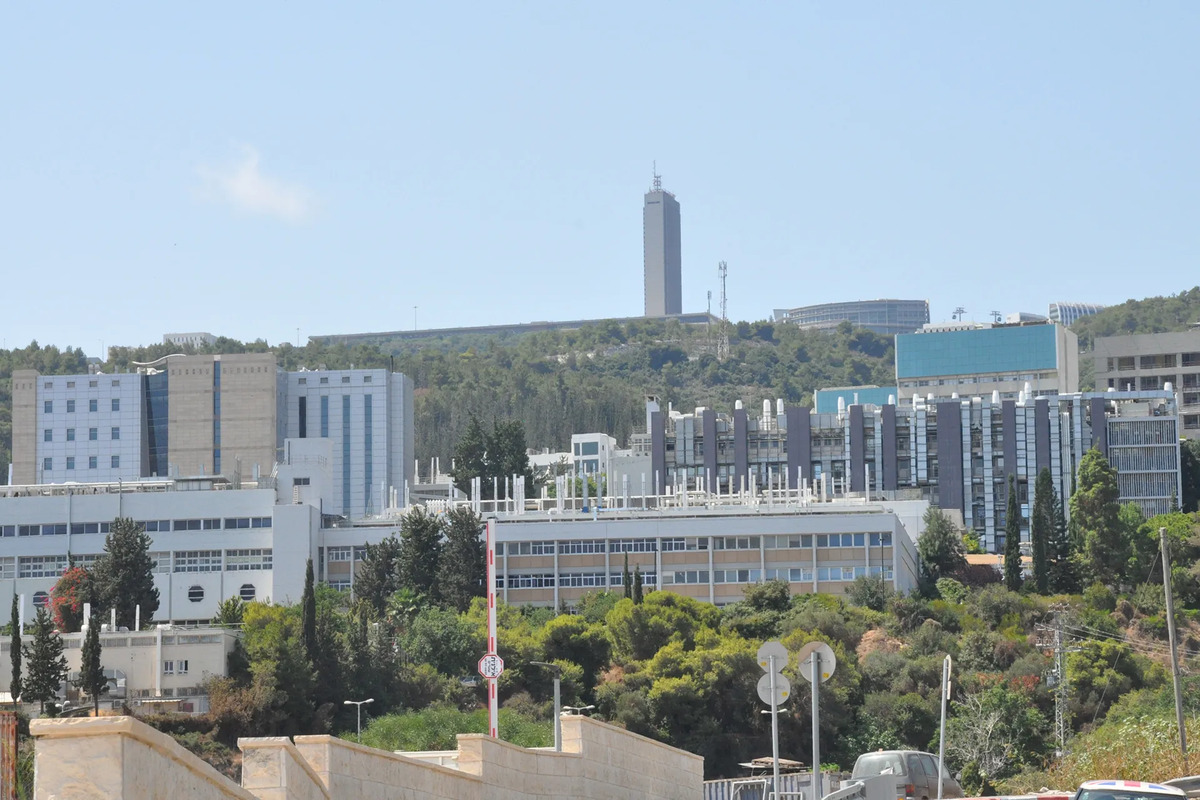







Israel has recently witnessed an unprecedented rise in the pace of academic boycotts on the international stage, amid notable shifts in the general Western mood towards its policies, especially in light of the ongoing war in the Gaza Strip. The phenomenon of boycotts has begun to penetrate deep into Western academic institutions, ranging from public boycotts to a gradual cessation of cooperation with Israeli universities and researchers.
A report by the Israeli Council of University Presidents documented more than 750 confirmed cases of boycotts since the outbreak of the war, including the cancellation of grants, refusal to publish articles, and severing of collaborative relationships by universities and academic institutions in Europe and America. The figures show a steady increase compared to the second half of 2024, reflecting a rapidly deteriorating global academic standing for Israel.
In this context, dozens of universities in Belgium, the Netherlands, Spain, and Norway have announced a comprehensive boycott of Israeli academic institutions. Daniel Haimovich, president of Ben-Gurion University, described this phenomenon as a "virus spreading in Western Europe." The boycott is no longer limited to student initiatives; it now includes individuals and institutions from within the core of the Western academic stream.
The forms of boycott range from official decisions to sever ties, to an unannounced reluctance to renew partnerships or respond to emails from Israeli researchers. Emmanuel Nachshon, director of the anti-academic boycott office in the committee, describes this phenomenon as extending from "individual refusals to participate in scientific workshops" to "near-total isolation in some European countries."
The repercussions of the boycott extend directly to the economy, as the decline in European support has led Israel to lose more than 68.5% of the grants it previously received, equivalent to hundreds of millions of euros. Reports indicate that Israeli universities were among the largest beneficiaries of the European program, but by 2025, the scene had reversed, and Israeli investment in the program became a financial burden.
Merav Arlozorov, a prominent analyst, wrote about the rapid transformations in the boycott against Israel, which are leaving a tangible impact on Western scientific and economic circles. She describes how she began to feel the academic boycott in a time when scenes of hunger and suffering in Gaza ignite a new wave of economic boycotts.
Arlozorov warns that the continuation of this escalating dynamic could lead to a path that is difficult to contain later, noting that "the longer the war lasts, the harder it becomes to stop the deterioration." Naftali Bennett also posted a warning message on the X platform about the collapse of Israel's standing in the United States, indicating that the situation has never been this bad.
The academic boycott is no longer just a symbolic expression of dissent; it has turned into an effective pressure tool threatening Israel's standing.
שתף את דעתך
An Israeli reading on the widening global boycott due to the war of starvation