






The Israeli Prisoners' Families Authority described the dispatch of the negotiating delegation to Doha as a "necessary step," and said in a statement on the X platform, "It must lead to a comprehensive agreement that guarantees the return of the last abducted person within a clear timetable."
The commission demanded "a clear and transparent update from the Abductees' Administration and official sources regarding the conditions that Israel considers "unacceptable," which the families and the public have a right to know."
Israeli media reported Saturday evening that Israel had decided to send a negotiating delegation to the Qatari capital to discuss the details of the proposed ceasefire in Gaza and prisoner exchange after receiving Hamas' response.
A statement from Israeli Prime Minister Benjamin Netanyahu's office said he received last night "the amendments Hamas is requesting to the Qatari ceasefire proposal," stressing that they are unacceptable.
Israeli radio quoted unnamed sources as saying that Hamas is adhering to three basic demands to amend the terms of the agreement.
She explained that the first demand concerns a return to the previous model of humanitarian aid distribution, while the second concerns what will happen after the 60-day ceasefire expires. Israel believes that the expiration of the period without an agreement allows it to resume the war, while Hamas insists on extending the ceasefire as long as negotiations continue.
The third demand focuses on the map of the Israeli military's withdrawal from Gaza, as Hamas demands a clear and tangible withdrawal from the areas where the occupation army is deployed within the Strip.
Qatari proposal
The Israeli newspaper Haaretz said that the most prominent provisions of the Qatari proposal include Hamas releasing half of the living Israeli prisoners (10 prisoners), in addition to the bodies of 18 prisoners, in five stages during a ceasefire lasting 60 days.
According to the newspaper, the proposal includes the release of eight live Israeli prisoners on the first day of the agreement's entry into force, and two more on the 50th day. It also includes the handover of five bodies of Israeli prisoners on the seventh day, five bodies on the 30th day, and eight bodies on the 60th day.
In return, Israel will release a large number of Palestinian prisoners it is holding and gradually withdraw its forces from agreed-upon areas within Gaza. This clause could be a point of contention for Tel Aviv, which is demanding the disarmament of Hamas and the exile of its leaders abroad.
The Prisoners' Families Committee said in its statement, "The families are calling on the negotiating team to establish a mechanism to shorten the timeline to ensure a comprehensive agreement is reached within this week, and to ensure that the deal includes the return of all abductees without discrimination or selectivity." It concluded, "The abductees should not wait even one more day."
Israel estimates there are 50 Israeli prisoners in Gaza, 20 of whom are still alive. Meanwhile, thousands of Palestinians languish in its prisons, suffering torture, starvation, and medical neglect that has claimed the lives of many, according to Palestinian and Israeli human rights and media reports.
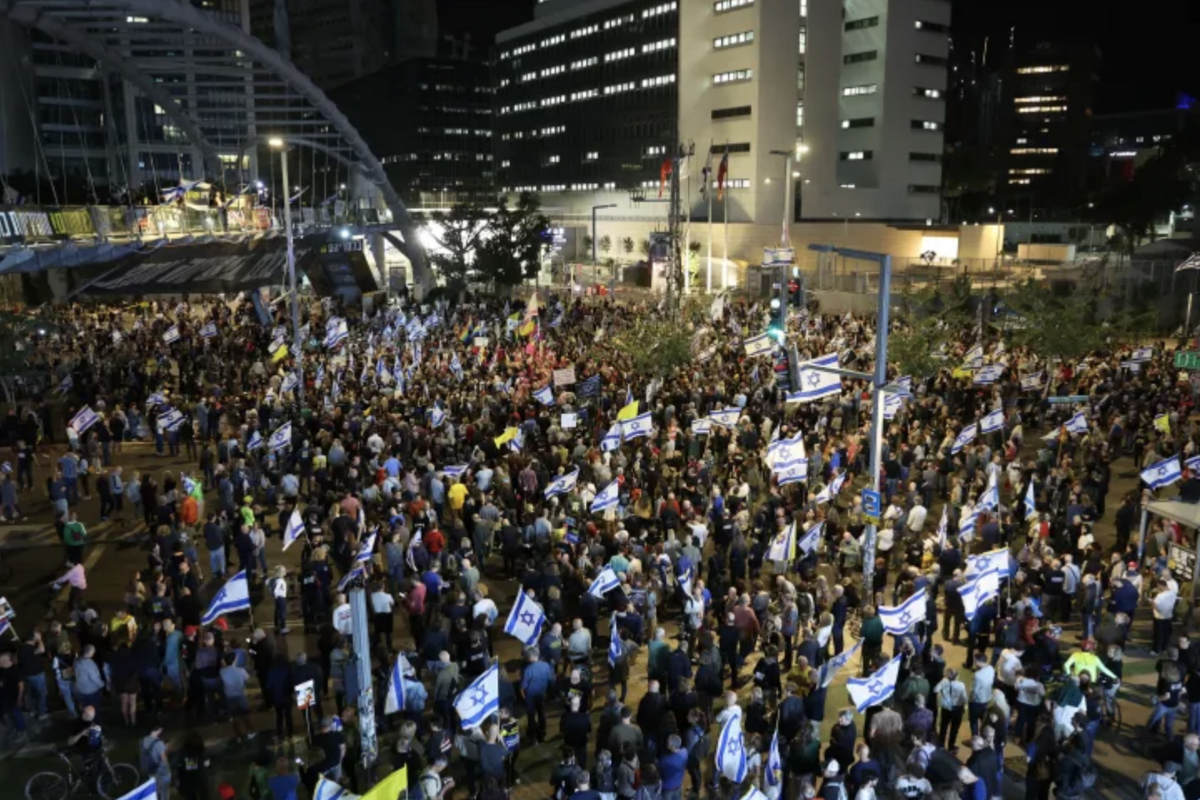
On Saturday evening, tens of thousands of Israelis demonstrated again in several cities—including Tel Aviv, Jerusalem, and Haifa—demanding a comprehensive agreement guaranteeing the return of all prisoners. They noted that all 50 prisoners were in dire humanitarian conditions, and warned that some were at risk of death or disappearance.
שתף את דעתך
Families of Israeli prisoners demand an agreement that would return all detainees.